Evolving Business Models For The Top Game Brands

The launch of Call of Duty Online today in China is an interesting milestone — and a signpost — not just for Activision, but for the game industry as a whole. Here we see a glimpse of the future for major game franchises, the changing nature of game design, the fundamental shift in business models for games, and the evolving role of game marketers, all in one announcement. And here you probably thought it was just another game being announced . . . but that’s only the surface reality. Let’s peel back the onion a bit and look at the different skins, and try not to shed a tear for the passing of the game-industry-as-we-knew-it.

It’s been abundantly clear for years that the marketplace for major console game brands is changing. No, not the shift to new consoles — that’s been a regular part of the business for decades, and publishers are all familiar with that change and have learned to deal with it. No, this shift has to do with how publishers are making games and selling them, and how buying patterns are changing.

One of the great reasons that Electronic Arts’ major brands Madden NFL Football and FIFA Soccer have generated so much revenue for so long was something that other console games didn’t do. The very nature of those licenses meant that a new game needed to come out every year, if for no other reason than to incorporate the last year’s worth of stats, roster changes, new players, and other changes that occurred in the sport being simulated. Since (long ago) you couldn’t push out updates via download, this meant a new boxed version of the software would ship every year — whether or not the basic engine was updated (sometimes it wasn’t, or not very much). This had the pleasant side effect of generating annual massive revenues for Electronic Arts.

Of course, this wasn’t lost on other publishers. If sports titles made a lot of money with a new version coming out annually, why not other types of games as well Activision decided to put Call of Duty on an annual release schedule, which eventually meant that not just one studio was developing the game — now there are three fully staffed studios working on different versions of Call of Duty. Now there are annual releases of this core franchise for Activision, yet the sales each year have been declining for the past several years, despite a massive effort by Activision in both development and marketing. Assuming that the issue isn’t a decline in the quality of the games or the marketing (which seems unlikely, given this has been steady over several years with games from different studios accompanied by increased marketing budgets), what’s causing this?

One likely reason is competition . . . not from other companies’ games, but from earlier versions of Call of Duty. When a new Call of Duty was separated in time by two or three years, and online play and DLC weren’t major components of the game, players would be eager for a new version. In three years they had exhausted the possibilities of the game. Now, though, we’ve got news maps and scenarios coming out quarterly, and a whole new game coming out a year after you paid $60 for one. Perhaps more importantly, online multiplayer is the most important part of the game now — and if you’re still having fun with that, why buy a new version. Especially if the new version means learning new maps, new gameplay techniques, and making sure all your buddies have the new version too . . . it’s just easier, and less expensive, to stick with the version you’re already playing.
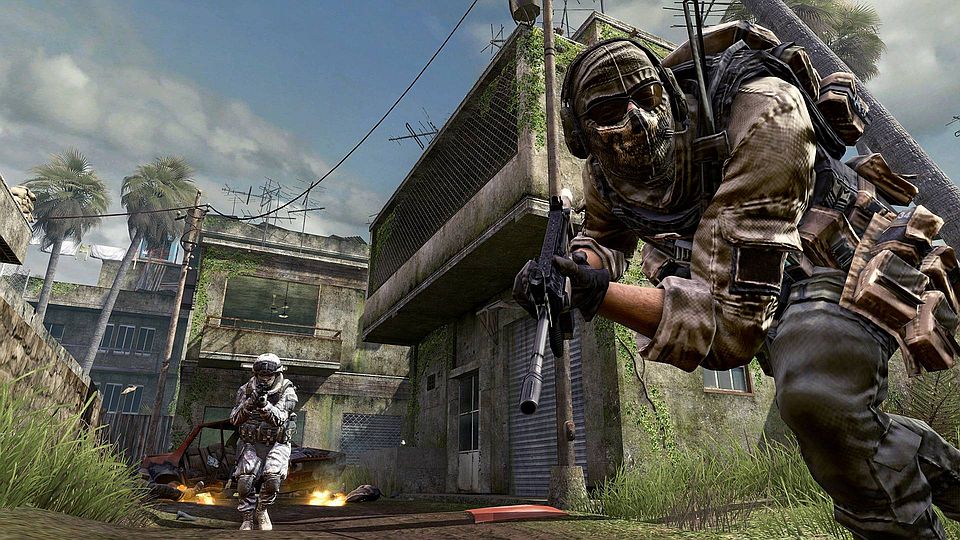
The problem also comes with the price tag. You’re asking for $60 up front for the game, plus $15 for each major DLC pack (or $50 for a season pass), not counting extras like a collector’s edition or various skins you can get. Those are big chunks of money. Compare this with League of Legends, where you can play the game for free, and extra Champions are around $5, and skins can range from a few dollars up to $10 or more. But it’s all optional, and the main map of the game isn’t changing — so you can easily play with friends who have paid out nothing, and friends who have spent hundreds of dollars, on an equal basis. Those smaller increments of cash are much easier to spring for than the bigger chunks console games demand.

Activision isn’t blind to this, of course, and there’s no doubt that one of the reasons behind Call of Duty Online (besides the chance to garner huge revenues from the massive Chinese market) is the opportunity to experiment with an entirely different business model for the Call of Duty franchise, and in a way that won’t upset current fans. Activision will get reams of data from this game, and learn plenty about what works and what doesn’t with this different business model for a venerable franchise. Sure, there are cultural differences at work that have to be taken into account, but nonetheless Activision should be able to get a pretty clear picture of whether this is the future of Call of Duty, not just in China, but elsewhere in the world.

You can also see experimentation at work in Destiny, which is combining parts of the FPS market with the MMO market . . . along with variations on pricing. Note the success of games like Guild Wars 2, with an upfront cost for the game but no subscription charges, with regular content updates and virtual goods for sale as well. Blizzard has being having great success with Hearthstone, and does anyone really expect that Heroes of the Storm and Overwatch won’t be some version of free-to-play

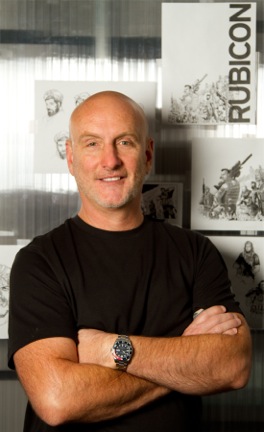
The console game brands need to shift from thinking about the game design and marketing for the brand as “ship a box to retail stores every year” to “what can we provide players on a regular, long-term basis ” That’s the kind of question that Rumble Entertainment’s Greg Richardson is asking as he aims to build a company to succeed in the game industry as it is evolving. Mobile and online games get the idea that the struggle is to come up with games and implement them so as to create a dedicated audience of fans and keep them happy for years. Fans are already voting with their dollars that they don’t like being hit with a $60 charge to enjoy the latest version of their favorite brand every year. The up side is that really dedicated fans can spend hundreds of dollars on a single game, if you give them enough cool content that they want to buy.

Game players are getting used to being able to try out games for free, and having plenty of options on how and where to play — and what to spend money on. Free-to-play isn’t just one specific business model — the term encompasses a wide variety of models, and in some cases it’s very similar to the old practice of providing free demo versions of a game. The best-performing business models are the ones that are precisely adjusted to fit the nature of the game play, and in so doing deliver an exciting and satisfying experience that keeps players engaged for a long time. That’s what Activision and other traditional publishers are experimenting with now, even on the oldest franchises that seem wedded to the physical retail model. (Electronic Arts is trying out FIFA Online in Asia, it should be noted, and TakeTwo is no doubt learning plenty by running Grand Theft Auto Online.)

Changes in game design and business models are leading to massive changes in marketing as well. Users are a big part of the marketing strategy, and marketing efforts need to be designed for a long term rather than aiming at one big push to get box sales in November. Everything is changing, while people try to reassure partners that it will be business as usual. Make no mistake, though — Call of Duty Online is the nose of the dragon, and sooner or later the whole damn thing will be in the tent. If we’re smart, though, that tent will be expanding to make room for the dragon. The market will be bigger for all once console brands can make the transition to long-term, profitable engagement with a smoother revenue flow.

SteelSeries Exec Explains How Eye Tracking Will Enhance ESports

At CES 2015, video game peripheral company SteelSeries and eye tracking company Tobii unveiled the Sentry. Available now for $200, the Sentry rests on a keyboard and tracks the eye movement of the PC gamer. Some of the top gaming streamers from Twitch were at the SteelSeries suite at The Cosmopolitan hotel and casino, showing off the overlay that allows fans to see exactly what pro gamers are seeing when they play titles like Counter-Strike: GO, DOTA 2 and League of Legends.

Jamie Kieffer, Chief Marketing Officer of SteelSeriesJamie Kieffer, Chief Marketing Officer of SteelSeries

The Sentry also brings emerging professional-level players an entirely new way to train for competitive gaming, by allowing the player to analyze a wide range of statistics based on where and how long he focused, or fixated, on different parts of the screen during gameplay. But that’s just the beginning of the device’s potential, given the number of game developers currently working on games using the $95 Tobii and SteelSeries SDK. Jamie Kieffer, Chief Marketing Officer of SteelSeries, discusses the present and future potential of eye tracking in games in this exclusive interview.

Can you explain how eye tracking works?

As complicated as the underlying technology is, it’s amazingly simple and intuitive to use. The three infrared sensors and camera onboard the Sentry track your eye movements while you play. This simple data can be manipulated in a number of ways. For streamers, their viewers can now watch their gaming sessions and see in real time where the streamer is looking. This provides a new level of insight into gaming strategy — where you look has a lot to do with how you perform. It brings streamers one step closer to their loyal followers.

How can gamers benefit from this technology?

For gamers, the Sentry provides not only a new view for their game replays, but also allows us to capture and report on a lot of key metrics — fixations per minute, percent of time spent in key regions of the gaming screen, etc.  By tracking these stats over time and benchmarking against their peers, the data from the Sentry can help gamers set goals for their performance and make real measurable breakthroughs in training.

What else do you see eye tracking opening up?

Ultimately, the possibilities are endless once your computer knows where your eyes are looking. We are working closely with developers to explore opportunities for in-game control using the Sentry, and will have much more news on these opportunities throughout 2015.

How do you see eSports fans using the Sentry?

Sentry is a great training aid for the gamer. For the first time ever, gamers can track their eye movements and measure their performance over time and against competitors. The Sentry tracks fixations per minute — essentially an efficiency measure that tracks how many things a gamer’s eyes perceive in a minute’s time.  It also tracks time spent in key areas of the screen — while these are very different from game to game, this data can be incredibly specific and valuable. Are you looking frequently enough at the mini-map in Dota 2 Spending too much time obsessed with your cool down meters in World of WarCraft Track these key stats and train to improve your performance.

Apart from that, a lot of pro gamers also spend a considerable amount of time streaming and discussing their game strategies with their fan bases. The Sentry allows them to provide an entirely new angle for their viewers, tightening the connection between pros and their greatest fans.

What differentiates your Sentry technology from some of the other eye tracking tech at CES?

First off, it’s the first consumer eye tracking device in the world. Quite simply, it’s a world-beating combination of the best eye tracking technology, overlaid with the greatest gaming insight. And a ton of development effort.

First, we partnered with Tobii, who we believe is the undisputed world leader with the greatest track record in innovation in eye tracking technology. Second, we have spent over a year working closely with them to optimize the experience — and the data we collect — for the needs of the streamer and gamer. Everything from the gaze overlay tool to the user interface to the charts and graphs we use to report data has been tested and validated by our stable of pro gamers and our partners in the streaming space.

So we started with the best tools, partnered with the smartest experts, and did everything in true service to the streamer and the gamer.

Why did you decide to focus on the eSports audience for this technology?

A few reasons. They are passionate about their PC usage and the games they play. They are explorers and experimenters, who love to try new methods and technologies to better realize that passion.

They are inherently a “sharing” community, looking to explore new technologies and to share their streams, their gaze data, their stats with each other and their fans.

And, of course, they are the audience that SteelSeries been has obsessed with since our founding. It’s a perfect fit with our mission of making gear to fundamentally improve the gaming experience.

How big an audience is there for this technology given the popularity of eSports and Twitch?

We think it’s massive. ESports is global. It is growing at around 20-30 percent per year. Its fans are passionate and dedicated. There are hundreds of millions of them and it is not uncommon for players to spend 30-40 hours a week committed to their passion.

More than any device, the Sentry impacts all parts of gaming. It makes streaming much more interesting to watch. It helps competitive gamers train and improve their performance. And it will help innovative developers create new methods for immersing gamers more fully into their worlds.

How far away are we from allowing gamers to actually play via eye tracking (What type of developer support would be needed )?

Not far at all. In partnership with Tobii, we have had development kits in the industry for well over a year. At CES this year, we are showing a number of immersive gaming experiences already developed — all of which show the true power and potential of the game. We are working very closely with major development studios and we anticipate some major announcements on this front in the very near future.

January Events: What Marketers Need to Know

While you’re setting up your plans for the year, the relentless approach of industry events is almost upon us. Fortunately, this month is lighter than most when it comes to events that marketers should consider, but it’s never too early to begin your planning. We’ve already had the first major show of the year, the Consumer Electronics Show in Las Vegas, and if you want to avoid being caught by surprise by the next event, the [a]listdaily has got you covered. Let’s take a look at what’s coming up for the rest of January, and provide some general advice on planning event attendance for the year.

Keep an eye on the [a]listdaily‘s Events tab on the right-hand side of the front page, lower down. That will keep you updated on the upcoming events.

Event Planning for 2015

January is a slow month for events, but that makes it the perfect time for marketers to take a little time to consider what’s coming up this year and how to maximize your benefits and minimize the time and expenses. There are more events in more places than you can possibly attend, so it’s time to pick and choose. Planning in advance helps you line up the best rates for hotels, as well as the best prices for travel.

When you evaluate what events to attend, think about all the different things an event can provide for you — and not just what’s listed on the web site. One of the key reasons to attend many of these events is the opportunity for networking, deal-making, and creating or cementing relationships in the industry. Look at who’s attending and see if that’s a group you’d like to work with, sell to or learn from. Smaller events are best for this — something the size of CES or Gamescom makes meeting the right people difficult unless you arrange something ahead of time.

One thing to keep in mind as you look at the show calendar is planning your own vacations. Many of the industry events take place in locations well worthy of a vacation, and if you can tack on some vacation days after a show you’ll be saving some money. If you’re really attending an event, you won’t have any time during it to see the sights or try out some of the experiences offered by the city you’re in. Can you really say you’ve been to a city if all you’ve seen is the airport and a convention facility Maybe your significant other would like to join you when you visit someplace interesting . . . Keep that in mind as you look over the events for the year.

NATPE

The National Association of Television Program Executives, NATPE, is the place for the movers and shakers in the television business to get together and listen to speakers such as Jay Leno, Netflix Chief Content Officer Ted Sarandos and Breaking Bad creator Vince Gilligan. It also has a dedicated track called “Master of Marketing” featuring top CMOs from PepsiCo, Chipotle, Unilever, L’Oreal and Mastercard plus media buyers talking about the future of video advertising and branded entertainment.

The show is especially important this year as the whole nature of video is changing, and the schedule shows plenty of sessions where you can hear thought leaders debating how the future of video will unfold. YouTube and Vine are discussed right along with new platforms, distribution, and business models for traditional television programming. The show takes place from January 20 through January 22 in Miami, and it includes an exhibit space as well as a full program track. If you are involved with video creation, production, marketing and monetization in any way, this show should be extremely useful.

PAX South

The Penny Arcade Expo South is debuting this month in San Antonio, Texas, extending the PAX brand to a new region following the success of the original PAX in Seattle, PAX East in Boston, and PAX Australia in Melbourne. This show is aimed at game players of all types, from the traditional tabletop games (which are changing rapidly) to the latest in mobile games, with plenty of PC and console games along the way. This is the first time for PAX in San Antonio, and it looks like it will be an excellent place to connect with gamers. The show takes place January 23 through 25 at the Henry B. Gonzalez Convention Center in the middle of San Antonio.

Many game companies will be exhibiting at PAX South, and it’s a terrific spot to test out new game concepts and build some excitement for upcoming games. Savvy marketers will be seeing what attracts the most interest at the show, and taking notes on which booth displays work and which don’t. When you walk the exhibit area, note where the biggest crowds are — and find out what’s drawing them in. There may be some good ideas for you to use with your own products.

The PAX South show is the first consumer event of the year, and as such it will be an interesting guide to what the most core gamers are interested in for the year ahead. There will no doubt be some news announced at the show, and plenty of new game trailers will appear. There will also be a number of talks and presentations covering all aspects of gaming, and it’s often useful to note which are drawing the biggest crowds. Think of PAX South as a giant focus group, giving you insight into what gamers in this region are playing and what they like — and don’t like.

While you’re there, take some time to enjoy San Antonio and its delightful Riverwalk, and all of the fantastic restaurants you’ll find in the area. You’ll need a break from the crowds at the show!

Game Veteran Mark Long Discusses The Uno Noteband

Mark Long founded independent game developer Zombie Studios 21 years ago, after spending years developing early virtual reality technology. Long spent a few years heading up Meteor Entertainment, which launched the free to play Mech game, Hawken. He recently left the game development industry to work on a new wearable device, the Uno Noteband, which was designed to push communication from a smartphone or tablet to your wrist using new Spritz technology. The Indigogo campaign raised over $100,000, doubling its initial goal. The $129 wearable will launch this spring. He talks about the gaming applications for this new device, which makes its debut at CES 2015, in this exclusive interview.

Mark LongMark Long

How did you get involved in this Uno Noteband project?

This started when a friend of mine invested in this Spritz technology, which is a new reading compression technology, and he asked if there was a use for gaming. I told him it’d be much better on a wearable device, so we started designing and engineering it. We’re a lot farther along than most projects. We’ll have the first factory samples available to show at the Indiegogo booth at CES.

What’s the concept behind the Uno Noteband?

It’s a simple proposition, displaying text messages that normally would be on a locked phone on your wrist. We get so many notifications pushed to us. I’ve tried virtually every wearable I can get my hands on and the Razer Nabu is closest to us. You have to have the fitness tracking built in. That’s basic today. And a watch. And we’re focusing on pushing the notifications.

What gaming applications are there for this device?

We looked into the three major networks — Xbox Live, PlayStation Network and Steam — to see how open they were. We were surprised to see all the first and third party apps you could use to log into those accounts. If you have any of those, you can log in with credentials and we’ll push those invites to your wrist. So friends inside a game can communicate to you on your wrist.

What do you feel makes this product unique?

It’ll evolve over time, but it’s unique to be in the game world, but not in the game. We allow you to stay connected with your gaming friends even when you’re nowhere near your PC or console. The second innovation is cross-platform communication across ecosystems. You can send messages via the Unoband app and then go from PlayStation to Xbox to Steam. We’re linking these ecosystems so you can communicate across gaming networks.

Where do you see your device living in the crowded wearable marketplace?

We’re in between a smartband and a smartwatch. We can’t compete with Apple and Samsung on a feature basis; they’ll always be able to do a better job than we could. Our Spritz technology reminds me of those mentats fromDune, where it shoots all that info into your brain with light. This technology is really cool and it’s easy to read all your messages.

How has crowdfunding opened up new opportunities for tech startups?

I was skeptical of crowdfunding because it was an all or nothing proposition. It has the potential to kill your ambition with the project if it doesn’t find an audience. We didn’t really need the financing to finish the project. But crowdfunding has become a little social network of people who find and support devices like this. Twenty-five percent of our backers don’t even buy the band. They just wanted to back our project. These hardware tastemakers — the smart cool guy in the office — back between 50 to 100 projects a year. They’re the nucleus of influencers that will tell other consumers about the project. This comes from the free-to-play space, where game developers rely on the community to support the game financially.

What did you learn from running Meteor Entertainment and releasing Hawken?

The free to play market is tough. It’s an industry that’s evolving very rapidly. I was surprised that Hawken didn’t find the audience we thought it would. It continues to do well on Steam. In the category of first-person shooters, it’s a hyper competitive space. Even the idea that it’s free doesn’t matter. It has to be superior in every regard. You have to deliver a better game than Call of Duty to get any interest.

What’s the latest with your old company, Zombie Studios?

We just completed a management buyout of Zombie, where the lead designers have taken over the studio after 21 years. When we first launched the company it was created for virtual reality. We called it Zombie Virtual Reality Entertainment. This was back when the first head-mounted displays were released like the one for the Atari Jaguar. But virtual reality didn’t take off. The technology was way behind the consumer promise. We were using camcorder viewfinders blown up to 180 degrees and at that time there was no DirectX or Renderware, so you had to custom code your own 3D engine. Today, Oculus has delivered everything you ever dreamed of with a ski goggle comfortable display, beautiful audio and low latency visuals. VR will finally have its day with developers making games you want to play. I’m also seeing a lot of VR movies and shorts being created, which is interesting.

What’s it like for you working back in the technology field again after so many years designing games?

It’s endlessly simulating. Hardware is a million tiny details that all have to be exactly right. It’s not like software, where that you can ship it and patch it afterward. You pay attention to things you never considered. Working in China with this project and watching this huge revolution happen there and seeing how skilled their engineers are and how hyper competitive it is; has been interesting. We’re also on the cutting edge of mobile app development. In some ways it’s like the early PC gaming years where there was Apple and the PC worlds, where there were different versions of PCs in Japan. Android is much like that.

How are you going to market the Uno Noteband?

We’re going direct to consumers. All of our ads and marketing is through social media, where you can hyper target to the consumer you want. I’ve been impressed with Facebook advertising and how targeted it is, where we can find a subset of gamers who own a fitness tracker.

What makes you think you can compete in a space where there are so many wearables?

Wearables aren’t like a mobile phone, where you have to have one and it’s tied to your subscriptions service. Wearables are like watches. People own tons of watches for different reasons and different outfits. Our aspiration is to be the Swatch of wearables: inexpensive and stylish and we just do one thing really well. It’s very clear to me after 24 hours if a wearable is something I like or not. I care about notification. Until you try this and you’re at dinner with colleagues and your phone is vibrating and you can read a text message in less than 2 seconds, you don’t see how this changes your life. You become less distracted by your phone and remain more engaged with the people around you.

Rumble: What Next-Gen Mobile Games Should Be

The road ahead for mobile games is getting steeper, and the days of easy money are over — but there’s still great rewards ahead for those who can craft the right game, and find the best way to market. Greg Richardson, CEO of Rumble Entertainment, has successfully brought his company from social to mobile games in a market where many companies are only developing for mobile. The company’s multi-platform strategy is paying off, as Richardson described in part 1 of this interview.

Richardson continues to look ahead at where mobile games are headed, and shares some of his thoughts with the [a]listdaily on what it will take to be successful in mobile games for 2015 and beyond.

Greg Richardson

People want to be able to play with their friends no matter what device they have, but that’s not easy to accomplish, is it?

I don’t want to underplay something that is also important. As a game designer, when you’re creating entertainment, you do have to take into consideration the devices strengths and weaknesses, and you have to take into consideration the use case. When people are playing games on mobile often they don’t have a lot of time, the screen is smaller, and the input is going to be different than if you had a game controller. You can’t use that as a throwaway to say therefore it’s impossible. Because it’s not.

If you think about what we’ve done with KingsRoad, it’s a PC game that’s very much driven by the mouse and the keyboard, and a really good experience as evidenced by a million Facebook likes and the really high ratings we have there from players. But when we transferred it to the mobile world, we changed the UI and the UX, but we also changed some things — like we added auto-attack. I can get distracted if I’m on my phone and playing. The ease of clicking your mouse button is different than poking a finger at a screen. So you have to design in that difference in the use case, but that doesn’t mean you can’t have a shared game experience.

People will get different things out of a game, and they like to focus on the parts they like — isn’t that something you have to consider as you design a game like KingsRoad?

At the end of the day, it comes down to what does the end user really want to consume, and how much can we learn about their gameplaying habits from what they’ve been playing historically on mobile devices, versus what we think is possible. Think about the underlying drivers here. I’ve got an iPhone 6, and I literally laugh out loud every time I pick up my wife’s iPhone 5 because I can’t believe she can work on a screen that small. No one is ever going back to that small of a screen. The second thing is the graphical horsepower of those things. The new iPad 2 Airs are basically the equivalent of a PlayStation 4 in terms of CPU and GPU. You’ve got WiFi bandwidth going up, you’ve got 4G and 5G on the horizon, and the ability to download and play bigger games and games that are synchronous multiplayer and require a good connection, it’s all being enabled. It’s now up to us as content creators to imagine what it is the players really want to experience. Not based on what they consumed off of small screen mobile devices that were woefully underpowered compared with what we have today, but actually deliver something that’s really incredible.

We hope KingsRoad is viewed as that, as this true full-blown ARPG, and we hope people look at Vainglory like that, and that starts the snowball running downhill towards richer and deeper and more delicious content.

I think mobile has been more difficult in part because of the rapid development of mobile technology. With consoles, you knew you’d have years to learn how to make the best games possible on a piece of hardware that didn’t change. With mobile, there’s more powerful hardware every year, and it’s not clear when that’s going to stop. It’s great that there’s more horsepower, but designers are still exploring what can be done with mobile hardware even from a year or two ago, aren’t they?

You’re spot on. If you were able to get into the consciousness of mobile game developers and publishers back in 2013, the huge, overwhelming focus of their attention was around monetization. If you took that same snapshot in 2014, they started to shift to retention. Now, as we shift to 2015, it’s going to be long-term retention and engagement. We want to get people to play games for years, and we want to get people to play a lot. That’s the sign that we’ve made something that people can’t stop playing and they want to make a part of their life. That’s going to change everything.

It really goes back to the article you wrote. You’re going to see creativity expand, you’re going to see people look at core games and deeper, richer games, you’re going to see people look at PC and console game influence in terms of the types of products that will be brought forward. It really will change everything. The amount of capital that’s going to be required to build these games is going to go way up, the focus on what happens after launch is going to be much more important that what you do before you launch, because you expect these games to live for years so you better be thinking about that, in terms of events and content and where the games goes. It better be designed to be very extensible. It really is a revolution.

I’m often reminded about conversations I had going back four or five years ago about free-to-play and the West, when Facebook was the dominant ecosystem. At the time I was an investor, looking at the market, and everybody said “It’s over for free-to-play. It’s Zynga, it’s Wooga, it’s Playdom, it’s Playfsh. These are the big guys, no one’s going to crack this. These guys have all the leverage in the world. They’re the big new guns in town.” Then you fast-forward to the beginning of this year, and everyone’s saying “It’s over on mobile, it’s King, it’s Supercell, it’s GungHo, Machine Zone. Nobody has a chance, these guys are entrenched.” It’s as if they see these things as the fixed, mature businesses even though they’re barely out of their diapers.

It is daunting when you look at the size of some of these companies, and their audience, and the amount of money they can throw at TV commercials and they like. It just means that your game has to be amazing enough to gather an audience, and you have to be patient enough to build both the game and the audience.

You have it right. There is no doubt that the barrier to entry and the talent that you have to have, the vision that you have to have for creating tremendously compelling games, the patience and the capital is a much higher bar to disrupt the current leaders than it was a few years back. But at the same time, all these guys are very vulnerable because they’ve made so much money and they have so much success building games and running a business playbook that isn’t relevant going forward. When you consider the power of these mobile devices, breakthrough new features like synchronous multiplayer and cross-platform, and where the depth and the richness of the games is an order of magnitude greater than the games that brought them their initial success, that makes them vulnerable. That’s why you’re going to see a next generation of leaders in this business, and that’s what Rumble’s all about.

See the rest of this interview with Greg Richardson here.

VIDEO: BuzzFeed’s Terry City Talks The Science Of Shareable Content

“We all saw this shift coming, I don’t think anyone realized how fast this shift was going to come,” said BuzzFeed’s VP of west coast, Terry City, the first keynote at the 10th [a]list summit about mobile marketing on Dec. 3rd.

If you ask anyone to name some of the top publications they read on mobile, they will very likely name BuzzFeed if it isn’t the very first one they say. Even if City hadn’t seen the shift coming as fast as it is, BuzzFeed has certainly kept up with the shift in step. According to City, 60 percent of total time spent on mobile is social, and Buzzfeed matches that figure when it comes to their ownmobile traffic too. These are appealing figures to marketers in 2015.

How is this possible BuzzFeed’s hyper-focus on mobile is paying off as mobile is proving to be a screen that people spend a lot of time with (70 percent longer time on mobile pages than desktop) and share a lot more from (2.2 times higher share rates than desktop).

“Now we’re seeing social being the starting point,” said City, bringing up that the Internet funnel we had become acquainted with over the past years where users visit an portal like Yahoo or MSN, proceed to search for what they need and only then share on social. The mobile revolution has essentially turned that model upside down. “Seventy percent of our audience comes to BuzzFeed just to find something to share.”

“Seventy percent of our audience comes to BuzzFeed just to find something to share.”

The extent to which BuzzFeed focuses attention on mobile is notable. City says that BuzzFeed has a dedicated team which they refer to as the “Mobile Island” which is paid to think about mobile all day. Beyond that, BuzzFeed has a dedicated editorial team and one that creates content for brands.

This year, City says that BuzzFeed has seen a shift in the social network they are seeing the most traffic from. Interestingly, Pinterest has supplanted Twitter as the top traffic-driver for the site, which they have gone to lengths to improve the ease of sharing from by making it so readers could Pin a photo with just one click. This has driven traffic from Pinterest up even higher.

BuzzFeed’s philosophy and theory about their wildly popular content BuzzFeed sees their community as the Bored At Work Network, or the BWN. This is, according to City, “bigger than BBC, CNN or any other traditional network” and “a decentralized network that enables media to go social if ordinary people enjoy sharing it.”

“We have this theory that great content finds its audience,” said City. BuzzFeed certainly incorporates this mindset into their work with brands as well. City shares his concern that the shift in marketers’ digital budgets are behind the social shift. “There is definitely banner blindness out there.”

“We have this theory that great content finds its audience.”

“The funny thing is, people love brands […] they just don’t like to be advertised to,” City goes on to say. He shared a now-famous campaign that BuzzFeed collaborated on with Friskies, Dear Kitten, that City says basically broke the Internet.

BuzzFeed is seeing mobile video content increase in popularity by leaps. In just this past year, BuzzFeed’s video content has seen a jump in 140 million video views. This has spured the publication to create BuzzFeed Motion Pictures which City says “it will not be done in the traditional sense of Hollywood,” but focus on creating .gifs, 2 minute videos, and maybe some longer video in the future.

“Remember, if it doesn’t work on mobile, it doesn’t work,” said City in closing.

SuperData: Digital Games’s Holiday Photo-Finish Suggest Domination In 2015

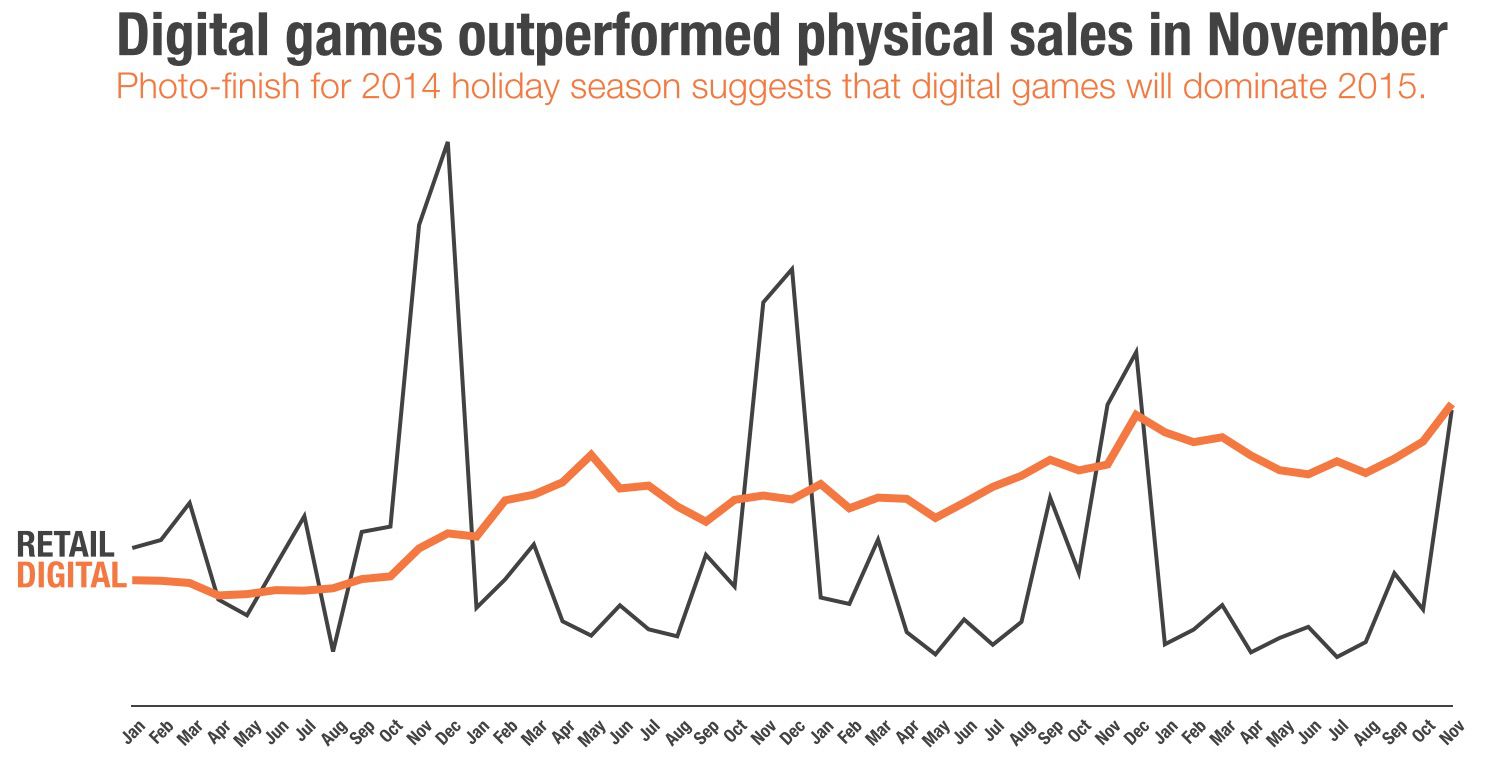
Interactive entertainment has reached a turning point. With games sales at retail in November down by 1 percent year-over-year according to NPD, the stage is set for digital games to claim the most important month of the year. Historically, December is the highest earning month for publishers in the United States, with over 40 percent of annual game software sales occurring during the last two months of the year. But while the numbers at retail disappoint, consumers are increasingly migrating toward digital distribution.

Shown: RETAIL, here defined as “total monthly software sales (PC + console) at retail,” according to NPD and DIGITAL, here defined as “combined total sales among digital game platforms (social, mobile, free-to-play MMO, subscription-based MMO, downloadable PC and digital console)” for the United States for the period January 2011 to November 2014. Digital sales based on transaction-level data collected by SuperData Research among 37 million paying online gamers. For more information on our methodology, please go here.

Photo Finish Suggests Digital Domination

Steadily averaging around a billion in monthly sales in the US, the digital games category is comprised of mobile, social, free-to-play, subscription, PC DLC and digital console sales. Retail sales, on the other hand, are highly seasonal and depend for a large part on the regular release of new hardware. But despite being in the early stage of a new console cycle, so far physical sales have been disappointing, reaching $1.071 billion in November due to a lack of new releases for the next console generation and the aggressive bundling at retail. As retailers tally the numbers for December, the financial industry has been releasing a salvo of early warnings, signaling the imminent release of disappointing figures.

Especially big blockbuster titles are increasingly purchased via digital download on consoles. Based on transaction data collected from over 37 million digital gamers, we were able to calculate that Take-Two Interactive’s hit title Grand Theft Auto V sold around 446,000 digital units in November, thereby exceeding analyst expectations. Since its September release, GTA V has sold around 2.7 million copies in total, or 7 percent of total unit sales, via download. By comparison Activision’s Destiny, which was released exactly a year later, sold 17 percent of total units via digital channels. Arguably the shooter game genre may appeal to an audience that is more likely to purchase via digital download, but it is difficult to dismiss the notion that the purchase preferences of console gamers are changing.

Suffering perhaps the most in this digital transition is specialty retailer GameStop, which will be reporting its 2014 holiday sales on January 13, but has announced it will not host a conference call. Despite unilaterally lowering the price of Activision’s most recent edition of its Call of Duty franchise to $39.99, it is unclear how effective this has been in offsetting the digital migration. More generally, the retailer has recently expanded its offering by acquiring several smaller tech and mobile retail stores to reduce its dependency on game sales.

Overall, games retailers have left the door open for digital distribution and are about to suffer the consequences. Basing our estimates on well over eight years of monthly sales at retail as provided by NPD, it appears that digital game sales are overtaking retail sales during the most important month of the year, during a critical time in the new console cycle. We’ll see what that means for the rest of the year, but digital is off to a strong start.

Go here to learn more about our research on the growing digital games market.

Newzoo/Overwolf December 2014 PC Game Rankings

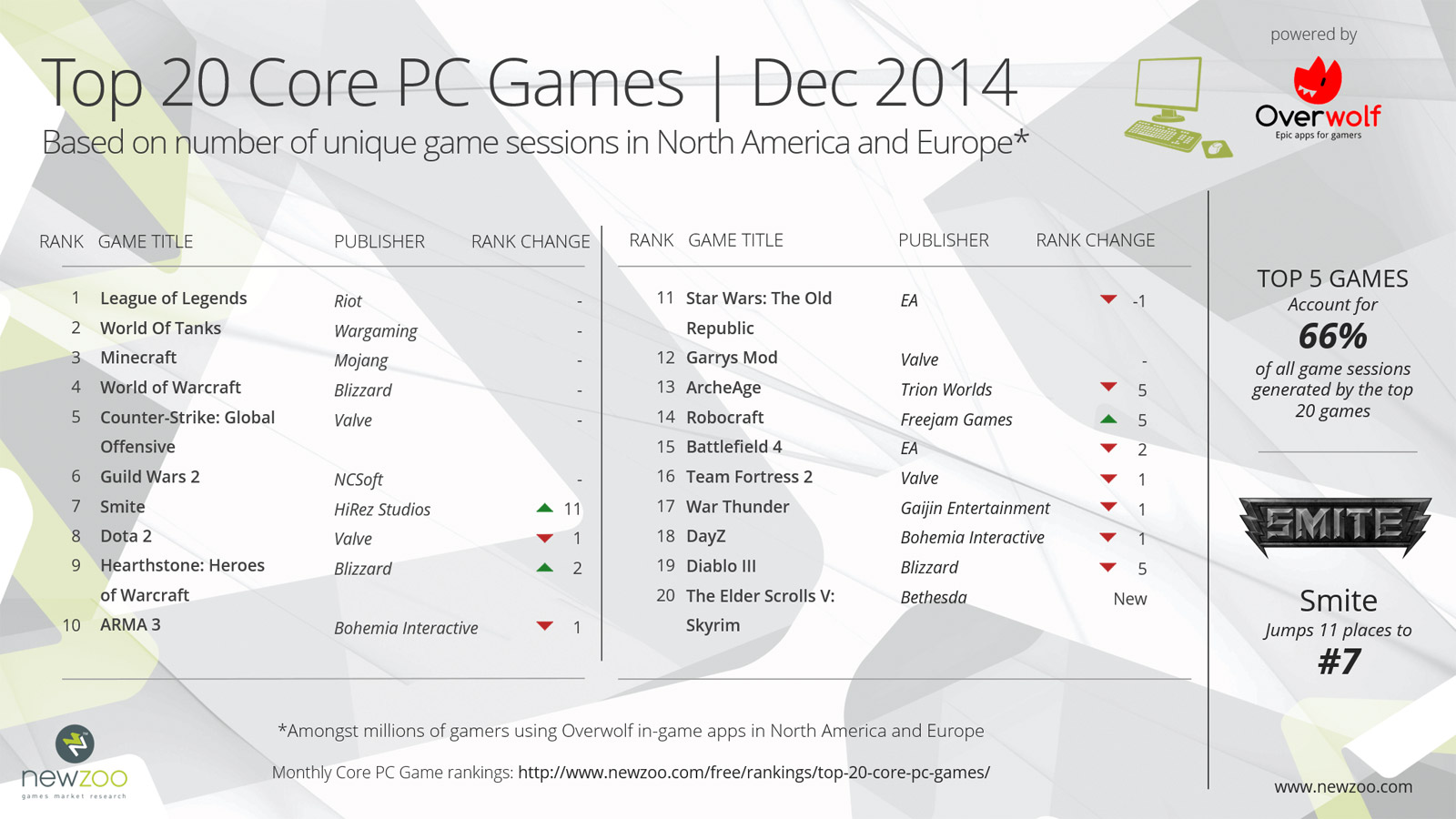
The 20 core PC Game Rankings remain stable at the Summit, with Riot’s League of Legends at Rank 1, followed by Wargaming’s World of Tanks and Mojang’s Minecraft at Rank 3. These three titles have remained Top 3 since we began recording the rankings in April 2014. Blizzard’s World of Warcraft, Valve’s Counter Strike: Global Offensive and NCSoft’s Guild Wars 2 (Rank 4, 5 and 6 respectively) have stayed unchallenged since September 2014. This has given the PC Game Rankings a veneer of relative calm at the top over the past few months — a stability that is now under attack with the arrival of the New Year.

The Power of Smite

In November 2014 HiRez Studio’s Smite entered the Rankings at Number 18. We noted in our November 2014 report the company’s serious investment in the eSports arena, empowered by a substantial investment by Tencent and the crowd funding towards its World Championship prize pool. You can find out more about the eSports economy, audience & trends here.

It’s no surprise then to see Smite smash through the rankings, rising 11 places to take Rank 7, an almost unprecedented rise in the number of unique sessions in just a single month — dethroning DotA 2 as the runner-up MOBA to LoL in the process. HiRez Studios has not only seen their World Championship prize pool risen to become the third largest eSports prize pool in history ($2.5 Million) but registrations for their Xbox Open Beta have officially opened. This is obviously a serious challenge to the overall dominance of League of Legends and DotA 2 in the MOBA space as neither of these titles have (or are currently planning) a console version.

The Clash of Competitive Titles

The top 10 ranking is dominated by titles that are excelling on the competitive gaming front, with three MOBAs in the mix. In the next few weeks we can expect further competition and movement from the eSports titles as Blizzard’s contribution, Heroes of the Storm, will be entering closed beta on January 13. Having been in technical alpha for some time, pundits have seen the title as more casual friendly, with less emphasis on technical skill and complexity. With Blizzard’s powerful branding and strong core player following Heroes of the Storm has as much potential as Smite to upset the current domination of eSports by League of Legends and DotA 2

Blizzard isn’t just waging war on eSports. It’s casual-friendly card game Hearthstone: Heroes of Warcraft has risen 2 places to Rank 8, riding the release success of its most recent expansion Goblins vs. Gnomes. It’s telling that Hearthstone has been not only the only card game title on the Top 20 Rankings, but now ranks in the Top 10.

It isn’t all good news for Blizzard as Diablo III fell another five places to Rank 19 as its player base continues to wait in vain for the long hyped expansion Ruins of Secheron.

Indie Wins, MMORPG Woes

Indie studio Freejam Games’s Robocraft has continued its ascension on the Rankings, rising five places to Rank 14. The title continues to accrue positive reviews on Steam, and recently won . . . Indie Game of the Year‘ on IndieDB.

December 2014 was on the whole a disappointment for MMORPG unique sessions. Despite Blizzard’s World of Warcraft holding steady at Rank 4 other titles did not fare so well, with Trion World’s ArcheAge falling five places to Rank 13. The title has been plagued with problems from the community with everything from its F2P model to its PVP game play. Despite a new expansion EA’s Star Wars: The Old Republic fell 1 place to Rank 11, with War Thunder declining to Rank 17. It’s telling that, possibly pushed by December Sales, Bethesda’s The Elder Scrolls V: Skyrim enters the Ranking at Rank 20 — with their MMO The Elder Scrolls Online nowhere to be seen.

Find more information on the eSports market and audience here.

About Overwolf

Overwolf is a customizable in-game overlay platform that has been installed in over 8 million PCs. This community of hardcore PC gamers are consistently making their own apps within the Overwolf platform and sharing them. Why Because it’s super simple and it enhances the gameplay experience of anyone’s favorite title in a personal way. From in-game chat systems to customized controls, streaming or video capture, Overwolf allows users to implement their own visions into these games and do so in a timely manner.

About Newzoo

Newzoo is the leading global market research firm focused purely on the games market. The company provides its clients with a mix of primary consumer research, transactional data and financial analysis across all continents, screens and business models. It is also known for actively sharing a variety of insights by means of free trend reports, infographics, blogposts and monthly rankings. Newzoo’s clients include Tencent, SEGA, Logitech, Wizards of the Coast, Nvidia, Microsoft, EA, Coca-Cola and Visa/PlaySpan.

This Is The Formula for Mobile Game Success. Seriously.

For those of you who attended our [a]list summit on mobile marketing last month, you had the opportunity to hear Andrew Stalbow, the co-founder and CEO of mobile game startup Seriously, speak about his belief in the huge potential for the mobile games space (second from the left in the picture above). In a blog post this morning, he gave an update which shows that his company’s first game, the puzzle adventure Best Fiends, is generating $50k per day just 10 weeks after launch, all without the backing of a traditional publisher. This comes from a startup with only 13 employees and an unknown IP and in a highly competitive app market. So how they do that There some strategic lessons in entrepreneurship and modern day marketing we can learn from highly successful mobile game startups

1. It’s all about the team.

While you might not have heard of mobile games startups like Seriously, Super Evil Megacorp, SGN and Next Games, they are all founded and run by gaming and social networking veterans, many with successful previous exits and experience from well-known companies such as EA, MySpace, Rovio and Supercell. In Seriously’s case, the first hires have backgrounds in top roles at Natural Motion, Rovio, Disney and Remedy. They have learned the biz on someone else’s dime and now bring that know-how to these startups where they also have the opportunity for a nice upside if the company and its games take off while keeping a fairly low overhead.

2. Come packing with a war chest of cash.

Most of these companies are well funded and they understand the importance of going big right out of the starting gate. They spend a lot of money on sophisticated user acquisition as well as smart marketing (using influencers and CE-partnerships, key art, trailers, music and graphics). For example, check out Seriously’s influencer campaign with the world’s biggest YouTuber PewDiePie or the behind-the-scenes video with Despicable Me music composer as he conducts as 68-piece live orchestra for the score to score their new game below.


3. Understand that dumb app downloads are worthless.

So the game has to be good, or in industry-speak, deliver user retention as well as monetization. While a “good game” is as much art and it is science, there are innovative ways of using marketing tactics that you can use to make the game more social. For example, for players of Best Fiends who log into Facebook, they enable people to see how they are faring against friends on a visually-appealing 3-D map, which has helped to push retention rates to 70 percent on day one and over 45 percent by day seven — high metrics by industry standards.

As mobile games revenues are expected to trump console game revenues this year, it will be an interesting space to watch as these fairly new companies are growing quickly and scooping up more and more talent hungry to innovate and win big.


Rumble Entertainment Aims for Engagement

There have been a large number of game startups in the past five years, most of them focusing on mobile games. One company that’s taken a somewhat different road is Rumble Entertainment, headed by EA veteran Greg Richardson. The company has found success in building a cross-platform action RPG, KingsRoad, that’s been keeping players engaged in the browser, on Facebook and now on mobile platforms.

The [a]listdaily sat down for a long conversation with Richardson about Rumble Entertainment’s evolution and where then entire game industry is headed. Richardson’s perspective as a veteran of console, social, and now mobile games gives him a wide view of where the industry has been and where it might be headed.

Greg Richardson

How have things been changing for Rumble Entertainment this last year?

2014 has really been about getting to mobile for us. The second piece of news is learning what it takes to build games that are going to last for years and years. KingsRoad we launched into beta in 2013, and we lifted the beta moniker at the very beginning of this year and went into live ops and creating a very high cadence of new content and running events. We’ve really been able to build a nice business there, and we’re really proud of the long-term veteran engagement. We get the vast majority of our engaged veterans playing month after month. That’s really exciting for us because that’s what we set out to do.

What do you see as the most important trends in mobile gaming for 2015?

One of the things that was implied in what you were saying is that the world is quickly moving toward people designing and investing in games that they believe players can play in for four or five years, as opposed to four or five months which I believe characterized the majority of the intention of free-to-play mobile games over the last four or five years.

If you can come up with a game that engages people for a long time, that’s both more profitable and much more satisfying to players.

That last point’s really important. Think about it from the player’s perspective. If they’re constantly getting their interest piqued to play a game that looks really exciting and that they enjoy for a week or two and then leave behind, not only does it mute their desire to try anything new going forward but they just generally get a fatigue. It’s like trying out a bunch of new restaurants, going once or twice and never going back again, it becomes a frustrating exercise. Whereas if you find something you love, it can become part of your life. It becomes a hobby, a passion, a sport, a group, a club you join. That’s really where you’re enriching people. That’s really where the opportunity of games as a service and free-to-play can evolve from the limited experiences we were creating on consoles and PC packaged goods games.

That’s a good way to look at it. You want to create something that becomes part of someone’s life, and it has to be worthy of that. It’s not just a throwaway piece of entertainment.

That’s true. What really separates the game experiences that are capable of becoming part of someone’s life is connecting them with other people that they really enjoy playing with, seeing and interacting with. So the social aspect is absolutely essential. We’re really excited because KingsRoad, after a long labor of getting the game to be a great ground-up mobile experience, it’s finally going to launch on tablets. One of the things that we’re excited about, you kind of hinted at but really didn’t call it out in your article, is that not only is it going to be the first full-blown action roleplaying game to hit mobile devices.

That’s in line with your notion that console and PC games are coming to mobile. But it’s also synchronous multiplayer, and it’s a full world with lots of other players, and you can play in real time with other players. That’s the next dimension that people haven’t broken into with mobile here in the West, which I think is really exciting. You saw Vainglory do that, and look at the number of users they’ve got on a daily basis. It’s something we’ve done to build long-term social glue for the players on Facebook, which is to bring synchronous multiplayer to that system, and now we’re doing it on mobile. I think it’s a real catalyst for this kind of three-to-four-year plus game cycle.

To me, as you have a broader audience available to you, they’re not focused on the platform the way a hardcore console gamer is. The general audience just wants to play the game where they are with what they have, and they don’t really care what brand of tablet, computer, or console it is. They just want to play it wherever they are, and get the experience.

That’s exactly right. You’ve hit on something that I think very few writers and reporters ever note, because you get so caught up into the inside baseball of the industry you can lose sight of the player’s perspective. Somehow I think the game industry believes it’s not held by the same rules that those individuals take to consume movies, music, or books. It’s exactly as you described. I want it to be with me wherever I am, I want it to work correctly, and I want it to be incredibly engaging and fun.

We’re one of the few people that still believe you want to deliver games cross-platform. You’ve seen companies release games on Facebook and then come back and release the game on mobile, but they’re not the same game and it’s not a shared experience. You’ve heard a lot of other people running away from the PC, but the truth is there’s still billions of people using PCs every day, and there’s still billions of people using televisions every day. Now we’ve added mobile devices, but it hasn’t meant that people aren’t watching TV any more or they’re not working on their PCs.

When KingsRoad launches on mobile, it’s fully synchronized and playable across PC and mobile devices. So you can be on your phone — we haven’t launched it yet, but it’s coming in early 2015 — and Evan can be on his tablet, and I can be on a PC, and the three of us can be running on a map together.

See the rest of this interview with Greg Richardson tomorrow on [a]listdaily.