7 Game Studios That Can Shape 2015

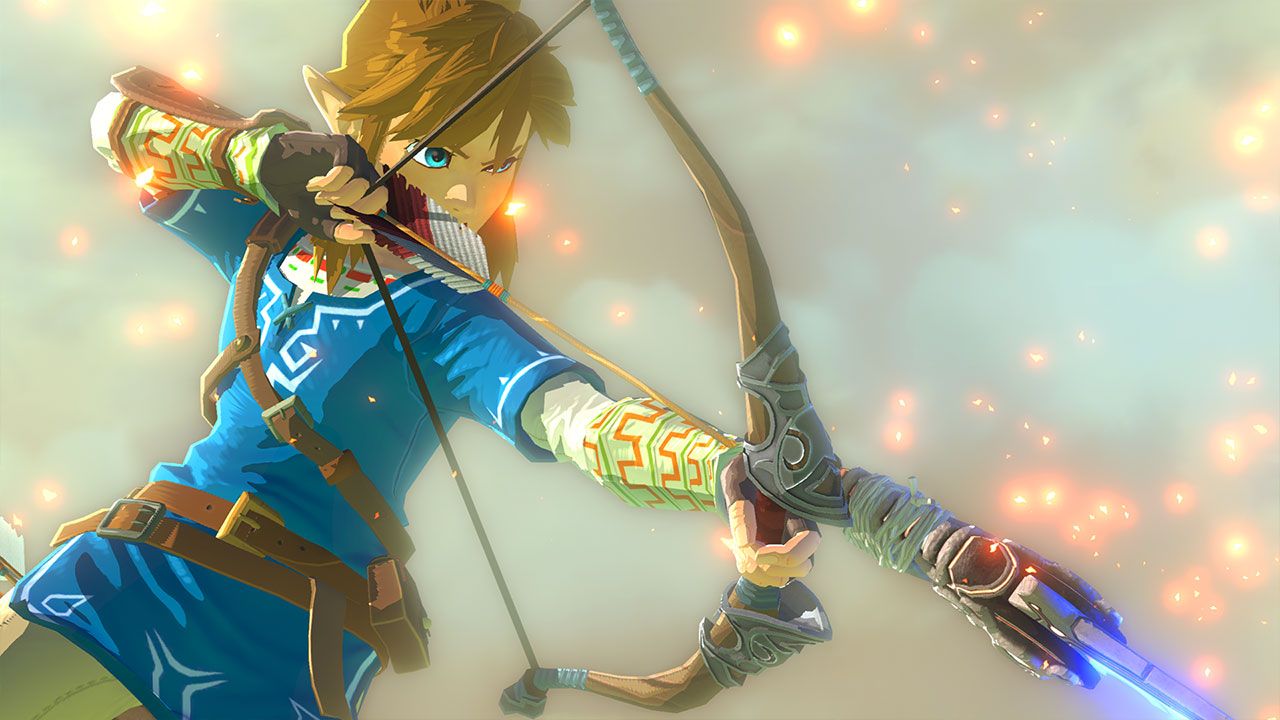
Last year was a triumphant one for video games, not only in terms of sales but also content, between revamps of older favorites like Grand Theft Auto V and The Last of Us; long-awaited sequels to Bayonetta and Super Smash Bros.; and emerging new favorites like Middle-Earth: Shadow of Mordor and Call of Duty: Advanced Warfare.

That said, 2015’s gaming year looks to be even bigger, with the arrival of several highly anticipated projects, as well as new ones like The Order: 1886 and Bloodborne that could turn a profit, along with a few heads.

Here now are some studios to keep an eye on for this year, as they’re likely to end up the real winners of the game industry once 2015 is finished:

Naughty Dog Studios

Naughty Dog has been around for over 30 years now, although this year could be its biggest yet with the arrival of Uncharted 4: A Thief’s End on PlayStation 4. First featured last year at the PlayStation Experience, the game truly impressed with over 15 minutes of gameplay footage. No doubt this game will be a real star as the year goes on, and yet another notch in Naughty Dog’s impressive library of titles.

Yacht Club Games

This studio made an impressive debut last year with its KickStarter-funded old-school platformer Shovel Knight, a game that has racked up its fair share of Game of the Year awards. However, 2015 should give the studio even more exposure, as the game will be headed to PlayStation platforms very soon – complete with an appearance by Kratos from the God of War series. This will help push the game’s sales even further, and perhaps even inspire the team to work on a sequel. We can, ahem, dig it.

Black Tusk Studios

Even though we’re not likely to see the release of a new Gears of War title this year, Microsoft will probably make some sort of announcement revolving the latest title in the third-person action series, which has been quite popular on the Xbox 360 platform. This will give a new studio, Black Tusk Studios, the chance to show what it can do with the franchise, backed by the power of Microsoft’s Xbox One console. Who knows – we may even see something along the lines of Halo, with an HD collection of the previous games first, followed by an entirely new release.

Rocksteady Studios

https://youtube.com/watch?v=rLgEXqZ6MY0

Rocksteady has already made a name for itself by producing two of the best comic book-licensed games ever made, Batman: Arkham Asylum and Batman: Arkham City. This year, it’ll wrap up the Dark Knight saga in style with the release of Batman: Arkham Knight, which arrives for Xbox One, PlayStation 4 and PC this June. The title will no doubt impress fans of the Bat, with the ability to cruise around town in the Batmobile or lay waste to enemies with good old-fashioned survival tactics and combat. Plus, there’s the foreboding Arkham Knight, a foe that Batman himself may have trouble defeating. This will no doubt be a huge release this year…

Techland

The creators of the Dead Island series are no strangers to fast-paced zombie action, but this month’s release of Dying Light looks to take that up a few notches, with fast-paced action mixed with parkour antics to make the genre even more stylish. Light also includes some innovative create-your-own weaponry tactics, so players can experiment with different tools to take out their adversaries, alive or dead. This could be one of the year’s bigger gaming surprises – and a huge push forward for this development team.

CD Projekt Red

A small studio located in Warsaw, CD Projekt Red has been making slow but steady progress in the game industry with its adventurous Witcher games, including The Witcher 2, which made an impressive impact on both PC and Xbox 360. However, with the forthcoming The Witcher III: Wild Hunt, the team looks to take things to a new level, with an even bigger world to explore, a wide assortment of weaponry, and plenty of role-playing tactics and combat that audiences will thoroughly enjoy. It’ll certainly be time to Hunt when The Witcher III arrives this May for Xbox One, PlayStation 4 and PC.

NetherRealm Studios

Finally, the team that brought the Mortal Kombat series to life (only to have its combatants slaughter each other in bloody fights) has returned, taking the series into the near future with a number of new and returning combatants. The visual style in Mortal Kombat X looks superb, even deeper than the previous release in the series, and the gameplay features more variety, with a number of styles to choose from for each combatant. Even if the new fatalities may be tough to stomach (they’re not for the squeamish), Mortal Kombat X will no doubt push NetherRealm to new heights when it arrives this April. Fight!
 

The Importance of CES 2015 For Marketers

You might be thinking that the Consumer Electronics Show is all about, well, consumer electronics. You’d only be partly right, because the CES is show is of great importance to marketers — both directly and indirectly. The show provides a wealth of data about consumers and the latest technologies that are aiming at them, the hot trends in devices and software, as well as the latest marketing techniques, PR strategies, booth designs, and advertising. Not only that, the CES show provides an amazing opportunity to reach a huge audience, if you have the right announcement or event planned.

A perfect example of the confluence between making use of CES as a media opportunity, and the latest trends in consumer electronics and media, is the joint announcement by Havas and Universal Music. The pair are launching the Global Music Data Alliance, which they hope will create new revenue streams by mining the data provided by consumer behavior around Universal’s artists.

Yannick Bolloré, chairman of Universal Music’s parent company Vivendi, said in a statement that “This Global Music Data Alliance will allow our clients and other brands to further expand their common passion for music with fans, and create deeper experiences for them.” It’s an important announcement because Universal is the world’s biggest music producer, with artists such as Taylor Swift, Lady Gaga, Adele, Elton John, Katy Perry, Pearl Jam and U2.

“We want to continue to find new revenue and marketing opportunities for all of our artists by . . . supercharging our efforts to realize previously untapped revenues from consumer brands and other new business partners,” said Universal Music CEO Lucian Grainge. Universal already has the Artist Portal, which tracks music and video sales, streaming, social media, airplay, merchandising and tcket sales. The new alliance will use Havas’ behavioral data to find new marketing opportunities for brands and artists.

Of course, this is being launched at CES with a cocktail party where Universal artist Nick Jonas will perform live. This will, of course, ensure plenty of media coverage . . . who wouldn’t want to use footage like that to illustrate a piece on CES It’s a great example of using the marketing opportunities the show affords.

The marketing opportunities aren’t lost on other companies, as the Wall Street Journal notes. “It’s also about marketing and media,” notes Jack Marshall. “Brands, agencies, advertisers, communications firms, Internet services and even publishers increasingly regard the confab as a must-attend event. It’s a place to learn more about technologies that might alter how they interact with and market to consumers.”

The show is an important place for advertising and marketing agencies to see the latest in the digital landscape — which is why the Ayzenberg Group is attending, among others. Brands and marketers need to be using the latest technologies and media to reach customers, or risk being left behind, and savvy agencies need to be there as well — if not a little bit ahead.

As an example, writes Marshall, Kraft is sending some 50 of its marketers to CES, according to Bob Rupczynski, the company’s vice president of media, data, and customer relationship management. “Other major brands in attendance will include Subway, Coca-Cola, Mondelez, Unilever, Jaguar, Land Rover and Bacardi,” notes Marshall.

The show atrracts some 160,000 attendees overall from around the world, and over the last three years CES has drawn in excess of 30,000 attendees each year from advertising, content, and entertainment communities. “It’s become a tent pole event for those in marketing, advertising and media, and this is the biggest year yet,” said Michael Kassan, CEO of consultancy Medialink, which will spend the week giving tours of the show to marketers and arranging meetings between marketers and media and technology companies. According to Mr. Kassan, it’s becoming increasingly important for marketers and brands to develop relationships with technology companies in order to understand how new innovations might impact their businesses, and CES is the perfect place to start.

CES itself is not unaware of its utility for marketers, and is working to take advantage of it by providing a space dedicated to marketers and digital media companies. The “C Space” portion of the exhibition is designed to “tell the story of how content, creativity, technology, brand marketing, influencers and the consumer come together as part of the CES universe,” CES said in a statement. “Over the course of the week it will feature presentations from executives at major media and marketing companies including Google, Twitter, Yahoo, Havas, Amazon Media Group, NBC Universal, and others,” writes Marshall.

Marketers who are at CES should be taking note of the hottest technologies that are appearing all over the show — that’s how you know what’s likely to be important in the coming year. It’s pretty obvious that 4K TV is the next big thing in consumer displays, and the only questions how fast it is adopted. Another major trend is the continuing adoption of Android TV as the driving force behind major brand TVs, as it’s being built right in to Sony and LG TVs, while Samsung is building in its Tizen operating system. This will lead to even more gaming as games appear directly on TVs without the need for a console. It will be more and more difficult to buy a TV without smarts, as it becomes cheaper than ever to build in an operating system and some processors — and app stores and streaming functions, providing new revenue opportunities for TV makers and game companies.

Of course, often what’s important to note at CES (as at other major shows) is what’s not at the show. This year, one interesting omission is the Steam Box, which was all over CES last year but seems to have cooled down considerably this year. Where’s 3D TV, the favored technology for several years at CES has run its course, with no interest from consumers and a decreasing amount of new content.

The area that’s really heating up is the really mobile market — cars. Several companies are working to bring the latest in mobile tech into cars, without having to wait for consumers to buy a new vehicle or carmakers to slowly improve the available electronics. Apple and Google are both working with carmakers to make it easy to upgrade your electronics in a car from year to year, as you upgrade the rest of your mobile devices. We’ll be seeing more screens in cars, more connectivity — and more opportunities for marketers to be there, too. Inside the vehicle is a place where Americans spend a good deal of time, and there’s plenty of opportunities cropping up in that space for advertising and marketing.

Yahoo’s Big Move To Snag Mobile Ad Dollars From Google and Facebook

Yahoo, the search giant known for its ambitious endeavors under current CEO Marissa Mayer, is planning on expanding its mobile reach to compete directly with Facebook and Google.

Fresh off their July acquisition of in-app ad analytics platform Flurry and Q3 2014 move to separately report revenues from mobile ads, Yahoo now plans to take mobile ads beyond their own network, allowing them to serve as a competitive ad platform on numerous third-party sites and services.

It’s expected that Yahoo’s native ads — called Stream Ads — will be served through Yahoo Recommends, carrying on from their August move to expand Recommends’ reach to third-party websites.

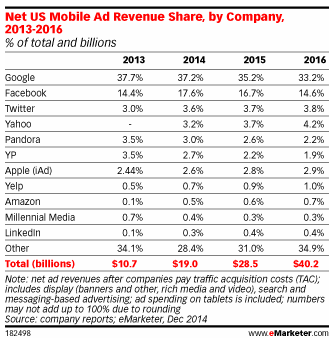
Yahoo’s new strategy appears to be paying dividends already, as a December eMarketer report projects them passing Twitter to take third place in the American mobile ad market with 3.7 percent share this year. Though that figure is still a far cry from Google‘s 37.2 percent and Facebook‘s 17.6 percent, respectively, it is still impressive and encouraging news for a company looking to reclaim its old perch atop its industry.


Further plans for Yahoo’s mobile ad growth include a decision to give advertisers more latitude to expand their reach with bundled ad campaigns across multiple Yahoo properties, facilitated with help from Yahoo Gemini and their recent acquisition of video ad leader Brightroll.

Though they still have a ways to go, Yahoo has made it abundantly clear that they are not a company to be counted out in the world of mobile, something marketers will certainly note when selecting a network for their advertisements.

What’s On Display At CES and What It Means To The Game Industry This Year

The Consumer Electronics Show is a massive show of everything in any way related to consumer technology, and every year we get a glimpse of the new technologies that will shape our lives — and our businesses. There are a number of interesting new devices, technologies and services being announced this week at CES, and many of them affect the gaming industry either directly or indirectly. The [a]listdaily takes a look at what’s on display at CES and what it means to the game industry this year.

There’s plenty of new versions of old technology putting in an appearance in Las Vegas, as well as a few surprises. We can expect some of the products announced to never actually make it to market, some to appear and not sell very well, and a precious few to go on and become major sellers or harbingers of entirely new market segments. It’s this element of chance that brings people to Las Vegas every year, and we’re not talking about the casinos. Fortunes are made or lost on the CES show floor every year, so let’s take a look at some of the big bets being placed in 2015.

4K Is Rolling Out

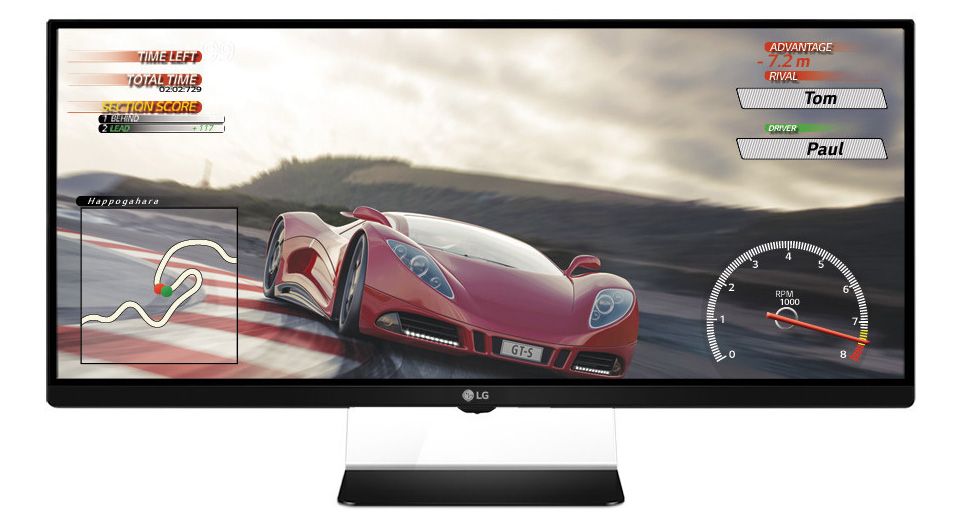
The next big thing in displays is higher resolution, and it’s coming to displays of all sizes — from smartphones to tablets to laptops to monitors and to TV screens. The trend appears unstoppable, as every major manufacturer is showing off 4K or UHD displays, and some are even displaying prototypes of 8K displays. The technology is becoming standard on smartphones and tablets, and it’s quickly reaching notebook and laptop computers. The bigger news for gaming is that 4K monitors are rapidly dropping in price and gaining significant features, such as 60Hz or greater speeds (for fast-moving games), sync lock to eliminate screen tearing (both Nvidia and AMD have released this for their new graphics cards, and display makers are building it in to some displays), and even curved screens with wide aspect ratios.

The action is getting even hotter on TV screens, as makers like Sony, Samsung, Vizio and LG bid to offer 4K resolution in screens of all sizes, with prices ranging from less than a thousand dollars to north of $10,000. Still, content creation and distribution for 4K is lagging behind the displays themselves, though Amazon and Netflix are offering 4K streams (if you have enough bandwidth), and several companies are working on higher-capacity Blu-Ray discs or other distribution ideas for 4K video.

So far, though, even the newest consoles (the Xbox One and PlayStation 4) aren’t capable of generating a 4K signal, though that may be possible at some point in the future. (Perhaps a future console revision, if the format becomes popular enough ) The gaming action for 4K is first going to take place on PCs, as some game makers are already offering 4K display modes (such as the recently released Elite: Dangerous). Gamers will need to spend something more than $600 or so on a 4K monitor, and probably at least that much on a graphics card, to get a good 4K gaming experience. As in the past, though, the price of these new display technologies will quickly drop, and 4K gaming on a PC should become more common in the next year or two among the most motivated gamers.

New Chips Promise Better Mobile Games

Mobile gaming continues to advance in graphics power, as both Nvidia and Intel showed off their latest chips to eager crowds at CES. Nvidia rolled out its latest Tegra chip, the Tegra X1, which the company said possesses a teraflop of processing power — a mark that supercomputers were boasting about little more than a decade ago. Nvidia claimed that the Tegra X1, which combines an 8-core 64-bit CPU with 256 GPU cores, is more than twice as fast as Apple’s latest A8X chip at some graphics functions. The Epic Games’ “elemental” demo, developed to show off high-end PC graphics cards in 2012, was shown running on a Tegra X1 — with just a fraction of the power required for a PC graphics card.

Intel wasn’t about to be outdone in the processor department, as the company is racing to catch up with the fast-moving mobile market that is now dominating personal computing. Intel’s Broadwell chips are finally shipping, using a 14nm process technology that puts more than 1.3 billion circuits on a tiny chip. The Broadwell chips promise battery life improvements of between 20 percent and 30 percent over the latest Haswell chips, so that a 15W Broadwell chip will last 90 minutes longer than its predecessor when playing video. 3D graphics have improved by 22 percent, while video encoding has been improved by over 50 percent. The net result is notebooks and tablets that can last longer and display better graphics faster, making Windows more mobile than ever — and thus PC gaming more mobile than ever before.

Virtual Reality Gets More Real

So far at CES we’ve been treated to a number of interesting extensions of VR technology, but we haven’t yet heard from either Sony or Oculus about product introductions in the near future. Still, we have an interesting controller (the 3DRudder) for VR, letting you use your feet to move around a virtual world. Perhaps even better for VR users, the clever folks at Leap Motion have introduced a way to quickly switch from VR to seeing the world outside the googles, so you can interact with the real world when you need to without struggling to take off your VR headset.

The sleek and clever Avegant headphone-like wearable display has finally been given an arrival date, and you’ll be able to acquire one this fall. It’s not exactly VR, but it does look pretty darn cool — plus you can watch and listen to whatever video you want without anyone else intruding or spying.

Wearables Open Up A New World Of Interaction At Disney Parks

Anyone who’s visited the Walt Disney World Resort in Orlando, Florida recently and stayed in any of the 25 Disney Resort hotels has already experienced the future of theme parks with Magic Bands. Guests who don’t stay at the Disney resort can also get in on the action by purchasing a $13 RFID-enabled wrist band and downloading the free My Disney Experience app. Together, this technology has opened up a whole new world of interaction.

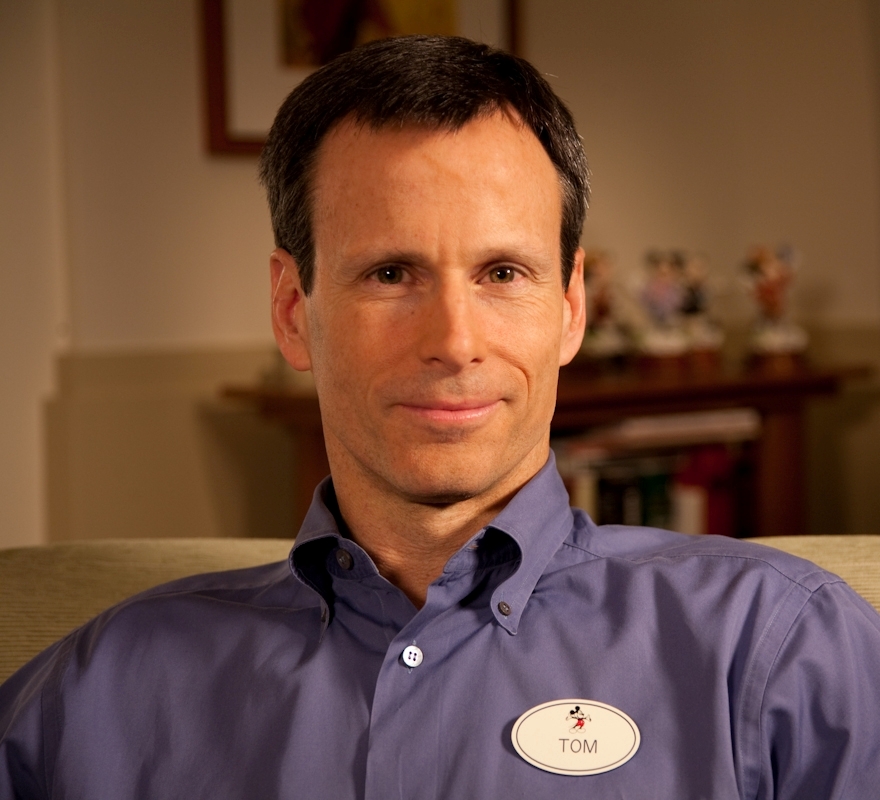
Tom Staggs, Chairmain of Walt Disney Parks and Resorts
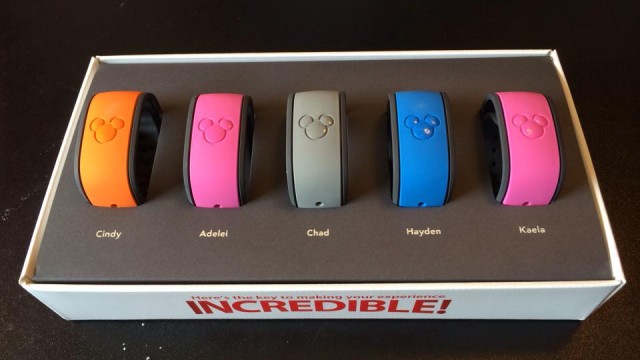
From the moment a guest makes their reservation for a Disney hotel, they can log onto their My Disney Experience and choose the color and name for their Magic Band. Those bands will arrive in the mail and can be programmed via smartphone, tablet or laptop before entering the park, or during one’s time at the Magic Kingdom on-the-fly. They even expedite the process when landing at Orlando International Airport, doing away with all papers and allowing a quick scan to get onto the Disney Magical Express bus to the hotel. Once at the hotel, the bands become a room key, virtual wallet and theme park tickets. It makes the entire vacation experience more streamlined and fun, and gives Disney a huge heads up over competing Florida theme parks like Universal Studios, LEGOLAND and Sea World.

“My Magic+ was about investing in a core experience for our guests,” said Tom Staggs, chairman of Walt Disney Parks and Resorts. “What drove this initiative was a comprehensive view of what our guest experience was and how to make it better. We’re hearing from our guests that we’ve accomplished that, as the system is meaningfully enhancing their experience at the parks. That’s what drives this business.”

After testing the system for months with guests, the old turnstiles have been permanently removed and replaced by the futuristic-looking Magic Band kiosks. Guests simply scan their band and enter the park when the green Mickey Mouse outline lights up.

“The Magic Bands are a fun and popular form factor,” said Staggs. “We’re leveraging new technology and then making it disappear to make it as magical as possible. If we get the technology out of the way, then the guests can immerse themselves more and interact more with their loved ones at our parks.”

Staggs said this system was designed to evolve, even as our guest experiences evolve. Walt Disney Imagineers are already dreaming up new ways to add interactivity to attractions that are being designed.

“As I meet with the Imagineering teams about some things we’re installing down the road, My Magic+ is already an integral part of our design process for our guests to connect the virtual and physical worlds we’re creating,” said Staggs. “It’s allowing guests to stay connected with our parks pre and post visit. You saw tiny inkling of that with Disney Infinity game with the Easter Egg gameplay that opens up when you put the Magic Band on the game port. We’re just scratching the surface of what can be done. We can’t just go on novelty. We need to figure out how to connect the virtual and real worlds together.”

Staggs said technology has given Disney the ability to have its guests opt into activities like the real-life role-playing game Sorcerers of the Magic Kingdom at Disney World and take on even deeper story and more immersive roles in the parks. He added that Disney is just at the beginning of how to take advantage of that opportunity.

“If you set out to use a specific technology and then try to figure out how to use it, that’s upside down,” said Staggs.”First you need to know the experience you’re after and then find what technology can get that end experience. We’re already thinking about the My Magic+ platform installed in Disney World, and I think the technology will continue to evolve.”

On the wearable side with Magic Bands Staggs noted that Disney is in Gen 1, broadly speaking, and there are real evolving consumer desires and needs that can be served, including mobile connectivity.

“Some guests are using smartphones, while other parts may be enabled by more convenient form factors,” said Staggs. “We’re looking at different things to work into enhancing our experiences. We didn’t get into this to sell Magic Bands.”

The move into upgrading Disney World is something unique for the company, which traditionally has invested capital in things like new attractions or new hotels.

“When you think about our business, we’re well known for Cinderella’s Castle and Mad Tea Party and Thunder Mountain, but at end of the day that doesn’t represent all of our products with Disney Cruise Line or Adventures by Disney,” said Staggs.”We think about ourselves as being in the experience business. When we’re putting capital into something, it’s a new ship or a new attraction. But the genesis of this is rooted in the overall recognition by the company several years ago that technology could elevate the guest experience.”

The evolution of smartphones, tablets and now mobile payment technology have also changed the dynamics of guests inside Disney parks, allowing Disney to decrease transaction time and friction.

“With My Magic+ we’ve achieved one of our core goals, which was to take cast members out of a transaction mode and put them into an interaction mode,” said Staggs. “They become heads up experiences with them helping guests personalize and enhance their experience. We can make our cast more effective at driving the experience. The cast is training us as they find ways to do their jobs better and we’re adapting to that and capitalizing on that.”

Disney employed similar RFID technology across all four Disney Cruise Line ships. These Oceaneer Bands are used for the kids clubs and are used for check-in at the kids program and for on-board Youth Activities programming.

“Disney cruise ships have kids clubs where the entire ship can be enabled with this technology in ways that we haven’t seen before like interactive games that can played throughout the ship,” said Staggs. “These tools can enhance that experience and get guests more immersed in the game. Technology allows for a seamless facilitation and a more magical experience for kids as well as parents.”

With a new Avatar Land in development for Disney Animal Kingdom and new Star Wars attractions in the works, RFID should forever change the way guests interact and engage at Walt Disney World.

The Game Industry In 2015

Once again, the new year looms as a vast cloud of uncertainty. The only thing we can really be sure of is that something will surprise us during the year. Still, the [a]listdaily takes a shot at prognostication, in hopes of providing food for thought and later in the year, a few laughs at just how far off these predictions.

Consoles
Sony will continue to lead Microsoft worldwide, but the fight between the two for sales leadership in console hardware will benefit consumers. We will see more price cutting on both the Xbox One and the PS4 before the end of the year. Expect to see one or both of the consoles available for $299 or even less before the end of the year, although that may be a sale price. Bundled software will continue to be a preferred method to add value to console packages without reducing the price.

Nintendo will stick to its current strategy for much of the year, trusting that the cumulative effect of strong Wii U releases will bolster sales of the console. Ultimately, though, as the PS4 and Xbox One approach and then undercut the current Wii U pricing, Nintendo will reduce the price of the Wii U console — and possibly make an improvement or two in the process. We’ll learn more about the company’s “Quality of Life” initiative, but it won’t be of particular interest to the gaming market. The company will have a big hit with its new Zelda title, which will boost Wii U sales.

The microconsole market will heat up, as Google’s Android TV gets some push from a variety of hardware makers. Amazon will continue to improve the Fire TV offerings, and possibly the hardware this year will see a revision as well. This may be the year Apple finally introduces the Apple TV we have been waiting for, with an app store and powerful gaming capabilities.

Console games will continue to demonstrate the graphics capabilities of the consoles, but revolutionary new game mechanics will be harder to find. Most of the top console games for 2015 will also have versions on older consoles, which says something about just how innovative the new hardware really is.

Halo 5 will be a big hit for the fall. Call of Duty will continue to experience a lower sales year than the previous year, but it will still be one of the top sellers for the year. Evolve will be an early success for the year.

Mobile
Mobile games will continue to compete on better graphics, but the big winners will be the ones that combine a quality look with an intensely engaging experience. The top ten grossing titles will be fairly stable again, with only a handful of new titles able to break in. Established companies will leverage their existing audience to more success with variants of previous hits, as Candy Crush Soda Saga demonstrates.

We will see more experimentation with monetization as publishers strive to find the most profitable ways to present mobile games. Some games will be successful with upfront charges, and the fact that Minecraft Pocket Edition was the top-grossing iOS game on Christmas day will not be a unique situation.

PC
Despite the continuing struggles of the PC market, gamers will continue to embrace the platform and its games. The growth of eSports will continue, with more games sharing the limelight at competitions that will increasingly see larger prizes. China will become a fast-growing market for Western publishers as their online titles like FIFA Online and Call of Duty Online pull in large audiences, and more of the top Western PC games will find a way into China.

We will see more games offering a 4K mode, as ultra-high resolution 4K monitors get a little cheaper during the year, and graphics cards that can drive them will drop into more affordable price ranges. Virtual reality and augmented reality devices will be offered to consumers for PCs, but adoption will be slow because of the hardware requirements and the scarcity of compelling apps.

Companies
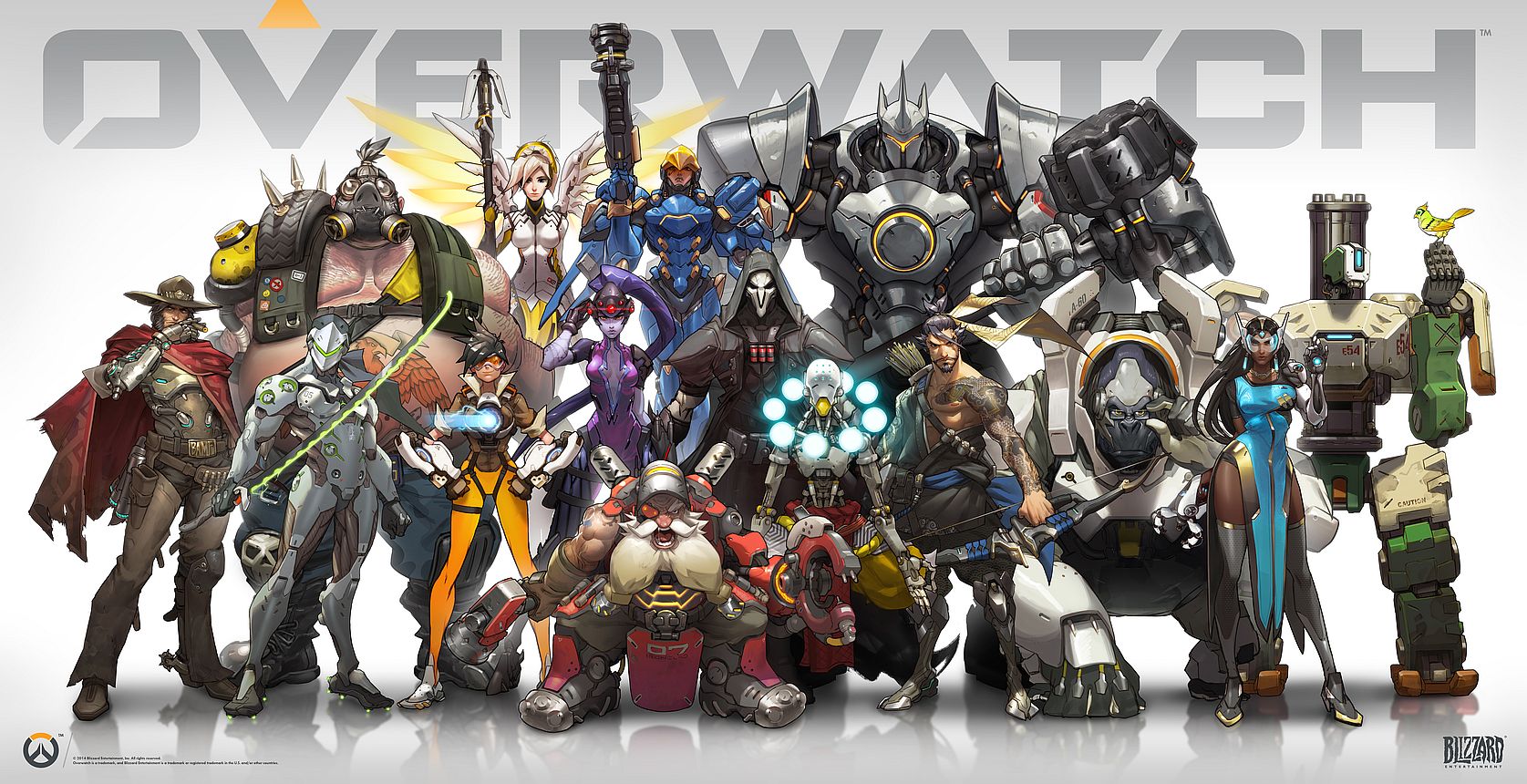
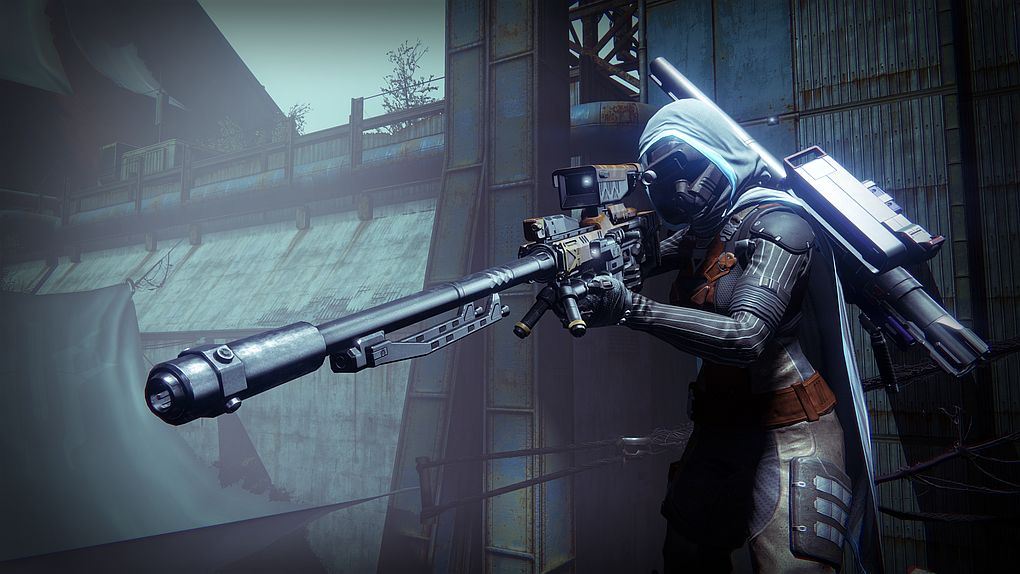
Major publishers will continue to grow, but not at the rate of more nimble competitors who are focused on mobile and digital markets. Activision will have a good year as Destiny overcomes its early issues with a series of content releases, and the company’s other franchises (Call of Duty and Skylanders) do well, though more marketing efforts will be required to make that happen. Blizzard will have a strong year as Heroes of the Storm and Overwatch join Hearthstone in attracting big audiences, and World of Warcraft will hold onto its subscriber boost from Warlords of Draenor longer than previous expansions.

Electronic Arts will see good numbers for Battlefield Hardline after its delay, but the company’s fortunes will really be helped or hurt by the fate of its sports titles. While FIFA and Madden have performed well, the NBA and NHL titles had a rocky year in 2014, and it remains to be seen if those franchises can perform at the level they should be able to reach.

TakeTwo will have some strong hits like Evolve, but the continuing boost of Grand Theft Auto V will be the big performer for the company in 2015. Ubisoft has a strong lineup for 2015, but the company will have to work hard to bring its titles in on schedule at the desired quality level to really achieve its goals.

More companies will be joining the billion-dollar revenue club in 2015, led by Riot Games and Wargaming, along with Supercell and possibly Machine Zone. Zynga hopes to return to that status, but it will need to introduce some very strong new titles to reach that level. We’ll see a greater number of mobile game companies achieving billion-dollar status or close to it, as more gaming revenue than ever before is generated by mobile games.

Overall
It will be a great year for gaming, with the industry overall growing strongly. There will be the usual delays, a surprising dud or two, and an unexpected hit or three to make things lively. We’ll see several billion-dollar-plus acquisitions or investments during the year, and capital will continue to flow into the industry to take advantage of the strong growth opportunities.

Los Angeles Is Digital Content’s New Epicenter

You might have heard the news by now, be it from Ad Age or someone else: Los Angeles, California’s largest city, is poised to usher its reputation as a source of inspiration and rebirth for countless generations into the 21st century by staking its claim as the new nexus of digital content creation.

For several decades, Los Angeles has been viewed as playing second fiddle to the whiz kids up north in the Silicon Valley and San Francisco when it comes to all things digital, content to maintain its reputation as a hotspot for more “traditional” content. Now that digital is an everyday component of consumers’ lives outpacing television, however, L.A. is looking to offer techies something they can do better than the Bay Area: Unique, original content.

“It’s really becoming a hotbed for creativity in all its forms,” says Pepsi global chief marketing officer Kristin Patrick. Indeed, companies from Apple to Red Bull are flocking to the City of Angels in droves, hiring local talent and setting up shop with an eye toward the city’s renaissance.

Hollywood might still run this city, but this isn’t your Grandpa’s Hollywood. Online production companies like Maker Studios have turned YouTube into a television replacement for the mobile generation, attracting the attention of established studios like Disney and talent agencies like Ayzenberg’s own [ION] as mobile stars take center stage as the new celebrities.

There’s even room for startups here, too. This past year alone saw Facebook acquire virtual reality startup Oculus for $2 billion, the rise of anonymous chat app Whisper and dating service Tinder, and a highly-publicized $10 billion valuation for Snapchat.

Though Los Angeles still has a ways to go to beat back stereotypes regarding its supposed inferiority to San Francisco, it seems clearer than ever that those looking to ride digital content into the future can catch a wave off the “Silicon Beach”.

2014 Predictions Revisited And Rated

A popular year-end occupation for pundits of all sorts is making predictions about the coming year. All too often, though, it’s embarrassing to look back on those predictions and see just how far from reality they were. That’s why, no doubt, you rarely see pundits musing on their failures of the past, preferring to offer some shiny new predictions instead. The [a]listdaily, though, will take on the task of evaluating last year’s predictions, in the spirit of good marketing and product development. Looking back on projects and seeing how they worked and didn’t work is an important way to improve future performance, and what’s good for projects should be equally good for projections. Or, at least, amusing to the bystanders.

Nintendo Prediction for 2014
Nintendo stays the course with the Wii U, making no dramatic moves on pricing or the hardware, trusting to releases of hit software to keep the sales moving. It will, to some extent, but the energy, excitement and sales that Nintendo has seen for the 3DS line will still fail to appear for the Wii U. The year will end without a “killer app” for the Wii U that is utterly dependent on the Gamepad, which would drive sales upwards. Somewhere in a back room, Nintendo will quietly work on the successor to the Wii U which it will plan to introduce in a few years. The biggest surprise of 2014 for Nintendo is that there are no big surprises for Nintendo. The company will be profitable, though, but not hugely so.

Rating: 90 percent. This is, indeed, pretty much what happened with Nintendo in 2014. Wii U sales improved somewhat with Mario Kart 8 and Super Smash Bros., but still on Black Friday only managed a 10 percent improvement over last year, according to Nintendo’s statement. Nintendo is working on new hardware, according to Shigeru Miyamoto. The company will be profitable for the year by a small amount, but nothing like the profits it saw during the Wii’s heyday.

Microsoft and Sony Prediction for 2014
Microsoft and Sony slug it out all year long over next-gen consoles with no clear winner at the end. If Sony starts to pull ahead a bit in sales, Microsoft can respond by cutting the price of the Xbox One or bundling in some software. Gradually, though, the Kinect will reveals itself to be a sales advantage as new products and services appear that take advantage of the Kinect being included in every console sold. Sony’s secret weapon, Gaikai, will come into play during the year offering backwards compatibility for older PlayStation games, and bringing streaming games to the PC and other platforms as well.

The Xbox 360 and the PS3 will continue to sell well, driven by their lower prices and amazing software libraries. Meanwhile, the PS Vita TV will be a strong seller in the $99 streaming-TV box market, shouldering aside the Roku and the Apple TV… unless the Apple TV finally adds some apps.

Rating: 30 percent. Not such a good prediction here, as Sony maintained a clear leadership throughout the year until Microsoft finally won November, at least in North America and the U.K. The Kinect revealed itself to be a millstone around the Xbox One’s neck, one that Microsoft finally ditched. Microsoft did find success by bundling games and cutting the price of the Xbox One. Gaikai, now redubbed PlayStation Now, is in beta doing what the prediction foretold, but not yet on a wide scale. The Xbox 360 and the PS3 tanked, along with software for them, as both console makers refused to drop the prices. The PS TV has so far had no discernable impact on the market, and Sony doesn’t seem to be paying it much attention.

Games Prediction for 2014
New IP breathes new life into old consoles as titles like Destiny excite interest. The real fire gets lit on next-gen, though as both Destiny and Titanfall drive sales of hardware. Early views of the next Halo build excitement, too. Watch Dogs may be later than expected originally, but the title will do very well. Meanwhile, the appearance of titles like The Witcher 3 and Star Citizen on PC drives a resurgence of interest in PC gaming, along with greater awareness of indie titles and Kickstarter-born software like Pillars of Eternity, Torment: Tides of Numenera and Shroud of the Avatar.

Rating: 50 percent. New IP did help drive strong sales of new consoles, though it failed to do much of anything for old consoles. PC gaming is strong, but due more to online games like World of Warcraft, League of Legends, and Hearthstone than indie titles.

Mobile Prediction for 2014
Everyone is rushing to stake out new genres in mobile, and 2014 is the year when we’ll see every hot genre explored on mobile by major publishers. Zynga releases a slew of new games and brings some old favorites to tablets, and returns to profitability. DeNA and Gree begin to move forward more strongly, having finally made the transition to smartphone-based games more fully. The leading titles of 2013, like Puzzle & Dragons, Candy Crush Saga and Clash of Clans, will fade somewhat in the charts as newer titles attract strong audiences.

Rating: 40 percent. We certainly have seen genres beyond causal and action explored on mobile in 2014, with MOBAs like Vainglory and RPGs like KingsRoad. Zynga did release a slew of games, but profitability still eludes them. DeNA and Gree are moving forward, though not hitting the highest spots in the charts yet. The leading titles of 2013 haven’t really faded, while only a few new titles like Machine Zone’s Game of War: Fire Age have really made it consistently into the top charts.

Overall Prediction for 2014
It will be a great year for gaming, though there will be consolidation among mobile publishers. Traditional publishers will do well as next-gen consoles drive software sales, but expansion into new platforms and business models will continue to be important. Some high-profile executives and designers will depart from major companies, and some of them will have a surprising new game to announce. It’s going to be a year of surprises, too, as at least one major player (perhaps Apple, Google, or Amazon, or even a dark horse like Samsung) announces a major new hardware play in the gaming area with a set-top box.

Rating: 95 percent. 2014 was a great year for gaming, with the industry growing strongly and new consoles from Sony and Microsoft selling well in their first year. Consolidation among mobile publishers hit $4.6 billion in 2014, according to Digi-Capital, though some of this is from mobile game publishers selling to other entities, like GungHo selling its Supercell stake to Softbank. A number of high-profile execs made moves, like Brian Reynolds, Cliff Bleszinski, and Andrew Sheppard — and Reynolds and Bleszinski have new games in the works. Google has introduced Android TV, though we won’t see the full impact until next year. Amazon’s Fire TV was introduced as well and is doing good business, growing its game and other content library.

Overall 2014 Prediction Rating for [a]listdaily: 61 percent. That’s better than monkeys throwing darts, at least most of the time.

2015 Game Industry Wish List

We have no illusions that anyone in the game industry is waiting for our suggestions, or anyone else’s, on what to do in the new year. By and large the executives at game companies are pretty sharp, savvy about the industry, and good at creating effective strategies — or else they wouldn’t have gotten to the position they hold, or stayed there overly long. Still, sometimes it’s difficult to get a good perspective on your own company and its products when you’re inside of it, and for that matter it’s difficult to admit that you were wrong about something and a new strategy needs to be adopted.

What follows are some positive suggestions and possible strategies to follow, rather than criticism of past mistakes. It’s usually pretty clear to everyone when major mistakes were made, as companies become unprofitable and stay that way if corrections aren’t made.

Console Makers
Thanks for making new hardware that that brings us some great games. Keep up the good work — constant platform updates that add new features are appreciated. Microsoft in particular has been very regular about new updates, and Sony and Nintendo would do well to emulate them. Your efforts to improve the value of your consoles by bundling software are appreciated, and we wish for that trend to continue in 2015. Be aggressive at reducing prices — console games have more competition than ever, and the high price of the hardware is the biggest single barrier to widespread adoption. Microsoft showed this very clearly — lower the price of the hardware, and sales soar.

Nintendo, we wish for more in 2015 — more great games, more innovation, and more success. Don’t hesitate to improve the Wii U however you can, and reduce the price as much as you can. You’ve had some great software titles for the Wii U, but we want more, and we want them more often. If you think a brand new console is the answer to your sluggish sales, fine — but make it a great one when you do that, and make damn sure that at least one of your core franchises like Mario or Zelda is ready to ship with it at launch.

Amazon, we wish for you to keep trying hard with the Fire TV. The software lineup is growing, and so are the features. We hope for a spec bump at least this year so you can have even better games. Google and Apple, we wish you guys would get busy with your consoles. Apple, we’re all waiting for the Apple TV we know you can produce, with a kick-ass processor, an app store, and a controller — the game publishers would be all over that, and you’ll sell millions. Google, now’s your chance while Apple is dawdling — get those Android TVs out there and spend some money to get some great games.

Game Publishers
Let’s face it, it hasn’t been a great year for big game publishers, with a long list of AAA games that shipped weeks or even months before they were really ready. We wish that you will take this lesson to heart for 2015 and beyond — we’ll forget about games being late, but it’s a long time before we forget about games that are broken or just plain bad. Electronic Arts was wise to move out Battlefield Hardline if they felt it wasn’t ready, even though that must have hurt the quarterly results. We think you’ll find that publishers will be rewarded by gamers for games that are rock-solid at launch.

While we’re talking about pleasing your audience, we wish that publishers would put more emphasis on community. Community is like dynamite — used wisely, it can change the course of mighty rivers, but if you fool around with it you can blow yourself up. Too many publishers don’t seem to invest enough in engaging with customers, especially mobile publishers. Your audience is your business, and constant communication will pay off for you in the long run.

When it comes to designing new games, we wish that you’d remember this: The biggest risk is not to take any risks. Don’t expect that successful franchise to post bigger numbers every year, now that many of the top titles are on a yearly cycle. Some of the very best-selling franchises, like Call of Duty, are posting lower numbers every year. That’s not from lack of effort on Activision’s part — the company has thrown its best development resources at the task, and massive amounts of marketing dollars. But there’s only so many new $60 titles in a series that players can absorb, and that game last year you put so much time and effort into is powerful competition for the latest version.

So we wish for more innovation from game publishers, especially the big ones. Sure, mitigate your risks however you can — we suggest creating smaller, digital-only version of innovative new IP that you can sell for a lower price point and produce in a fraction of the time of your blockbusters. Test out the concepts, and then go big if the audience loves it. But however you do it, take more shots at new ideas.

Indie Game Developers
We wish for you to be successful in creating new games and making a living in 2015. But we really wish you’d remember this advice: If you haven’t thought about how you’re going to create an audience for your game, don’t even start coding. Your game design and your business strategy and your marketing strategy and your market assessment should all be part of your preparation… and don’t put your resources into a game if you don’t think it will be worth the effort. Get some expert advice in areas you aren’t sure of, and think about partnerships to cover your weak spots.

Marketers
We wish you success in this ever-more-challenging game industry. Really, we wish you’ll show those games designers that they aren’t the only ones who can be creative. If you’re still using a playbook of marketing tactics from a few years ago, you’re probably not being as effective as possible. Every product needs its own special marketing push, so we wish for you to show us some stunning ideas in marketing for 2015.

While you’re busy creating marketing pieces, we wish you’ll take a little extra time and care to do it with class. Avoid sexism, booth babes, blood and guns, and generally trying to appeal to teen age boys. Thankfully, most of the industry left that behind a long time ago — but there are still a few throwbacks, even today, with some offensive ads coming from major companies that should know better. If you don’t have a diverse enough marketing team, try showing your marketing ideas to a diverse group of people before you throw that ad up on TV or YouTube. Bafflement may be a reaction you can live with, but disgust is something you should strive to avoid. We wish you will appeal to our highest qualities, not our lowest ones.

‘SMITE’ Ready To Take eSports By Storm

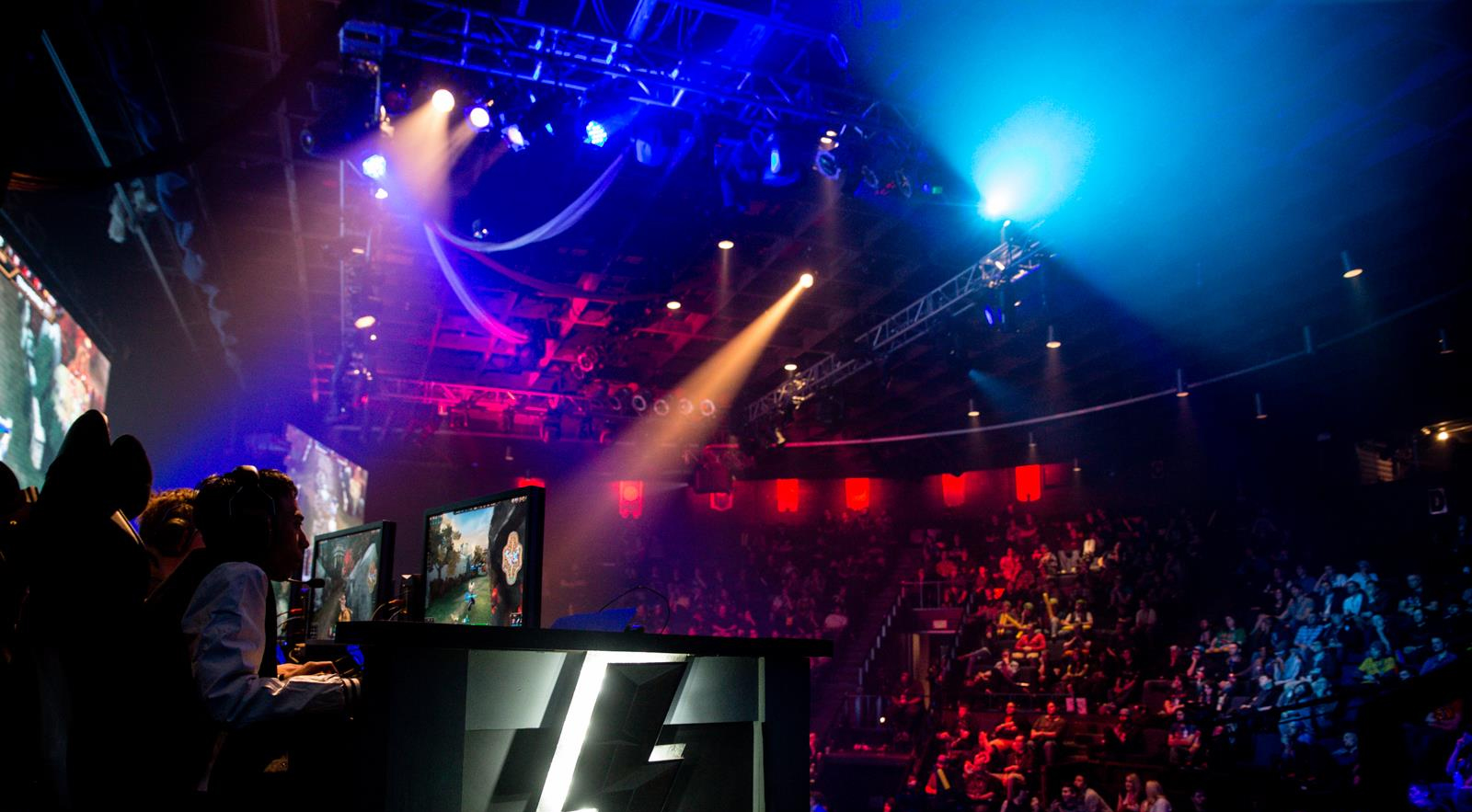
With its very first SMITE World Championship set to take place Jan. 9-11, 2015 at the Atlanta Cobb Energy Center, Hi-Rez Studios will make history. With a prize purse of over $2.13 million (and counting, thanks to crowd sourcing), the Finals will officially be the third biggest eSports event (according to prize money) in history — behind only Valve’s The International 2014 and 2013, and ahead of Riot Games’ League of Legends Championship 2014. That’s pretty impressive, given that the Hi-Rez MOBA (multiplayer online battle arena) just launched this year.

The SMITE World Championship will feature eight of the top teams from across five global regions in the biggest eSports event ever held in Atlanta, or on the East Coast of the United States. Todd Harris, co-founder and COO of Hi-Rez Studios, explains what’s in store for SMITE across PC and Xbox One in this exclusive interview.

Todd Harris, Hi-Rez Studios

How have you tested the eSports waters for SMITE prior to this world championship?

We started running weekend tournaments without prize funding in 2013 while SMITE was still in beta to see what type of appetite there’d be for players with eSports. The first crowd-funded tournament was at the game’s official launch in March 2014. We started with a $100,000 prize pool and we sold an exclusive Poseidon in-game skin with proceeds going to that pool. We more than doubled the prizing for that event, which proved to us that crowd sourcing would work well for this game.

When did you start the crowd sourcing for the world championship?

In the fall we had a 21-week tournament called the Odyssey. For every 200 gems that were spent on these special in-game items, we put a dollar into the prize pool. We started with $600,000 that Hi-Rez funded and our internal goal was to try to get it to $1 million. The dev team put out more content and the community responded, and it’s driven the total to over $2 million and counting. This year is our first tournament on a global scale. We’re amazed that the prize pool has reached the level that it has, and it’s still going up.

How have eSports events produced by Valve, Riot Games and Blizzard Entertainment impacted what you’re doing?

We were inspired by Valve working with its community to crowd source The International prize pool. Our implementation is different, but seeing their example of selling virtual items and having that fund the prize pool was instrumental for us. We’ve done this crowd sourcing with charity drives over the summer for a July 4 American Red Cross drive that raised over $60,000, and we have another one going on for the holidays for the American Red Cross that has raised over $90,000 and runs from Nov. 28 — Jan. 14. There’s a set of exclusive items that can be obtained through a holiday-themed chest and for every 400 gems spent on a chest a dollar is donated to the American Red Cross.

How have your tournaments grown this year?

Our audience needs to build over time. Our launch tournament was held in Atlanta’s Center Stage Arena, which held 1,000 people live. We’re sticking with Atlanta for our events because we’re based there and it has the world’s biggest airport. Our world championship Jan. 9-11 will take place at the Cobb Energy Center, which has a 3,000 person capacity. If you watched The Walking Dead Season 1, it’s the building that served as the CDC headquarters that was blown up. Our event will be in the main theater in that arena. And over those same dates in a ballroom, we’re hosting the first hands-on of SMITE on Xbox One, which is still in pre-alpha now. We expect the event will sell out and we anticipate — based on prior livestreams — that over the course of three days 800,000 will watch on Twitch.

What differentiates SMITE from other MOBAs?

The biggest differences between SMITE and MOBAs like League of Legends and Dota 2 is that you’re directly controlling your character with a mouse and keyboard from a 3D up-close and personal action combat perspective. That’s why it’ll translate to console because of the 3D action perspective, verses the over-the-top click-through navigation. I also believe that gamers like the mythology theme, where they choose to play as a god or goddess like Thor, Odin, Loki, and Zeus, as well as many new gods and goddesses from Mayan, Chinese and other.

How has Hi-Rez built up SMITE from a marketing perspective?

From the very start, we embraced new media and that has helped accelerate and amplify positive word of mouth. Our Facebook page has over 1 million fans and we have over 500,000 Twitter followers. We started streaming from the studio on Twitch very early. I believe we were the first studio to have our own studio channel. We actually broadcast SMITE 24/7. We do a tremendous amount of streaming of eSports and other content like a Patch Note Reveal Show and all types of live action skits. On a monthly basis we have over 1 million hours viewed regularly on Twitch, and have for some time.

What types of sponsors have you been able to attract for the world championship?

Curse is the title sponsor. Their Curse Voice Communication is used by our players and is powering the tournament. It’s also integrated into the game so any players can use it. Alienware and Logitech have been consistent sponsors and supporters of our tournaments since early beta. We’re seeing a lot of interest from more mainstream companies. The $2 million prize pool is attracting people’s attention, but I believe seeing the production value of the world championship will help legitimize SMITE in the eSports landscape.

How have you increased the production value over the past year?

We learned a lot over the last two years. The early online tournaments we held were shoutcasted by a guy in his own bedroom with an unmade bed in the back of the shot. A lot of the focus this year has been on finding partners and growing our internal capabilities around producing a broadcast quality event with eSports administration and rules enforcement. It requires a big investment to do it right, but we believe in this.

What role will eSports play for SMITE moving forward?

ESports is not a money maker. It’s a marketing and community expense. You need to take it on faith and/or passion that it’s an investment worth making. Hi-Rez has always made online competitive multiplayer games. ESports is consistent with our brand. At the end of the day, it’s hard to quantify a return on the expense you take. We associate eSports with a longer engagement for the community. Analyst reports indicate that eSports enthusiasts tend to spend more money in the game, as well. We haven’t done any surveys of our community yet to confirm if that’s the case.

What role do you see consoles playing with eSports beyond Activision’s Call of Duty?

We’re at a turning point with next gen consoles and eSports, where brands beyond Call of Duty can thrive. For a number of reasons, consoles are more receptive to free-to-play so you can have a larger audience. The console platforms have better spectating and broadcasting and streaming capabilities built-in. The opportunity for us is the fact that MOBA is the most popular eSports category in the world, but the other large MOBAs aren’t playable on console. It’s a unique and obvious opportunity for us to go after this console audience. According to recent SuperData, more than 50 percent of League of Legends players also play Call of Duty, so if a MOBA game can be played on console, there’s a new eSports opportunity there.

Will gamers be able to play SMITE across platforms?

We’re not supporting cross-platform play. Even though the core gameplay is the same, the controls are quite different across PC and Xbox One. Some characters will be controlled a bit differently. We do think there can be a healthy tournament scene on Xbox One. We see it as a parallel stream of tournaments. We do plan on hosting those, but we’re much earlier on with Xbox One development.

Would the plan be to have both PC and Xbox One tournaments together in the future?

In our ideal world, it’d be one event with multiple platforms present.

When will SMITE be available on Xbox One?

We will make it generally available in calendar year 2015, exactly when will depend on the beta process. The core gameplay translates quite well, we’re spending more development time to make sure the user interface works because there’s lots of tiny text that won’t fit with the console version. We also need to optimize the controls to make them smooth.