2015 Is The Year Mobile Becomes The First Screen For Brands

Unlike consumers like Mr. Butch in Tokyo, who stood in line for days to get their hands on a new iPhone 6 when it went on sale, brands and advertisers have taken a “wait-and-see” approach when it comes to fully embracing the possibilites with mobile.

Echoing the conversation from the 30+ speakers and 300+ attendees at our recent [a]list summit on Mobile Marketing on Dec 3., the time to wait and see is over. 2014 was the year the mobile web usage surpassed the wired web and 2015 will be the year that marketers jump in for real.

All user data supports it and the infrastructure is now in place with effective ad formats and monetization tools as well as much more precise targeting and reporting than ever before.

With the summit still fresh in my mind, I wanted to share a few of my personal notes on what this means for publishers and marketers alike:

  1. Social is the new starting point, not search. This is good news for brands, since social is way more effective than search, both terms of getting your branded content discovered and shared. Buzzfeed’s social traffic is now 7x its search traffic!
  2. If it’s not mobile, it’s not social. 60 percent of all traffic to social media is now mobile according to eMarketer and share rates are twice that of desktop share rates.
  3. Native ads and sponsored content work. If done right, sponsored content will be embraced and shared, even more so than non-sponsored content. Tumblr has shown that this is indeed possible and their format works great on mobile. Yahoo CEO Marissa Mayer is now implementing the Tumblr model to other Yahoo! Properties with native ads as the preferred ad unit.
  4. Programmatic is clearly the way of the future. In 2015, programmatic buying of mobile ads is projected to account for the majority of inventory sold. From now on, you are buying an audience across the mobile web as opposed to particular media properties or apps.
  5. Mobile-first video platforms like Vine and Instagram are on the rise. As Vine super-stars Jack and Jack said on a panel to the delight of the audience: “I used YouTube back in fifth and sixth grade.”
  6. Mobile-first image platforms like Pinterest also huge traffic drivers. Moreover, simple tweaks like allowing mobile users to pin an image using one click can increase clicks by up to 10x.
  7. Mobile content does not need to be “snackable.” Buzzfeed shared numbers showing that many mobile users spend longer time on a page as compared to desktop because their content is optimized for mobile consumption.

If you missed our summit last week, you can catch editorial coverage of the event on [a]listdaily here and see video interviews with many of the speakers on our YouTube channel to see for yourself what the experts said.

Do you disagree with the prediction that 2015 will truly be the year mobile becomes the first screen in terms of media consumption and brand impact Please post your comments in the thread below.


The Massive Impact Of eSports

There’s nothing that signals widespread cultural impact of something than when major advertisers and brands start taking notice — and spending money. That’s where eSports is now, rising from an obscure sliver of the gaming market to a commanding presence that’s on every major publisher’s radar. Several recent studies have provided significant data to illustrate just how important a force eSports have become in the game industry and beyond. The fact is that eSports are not just something that game marketers should be aware of – eSports are something that every marketer should be aware of and taking into account when planning marketing campaigns.

The latest figures on eSports from research firm SuperData show that viewership of eSports has grown from 72 million in 2013 to 101 million in 2014, with 134 million viewers predicted for 2015. The growing popularity of eSports is illustrated clearly by Amazon’s purchase of Twitch for $970 million earlier this year, with Twitch boasting of more than 55 million monthly viewers.

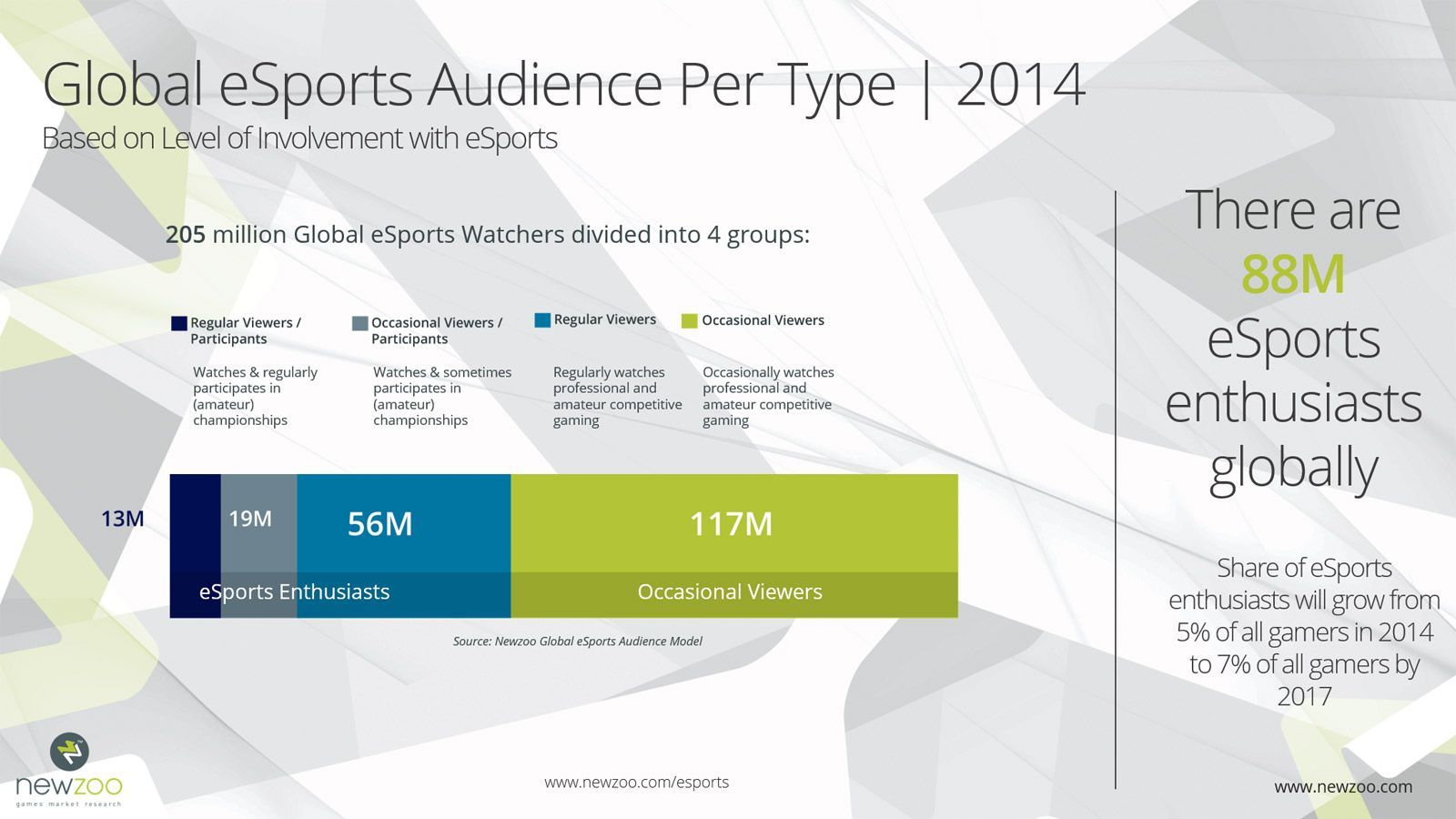
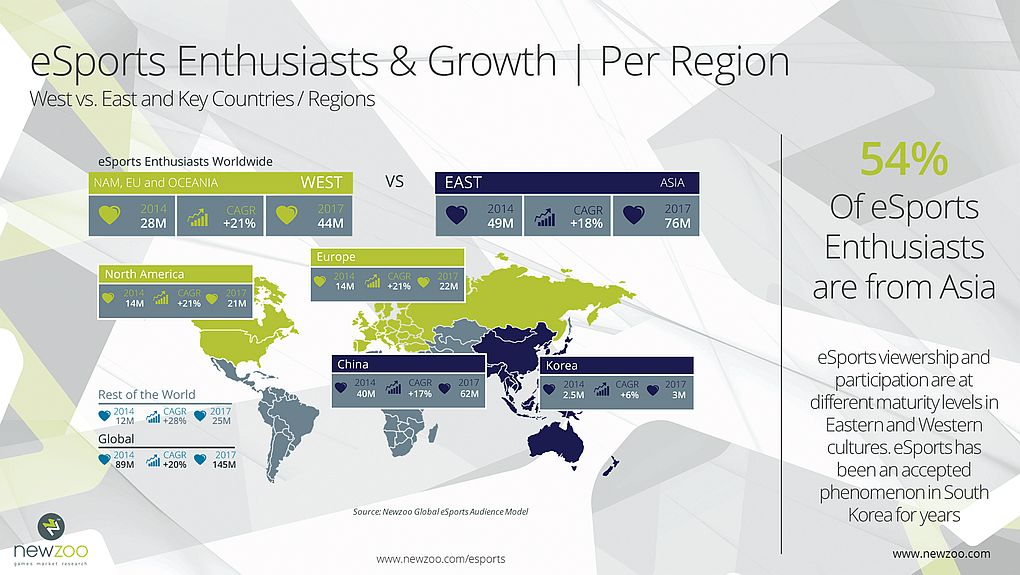
Market research and consulting firm Newzoo has been compiling information on eSports from 25 individual countries, and a recent Newzoo report looked at the growth and popularity of eSports as a global phenomenon. The company estimates that eSports Enthusiasts, which it defines as “frequent viewers and active participants, will reach 145 million by 2017. That’s not even counting the very large group of consumers that watch occasionally (once a month or less), which Newzoo feels illustrates “the immediate potential for explosive growth.” Newzoo estimates the current global eSports audience at 205 million, counting both the 88 million enthusiasts and the 117 million casual eSports fans.

Newzoo sees a compound annual growth rate of more than 20 percent between 2014 and 2017 for eSports enthusiasts globally. “Following the recent boom of eSports in the West, North America is amongst the fastest growing regions with 14 million Enthusiasts and another 18 million Occasional Viewers this year,” said Newzoo’s report. Newzoo also looked at a measure that’s extremely important to marketers: Awareness. “Global awareness of eSports will grow by a CAGR of +21.6 percent over the next three years, resulting in 1.2 billion people that are aware of eSports by 2017,” said the report.

The stage is clearly set for major brands and advertisers to take advantage of this large and rapidly growing market. That’s what a New York-based agency, Sparks & Honey, concluded in a recently released report on eSports. The company’s research found about 300 million epsorts fans in 152 countries “who watch games such as League of Legends, Dota 2, Call of Duty and StarCraft 2 online through streaming platforms like Twitch.tv and MLG.tv.,” reported Forbes. “An average viewing session lasts 2.2 hours with more than 2.4 billion hours watched in 2013.”

This massive, dedicated audience has already captured attention from major players interested in this young, highly engaged demographic. Some major brands are sponsoring events and players, including Coca-Cola, Intel, Red Bull, American Express and Nissan. “They’re starting to pay attention and the great thing about it is it’s not just one game. An advertiser can get involved with just one game like Intel has with StarCraft 2 or try a variety of games,” said Imari Oliver, Sparks & Honey’s director of creative strategy.

As an example, the recent Intel Extreme Masters tournament in San Jose, California welcomed over 6,000 people on Saturday and 6,500 on Sunday to watch top League of Legends and StarCraft II players compete at the SAP Center, where the San Jose Sharks play. The event marked the ESL’s (eSports League) biggest eSports event ever held in the US. “The event can only be labeled as historic,” said Michal Blicharz, Director Pro Gaming at ESL. “We had never done anything like it in the U.S. — in terms of magnitude, number of fans or streaming results on Twitch. It’s a stepping stone towards doing even more impressive things.”

When eSports events are gathering purses as high as $11 million for DotA 2‘s The International, or an audience of 27 million viewers like the League of Legends World Championships in October, it’s clear that eSports is on a par with many longtime sports like pro golf or hockey. When you have brands like Coca-Cola and American Express spending serious money to support eSports, that’s a signal to marketers that this segment of gaming has arrived as a force to be reckoned with.

Game publishers are certainly taking note of this as well, as every major publisher is re-examining its game portfolio to see what might have strong eSports potential. It’s pretty clear that Microsoft’s game design for Halo 5 (due out in 2015) is heavily slanted towards making the game a compelling eSport. This is only fitting, as the original Halo was one of the major drivers behind the creation of eSports. Along the multiple versions of Halo since then, though, the game lost its ability to provide a balanced arena for competitive play, and fell out of eSports competitions just as eSports were beginning to be significant. Now Microsoft hopes to reclaim a spot at the eSports table, seeing that grabbing the attention of over 100 million eSports fans would be a useful way to generate more sales of the Xbox One console.

The rise of eSports isn’t just restricted to consoles and PCs, though that’s where almost all the action is now. Mobile game developers are trying to grab a share of that market, as the recent release of Vainglory for iPads and iPhones shows — and the game has been featured in Apple’s iPhone ads, giving it a strong boost. It seems inevitable that Vainglory or some other mobile game will eventually become an eSport capable of drawing millions of fans to watch competitors battle for millions of dollars.

Meanwhile, savvy marketers should be thinking of ways to utilize this eSports phenomenon to their advantage, through sponsorships, partnerships, promotions, endorsements, or advertising. That competition is already under way, and the marketers who win at eSports stand to reap millions.

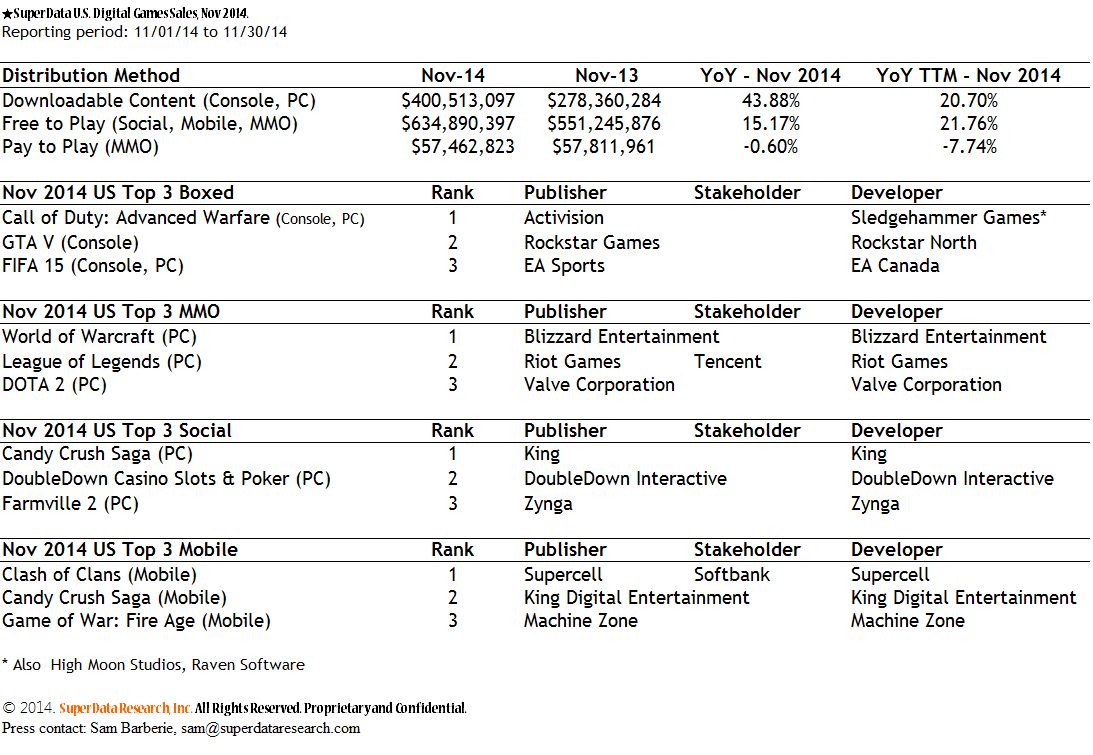
SuperData: Digital Game Sales November 2014

Analysis from SuperData CEO, Joost van Dreunen, follows:

  • Holiday season drives digital sales, as gamers spend 23 percent more year-over-year.
  • Borderlands Online follows Call of Duty into the $1.2 billion shooter market in China.
  • 100 million Steam users will be able to live-stream games with Steam Broadcasting.
  • Expansions and downloadable content next frontier in digital console wars.

Black Friday and Cyber Monday sales push digital games to more than $1.1 billion
Digital gamers spent 23 percent more around Thanksgiving compared to last year. PC, digital console and mobile games especially benefited from this increase in appetite, with the average spending on PC DLC nearly doubling on Black Friday. Traditionally, digital games do not follow the drastic seasonal spikes of retail, which remains vastly dominant during the holiday season. Retail’s huge discounts on hardware were instrumental in driving digital mobile and console game sales, earning revenues of $355 million and $111 million, respectively. Overall, spending on digital games reached over one billion in sales in November, as the holiday frenzy reaches critical mass.

2K Games follows Activision’s lead into China’s $1.2 billion shooter market
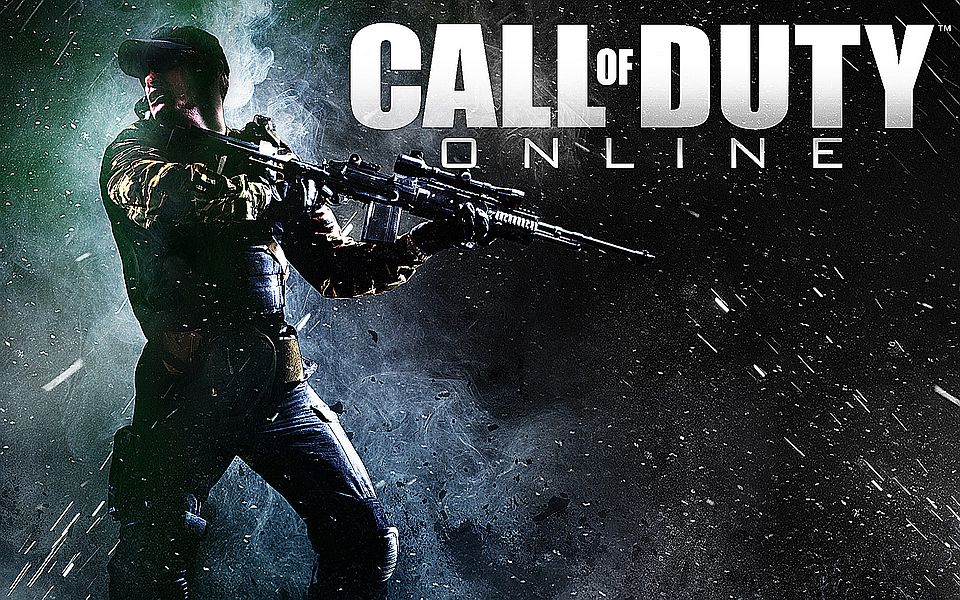
Wholly owned Take-Two Interactive subsidiary, 2K Games, has partnered with publisher Shanda Games to release Borderlands Online as a free-to-play MMO shooter in China. The Chinese gamer audience is critical for global publishers because of its sheer size, but has proven largely resilient to the advances of Western game companies. Following Activision’s plan to release Call of Duty Online together with Tencent in open beta early next year, 2K Games has established a development team in Shanghai to build and maintain its title locally. First-person-shooter MMOs are a great area of opportunity for Western publishers and both games have drawn comparisons with the hit Korean title Crossfire, which grossed $1.06 billion in 2014 year-to-date.

As game streaming explodes, Valve targets 100 million potential users with Steam Broadcasting
Live game streaming continues to grow in popularity thanks to the rise of eSports. Over 100 million fans watched eSports in 2014 and 20 million of them tuned in to watch the finals for Valve’s own DotA 2. Not surprisingly, Valve is launching its own streaming service called Steam Broadcasting. The new feature will allow Steam’s 100 million fans to stream their games and help Valve cash in on the 134 million eSports fan expected to spectate in 2015. Doing so, however, pits the illustrious game company against several behemoths, including Sony, Microsoft and Google, all of whom have an obvious financial stake in controlling what people stream and watch in their living rooms.

Expansions and downloadable content next frontier in digital console wars
With annual sales for console downloadable content expected to total $603 million next year, the release of the PS4 exclusive campaign The Dark Below for Destiny adds another frontier in the console wars. Totaling $64 million in sales last month, revenue for additional content on consoles like expansion packs and maps was up 30% year-over-year. Nonetheless, publishers have proven less willing to commit to platform exclusivity because of the high cost of development for the next generation of consoles. However, exclusive DLC deals are more affordable and therefore less risky, allowing publishers to release custom content on different platforms. The early stage of a new console generation is critical in the lifecycle of new intellectual property as people who recently bought a new device are actively looking for new content and more willing to take a chance on a new game. By releasing platform-exclusive DLC, publishers can reach a wider audience while still allowing for differentiation. The PlayStation 4 saw the recent release of Dust Palace, an exclusive expansion for the scifi shooter Destiny, and is expected to bring in an additional $15 million in sales by March, with almost 8% of players buying digital add-on content. At the same time Microsoft has released exclusive DLC based on popular franchises like Star Wars and Dr. Who.

Read more at http://www.superdataresearch.com/


Social Games Still Making Money

Facebook is announcing its Games of the Year, and this represents a good time to check in on the health of the social game market. The massive boom in social gaming some years ago astounded many people, as did the rapid leveling off of the social game market as Facebook’s growth plateaued along with other factors. Many of the social game companies switched their attention to the rapidly growing mobile market, which is where most of the former social game giants (those that are left, anyway) now derive the majority of their revenues.

Facebook has roughly 1.35 billion monthly active users (MAU) as of October, and the service is still growing, albeit more slowly than in the past. There are about 152 million daily active users (DAU) between the USA and Canada. Back in March, Facebook announced that roughly a quarter of all its active users — 375 million people — play at least one Facebook-connected game in an average month. They generate some 735 million of game referrals that are sent out each day.

There’s a clear financial benefit to having a game that appears both on Facebook and on another platform, such as a mobile device. Facebook’s figures show that the average user who plays the same game on two or more platforms spends 3.3 times as much money on in-game purchases as someone who only plays the game on Facebook. Cross-platform players are also far more likely to click on ads, and show other signs of engagement with the game.

That’s why you’ll see companies like King Digital continuing to release new games on Facebook, and continue to connect those games to their mobile counterparts. If you have the development resource for it, and it makes sense gameplay-wise, it’s a profitable use of a publisher’s time. So as you look at Facebook’s list of the top games of the year, keep that in mind.

Yes, the social game market may be growing slowly compared to the rocketing field of mobile games, but there’s still billions of dollars in revenue being generated by social games. That’s not a platform to ignore if you’ve got the right game for it.

Facebook’s Games of the Year
Like other platforms, Facebook is looking back over the year right now to showcase the top titles for 2014. The company noted some trends in its blog post on the subject. “2014 saw a revival of the classic match-3 puzzle genre and the continued health of the social casino category,” Facebook posted. “New game launches from Asia and Europe continue to grow, bringing both new ideas and cherished, recognizable brands to the Facebook platform.”

Of course, as with any such list, the selection criteria are important to note. “The games on these lists were selected based on player ratings, strength of Facebook implementation, growth, and overall quality,” Facebook noted. “Although we’ve singled out one new game that stands above the rest as the Game of the Year, the games listed in the other categories are not listed in any particular order. Best New Games represent the remaining nine (Cookie Jam leading the list to make ten) cream-of-the-crop that came out in 2014, while Best Mobile Games showcase top-notch mobile apps that effectively use Facebook Login. Back by popular demand, the Staff Favorites list features games most played around our office, while Hall of Fame recognizes games that launched prior to 2014.”

Facebook also noted that the company is working on new ways to help people find games on the platform. “Our goal is to make it easier for every player to find the games that interest them, and to keep them coming back to those games for fun and engaging experiences,” said Facebook. “We’re adding some new features to Facebook Games to help people find games, such as a Hot Games list and genre Tags.” The Hot Games list shows which games are quickly growing in popularity on Facebook, while the Tags should help people filter and search by different characteristics like genre, player mode, and release date to find games they are most interested in playing. Tags are shown on the App Detail Page as well as called out in a gray tag below each game within Facebook Games.


Facebook 2014 Games of the Year Winners

Facebook’s 2014 Best New Games

  1. Cookie Jam (SGN) – Game of the YearThis colorful matching game proved that the genre is far from over for Facebook. Launching in May, and rising to well over 5 million players in only a matter of months, SGN’s sweets-themed title swept all others to become our game of the year.
  2. Bubble Witch 2 Saga (King)This was a year of successful sequels for King, starting off with an improvement on their classic bubble shooter, Bubble Witch Saga.
  3. Candy Crush Soda Saga (King)King’s second sequel of the year takes Candy Crush Saga to the next level with dynamic, goal-driven matching designed to rescue gummy candies from drowning in the titular soda.
  4. Klondike (Vizor Interactive LLP)This story-driven city builder game sends players on a quest to rescue a lost gold-digger in a mountainous land.
  5. Kim Kardashian: Hollywood (Glu)A runaway mobile game success starring one of Hollywood’s hottest stars makes a splash on Facebook among more than a million players in just four weeks.
  6. Old Vegas Slots (DGN Games)This solid slots title from DGN Games cleans up on Facebook and mobile.
  7. League of Angels (Youzu)A stylish role-playing game featuring full-fleshed character classes and instantly-familiar gameplay mechanics. This is a great example of an eastern developed game that has successfully captured a western audience via Facebook.
  8. Hero Defense (Shang Game Co)Tower defense games have lasting appeal for Facebook players and this game takes it to the next level with a mix of adorable character designs for the various units.
  9. SuperCity (Playkot)Proving city-builders are far from over, this is a highly-engaging experience for fans of the genre.
  10. Sparta: War of Empires (Plarium)Another successful title from a leader in the strategy genre, Sparta builds on the success of previous titles Stormfall: Age of War and Soldiers Inc. in an antiquity-themed game.


Facebook’s 2014 Staff Favorite Games

  1. Solitaire 3 Arena (MavenHut)A three-round tournament style solitaire game.
  2. Cower Defense (Belka Technologies)A pun-driven tower defense title.
  3. Dino Hunter: Deadly Shores (Glu)A first-person shooter, aimed at dinosaurs.
  4. Throne Rush (Nexters)A solid entry in the strategy category on Facebook.
  5. OMG! Fortune FREE Slots (LuckyFish Games)A slots game with slick graphics.


Facebook ‘s 2014 Hall of Fame Games

  1. Top Eleven Be a Football Manager (Nordeus)One of the first football management sims on Facebook, and still one of the longest-running.
  2. Words With Friends (Zynga)This Scrabble-inspired word game relaunched this year to a whole new audience.
  3. Zynga Poker (Zynga)Formerly known as Texas Hold ‘Em Poker, this is one of the oldest games on Facebook and it still draws a crowd.
  4. Caesars Casino (Playtika)This casino game was the first to launch after Caesar’s Interactive acquired Facebook game developer Playtika, and it’s still going strong.
  5. Bingo Blitz (Playtika)Acquired by Caesar’s Interactive some years back, this bingo game has staying power on our platform.


Facebook’s 2014 Best Mobile-Only Facebook-Connected Games

  1. Star Wars: Commander (Disney)A strategy game set in the Star Wars universe between A New Hope and The Empire Strikes Back.
  2. Boom Beach (Supercell)Supercell’s second entry into the strategy category features a lush jungle setting.
  3. Family Guy: The Quest for Stuff (TinyCo)This licensed IP game lets players recreate Quahog with familiar characters and buildings from the show.
  4. Crazy Taxi City Rush (Sega)The latest in the famed racing game series lets players swerve to avoid obstacles rather than drive the cab directly.
  5. Disco Bees (Scopely)An adorable match-3 driven by competition with Facebook breaks on the leader boards.


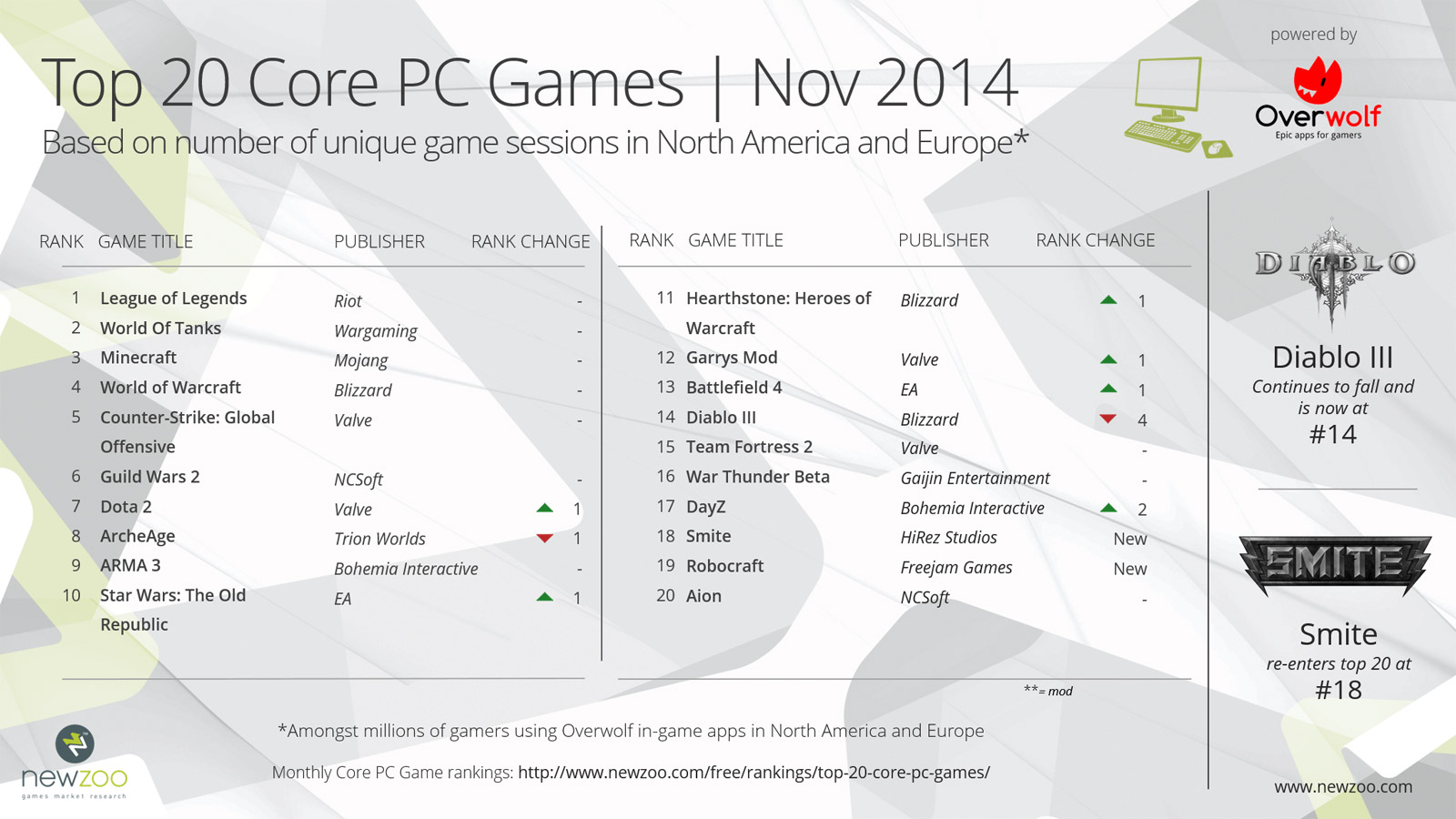
Newzoo/Overwolf Top 20 PC Games November 2014

On the surface the Top 20 Core PC Game Ranking looks deceptively calm in November, doubly so at the top. League of Legends, World of Tanks and Minecraft continue to dominate the top three spots, with World of Tanks maintaining its number 2 spot for the second month in a row. Further examination reveals the critical impact that upcoming releases and the eSports craze can have on unique game sessions.

It’s a Riot
It’s an interesting time for League of Legends, accounting for 18 percent of all the unique play time sessions in the time period, down from the 20 percent it achieved in the previous month. This small decline is to be expected as the game is now technically in “pre-season,” with zero ladder rank play for gamers, until the start of the new season in January 2015. With a lower incentive for competitive play, we’d expect LoL’s capture of session time to decline until rank play reopens next year. Riot Games recently shared the viewer statistics for this year’s League of Legends World Championship’s final in South Korea. Overall unique viewers totaled 27 million, marking a slight decline by last year’s 32 million. However concurrent viewer numbers peaked at 11.2 million, a fair increase over the 8.7 million achieved in 2013. These numbers are made doubly significant considering the finals were live broadcast between 4-8 a.m. in North America — a generally unfavorable timeslot.

Tank Sports
Wargaming’s World of Tanks continues to accelerate its commitment to eSports, starting with its Stronghold 9.2 update and its most recent 9.4 update that emphasizes clan wars and team work. More importantly the most serious problem with World of Tanks’ eSports ambitions have been addressed: 2015 matches will no longer end in draws with the creation of a new Attack and Defense format. It will be interesting to see how overall session times are affected once the new season begins with these long awaited changes finally in operation.

Expansion Highs
Moving down the rankings we see Blizzard’s World of Warcraft holding steady at rank 4, with Hearthstone moving up one place to Rank 11. The two titles have been the focus of significant interest in the past month with the Nov 13 release of the World of Warcraft: Warlords of Draenor expansion and the upcoming release of Hearthstone: Goblins vs. Gnomes on December 8. The WoW expansion saw the largest increase of subscriber numbers for the title in many a year, increasing by 3 million to just over 10 million subscribers, proving that for select titles the subscription model can still be viable.

However, Blizzard’s remaining title on the rankings Diablo III has been on a bit of a freefall. Falling two places to Rank 10 in October, the title has dropped an additional four places in November to land at Rank 14. Part of this decline could be attributed to the delay of the Ruins of Sescheron content patch that has been eagerly awaited by fans since its announcement at BlizzCon 2014. The title itself is in an interesting position considering it is currently the only Blizzard IP without a full expansion announced. This is in addition to the unveiling of the brand new Blizzard IP Overwatch, a title that seems directly aimed at the casual FPS competitive space.

EA’s Star Wars: The Old Republic increased by one place to Rank 10, driven by the imminent release of the Shadows of Revan expansion in December.

The New and Not So New
HiRez Studio’s Smite, having been conspicuously absent from the rankings in some time, has returned to take Rank 18. The likely reason is the increasing traction the title has received in the eSports arena, empowered by a recent large investment from Tencent and its forthcoming release on the Xbox platform. The title’s first World Championship will be taking place in Atlanta in January 2015, with a community sponsored prize poll that is already over 1.6 million dollars.

The other new entry is Freedom Games’ Robocraft, a PvP game where players design and build robots to competitively battle each other. Described as a sci-fi Minecraft with guns, the title is F2P, has overwhelmingly positive reviews on Steam, and currently sits at number 4 on IndieDB. Despite the small development team and limited media coverage, the title is a perfect example of the effect community driven interest for new and exciting game types has on the overall PC market.

Find more information on the eSports market and audience here.

About Overwolf
Overwolf is a customizable in-game overlay platform that has been installed in over 8 million PCs. This community of hardcore PC gamers are consistently making their own apps within the Overwolf platform and sharing them. Why Because it’s super simple and it enhances the gameplay experience of anyone’s favorite title in a personal way. From in-game chat systems to customized controls, streaming or video capture, Overwolf allows users to implement their own visions into these games and do so in a timely manner.

About Newzoo
Newzoo is the leading global market research firm focused purely on the games market. The company provides its clients with a mix of primary consumer research, transactional data and financial analysis across all continents, screens and business models. It is also known for actively sharing a variety of insights by means of free trend reports, infographics, blogposts and monthly rankings. Newzoo’s clients include Tencent, SEGA, Logitech, Wizards of the Coast, Nvidia, Microsoft, EA, Coca-Cola and Visa/PlaySpan.

Coke Exec Matt Wolf Discusses New Twitch eSports Initiative

Coca-Cola has partnered with Twitch to host its first-ever, but likely first of many, eSports charity event. On December 15 at the Atlanta Coke headquarters, Twitch will livestream a variety show, called Game-a-Thon 1.0, featuring YouTube and eSports celebrities like Joedat “Voyboy” Esfahani, Jon Carnage, Twitch programming director, Rachel “Seltzer” Quirico, Justin Flynn and Joseph “Swiftor” Alminawi to raise money for several charities. It’s the latest marketing initiative from the soft drink maker that aims at unifying the eSports community.

Matt Wolf, head of global gaming at Coca-Cola, has worked closely with Riot Games to integrate Coke Zero into the League of Legends Championship Series (LCS) over the past year. Now that the Challenger Series had a successful first season as a minor league for aspiring League pro gamers, Wolf hopes to build on the company’s @CokeEsports Twitter success by working with Twitch. He talks about the opportunities in eSports, and explains the similarities between the LCS Championship in Korea and the World Cup in this exclusive interview.

What was it like experiencing the LCS Championship in Seoul, Korea this year?

I’d never seen anything like it and I’ve been in gaming for over two decades. It was amazing to see the power of the broadcast and the size of the attendance — two things we really didn’t have five years ago at this scale. There were over 35,000 people in the World Cup stadium and the broadcast reached 10s of millions of people. The concurrent views were off the chart and the excitement was palpable. Korea is the birth of eSports, but people came in from all over the world to attend. It felt historical with the sold out stadium and Imagine Dragons opening up the event. It was really special.

How did Coke take part in this event?

We activated there similarly to the FIFA World Cup experience, except we did it around League of Legends. We got great results through social media on the League Twitter account. We gave away collectible Coca Cola character cups and people showed up at 5 a.m. and waited in a one kilometer long line to go through the booth experience. We had custom Share a Coke bottles and other prizing activations. Fans got to take pictures with some of the characters form the game, they got the cup and all this other stuff. For Riot it’s just a big win. It shows the power of League and of eSports in all these different facets.

How have you used Twitter to connect with eSports fans?

Our Twitter (@CokeESports) account grew 13,000 percent in 2014. We went from zero to over 203,000 over a year. We’re looking at Twitter as a great tool to have an always-on platform with fans and consumers. It’s more about doing iterative marketing, and we’ll continue to grow it and speak to other gaming activations in the future.

“Our Twitter account grew 13,000 percent in 2014. We went from zero to over 203,000 over a year. We’re looking at Twitter as a great tool to have an always-on platform with fans and consumers.”

How have you seen non-gaming executives come around to eSports as a viable marketing opportunity for Coke?

The conversations have always been pretty thought-provoking and warmly received at Coke because they had enough vision to seek out a guy like me. They gave me the freedom to apply my vision to CP (consumer packaged goods) and they really supported it. There were moments where it might have been challenging to explain eSports — even people from gaming sometimes have a hard time wrapping their head around Millennials watching others play games for hours a day. Coke trusted me that this is the right direction. There were some, moments where I had to wave my hands a lot before the LCS events at Staples Center last year and in Korea this year. Other eSports games have done powerful numbers, as well. Now Coke looks at this as a viable MarCom strategy.

“There were moments where it might have been challenging to explain eSports — even people from gaming sometimes have a hard time wrapping their head around Millennials watching others play games for hours a day.”

How do you see eSports compare to real sports Coke activation?

Experience is key on that. Coke celebrated the FIFA World Cup with a trophy tour to the four corners of the planet. We’ve taken some of that shorthand as a company and applied that toward an eSports play. You saw a lot of parallel in Korea. The FIFA World Cup showed up in Seoul, Korea at the same stadium LCS was at. The World Cup is one of the big activation plays for Coke. And we did something similar with League with an experiential destination that we dressed authentically with League and Coke Zero. We gave people a chance to interact with the moment. We played the ally to the League protagonists. The heroes are the characters and the game and the players, and we support that just like we support the World Cup athletes. If we go back to May at the League All-Star Game in Paris, it was a similar kind of thing. It’s a new way to experience League of Legends through fans and pros complete with cheer boards. It’s been an evolution this year, but it parallels how we do things like FIFA World Cup.

How are you partnering with Twitch for charity?

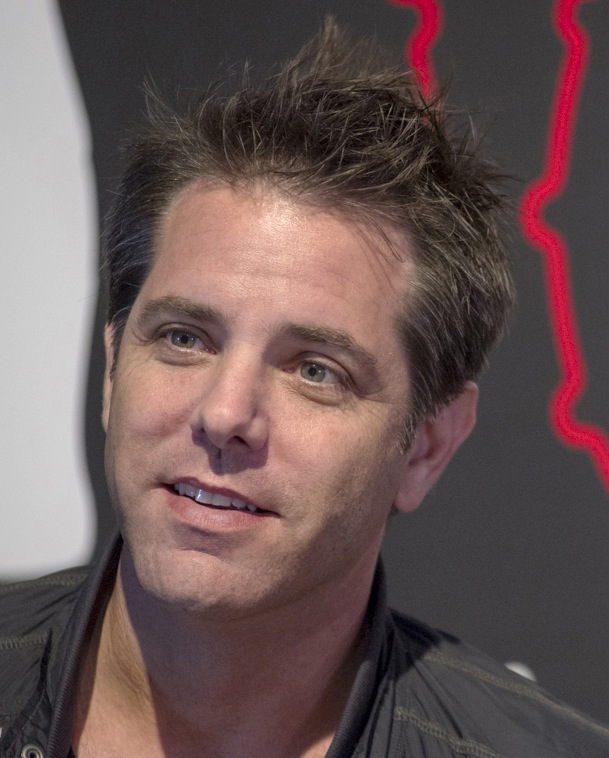
Matt Wolf, head of global gaming at Coca-ColaMatt Wolf, Head of Global Gaming at Coca-Cola

We’ve been talking to Twitch for awhile on how to work together in an authentic way to bring value back to community. I’ve been talking to Kevin Lin (co-founder and COO of Twitch) about this for awhile and we decided to come together around the idea of playing for charity. We decided to work on a live production from our Atlanta headquarters with a set and fly talent out and shoot a show where four contestants (popular Twitch blasters) and Voyboy, an ex League pro, would compete for charity. Next Monday starting at 3 p.m., we’ll have four players hosted by popular eSports caster Seltzer and it’ll be a great day of play for charity. Coke and Twitch can talk about what they have going on in each camp. We explore other parts of our company. We’ll have surprise interviews and slide shows around a gaming for good variety show. It’s a fun way for gaming and brands to come together.

What charities are involved?

We’ll have a mix of four charities. We’re putting the finishing touches on things now.

How are you using Twitter for this charity event?

We’ve used our account to let people know about this program. We ran a teaser campaign and revealed a new contestant each day through Tweets last week. Now we’ll continue that discussion and move it over to Twitch.

Will Coke launch a Twitch channel?

We’re interested in growing our relationship with Twitch over time. They’re a powerhouse and it’s a great opportunity for us to partner with Twitch and from that grow a communications platform that we can add to what we’ve started with Twitter. We hope to have a dedicated channel, but we’re working out some moving parts. I’d like to have our own channel on Twitch, but the challenge that goes with that is having content over time. They become hungry babies. When you hatch a chickling like that, it’s sweet, but you have to provide content like we do with Twitter. It needs to be fresh and authentic. We have to be careful about that because we want to grow these things into something special and something big. Twitter has done well because we’ve focused on just that over the past year.

Unity Adds Analytics

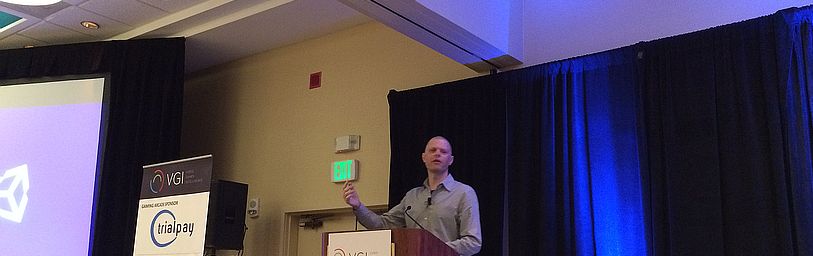
At the Game Monetization conference last week in San Francisco, Unity’s vice persident of online services Todd Hooper took the stage to speak about Disruptors and Game Changers in the game industry. More specifically, Hooper addressed why thinking about mobile vs console is wrong-headed, and that it’s really one game industry — albeit with different screen sizes, UI and business models. Hooper’s talk sought to identify the real key disruptors and lessons to be learned in gaming today, and how best to take advantage of those.

The scope of Unity has become vast, and the revolution among indie developers and their increasing prominence owes a lot to the advance of the Unity engine and development environment. The business model Unity employs (free, with a premium version available) has helped spread the engine, as well as the relentless drive of Unity to support every possible platform. Now Unity is looking to provide a range of additional services to developers beyond its game engine, and that’s an important development for the game community.

Hooper started out by sharing some statistics revealing just how strong Unity has become, and that the number of Unity developers means that some very useful data is available to Unity. In 2011 Hooper noted that Unity had some 100,000 developers, and that’s not the number registered, but the number who actually would launch the software at least once a month and use it. That number is an impressive one, but in three years it’s grown to an astonishing 639,000 monthly active Unity users.

Hooper also noted that 45 percent of mobile games made with third party engines are made with Unity, and the company has seen 500 million desktop games installed that have been built with Unity. That’s an impressive number, but it pales compared to the number of mobile games made with Unity that have been installed: 8.7 billion mobile games worldwide so far. That’s not even all of them, as Hooper noted some big publishers don’t share their numbers with Unity, so the actual number is probably well above 10 billion games installed worldwide.

Hooper, knowing that the majority of Unity’s developers are small shops, mad an important analogy. He likened game development to mountain climbing, where game developers bring together talented people and put forth great effort to create a game. They reach the top of that mountain and feel triumph, but looking out ahead there’s another, even bigger mountain to climb: Connecting with an audience. Hooper noted that “Most developers don’t know how to tackle the second mountain” and Unity intends to help them with that task.

This is why, Hooper explained, Unity purchased game analytics firm Playnomics earlier this year. The company had created an effective set of analytics tools for developers, and Unity’s intent is to bring that to its large development community. “What’s the number one analytics tool used by mobile game developers ” Hooper asked the audience. “We surveyed our developers, and the answer was: No analytics. We mean to change that.”

Hooper shared with the audience some of the statistics gathered from Unity’s immense audience. Android is number one in most markets, of course, but the lead differs between countries. And while there are over 3000 different types of Android devices out there, the number that are asignificant part of the market are quite small. Hooper noted that some brands that may be unfamiliar to US marketers, like Huawei and Xiaomi in China, actually have quite large market shares in that country.

By contrast, the iOS market is much similar, with far fewer models and much less variation in the operating system version. The market is roughly split between iPads and iPhones, at least as far as Unity games are concerned. The big difference with Android users is that iOS users generally upgrade to the latest version of the operating system relatively swiftly. By contrast, less than 1% of the Android market has the very latest version of the operating system installed.

One of the key facts about mobile games is that less than 1 percent pay to play globally, Hooper pointed out. The median spend is $4.99 for men, but only $3.13 for women. The churn rate (the average time before a customer stops playing a game) is vast among mobile games, no doubt due to the free nature of most of the games. Looking at thirty days after download, 89 percent of iOS users fail to return, while 97 percent of Android users drop out. In U.S., Hooper said, seven to nine days is the average churn time, while in most other places in the world it’s two to three days. The total spend for iOS games (among those players who have paid) is $93.77, while Android is $75.27 — compared to web games at $19.13, that’s quite impressive.

Hooper explained that Unity’s plan is to offer analytics as part of its development suite for no cost, attempting to bring as many developers as possible into the world of using analytics to help create better games — and make more money. “Analytics will be turned on in every Unity game by default,” Hooper said, with the intent that this will create widespread knowledge of analytics and usage thereof. Although not every developer may want this, and “You’ll be able to opt out,” Hooper said. Hooper acknowledged that there are plenty of commercial analytics packages, and Unity’s intent is not to supplant those.
“It’s pretty tough to take that data back to a producer and get changes made,” Hooper acknowledged. In most cases, especially when you don’t know the right questions to ask, “The info is not specific enough for developers to take action on it,” Hooper said. Unity is working to provide some of the standard information that most analytics packages provide, but adding a special feature: benchmarking. “This lets you see where you are versus the average game,” Hooper said. “Here is exactly how you can improve your game” Hooper said, showing a screen displaying the difference between the revenue an average game makes after seven days with the results for one particular games.

This ability to direct a developer’s attention to the exact part of the game that needs attention is a critical feature that Hooper believes will be of great value. More than that, though, their tool will recommend which demographic segments to advertise to, ones that are unlikely to monetize.

We should see a bright future for analytics as Unity brings that to hundreds of thousands of developers who aren’t currently using analytics to improve their games. This should help analytics firms generate more business, too, as more developers understand exactly what analytics can do for them and how specific capabilities offered by a vendor can benefit the developer.

One thing is clear: Unity won’t stop looking for ways to help developers make money from games. This will be an interesting space to keep an eye on in the future.
Pachter: Consoles Have Peaked

At the Game Monetization conference in San Francisco, Wedbush Securities managing director Michael Pachter presented his thoughts on the directions that the gaming market is headed, updated with the latest data. As always, Pachter isn’t shy about stating his views of the future. “I want to help you think about the next ten years,” he declared, “in a way you probably haven’t thought about it before.”

Pachter began by noting the size of the North American market, because that’s readily addressable by Western publishers “The market is BIG,” he noted. Pachter’s figures indicate a total of about $25.8 billion this year, with $17 billion of that digital and $8.9 billion in physical retail. This includes console, handheld, mobile, handheld and desktop. “I actually don’t think with the next-gen consoles out the physical segment is going to shrink any further,” Pachter said, but the digital segment is growing strongly and will continue to do so. “Consoles probably grow modestly, but the digital piece grows dramatically,” he added.

The expansion of free to play games has helped expand the audience, and contributed to a drop in average prices for games. “We’ve had prices coming down, with on the digital side hundreds of millions, maybe billions of people playing games for free,” Pachter said. “That brings in diversification, with a lot more devices to play games on. I honestly don’t think this industry thinks about devices correctly. Your phone and your tablet are going to become consoles.”

“A lot of people scratch their heads and say, ‘What the hell is Amazon doing with Fire phone, Fire TV, Fire stick, the Kindle,” Pachter said. “I honestly think Amazon is the only company in the world that gets this. Amazon understands there is a gigantic market out there.”

“The console installed base is not getting any bigger,” Pachter said. “We’re seeing digital migration, even on consoles people are playing Bejeweled. You’re see a crossover of demographic – people are playing games on consoles they didn’t used to play, and they’re still playing these games on their phones and their tablets as well.” Pachter doesn’t think we’ll be able to measure the digital market all that accurately, not compared to how well retail sales have been measured by NPD.

Pachter compared his estimates for the new generation of consoles with the last generation, and concluded the overall size of the console market will be about the same. “The Wii U is going to sell 20 million units where the Wii sold 100 million units; the PS4 is going to sell 100 million to 120 million units, probably; the Xbox One will sell 100 to 110 million,” Pachter predicted. “When you add all that up, the next generation of consoles is 240 to 260 million, and last generation was 260 million. So it’s not a growth industry. For everyone in this room not chasing that market, you’re going to be fine. The market is going to get a lot bigger, just not on console.”

“I think it’s the last cycle” for consoles, Pachter noted. “Because you’re not going to need a console to play a console game.” He sees the power increases of mobile devices continuing so that in a couple of years they will have plenty of capability to play console games. “I think consoles are irrelevant in ten years,” Pachter said. Of course, what Pachter isn’t explaining here is that this depends on what you mean by the term “console game.” If by that you mean a game that’s deeper, more complex and engaging, then it’s not so much dependent on whether or not a console can push more polygons than a mobile device.

Certainly game publishers are looking to attract “core” gamers to mobile titles — the wave of games like Hearthstone and Vainglory are merely the latest and most obvious examples. Yes, it will be hard to equal the massive amounts of data that some of the latest AAA games include (many well past 25 GB) on a mobile title. But that limitation could be overcome by streaming parts of the data, or merely providing it in smaller chunks. Designers can certainly work around the limitations of mobile devices to provide deeper game experiences, and they are already doing that. The question then becomes how rapidly that portion of the market will develop, and how it will impact the console market.

Pachter sees a Sonos-like service that will connect your TV to a PC, smartphone, tablet, or the cloud, and games will be played the same way as before without a console. Of course, you’ll need a controller, but that’s getting easy to find. Activision is even providing a controller with its version of Skylanders: Trap Team for tablets, and at the same price point as the console version of the game (the tablet version is identical to the console version, too). Pachter considers this a brilliant move on Activision’s part.

“This is disruptive, and expect to see Microsoft and Sony fight back with even more functionality,” Pachter noted. He sees the big publishers getting together to provide network functionality collectively for multiplayer games across devices, similar to the way National Cinemedia displays ads in theaters (that company is owned by three of the big four theater chains). “Activision/EA/Ubisoft will do the same thing,” Pachter said. “It will be three to four bucks a month to make multiplayer available to all. Amazon Web Services will host it.”

Certainly the publishers have long wanted to allow players to connect across devices. Activision would love to see all Call of Duty players able to compete against whoever they want without regard to whether the other player has an Xbox or a PlayStation or a PC. Or perhaps, in the future, a mobile device. Unifying that audience should mean greater engagement among the players, and that translates directly to higher revenues for the game publisher.

Biggest Marketing Moves: December 5

Here are some of the top personnel moves in marketing last week. Our congratulations to these people taking on new challenges!

Evan Shapiro Joins NBCUniversal as Exect VP of Digital Enterprises: The cable vet is taking on a key digital role at NBCUniversal.

Super Evil Megacorp Appoints Community Manager: Super Evil Megacorp appoints pro gamer George “Zekent” Liu  to connect with the community and create content around the debut game, Vainglory.

Universal Names Michael Wise Chief Technology Officer: Michael Wise will fill this newly created role to oversee the protection of properties from hacking and piracy.

Stuart Elliott Takes The New York Times Buyout: The iconic advertising journalist will be stepping down from his post, but The New York Times has not let on about future plans for the advertising section.

New CEO For ZQGame: ZQGame names Nancy Zheg  as CEO, but will continue her current role at Shenzhen ZQGame Network Co as EVP.


If you have a submission for this weekly feature, send info to pr@ayzenberg.com or fill out our Suggest a Story form.


Sponsored Content May Be A Winner For Games

Free-to-play games have had an enormous impact on the game industry, and that impact continues to grow. Once in-app purchases were enabled on iOS (and then Android), the business model quickly came to dominate the mobile game business. Remember when mobile games came in a free “light” version and a full-featured premium version Not any more. Now 90% or more of the revenues from mobile games come from games that are free-to-play.

It’s not just mobile games, either. Free-to-play games are grabbing an increasing share of the revenue for online games as well. Almost all MMORPGs these days are free-to-play, World of Warcraft remaining the shining exception that proves the rule. League of Legends will probably pull in more than $1 billion this year, and World of Tanks isn’t far behind. Even that bastion of premium gaming, the video game console, has begun to allow free-to-play games. Once that camel gets its nose under the tent, it won’t be long until the rest of the beast shoulders its way in.

Yet the free-to-play game has a serious weakness at its core: for the vast majority of F2P games, only a very small percentage of players actually pay something to the game publisher. While it’s true that a few games like World of Tanks can boast of monetization rates on the order of 25 percent, most games (especially mobile ones) are happy to get a few percent of the customers spending. Many never see more than one or two percent of players giving them money. That’s not enough to live on, even if your players number in the hundreds of thousands.

It’s possible that some clever company will figure out a way to get a substantial portion of players to pay for content, but it hasn’t happened yet. Many mobile games on Android look to advertising to generate revenue, supplementing what they get from in-app purchases. Yet advertising can be annoying, and keep users from spending more time with a game… which in turn reduces the chance to get money from them. Still, that did happen with YouTube: Eventually the video site figured out a number of ways to get revenue from advertising without losing users.

There is another method that hasn’t been tried all that much, and seems to offer substantial potential benefits at low risk: Sponsored content. This is an old method to other media businesses: Most of the TV shows in the Fifties, for instance, were sponsored (“This variety show is brought to you by Ivory Soap”). Even Apple tried it recently by giving away the newest U2 album, though the implementation left something to be desired.

How could this work in a game There are plenty of possibilities, limited only by the ingenuity of the marketers and the creativity of the game designers. Perhaps Hershey’s could give away a special candy weapon in Candy Crush Saga (though that’s one game that does quite well without ad revenue, thank you). Coca-Cola could bring you a supply of health potions in a fantasy RPG. Perhaps Marriott could offer you a free hardened building you could use in a strategic game of territories.

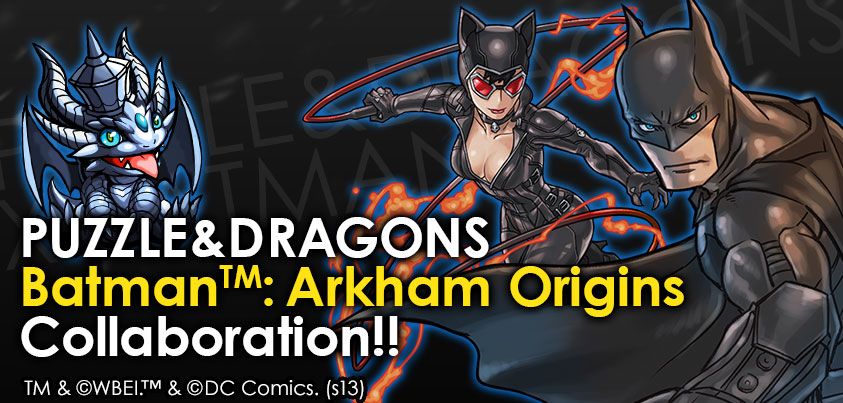
A recent example of sponsored content occurred in Puzzle & Dragons, the top mobile game in Japan that’s slated to make over a billion dollars this year. This is certainly one game that doesn’t need to worry about reveneue, yet they collaborated with DC Comics to promote DC characters. The supereheroes were featured in the game along with a new dungeon crammed with DC villains.

Better still is to connect the thing being sponsored to things players already pay for, so they know the value of what they’re getting. In much the same way that Ford sponsored the first episode of a new TV series so it was presented without commercial interruptions, imagine if a sponsor like Ford offered you a new racetrack for Forza or DriveClub, or a series of cars and tracks.

Games already place values on maps, levels, weapons, powerups, new character skins, and double experience time. Brand advertisers could look for those sorts of opportunities to create a positive impression in the minds of players. Of course, mobile games also have the advantage of significant knowledge about the players. More could be obtained through opt-in methods as well.

Sponsored content offered in this fashion is not easy to do, though. It’s not something you can automate — each deal will have to be hammered out with each advertiser. Brands will have to be sold on the concept, and engineering resources will have to be diverted to make it happen. It will get easier after you’ve done a few deals, but initially brands will have to be educated and sold on the concept. The efficacy for the brand may be hard to measure. In a world where brands have yet to really get on board with mobile marketing, getting them to make this leap won’t be easy.

On the other hand, this could provide a solid revenue stream for companies while creating a positive impression on players. Instead of dunning the players for a payoff, you’re giving them more of what they enjoy for free. You could increase engagement and retention for your game while making money instead of spending more to accomplish that.

Where will this begin It will take a motivated game publisher, or perhaps a motivated brand advertiser, to begin the conversation. Perhaps even a third party could earn some coinage by matchmaking between the two parties, lining up these opportunities with multiple game companies and brand advertisers. Developing solid metrics on performance will be crucial to getting repeat sponsorships, of course, and that will require some serious work to create.

There are some nuggets of gold out there labeled “sponsored content.” Who will start a serious effort to collect them