Bento Box Entertainment Founder Discusses Hollywood VR Strategy

Emmy Award-winning Hollywood studio, Bento Box Entertainment, has connected with the 18-34-year-old demographic through shows such as Bob’s Burgers, Bordertown, and Legends of Chamberlin Heights. The company recently launched Bento Box Digital Studios, which is overseeing entertainment across multiple platforms including virtual reality.

Bento has partnered with the Disney-backed VR studio Littlstar to deliver virtual reality content to early adopters who have invested in mobile and PC-based head-mounted displays. A Bob’s Burgers VR experience offers a first taste of the type of content the studio is developing for virtual reality.

Joel Kuwahara, co-founder and principal at Bento Box Entertainment, talks to [a]listdaily about the approach his company is taking in exploring virtual reality in this exclusive interview.

How is Bento Box selecting which properties to bring to virtual reality?

Our goal is to focus on creating VR content for properties with the most exposure and brand awareness. Properties such as Bob’s Burgers or our new Comedy Central series, Legends of Chamberlain Heights. People know Bob’s, they know the characters, and are more likely to click and view the video as a result. Getting fans to engage and explore these new VR experiences right off the bat is important. We are also focusing on properties that live in worlds and environments that have the potential for this type of exploration.

How are you working with the creatives behind each project in exploring VR?

Since VR is so new, the first thing we have to do is to make our creative people aware of what is possible, what works, what doesn’t work, and then encourage them to come up with new ideas that will work inside of the framework and humor of the show. We created the Bob’s VR piece to show people what we could do in an environment with which they are already familiar. The restaurant from Bob’s isn’t a foreign place. This is only a first step, but it allows us to show other creators what is possible and then discuss with them how VR can play a role in their shows.

What does VR open up creatively to TV show creators?

VR is really getting people to think outside of the box. No longer are you pinned to a flat 2D animation experience; you now have the ability to have multiple things going on at once, and to really feel like you are a part of the story. There is no front of the camera, we are forced to think on multiple layers, play with things in front of or behind the camera, and create visual or audio triggers that get the viewer to look where you want them to look. It is a much more non-linear experience.

Of course, this is still a bit of a puzzle. We are challenged to anticipate what the viewer will do, figure out what they want to see, focus on, and explore. There are no limits to what we can try, and unlike typical television, there isn’t necessarily an end, but rather an ongoing experience. One of the first things we need to accomplish is to get the viewers comfortable with this experience, and then—when the time is right—give them a good story. Right now we are giving them a taste and then following up with more, once their interest has piqued.

What were your goals in exploring VR with Bob’s Burgers?

One of our goals with Bob’s is to find something that is in the spirit of the show and is different from what other people are doing in VR. I hate to say it, but the majority of what I see in VR is not that different or interesting. Bob’s has a unique voice that we are keeping intact, with the characters being the same ones you see on TV. However, they all have points of view that we can now dive into through a VR experience.

How much interactivity are you incorporating into this VR experience?

As we graduate from dipping our toe into VR, as we did with the dancing Bob’s piece, the long play is to have more interactivity. As of now, we have an immersive experience and walk around, but what I would like to do is actually have interactivity with the whole family. A lot of this is tech driven, so we are working in tandem with new developments to make sure the content and the technology play off of each other symbiotically.

How does humor play in VR?

I think humor is a big part of the experience, but there is a place for all genres in VR. Everyone has a place to play.

What are the current challenges of steering people through a VR experience?

Challenges include anticipating what adventure the viewer will choose to explore, and the psychology behind the viewers’ experience. How do you keep them motivated to stay in the world? A lot of the VR that I have personally experienced to date has only been able to hold my interest for a minute or two. So whether you are creating a documentary or an entertainment piece, keeping people engaged through characters and strong storylines is a must.

How do video games and that type of thinking influence VR at this early stage?

Video games may be the perfect genre for VR. Why wouldn’t you want to be able to look all around you as you explore a game? People are creating tech to support those needs and wants, and gaming is raising the bar and driving this experience.

What are you learning about the length of time people want to watch content in VR and what are you shooting for with Bob’s Burgers?

For now, we are seeing that people are watching two to three minutes of VR content, but it is still very early.

What does the Littlstar platform open up for this content, especially given Disney’s investment in the company?

The great thing about Littlstar is that it gives people an opportunity to create their own VR experience. Littlstar also provides a platform that is perfect for mobile, of course, which is so important today.

What role do you see this Animation Channel on Littlstar playing in connecting with early adopters?

We are curating and identifying the best VR animation content on Littlstar. I am hopeful that this will inspire and motivate both a new generation of content creators as well as established ones. This is a new sandbox to play in and only time will tell what succeeds and what doesn’t. But until then, we plan on having fun building a lot of sand castles.

‘Dream City: Metropolis’ Launches Promotional Partnership With Regal Cinemas

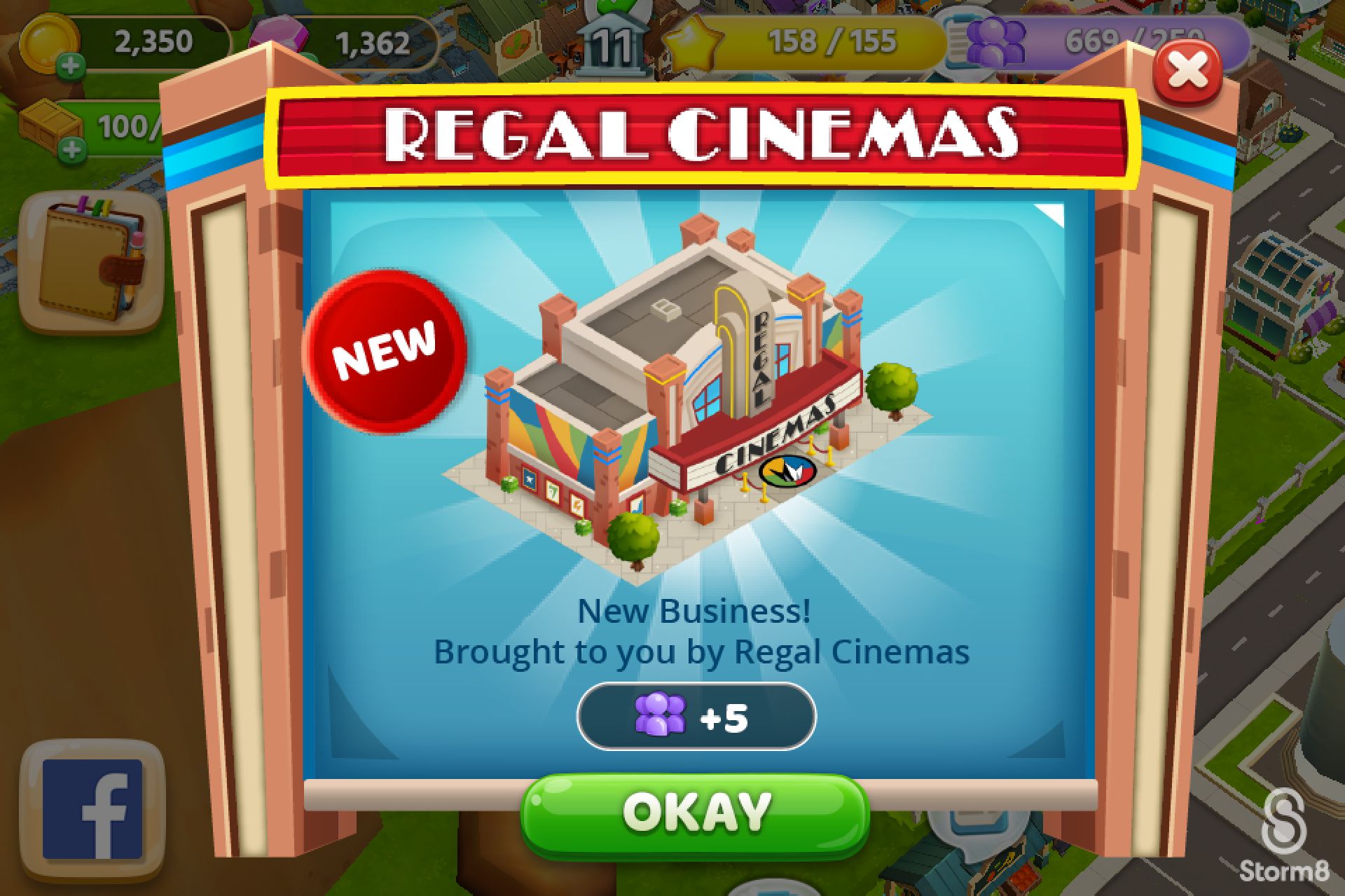
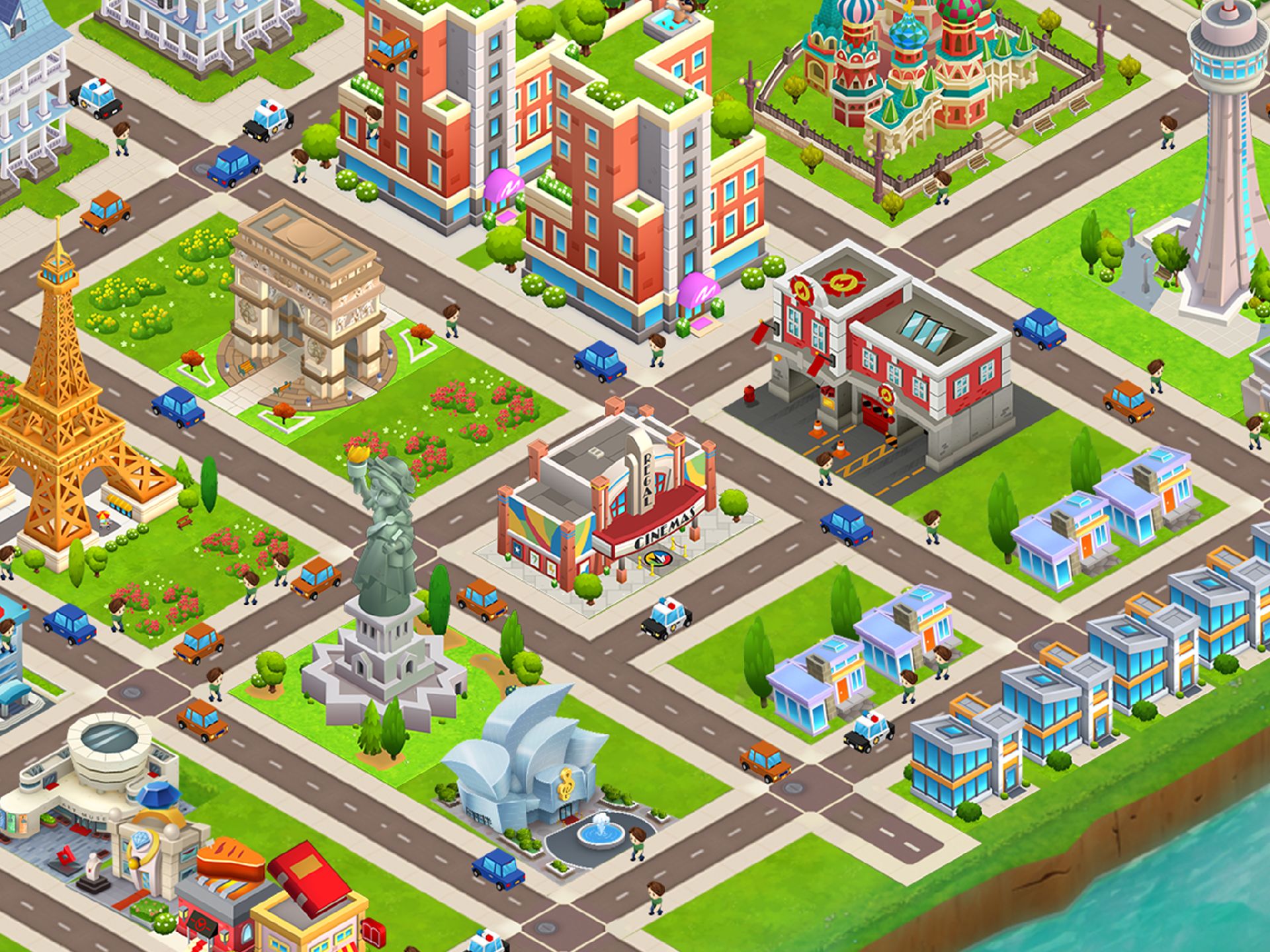
In the free-to-play mobile game, Dream City: Metropolis, players are free to construct and maintain the city that they’ve always wanted. Today, the game’s developer, Storm8 Studios, announced that Dream City will have deeper ties to the real world with a partnership with Regal Cinemas. For the first time, players are able to construct authentic Regal movie theaters in their virtual cities. Additionally, they are given the option to receive in-game rewards for watching branded content.

Terence Fung, chief strategy officer at Storm8, talks to [a]listdaily about the partnership with Regal Cinemas and how video games and the real world blend together.

Storm8_TerenceFung_WebVersion[1]
Terence Fung, Storm8 chief strategy officer

What is Dream City: Metropolis about?

Dream City: Metropolis is a fresh take on the popular city-building game genre, where players have the freedom to imagine, build and grow the city of their dreams. We set out to create an endearing game that both city-building fans and casual players will love. Dream City brings:

  • Customization: players have the freedom to build their city how they want.
  • Approachability: friendly art style, state-of-the-art animations and engaging quests.
  • Discovery: diverse characters, storyline and landmarks to uncover.

How did the partnership with Regal Cinemas come into being?

We wanted to give players a sense of real world attachment in Dream City and knew that incorporating branded establishments was a great way to make the game come alive. And it would be hard for anyone to imagine their downtown without a movie theater. From there, the choice was easy: Regal Cinemas is one of the largest theater circuits in the US, attracting more than 219 million moviegoers every year. We reached out to Regal, and both parties were excited to quickly forge this unique partnership.

What made Regal Cinemas the ideal partner for this type of promotion?

Mobile devices are where most people are spending their time nowadays, whether accessing content or keeping in touch with their family and friends. After we reached out to Regal, it was clear that they are truly focused on creatively and effectively reaching the mobile audience. Regal quickly understood the value of partnering with Storm8; we have achieved over 1 billion mobile downloads since our founding in 2009.

At Storm8, our goal is to always create fun, approachable games and Regal Cinemas was a natural fit: the Regal theaters are easily recognizable and bring a truly authentic yet personal feel for our Dream City players.

regal_cinemas

What kind of Regal video content can players expect, and what are some of the rewards for watching?

Players will have the option to engage with the theater to watch brief videos to then receive in-game rewards. These rewards can then be used to expand the city’s population and grow out new businesses. The content will be anything from movie trailers to branded video ads that all reward the players.

Do players have to build an in-game Regal theater to watch the branded content? Does the structure require a lot of time and resources?

The partnership with Storm8 gives consumers a new way to discover and touch the Regal Cinemas brand on mobile while giving players the option to engage in a fun, rewarding fashion that in most other games would be a more disruptive experience for players. We wanted to make it as easy as possible to experience Regal Cinemas in the game. There’s no building, resource or timer requirements. All players can simply add the Regal-branded theater into their game board for free and enjoy the benefits.

Will Regal Cinemas be helping to promote Dream City: Metropolis?

Regal Cinemas has one of the most geographically diverse theater circuits in the US, operating more than 7,300 screens in 42 states, and extending to as far as Guam, Saipan and American Samoa. With this incredible audience, we’re excited to partner with them on digital marketing promotions reaching movie fans across web, email and social media. The fun part is we’re entering the summer blockbuster months so we’ll be working on some creative promotions as well.

How does a tie-in with a real world company like Regal help enhance the Dream City experience?

We’ve always focused on creating engaging experiences in our games. Nothing brings a game more to life for a player than seeing world-class brands that they would typically see as they walk around in their hometowns or while traveling. Adding an iconic movie theater at the center of people’s game boards brings a touch of the real world into Dream City. Additionally, the watch-to-earn feature on the Regal-branded screen mirrors fans’ movie-going experience and offers yet another optional incentive for players in a way that doesn’t distract from their core gameplay.

in-game_RegalCinemas

ESPN Discusses ESports Broadcast Potential For ‘Madden’ And ‘Street Fighter V’

Disney-owned ESPN continues to up its eSports coverage. ESPN2 will televise the Street Fighter V World Championship from the Evolution Championship Series (Evo) final on Sunday, July 17. Live coverage of the event will begin at 10 pm ET from the Mandalay Bay Events Center in Las Vegas. In connecting with the digital eSports audience, the program will also be available via WatchESPN.

Evo 2016 is scheduled for July 15-17 at the Las Vegas Convention Center with finals taking place on July 17 for Street Fighter V, Super Smash Bros. Melee, Mortal Kombat X, Guilty Gear Xrd-Revelator and Ultimate Marvel vs. Capcom 3. ESPN will focus solely on Street Fighter V at Evo fighting game tournaments this year.

John Lasker, vice president of programming and acquisitions at ESPN Digital Media, talks to [a]listdaily about this new Evo deal, as well as the recent EA Sports Madden tournament at E3, in this exclusive interview.

How have you approached eSports coverage at ESPN?

Since about mid-2014, we have distributed about 300 hours of live eSports content, covering Halo, Madden, and Heroes of the Storm; some of which was digital only on ESPN 3. And now we’re adding Street Fighter V. We’ve been exploring incremental TV distribution. We appreciate and understand the existing digital distribution of eSports and where the fan base is and where they’re used to consuming this content. TV provides incremental distribution.

How did the Madden Championship perform at E3?

The Madden Championship aired live on TV and it came across as a big event. It wasn’t to a level of League of Legends, Heroes of the Storm or Dota 2, but the competition was exciting. From an audience perspective, we announced the broadcast the day before we did it, so there wasn’t a lot of lead-up time and it co-existed with a lot of other platforms. But we saw at 6 pm on the East Coast that it held the ESPN2 lead-in rating. That’s promising, considering it was eSports and not a traditional TV sport. Madden does play a little closer to what our audience interests are and it held true in this instance.

How does Electronic Arts’ commitment to competitive gaming help what you’re trying to accomplish?

It’s helpful because it makes setting up conversations, planning, and all those types of things a lot easier when you have dedicated group on the publisher side interested in the event side of the business. It’s not commonplace now, but we’ll see more and more of that dedicated team structure across other publishers in the future.

Does ESPN still have an on-going partnership with Electronic Arts?

The relationship with EA stands, but eSports is separate and apart from that. The Madden event was a separate arrangement.

How does the fighting game genre compare to Madden?

Street Fighter V falls closer to Madden because visually, it’s easier to accept and understand. You don’t need to be educated on it like League of Legends or Dota 2. There’s a low barrier of entry into the sport. Seeing all the news around how Evo has exploded this year, where the entries are off the chart, I’m excited to see how this does. I’m hoping we find a great cross-platform audience, and through the TV side, help to expand the reach.

What are you learning as you explore eSports on TV?

We’re in an exploratory stage for the foreseeable future. All the titles we’ve been involved with have been done in different ways, and all of that has been part of trying to figure out what the best way to do it is. We want to make sure the audience gets the content digitally, but we’re also trying to expand this audience through television.

How important is having these competitions live on TV?

We did the Madden Championship live and we covered the earlier rounds on ESPN3. The semi-finals and championship aired on ESPN2, and we did re-air it as well. We’ve bought into this competitive side that the content needs to be live, and that’s the most important peak point of our findings.

What did you learn from The International with Dota 2 last summer?

For The International, we did a highlight show after the event. We saw there’s a 24/7 appetite for this type of content, but for these big events and competitions—similar to traditional sports—live is the way to go. We love Dota 2 and we recognize Valve’s importance in the ecosystem and the amount of attention The International gets.

How has the launch of eSports coverage on ESPN.com impacted the television and digital video coverage?

We did our first Blizzard event two Aprils ago before Heroes of the Storm was even released. The ESPN eSports vertical launched in January of this year. It hasn’t changed what we do on the TV side, but it’s an organic extension to what we’ve recognized at ESPN on the importance of this category. We want to treat it like any other sports category. Doing two years of Heroes of the Dorm or the recent Madden event, gamers quickly recognize we have an appreciation for this audience.

How does this eSports audience compare to your traditional sports demographic?

The eSports audience is younger. When you see all of the activity in the marketplace from more traditional companies, the allure of eSports is that they’re reaching some folks that are hard to reach. We have a great young audience coming to our networks, and eSports allows us to expand upon that with a younger audience.

What role do you see televised eSports playing in attracting non-endemic advertisers?

We’re trying to put forth the best content activations around these events. We think TV is an important part of that offering in both the short-term and long-term. The advertising community always follows where the audience is. If it’s digital only, they’ll find a way to market to that audience. If it’s multi-platform they’ll do the same. We believe eSports coverage will fall under more the latter than the former, especially where there might be a lower barrier to entry such as Street Fighter and Madden.

EA also had eSports competitions during E3 with UFC 2, Need for Speed and FIFA. What potential do you see for those games on television?

They’re all up for consideration, depending on what EA’s plans are for those titles moving forward, and if it’s similar to the Madden competitive structure over the next couple of years.

Will Madden expand on ESPN moving forward?

We did the EA Play event at E3 and we have no plans to announce, at this stage, further distribution.

Arash Markazi/ESPN
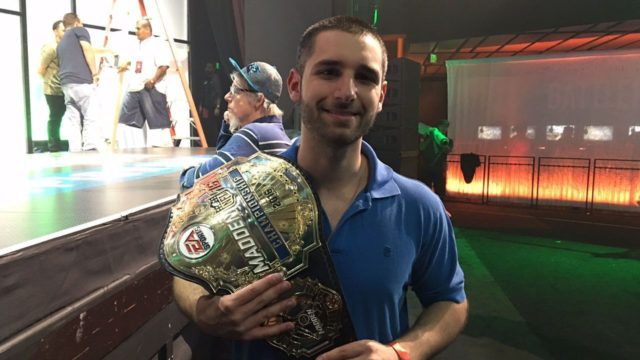
Frank Sardoni Jr. wins Madden Championship at E3.

I put NBA 2K in the Madden category. I was impressed, watching the Madden competition in full screen with fantasy lineups and Rob Gronkowski playing on an old 49ers team. There’s something intriguing about seeing the appreciation people have for competitive gaming.


The Void Pioneers New Worlds With ‘Ghostbusters: Dimensions’ Experience

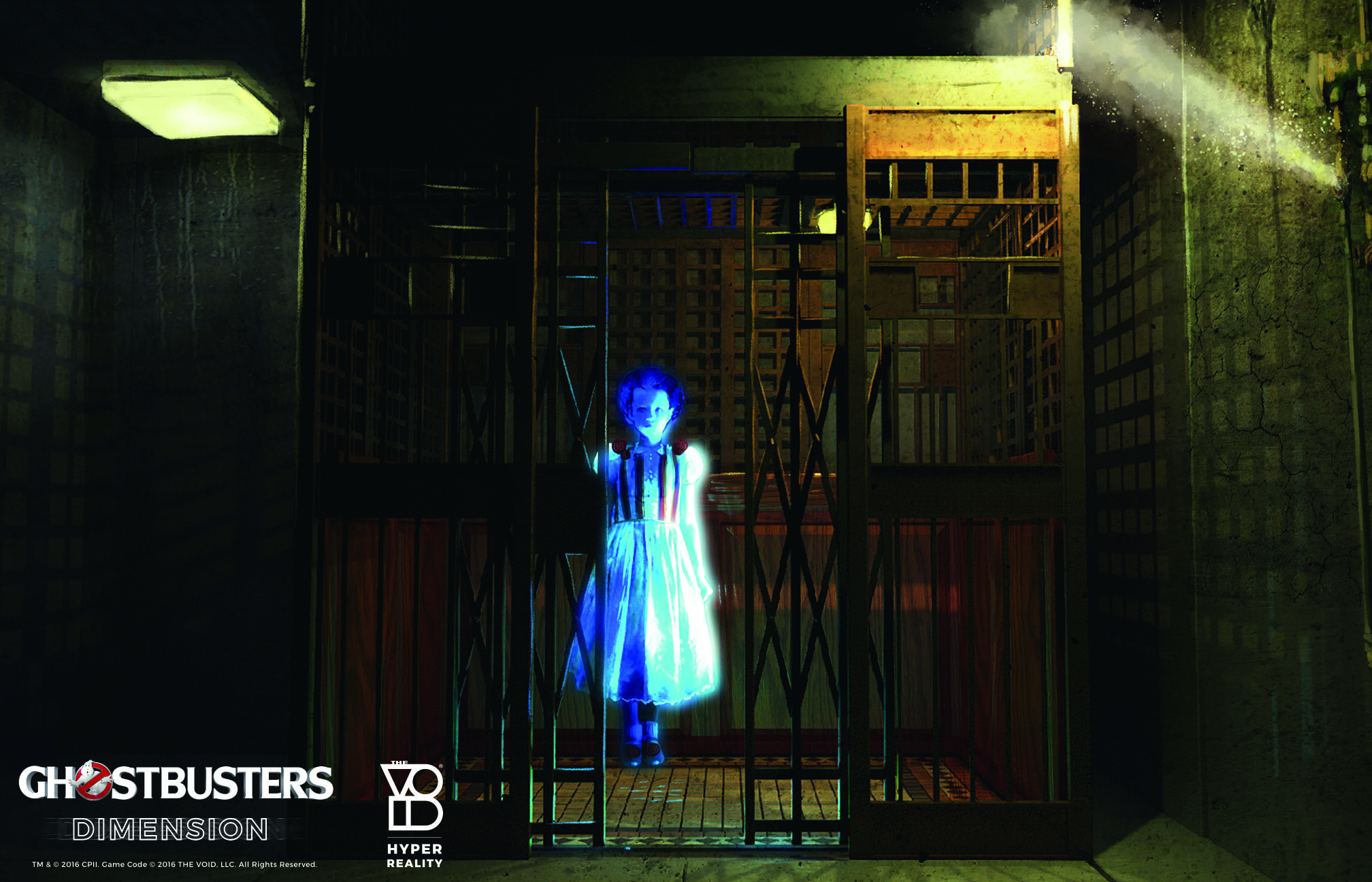
Whether it’s with a mixed reality theme park located in Lindon, Utah, or a “hyper-reality” experience based on the Ghostbusters franchise shown at Madame Tussauds New York, The Void has established a reputation for creating premier location-based virtual reality experiences for attendees to enjoy. Developed in partnership with Sony Pictures, Ghostbusters: Dimension debuted at Madame Tussauds New York last week and gives attendees a chance to see what it’s like to put on a proton pack and trap some ghosts. It’s the Void’s first public installation and it marks the start of more things to come.

James Jensen, chief visionary officer of The Void, talked to [a]listdaily from the Ghostbusters: Dimension premiere about working with Sony Pictures to develop the hyper-reality experience and what location-based VR could mean for the future of entertainment.

James JensenHow did the partnership between The Void and Sony Pictures for a Ghostbusters hyper-reality experience get started?
At The Void, we opened a public beta where people could pay to come in and see our demos, and a Sony executive producer flew in with his son. He paid for a ticket, went through the experience, and started talking to us. Ghostbusters came up, then Tracy Hickman [The Void’s head of story development] and Curtis Hickman [The Void’s chief creative officer] created a storyline and pitched it to the Sony folks. Ivan [Reitman] and everyone said it was amazing, and we’ve got to do this.

What are some of the challenges with working a classic franchise such as Ghostbusters?

The challenges were so welcomed! We couldn’t ask for a more perfect match of our hardware, the Ghostbusters hardware, and Madame Tussauds New York. The challenges were minimal working with Sony; they were great. We worked very closely with Ivan on the experience to make sure it had comedy but was scary—all the things Ghostbusters is.

How did you work with Sony to ensure an authentic Ghostbusters experience?

We worked with Ivan and Jake Zim [SVP of virtual reality for Sony Pictures] on the Sony side to make sure the facts and things we were doing matched the movie. They also gave us a lot of freedom to create our own ghosts, so inside Ghostbusters: Dimension, you’ll see custom Void ghosts that were created in collaboration with Sony.

Do you see virtual reality as having a better chance of success with location-based experiences than with home entertainment?

From The Void’s perspective, hyper-reality and location-based experiences will spread faster right now because there’s no barrier to entry. You pay for a ticket, and you get to go have the best experience of your life. That barrier to entry is really tough in the home market.

We hope to be people’s first experience in virtual reality/hyper-reality so that they’ll want it at home. We don’t feel like we compete with the home market at all—we feel like we help the home market. When people see this, they’re going to want it at home, and we hope that we have the right partnerships in place so that they can take it home with them.

So Ghostbusters: Dimension, or an experience like it, will be adapted for home VR someday?

Yes, that’s actually a part of our roadmap at The Void. We want people to have an experience at The Void, but then go home and continue to play, where they’ll earn items and upgrades. So, when they come back next time, they’ll have a new proton pack, character or something else that they’ll want to use to change the experience up.

How do you think VR will impact the entertainment industry?

I think it’s just going to explode—all of the technologies and software development. We’re working really close with Unity and Unreal. Then on the hardware side, with Nvidia and Intel. They’re all amplifying this to meet the requirements of virtual reality. I think you’re going to see new [graphics] cards, new software and new technology being created very fast to keep up with the demand of what people want. I feel like The Void pioneering hyper-reality is going to push people to get that out there.

We’re always going to be pushing the envelope on our experiences. You’ll always have the highest quality experience that is possible at The Void with the technology and software that we have.

Does The Void use proprietary technology for the Ghostbusters: Dimension experience?

Yes, the Rapture Gear. We’re on several different tracks with all of our hardware. The [haptic feedback] vest and back-top computer are almost complete. The HMD [Head Mounted Display] is in several different states. The one being used now is a hybrid of a couple different things, but it’s in our form factor.

What was your feeling when you went through the completed version of Ghostbusters: Dimension for the first time?

That was just a few hours ago! [laughs] No, it’s been a process, and it’s a little tough to say “completed,” because you have to run hundreds of people through it to see how they react. We’ve been doing that over the last few months and making little iterations and changes to make sure the flow works, that the people have a good experience, and that they’re enjoying it. We are going to keep iterating on that, and since we aren’t constrained like the normal market, we can release new software and hardware updates. So you’ll see those updates at Madame Tussauds over the next few months.

What are the challenges in promoting a location-based VR experience, either at Madame Tussauds New York or The Void attraction in Utah?

I think one of the biggest challenges is getting people to understand what it is. You can’t understand what it is until you go out and see it. In the past, we were reliant on people going through and then spreading the word. It’s really easy once somebody goes through it. [They say] “It’s like nothing you’ve ever seen. You’ve got to go see this thing!” That spreads the word, and we’ve seen that with everything else that we’ve done.

I think inherently, as human beings, we want to go have an experience and come back from it. So the sales pitch is pretty easy. It’s something we all want to do—we want to go into these worlds and explore them.

‘Deus Ex’ Marketing Builds On Human Augmentation Themes

With an emphasis on bridging the fictional future presented in Deus Ex: Mankind Divided with reality, Square Enix has taken a novel approach with the game’s promotion. One of the biggest themes of the game is human cybernetic augmentation—the use of robotic limbs—and the social, economic and political impacts that come with them.

Last month, the publisher released a new video called The Mechanical Apartheid, which dramatically set the stage for events that will take place in Mankind Divided, where a violent global incident sets the augmented and normals at odds with each other.

Building upon that idea, Square Enix announced that it is teaming up with CNN’s Courageous brand studio to create a one-of-a-kind human augmentation conference called Human by Design, set to be held in New York City next month before the game’s release. With it, the companies hope to “explore the intersection of technology and humanity with the objective of bringing together top minds to debate, question and challenge what it means to be human,” according to the company’s announcement.

“The many parallels of the near-futuristic Deus Ex Universe will be explored at the conference, particularly around how technology is rapidly shaping the human condition and the ethics of self-regulation,” Square Enix noted.

“Since the launch of Courageous, we have been committed to pioneering the evolution of branded content to help brands tell more powerful stories,” said Otto Bell, vice president and group creative director of Courageous. “Human by Design greatly embodies this approach, as we’ve assembled a group of thought-leaders across the fields of science, technology, ethics and cyborg activism who, for the first time, will come together to discuss the cutting-edge technologies and innovations that are shaping human augmentation.”

“Human by Design goes beyond bringing to life the key themes of Deus Ex: Mankind Divided. This conference is a special opportunity for a video game to take pause from the limitless world we play in, and to drive the conversation around what is really happening in the space of human augmentation,” said Jon Grant, senior product marketing manager at Square Enix. “Our hope is that the gaming world tunes into the conference and is inspired to get involved as well.”

There will be several panel sessions featuring a number of experts in the field, including E. Christian Brugger, author of various articles that discuss bioethics and natural law theory; and Dr. Natasha Vita-More, a designer and researcher who specializes in the study of biological limited lifespans and selective enhancement.

Those unable to attend the conference in person can watch it all live through Deus Ex’s devoted Twitch channel, along with CNN’s Snapchat Discover channel and Turner’s Launchpad social platform.

To promote the conference, Square Enix has also released a new Human By Design Launch Video, which showcases the “pledge of self-regulation and ethics.”

https://vimeo.com/172766084

Deus Ex: Mankind Divided releases on August 23rd for Xbox One, PlayStation 4 and PC.

‘Minority Report’ Designer Alex McDowell Explains Storytelling In Virtual Reality

World building operates at the intersection of design, technology and storytelling. Zoom the cameras in for a tighter shot, and Alex McDowell can be seen standing smack dab in the middle of its twisting and crossing streets.

The production designerresponsible for “world making” and developing complex future reality stories in such Hollywood classics as Minority Report and Fight Club—uses augmented, virtual and mixed reality frames to disrupt single-viewpoint narratives in order to make sense of the world around us.

The Borneo-born Brit has made a career for over 35 years by constantly evolving in the space, and contributing to its collaborative filmmaking narrative ever since he took his first shot at immersive experiences and virtual reality with The Lawnmower Man in 1992. The science-fiction action horror film is best known for being the first grand unveiling of VR.

In the present, the award-winning McDowell is instilling and preaching the practices he’s plied during his career to an interdisciplinary group of students at USC, where he serves as a director at the World Building Media Lab developing a common language for them to learn from.

In addition to stimulating new kinds of technologies and complex systems, McDowell is also the creative director of 5D Global Studio, a multi-platform, cross-discipline design studio.

[a]listdaily sat down with McDowell at his USC lab to discuss how he’s engaging and interacting with narratives and parallel universe experiences, as well as to discuss the Leviathan Project, which explores new possibilities in entertainment with physical and virtual worlds.

Sony Pictures Kicks Off VR Entertainment Business With ‘Ghostbusters’

There’s something strange in the neighborhood of Times Square, and it’s not hard to guess what. Parked outside Madame Tussauds New York is a Ghostbusters-themed Cadillac hearse, the same model used in the new Ghostbusters movie, in a promotion with Lyft. On July 1 and 2, between 10 am and 8 pm, the Lyft app will feature a special “Ghost Mode” button that will give a few lucky riders in the New York, San Francisco, Los Angeles, Boston and Washington, D.C. areas a free ride from the customized car—complete with lime-flavored Hostess Twinkies and Hi-C Ecto Cooler (both products inspired by the original movie) inside, and a driver dressed in a full Ghostbusters costume.

Meanwhile, inside the famous wax museum, Ray Parker Jr.’s famous 1984 movie theme song is playing, and a crowd of people anxiously await a chance to be haunted. Ghostbusters fever has gripped New York, and Madame Tussauds is at the heart of it with a new Ghostbusters Experience museum exhibit, inspired by the new movie. The exhibit is topped off with a separate “hyper-reality” experience developed by The Void called Ghostbusters: Dimension, where attendees have a chance to strap on proton packs and live out the dream of being a Ghostbuster in virtual reality. It’s a movie promotion that’s unlike any other, and one that leaves attendees wanting to come back for more.

Jake Zim, SVP of virtual reality for Sony Pictures, talks to [a]listdaily from the opening of the Ghostbusters Experience at Madame Tussauds New York about growing the business of virtual reality entertainment, starting with Ghostbusters: Dimension. The movie starring Kristen Wiig, Melissa McCarthy, Kate McKinnon and Leslie Jones premieres in theaters on July 15.

jake-zim
Jake Zim, SVP of virtual reality for Sony Pictures Entertainment

What does the Ghostbusters: Dimension experience mean for the future of Sony Entertainment?

Being here, you can feel the energy at Madame Tussauds with The Void. The Ghostbusters virtual reality experience is really one of the first steps that we are taking to turn VR and our IP into a new kind of business where we can tell narrative stories in new ways.

We’ve done a couple of promotions in the past for The Walk, where we had people walk the actual wire between the Twin Towers, and then for a movie called Goosebumps, where we had people in a chair riding with Jack Black through the town from the movie. Those were both exciting and fun marketing promotions that we did in VR. Coming out of that, we said, “Wait a minute. Maybe there’s an actual business here.” Our colleagues at PlayStation were developing the PlayStation VR platform, so we spent a lot of time with them to try to understand what they’ve been working on and how to create stories for VR. And we’ve worked with a variety of platform partners to understand and educate ourselves on what VR could offer.

Ultimately, our expertise is in storytelling and narrative. The idea of adding a layer of interactivity—or multiple layers, as VR does—into the opportunity for storytellers to tell great stories and artists to create visions in a new medium was super exciting for us. So, we’ve come together as a company, and we’ve started to put together this strategic vision of how we’re going to build that business. This Ghostbusters experience is the first commercial version that we’ve deployed.

Do you think that future movies from Sony Pictures will be filmed with similar experiences in mind?

I think there are a lot of ways that this is going to happen, and that’s one of the many models that we’re going to try. Ultimately, we’re not trying to create the same movie that you’ll see in the theater on a 2D or 3D screen in VR shot-for-shot. What we’re looking to accomplish is, in the example of where there is an existing or upcoming movie, that movie has a world… and that world allows us to create a distinctly unique narrative that’s customized for the VR experience.

So, when we start to develop a movie concept or greenlight a project—yes, we are thinking about what the VR thing is from the inception of any production moment or even the concept. A filmmaker comes to us and pitches an idea, and we’re thinking at the beginning of the process about the VR component of it. But generally speaking, we’re trying to build on and extend the world, instead of overlap or layer into the world too much.

Again, we don’t know exactly how all of this content is going to play out. In some cases, you may want to live a special iconic scene from a movie. You may want to live that in VR, so perhaps we’re going to have to figure out a way to give people a chance to do that. Ultimately, the audience is going to tell us what they want, and that’s what’s so great about entertainment. We can make movies, make TV, and we can make VR stuff all day long. But we have to put it out into the world and let people see how it works and how it feels. In this early stage, we’re going to try a lot of things, learn from it, and keep going back to make great stuff.

What makes Ghostbusters the ideal movie to kick off Sony’s first commercial VR experience?

There are a couple of low hanging fruit answers, which include: Ghostbusters have proton packs, and this VR experience here with The Void has a backpack and proton blaster. So there are a lot of organic hardware reasons why. But ultimately, the real reason why is, I would bet that you can go up to anybody, anywhere—certainly in New York, if not the world—and say, “Would you like to be a Ghostbuster? Would you like to go into the Ghostbusters world with your buddies for ten minutes and bust ghosts?” People are going to say yes because it’s an iconic franchise, the nostalgia is there, and the new movie is on people’s minds.

Whether it’s the classic Ghostbusters or the women from our upcoming movie, they’re fun, funny and “having a good time” kind of people. I think everybody aspires to be like that. So Ghostbusters is perfect for VR because you get to be in the world, and who wouldn’t want to be a Ghostbuster?

Ghostbusters Dimension

Do you think there will be a lot of movie cross promotions with PlayStation VR when it launches in October?

I think it’s clear that we’re going to work very closely with the PlayStation team on a variety of different initiatives related to VR. We believe very strongly that they’ve got a great product and have a great position in the market, and we want to help develop their product as well as develop our own content. Yes, there are going to be some great ways Sony Pictures and PlayStation VR are going to be collaborating in the future. But our goal at Sony Pictures is to make great content, and that’s it. Whether it lives on PlayStation or other places in the world, like here at Madame Tussauds New York, a location-based environment. The core idea is that we’ve got to make great experiences that feature all of the assets of what great VR can offer.

Ghostbusters: Dimension is a great location-based attraction, but have you considered developing content for mobile VR viewers, or premium headsets like the Oculus Rift?

Absolutely. If you think about all of the distribution channels through which virtual reality can be delivered, location-based is just one of them. The in-home market is going to grow over time, and certainly, when PlayStation VR launches in October, we expect it to push the process forward.

The mobile market is already, to a certain level, an addressable audience, and that will also grow. China and Asia are very important for us to look at in terms of what those markets are doing. Each of those different channels have different features that we need to create and develop for. Whether it’s walking around in a 900 square foot environment like the one we have here, in the comfort of your own home, or imagining people doing VR on the subway using mobile devices with a mobile HMD. We’ve got to be thinking about all those platforms and developing properly so that the narrative and the interactive benefit and enhance the value of those platforms.

What were your first thoughts when you tried out the Ghostbusters: Dimension experience?

My first thought was, “This is incredible! I’m actually getting to be a Ghostbuster.” The first version of this experience that I did was a very early alpha, where it was a gray box environment, and I had a proton blaster, and I could just blast a ghost. It was a floating, volumetric, spherical ghost—but my proton stream looked like a Ghostbusters proton stream and the physics of it worked. So, when I latched on that ghost, I could yank it around. Despite the fact that there was no lighting, no shadows, and everything was in a low-poly environment, I got a sense right there that I was present, and I had control and busting ghosts. To me, that sort of blew out some sort of vortex hole in my head and I said, “I’ve got to do more of this.”

Every iteration of this—and I’ve done this ten or fifteen times as The Void guys have developed it—has just gotten more rich and colorful. I’ve found more things about it that are crazy; little Easter eggs here and there. It’s exhilarating for me to be able to watch that process, and I’m very honored to be part of it and help drive it. But at the very base of it, it’s just fun. And that’s what it’s all about.

[a]listdaily Weekly: #SeeHer, Cause Fatigue And Livestreamageddon

Brovertising

When it comes to women in advertising, the industry has come a long way since the Mad Men era, but it’s still a long way from representing women authentically. To change that, the Alliance for Family Entertainment and the Association of National Advertisers recently launched an initiative called #SeeHer to tackle advertising’s biased depiction of women. By 2020, the AFE wants to see a “20-plus percent increase in the accurate portrayal of girls and women” by increasing the visibility of the issue and urging brands to “review their ads and ad development process for unconscious bias.” The AFE will be tracking to see if ads meet their criteria of accurately representing women, while featuring those that do on their website.

‘Cause’ They Can

The Cannes Lions International Festival of Creativity has drawn to a close, and hundreds of proud brands are headed home with their shiny, new awards. While the festival saw a vast array of advertising, those most recognized fought for a cause, touched audiences on an emotional level, or took enormous risks. From Grand Prix winner, The Organic Effectpersuading Swedish families to eat better to Testimonies urging those testing negative for HIV to support those less fortunate, this year saw a popular trend of brands determined to leave a legacy.

stream

Hold on to something sturdy, because you’re about to get push notifications at a nuclear rate. Facebook’s phalanges are flexing some serious social muscle as a major video hub by signing 140 media companies and celebrities to create new content for its Facebook Live service. The move positions the social media giant to keep its 1.65 billion monthly users further engaged with livestreaming, exclusive video productions and more.

Yes, the world has become a fountain of live video, and if you haven’t jumped in already, it’s time to start making a splash. LIVESTREAM ALL THE THINGS!

How ‘Gordon Ramsay DASH’ Is Another Winning Dish For Glu Mobile

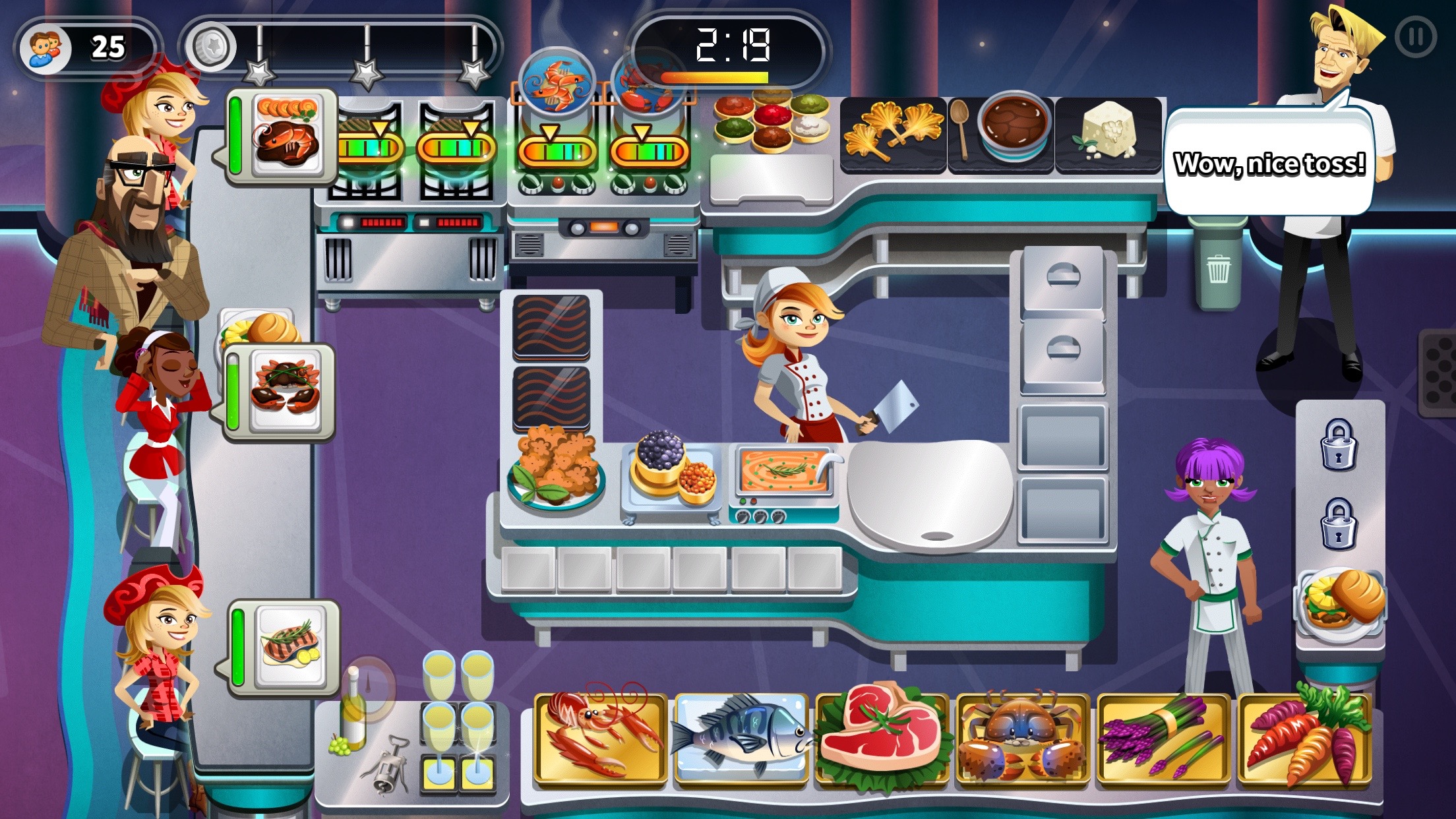
Glu Mobile, maker of the ever popular Kim Kardashian: Hollywood, recently released a new free-to-play mobile game. This time, instead of featuring fashion or pop music personalities, the company is taking the highly addictive gameplay from its Diner DASH and Cooking DASH games and adding some extra flavor by featuring celebrity chef, Gordon Ramsay. With these ingredients, Gordon Ramsay DASH is an experience that cannot be missed.

Internationally renowned chef Ramsay stars in several television shows, with one of the most prominent ones being Hell’s Kitchen, where he is all at once a judge, taskmaster and mentor. That personality, which can sometimes seem as hot dishes being served, is being brought to players in Gordon Ramsay DASH. In it, players are challenged to balance between numerous tasks around the kitchen to make sure patrons are served promptly. Doing well earns Ramsay’s approval and “wichelin” stars (inspired by Michelin Stars, which Chef Ramsay is quite fond of), while providing the funds to upgrade your kitchen’s equipment, as you open a chain of restaurants and become a celebrity chef.

Glu’s president and CEO, Niccolo de Masi, talks with [a]listdaily about featuring the culinary master in Gordon Ramsay DASH, and perhaps provide hints on how to avoid his wrath.

Niccolo de Masi, Glu Mobile President, CEO & Chairman

What is Gordon Ramsay DASH about?

Gordon Ramsay DASH is the newest Glu Mobile title, providing a spin on the storied DASH franchise that offers players the unique, high-stakes experience of building a restaurant empire while being mentored by Chef Gordon Ramsay himself.

What makes Gordon Ramsay the ideal person to feature in a mobile game?

Glu’s celebrity partners are all masters of their chosen fields. Gordon Ramsay is a remarkably accomplished figure in both the culinary world and the entertainment industry. Having opened critically-acclaimed restaurants worldwide, while starring in several highly-rated TV programs, he is the most popular and well-recognized chef in the world. When thinking of our next partner, pairing him with the DASH franchise was a recipe for success!

Recent Glu games have featured actors, fashion designers, and pop music stars. How does promoting an experience starring a celebrity chef differ in comparison?

For all Glu games featuring a celebrity, players want an honest glimpse into their lives. While for our role-playing games like Kim Kardashian: Hollywood and Britney Spears: American Dream we’ve tried to emulate life events for Kim Kardashian West or Britney Spears, for Gordon Ramsay, the gameplay at hand is different. Gordon Ramsay DASH is focused around time management, but still maintains those personal Glu touches, making it evident Gordon was deeply involved every step of the way.

How did you decide on the best way to represent him in the game?

The way we landed on Chef Gordon Ramsay’s in-game persona was completely collaborative. He’s been a terrific partner throughout the development process. Gordon was highly involved from day one, providing feedback on artwork, dialogue and even conceptualizing the games “wichelin” mechanic.

GRD_Venue 3_01

Ramsay is perhaps best known for being a hard pressing taskmaster on TV. How does that personality come out in Gordon Ramsay DASH?

It was important that Gordon Ramsay DASH portray the intensity that comes along with rising up the ranks in the restaurant business. His character is a mentor to the player’s growth within the game; players travel to top venues serving delicious fare while starring in a reality cooking show. If you do well, you’ll get Chef Ramsay’s praise. However if you burn something, look out!

Bluehole Exec Explains ESports Potential For ‘PLAYERUNKNOWN’S Battlegrounds’

Korean game publisher Bluehole is expanding beyond its MMORPG (massively multiplayer online role-playing game) roots of Tera and Devilian by partnering with Brendan Greene (aka PLAYERUNKNOWN), the Irish developer behind the popular Battle Royale gameplay mode for Arma 3 and H1Z1. PLAYERUNKNOWN’s Battlegrounds is being designed from the ground up as a standalone Battle Royale player versus player game.

The open world PC game strands up to 64 players on a remote island without any gear or resources. Players then enter a last-man-standing competition where they try to locate weapons, vehicles and supplies in a graphically and tactically rich battleground in order to survive. Ultimately, the players battle it out in a winner-takes-all showdown in a shrinking arena that engages them in a tense fight to the death.

Dr. Chang Han Kim, production director at Bluehole, has grown an audience of over 25 million players with Tera. He’s now working with the recently relocated Greene on the new game. He talks to [a]listdaily about the company’s eSports hopes and how this new game is being designed for a global audience in this exclusive interview.

Why are you expanding into the Western market?

Bluehole has always been very active in pursuing the Western market through Tera, especially through our Seattle-based subsidiary, En Masse Entertainment. Tera has been very successful in the west, thanks to the combined efforts of Bluehole and En Masse Entertainment. However, a lot has changed since we launched Tera, and at this point, we see a global gaming market more than individual territories. I believe our upcoming project is part of a larger movement of developers launching games for the global audience.

Why did you decide to partner with Brendan Greene for your first Western game?

I was primarily an MMORPG developer throughout my career, but I always had my eyes on Battle Royale gameplay on multiple platforms. After deciding that I wanted my next game to be in the Battle Royale genre, it was an easy decision to try and get the original creator of the genre, PLAYERUNKNOWN, on board as no one has a clearer vision on the genre than the creator himself, who has been living and breathing Battle Royale for over four years. I am very certain that when PLAYERUNKNOWN’s vision of the genre meets Bluehole’s development and art expertise, we’ll be able to provide a truly exciting Battle Royale experience set in a realistic open world with deep gameplay and strong combat mechanics.

How does Brendan Greene fit into the Bluehole Alliance, and how has that development consortium been working out?

Bluehole has been dedicated to pursuing the global market for a very long time, and bringing the Battle Royale and modding expertise of PLAYERUNKNOWN from Ireland to Korea when he joined the team as the creative director is very much in sync with what we hope to accomplish as a company. The collaboration is going very smoothly and PLAYERUNKNOWN’s clear vision on the project has been extremely advantageous in making progress with our development.

I kicked off my discussions with PLAYERUNKNOWN thinking to myself, “Why can’t a global project be developed by a global team?” When we started talking, I was pleasantly surprised by the fact that we already had so much in common in how we envision the Battle Royale genre, and everything pretty much took off from that point on. There are even more “global” developers joining, so we have quite a diverse team at this point.

What will differentiate Battlegrounds from Brendan Greene’s past mods in terms of the gameplay experience?

PLAYERUNKNOWN’s vision on the project has been very clear from day one. We are focused on creating a complete Battle Royale experience that provides an in-depth loot system with large arrays of items and attachments for weapons, strong combat mechanics, and a realistic open world setting where strategies—alongside your gun skills—really do matter

Our primary goal is to create a Battle Royale game that’s highly competitive, balanced, and fun to play, and we plan on adding more game modes in the future to provide diverse experiences.

How will your company’s publishing background help Brendan Greene with this development?

Throughout our experiences developing Tera and seeing how well it is doing not only in Asia but also in the West, I believe that Bluehole is capable of creating games that can truly be globally appealing. We have very high standards for our quality. I believe that with the expertise we have gained over the years of developing MMO games and with PLAYERUNKNOWN’s vision being so strong, we can really build a compelling Battle Royale standalone game.

What business model will you employ with Battlegrounds?

It’s still quite early of a development stage, so nothing has been confirmed yet, but we will be targeting to release this as a paid title, rather a free-to-play one.

How do you think the success you’ve had with games in Korea will translate to marketing this game to a Western audience?

Thanks to En Masse Entertainment, we’ve had much success in bringing Tera to our Western audiences over the years, and there could be many areas where we could capitalize on our past experiences to try to better market our new project. However, there are also many differences between the two games (business model, genre, timing of the launch, etc.) so we’ll always need to adapt and find what’s the most appropriate for this new project. First and foremost, we’re focused on creating a good game, but we plan to conduct a very open development process as well. We hope to get very closely engaged with the community, share a lot of the stuff that takes place in our office, seek feedback as much as possible, and just really focus on creating a good game.

How much crossover has there been for Tera and Devilian in the US?

Since Tera and Devilian are both fantasy MMORPGs, there is a certain amount of crossover between the audiences for the two games. Our main goal is servicing the players of each individual franchise, but we keep an eye out to see if there’s something that can work for both games. It’s good to share learning between franchises.

Daybreak Games has turned Brendan Greene’s H1Z1 mod into an eSport. What eSports opportunities do you see for Battlegrounds?

I believe that the Battle Royale genre has great potential to become a major eSport, and that was one of the common visions that I shared with PLAYERUNKNOWN. However, we also agreed that before committing ourselves to turning Battlegrounds into an eSport, it is much more important for us to be focusing on creating a good game that can be suitable for an eSport. The competitive balance and tuning has to come first, then we’ll explore the possibilities.

What opportunities has eSports opened up for marketing games to a global audience today?

I believe that there are more people watching Battle Royale games being played on Twitch than those actually playing them. This genre is not only fun to play, but also very fun to watch. This trait itself makes it very attractive and opens up many possibilities for it to become an eSport.

Outside of Blizzard (World of Warcraft) and ArenaNet (Guild Wars 2) there haven’t been many MMO eSports. What opportunities do you see for your existing games in that arena? 

Based on my 16 years of experience developing MMORPGs, it is very difficult to turn an MMORPG into an eSport, mainly due to the characters’ growth factors. A Battle Royale game, for instance, makes more sense since every player starts the match on equal footing.