How Virtual Beauty Is Changing The Fashion Game

Mobile beauty is a growing millennial mindshare changing how leading and indie luxury fashion brands are reaching makeup mavens looking to discover new products and looks.

As purchase and consumption habits evolve, so does the journey, and augmented reality is increasingly playing a larger role throughout a beauty brand’s core e-commerce strategies with its unobtrusive informational overlay to help drive conversions.

NR_02_red_carpet

Looking for a new lipstick? AR is instantly adding true-to-life virtual tools to create individual looks for each user without having to sit in a chair at a brick-and-mortar. The omni-channel experience adds a strong social component allowing users to interact with each other through highly engaged communities.

One such leading app in the beauty sector is YouCam Makeup, which offers realistic “magic mirror” facial recognition that maps a user’s facial features so they can experience true-to-life makeup effects and virtually try on products from brands in real-time.

YouCam Makeup partnered with Elizabeth Arden last year to create a digital beauty experience that integrated a selection of Elizabeth Arden’s color cosmetics within its virtual makeover interface, with the option for direct purchase from the cosmetics company.

And it’s not only Elizabeth Arden aligning forces with partners like YouCam Makeup to seamlessly merge the real world with an animated one.

Sephora, L’Oréal Paris and CoverGirl are just some of the major key players in a space that is growing by the day. According to a Demandware study, 72 percent of US beauty brands are testing a form of “guided selling” to push sales, like Snapchat lenses and AR.

Alice H. Chang, CEO of Perfect Corp., the parent company of YouCam Makeup, joined [a]listdaily to discuss how they’re reinventing the traditional online cosmetic shopping experience and how they’re transforming how consumers, content creators and beauty brands interact together.

WWD_PF_Alice
Alice H. Chang, CEO of Perfect Corp.

How does YouCam Makeup leverage AR in innovative ways to reach consumers?

In the future, we imagine that AR will be incorporated into all elements of the beauty journey, and virtual makeup try-ons are just the beginning. While it’s a long road to bring AR to its full potential, including developments in 3D beauty AR, we are committed to delivering the most true-to-life experience that is both natural and realistic. To give you an idea of the possibilities, we’re preparing to introduce a complete overhaul to our engine that will make it literally impossible to distinguish AR from reality, utilizing real-time video. We’re also interested in applying AR to skin care and continuing to push the barriers for more sophisticated color cosmetic effects. In the future, we see a democratizing of beauty as AR becomes an essential piece of the digital lifestyle and social identity.

How was YouCam Makeup’s activation received at the Golden Globes this year? What data can you share from the experience?

YouCam’s Golden Globes activity marked the first time YouCam ever released Golden Globes red carpet looks in real-time. By collaborating with InStyle’s editors to define the trending styles of the night, we were able to deliver a one-of-a-kind experience for our fans—allowing them to virtually try on beauty looks from stars like Chrissy Teigen, Kerry Washington and Lily Collins the morning after the event. We’ve gotten overwhelmingly positive feedback on this interactive content from the media and social media as well as in the apps with over 886,000 try-ons to date globally.

How did Perfect Corp. take part in the CES Fashion Tech Runway Show? What was your main takeaway from the show?

YouCam participated in the first-ever AR fashion show at CES BeautyTech in Las Vegas earlier this year. We showcased our unique virtual beauty looks on the runway by having models walk down the runway toward a YouCam Makeup kiosk in place at the end of the runway. Once at the kiosk, each model looked right into the makeup mirror and the model’s face with a complete makeup look was virtually projected through the app on a large screen above the runway. This made it possible for all to see the 3D AR technology live in real-time. Models’ looks were applied and changed quickly in real-time. Each model had four different looks in just eight seconds using the AR technology. This first of its kind high-fashion-meets-high-tech moment transforms the traditional catwalk experience by adding a whole new level of creativity and interactivity.

What is YouCam Makeup’s integrated marketing strategy for reaching your reported 370 million fans who’ve downloaded the app?

Our teams work tirelessly to identify and integrate the most innovative trending content into the YouCam Makeup app (iOS; Android), delivering a complete beauty experience for our users—discover, try, share and buy. From coding in the latest line of MAC lipstick shades to the red carpet unveiling, Halloween or fashion week exclusive beauty content and working with the hottest make-up artists, we keep a close reign on the latest and greatest to keep things fresh. Our multi-tiered strategy focuses on shared, earned and owned marketing efforts integrating our cosmetic brand partners and tier-one media outlets like InStyle, Glamour and many others.

Why has influencer marketing turned into a perfect pairing with fashion?

With the maturing of the millennial and Gen-Z audiences, influencers are stepping into the forefront since these younger user groups are much more inclined to trust feedback from influencers than from brands or traditional media outlets. We believe that authentic influencer voices create truly engaging experiences for our community of beauty lovers. YouCam works very closely with influencers in our apps since they are the ones defining the next big trends. Partnerships like our 2016 Fashion Week collaboration with Glamour showcased content from the runway defined by influencers and by select fashion world elite to give our audience the best of both worlds.

Why is it a smart move for luxury fashion brands to go big on AR?

As news headlines show more physical stores closing their doors, we believe integrating innovative mobile solutions—going brick-and-mobile—is one way for fashion and beauty brands to stay competitive. Mobile solutions such as in-store AR kiosks can help bridge the gap between digital and physical commerce by facilitating the discovery and product trial by alleviating obstacles of in-store shopping. Luxury brands should leverage the benefits of AR but know that not all AR experiences are born equal. With any digital adoption, the brands need to be very selective and bring real value to consumers, or else it is simply a gimmick. In the increasingly AR-driven world, the AR technology must be as close to the real thing as possible or it won’t meet the consumers’ expectations. AR must also be easy to use so that they don’t feel like they need a user manual to operate it. For beauty AR, it should be as effortless as looking in the mirror or taking a picture, and thus accessible to everyone with a smartphone.

What is on top of your marketing “hot list” this year? What emerging trends are you zeroing on in order to explore and innovate the brand? Is there a new product or service that you think will influence decisions?

AR and 3D are definitely at the top of our list and continue to redefine the industry from a content and e-commerce perspective. The release of a new 3D AR engine into our apps will be a huge deal because the power of next generation 3D modeling is so accurate you can try on hairstyles and intricate costume makeup that surrounds your whole head. The level of precision and fidelity of the new 3D AR tool will completely transform how the beauty industry uses mobile technologies to engage and interact with consumers across virtual channels, including e-commerce, social media and live casting, and even in brick-and-mortar stores with dedicated ‘magic mirrors.’ Next time you shop, don’t be surprised to see AR already on your screen.

How is AR changing the way consumers use mobile? How do you think mobile AR will further evolve in 2017?

AR is changing the way people shop and is making brands accessible to more people in more ways than ever before. People are interacting and engaging differently with a greater variety of products and experimenting with new styles, so that finding exactly what they’re looking for is easier than ever. YouCam Makeup has completely changed the way people can try and purchase makeup. Through visual recognition and the most accurate facial mapping, YouCam Makeup gives a true-to-life virtual makeover anytime, anywhere. Gone are the days where you go to a store, try on several questionably clean samples, buy a lipstick and take it home only to find out that it’s not the right shade. People can try on lipstick from top beauty brands in the comfort of their own home. When it comes time to purchase, they know exactly what it will look like. Looking forward to the future of beauty AR, new developments will bring about more sophisticated ways to enhance beauty with intricate effects and creative applications.

Follow Manouk Akopyan on Twitter @Manouk_Akopyan

Make Way For New Gods: ‘Smite’ Continues ESports And Console Growth

Although Hi-Rez Studios is finding great success with games such as Paladins, Smite remains the company’s flagship title. The Hi-Rez Expo held earlier this month was billed as the Smite World Championships in previous years, and fans come from all over the world came and sold out seats at the Cobb Energy Performing Arts Center in Atlanta, Georgia to watch pro teams take each other on in the MOBA game where gods from different pantheons team up to do battle. In fact, the game is so popular that the Hi-Rez Expo showcased two spin-off games, Smite Tactics and Smite Rivals, so that attendees could experience the game in different ways.

Chris Larsen, executive producer for Smite, Hi-Rez Studios

Chris Larsen, executive producer for Smite, spoke to [a]listdaily from the Hi-Rez Expo to discuss how the game has grown as an eSport and how greatly the player base has expanded since launching on consoles.

Larsen begins by talking about how new content is released every two weeks in the form of new gods and maps, in addition to how the rules for Conquest (the game’s most popular competitive mode) is changed. Season Four will see even more key changes to Conquest, with new objectives that give more positional advantages. Most notably, The Morrigan was added to the roster this month. She is the first god from the new Celtic pantheon, which will be a major focus of the game this year. However, that doesn’t mean that existing pantheons will be overlooked, as Hi-Rez will continue to expand them.

“More specifically, we’re going to go back to the Hindu pantheon,” said Larsen. “We didn’t release any Hindu gods in the last twelve months, so we’re going to go back and revisit that.”

We asked about how a game that has continually updated rules fits into the world of eSports, considering how traditional sports generally have more constant rules.

Larsen explains: “Obviously, eSports is different from football and soccer. Players expect that—since new gods and abilities are being added on a regular basis—the rules of engagement change. In eSports, changing the map and strategic elements of it adds more excitement, and it gives players something to do during the season changeover: figure out what the new meta is. It’s also good for players coming in for the first time after the season changes. The gaps in strategic knowledge of the game aren’t so big. In February, when we make changes to Conquest mode and add new things to Clash and other maps, new players won’t be at such a disadvantage.”

We asked Larsen if it was difficult for Smite to attract new players, after having been out for over two years, or if the company was putting its focus on existing and pro players. “It’s a balance,” said Larsen. “We have people who used to be in the pro scene who work for us now, and we’re also in tight communication with many of the teams. We take their input about changes to make sure the game is at the highest competitive level possible. At the same time, we have to have more casual elements to the game. We have to cater to people who don’t play Conquest at all. That’s why Smite has a number of different game modes, and some are supposed to funnel the casual audience and new players toward Conquest. For example, the new Clash map we have this year was re-arted to be Egyptian and we fixed some of the objectives that we thought were not helping players learn Conquest. Those things don’t help pro players, but it adds a fresh coat of paint for new or returning players.”

Larsen also discussed an issue that many competitive games face, where experienced players intimidate or drive away new players. “That’s going to be a big focus for this year,” he said. “Bad manners will always happen in the game, but we’re going to introduce something called team consumables. In the match lobby, you have a limited quantity of things that help the entire team, which are purchased using in-game supplies. If you’re someone who gives that team bonus, the chances of your team lashing out at you during a match may be lower. The other avenue is matchmaking and making sure that you’re with players that are of equal skill level. But we’re looking at other things, like the player reporting system. Last year, we added a feature where, if you reported someone that we suspended or took action on, you got a notification that thanked you for reporting the misbehavior. We don’t mention specific names or actions, but it’s usually enough to show players that their voices do matter.”

When asked about how Smite engages with its growing audience, Larsen said that it was primarily through social media. “We’re very active on Reddit, but not so much on Facebook—although the marketing team does interact on Facebook. We’re mostly Twitter, Reddit and our own forums.”

So, what is the key to growing a game as an eSport, compared to a traditional competitive game? “Prize money?” Larsen said jokingly. “For MOBAs, it’s just a shoo-in. Games like Dota 2 and League of Legends have forged the path to making MOBAs eSports games, and people like to watch them. For us, it’s also about structuring our LAN tournaments so that there’s a healthy new population of players that can grow into the game and get into the pro scene. The Challenger Cup is a very important avenue for nurturing new players and competitors into something that might be able to challenge the pro teams later on. We’ve seen a lot of people—entire teams—come up from the Challenger Cup. If they win there, they automatically get a spot to play against the pros, then they’re in the pro scene.

“The other avenue is—and this has happened more than once in Smite—ranked play in our league system. Ranked play is a small community, making up between three to five percent of the population, but you get a lot of visibility. You start playing against the best players through matchmaking, so they get to know each other through that indirect exposure and teams recruit from people doing well in ranked.”

With the inclusion of The Morrigan, there are 84 gods featured in Smite. We asked Larsen about when Hi-Rez would consider slowing down the introduction of new characters. “I think at some point, you ramp down the production of gods and start focusing on other things,” he said. “But our cadence is releasing a new god once a month, and we still feel that that’s an appropriate amount of effort. At some point, we might decide to pull back on that, but for now, I think we can still continue on to that magic 100 number and see where we’re at then.”

Smite-2Larsen also discussed how Smite has grown on consoles since its release on Xbox One in 2015 and the PlayStation 4 launch last year. “I’m really excited for 2017 because all platforms have been rolled out,” said Larsen. “The growth has been phenomenal. We have as many players on one of the console platforms as we do on the PC, so our player base has doubled. Smite fit easily into console play. League of Legends couldn’t launch an exact copy on consoles because the controls wouldn’t work. But Smite has a third-person perspective, and those that play games like Destiny are already familiar with it, so the game fit tightly in that environment.”

Larsen also stated that console players had a kind of hunger for the MOBA experience to come to their platforms. “When we launched on consoles, a lot of people said, ‘finally, we have Smite on Xbox.’ Smite was out for so long before coming to consoles, that there was a lot of knowledge about the game, even for people who didn’t play.”

However, there was some initial concerns regarding the console launch. “We were kind of nervous at first,” admitted Larsen, “thinking that players who owned both an Xbox One and a PC might migrate to the console and pull away from the PC population. I think it did in the first couple of months, but that was a very small percentage of people. Now console players see their friends on consoles, and new players come from that environment—they don’t get sucked in from the PC. We have seen some people go to console then return to PC.”

So, what is it about Smite that appeals to so many people across different platforms, leading to the launch of two spin-off games? “A lot of people are into the lore and mythology of Smite,” Larsen said. “The character development that we’ve done has spurred on interest in other people’s cultures and pantheons. Bringing those elements to different games with a different context has just been very straightforward, and people have been very excited about it. It’s an IP that we want to extend to other things. Tactics, which is a strategic card/board game has been great, and Rivals—which is more of a casual mobile game—is another avenue where we can take things that we’ve worked on for many years and translate it into a different context.”


Learn everything you need to know to invest in today’s fastest-growing media channel—Competitive Gaming and eSports on 2.16.17 in Los Angeles. Go to alistsummit.com for more info.

Dell Expands ESports Investments With ELeague Partnership

Dell used CES 2017 to announce a new partnership with Turner and WME/IMG, and the company is now an official partner and exclusive PC hardware provider for ELeague. Alienware Auroras with Dell 24-inch gaming monitors will be used for all competitions, beginning with the Counter-Strike: Global Offensive (CS:GO) Major taking place January 22-29 in Atlanta, Georgia.

Bryan de Zayas, director of Dell Gaming, told [a]listdaily that the company has been partnering with eSports organizations for the last five years.

“We’ve had long-standing relationships with Team Liquid and Team Dignitas and we’ve sponsored the Intel Extreme Masters and other leagues over the years,” de Zayas said. “What we helped to do is not just sponsor teams. Any brand can slap a logo onto a jersey or website. Our interest is in helping these teams and organizations become better at their craft.”

Just as a driver is tied to their car in racing, where they rely heavily on technology for performance, de Zayas said there’s a similar reliance on performance and power in eSports. “Sports teams that know how to market sports are buying into it,” he said. “It’s great for eSports teams and great for us because we helped to build and work with these teams over the years.”

The recent acquisition of Team Dignitas by the Sixers and Team Liquid by Axiomatic showcases that eSports is becoming mainstream. According to Newzoo, the global eSports audience will grow from 256 million to 345 million viewers and revenues will surpass $1 billion over the next three years.

“Gamers around the world are interested in what’s happening in eSports,” de Zayas said. “We see a synergy between what pro gamers are looking for in performance and what gamers are looking for. And eSports is reaching a wide range of gamers from those who want the best PC gaming hardware to those who want more affordable options.”

The Turner partnership will help Dell market its Alienware brand with both a television and digital audience.

“ESports tournaments have been online on Twitch or other livestreaming services for years and gamers around the world and in North America understand they can watch them,” de Zayas said. “That’s a key part of how ELeague is run. They stream over 90 hours of CS:GO for a tournament. What Turner is dedicated to doing is bringing this eSports tournament style gameplay to TV because there is a larger audience interested in it. It’s a natural expansion from digital online to a TV experience.”

While this sponsorship provides an opportunity to reach a lot of gamers around the world, what was most interesting to de Zayas were the opportunities to improve the experience for the pro gamers competing and the viewers watching.

“Turner wanted a partner to work with them on things like improving the analytics behind tournament gameplay, helping pros prepare for their game and tournament and helping them provide a better viewing experience for gamers,” de Zayas said. “It’s great for branding and playing on Alienware hardware, but for us, over the long term we’re interested in helping to build this industry overall.”

In addition to having Alienware hardware featured throughout tournaments, there will also be TV commercials and a digital ad spend. However, since the deal was just signed a few weeks ago, this first CS:GO Major won’t feature some of the new innovations de Zayas is interested in.

“But over time you’ll see more on the news around how Turner and Dell are partnering to make the pro gamer better at their craft through training programs and analytics, and making the experience better for the viewer,” de Zayas said. “You’ll start noticing this stuff in the second or third tournament this year.”

One example de Zayas provided, which hasn’t been solidified yet, would be working with eye-tracking company Tobii’s technology, which has been integrated into Alienware hardware.

“Their solution is unique because if integrated the right way it can bring a new level of analytics to eSports teams, including where their eyes are looking on the screen during gameplay,” de Zayas said. “It can track all of this information in real-time and convert it to data that players can use to get better at their craft. For the viewer, this type of real-time tracking of what pro players are doing and where they’re looking can help them get better at playing these games.”

The PC industry is currently seeing eSports and virtual reality drive renewed interest in upgrading hardware. These two popular segments are already beginning to blend with companies like Intel, Valve, ESL, NextVR and Sliver.tv getting involved. “The opportunities for VR and eSports are endless,” de Zayas said. “It’s a natural progression for folks who have a VR headset to have a more integrated viewing experience.”

Looking further into the future, de Zayas believes VR arcades could open up new competitive gaming opportunities.

“Something that may come to fruition in a couple years is the advent of VR in backpacks like what we’ve done partnering with Zero Latency and their free roam arcade,” de Zayas said. “I could see that turning into a cool physical sport element of running around and diving around things while playing in VR.”


Learn everything you need to know to invest in today’s fastest-growing media channel—Competitive Gaming and eSports on 2.16.17 in Los Angeles. Go to alistsummit.com for more info.

Ubisoft’s Brand Messaging Says, ‘We’re Here For The Long Haul’

You know the games—Assassin’s Creed, Rayman, Far Cry, Just Dance . . . but behind the popular titles and eSports competitions is a publisher with something to prove. In short, the company wants fans to know that it’s here to stay as a publisher, as a creator and as a service provider.

What’s Next In Tech

One of the world’s largest and most popular video game publishers today, Ubisoft has made tremendous strides from five brothers in a small French village to over 10,000 employees worldwide. With time comes technological and social advances—both of which the company has readily adopted. Ubisoft was one of the early supporters of the dual screen Wii U experience and it has announced three games for the new Nintendo Switch (Just Dance, Rayman Legends and Steep). The company has taken full advantage of motion sensing technologies like the Kinect and PlayStation Move with games like the popular Just Dance series and Child of Eden. Now the video game publisher is looking to help pioneer the VR era, which has gained over $1 billion in investment last year. Unfortunately for some fans, Ubisoft will no longer develop games for the PS3 and Xbox 360 in favor of next-gen consoles.

Even the publisher’s subject matter adopts the latest in current and future technology, such as hacking in Watch Dogs or advanced weaponry in The Division. This past January, the publisher announced a partnership with SpectreVision to create original interactive virtual reality programming, in addition to Ubisoft’s already growing list of VR products like Eagle Flight, Star Trek: Bridge Crew, Werewolves Within and the Assassin’s Creed Experience.

Assassins Creed Experience

Story Expansions

Video game movies have a bad reputation, but the Assassin’s Creed film starring Michael Fassbender has thus far been a moderate success, having opened at number one in the UK. Meanwhile, The Division film adaptation is already in the works, with Jake Gyllenhaal attached to star. While they can’t all be as financially successful as say, Resident Evil, Ubisoft is branching out into Hollywood to tell its stories in new ways . . . and hopefully, change the reputation of video game movies in the future.

Tie-ins for the small screen have also been an effective way to expand franchise lore—partnering with YouTube creators for The Division: Agent Origins, rapper-turned-actor, Tip “T.I.” Harris joined for a short film leading up to the events of Tom Clancy’s Ghost Recon: Wildlands. Meanwhile, Die Hard director, John McTiernan has signed on for a live-action commercial.

Stand By Your Game

Ubisoft doesn’t walk away once a game is released, Ubisoft’s vice president of live operations, Anne Blondel-Jouin told [a]listdaily, “whereas before, when games were launched, nearly all of the team transitioned to another project. Now the team continues to create and deliver new content, improve the game and maintain dedicated support should issues arise.”

“We don’t have an expiration date on a live game,” she said. “As long as we can keep providing the best experience to the gamers, and as long as they are still enjoying the content, it makes sense for us to continue our support. The Crew has been around for two years already and Rainbow Six Siege is entering its second season soon; we can’t wait to see how it goes but it is ultimately up to the gamers to decide! Our responsibility is to keep delivering the best quality possible in everything we do and continuing to listen to and engage our dedicated community.”

What It Means To Treat Games As A Service

A major trend to emerge in video gaming is how more games are being treated as a service. Whether it’s through eSports or continually adding content through free updates, premium DLC and season passes, the life of a game can be significantly extended when it is treated as a service.

Peter Warman, CEO at Newzoo, told [a]listdaily that “season passes tie players to the game longer by forcing them to make an initial investment.” He then followed-up by saying, “console developers are slowly breaking away from the traditional ‘pay once and you’re in’ model, though it’s proving to be slow going. Many console players have reacted negatively to the development of these models, due to their familiarity and satisfaction with the pre-existing model.”

So, it is becoming clear that publishers and developers need to find ways to maintain player engagement over the long-term, and in some cases almost indefinitely, in order for their games to survive in an increasingly service-driven market.

Nielsen’s director of games, Nicole Pike, believes that it’s a matter of timing. “One of the most important aspects to me is not only about understanding consumers’ wants and needs for games, but making sure the timing for that is right,” she told [a]listdaily. “I think timing is the biggest thing. It’s very hard for publishers offer up content to a diverse group of gamers within their fan base. Not all games are created equal, and not everyone is playing the same game. They (players) have different ability levels and different drivers and needs for why they play the game and what content they want. One of the big mistakes that can be made with that type of model is not having content out soon enough for early adopters because they’re the ones who are playing, buying more content, buying it earlier, and (most importantly) telling other people about it. So, if you don’t satisfy them with the content that they need, upfront and early, then you’re going to lose that recommending opportunity.”

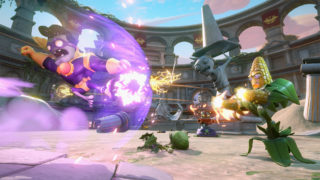
garden-warfare-2

Part of treating a game as a service is having a strong plan at launch. “‘Games as a service’ means having a plan when you launch your game and, even more importantly, being ready to make changes to your plan after you launch,” said Marcel Kuhn, associate producer for Plants vs. Zombies: Garden Warfare 2 at EA PopCap Games. “You can fine-tune your Live Service Plan by having open betas and looking at what other games are doing, however having your community play the final game and provide you with feedback is by far the best way to adjust the plan in a meaningful way.”

With high-profile games such as Tom Clancy’s The Division, Rainbow Six Siege and The Crew, Ubisoft has been steadily releasing live service games to engage its fan base. When asked about what treating a game as a service meant, Ubisoft’s vice president of live operations, Anne Blondel-Jouin, said: “Games as a service, or live games, refer to games that offer an evolving long-term, entertaining experience for our players. They often have a focus on online competitive multiplayer experiences such as Tom Clancy’s Rainbow Six Siege but they can also include other types of game experiences like The Crew. ‘Live’ refers to all the activities and interactions created for the game community including pre- and post-launch as well as regular updates, new content, and events both in-game and out-of-game, etc. throughout the game’s lifespan.”

Blondel-Jouin also expressed that the key to maintaining a game over and extended period of time is get feedback from the dedicated community. This is a strategy that is echoed by many developers that are looking to develop and grow a game as a service.

https://www.youtube.com/watch?v=5mVYnfJS73U

Hi-Rez Studios, makers of the hit free-to-play eSports games Smite and Paladins, is well versed in maintaining long-term engagement. The company’s co-founder and COO, Todd Harris, had this to say about what having a game as a service means:

“Number one, it (games as a service) means that you’re never done. Release is the starting line, not the finish line, and that’s a key part of it. It also means that the more community-driven your development approach can be, the better. The way we (Hi-Rez Studios) approach games as a service is to try to be transparent to the community about what we’re thinking and also take their feedback. It also means trying to be always on. You’re minimizing downtime, so there are a lot of technical and operational challenges that come along with that. That’s an area that we’ve continued to improve, as we have multiple games.”

Last year, icejam launched a game called Qurius (pronounced “curious”) for mobile devices, and introduced the term “connected reality” into gaming in doing so. In using real-time weather to determine the player’s experience, the game takes engagement with the real world to a new level. But, in order to grow, the company must continually engage with its expanding community and adjust its plans accordingly. When asked about what treating Qurius as a service meant, the company’s CEO, Stuart Duncan, told [a]listdaily that, “it’s kind of the premise from where you start. We consider the last two years of Qurius development to be the starting line. Once we deliver it, then we can have that interaction with a customer on a real-time basis. Anytime you’re having a real-time interaction with a customer, you’re providing a service. We take a customer service approach and try to make sure that everyone coming in to this [game] world has a great time and get the value for any dollar they may spend. With that regard, many features will be enhanced or brought into the experience and ones that aren’t working will be removed. It’ll be a constant tuning of the game.”

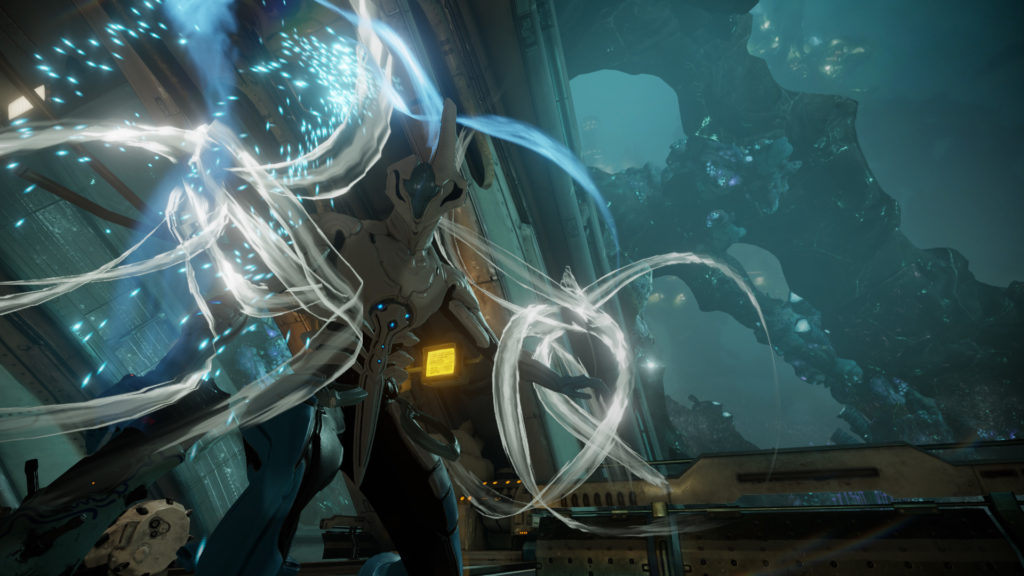
Warframe

Meridith Braun, VP of publishing at Digital Extremes (makers of the free-to-play action game Warframe) explained how a constant feedback loop with the community was critical to a game’s long-term success.

“It’s like any other great service that you participate in as a consumer,” said Braun. “Games as a service is constant attention to the players—making sure that you’re making something great for them while giving them the attention that they need and expect. It’s also working with them to continually evolve the game over time. If you don’t pay attention to those things, you’re going to die off very quickly.”


Todd Harris will be speaking at [a]list summit on 2/16/17. Go to alistsummit.com for more info.

How Sundance Is Supporting Bold, Immersive Storytelling

Calling all movie buffs—here’s a question to kick off some quick conversation this weekend: What do the films Reservoir Dogs, Memento, Napoleon Dynamite, The Usual Suspects and The Blair Witch Project all have in common?

They all premiered at the Sundance Film Festival, the always-exciting artistic showcase that delivers each year by contributing content and conversations to culture and creators from all stages of storytelling.

Founded in 1985 by Robert Redford, the much anticipated Park City-based Festival that delivers annually with a diverse slate of films commenced in the mountains of Utah on Thursday for an 11-day run.

In between the ski slopes, handshake deals and chaos of creativity, there’s plenty of pomp and pageantry, too—minus the paparazzi—for the filmmakers, movie buffs, stars, C-suite executives and critics who make the field trip to Park City to catch both the big hits and festival flops.

Jared Hendler, director of marketing for the Sundance Institute, took a brief break from the festival to join [a]listdaily and detail how the Sundance Film Festival will deliver this year with environmentally focused programming, how storytelling is evolving and the current trends he’s keeping close tabs on. 

jared_hendler_headshot_-_mug_2016
Jared Hendler, director of marketing for the Sundance Institute

The Sundance Film Festival this year will open with a documentary about climate change starring Al Gore in the ‘Inconvenient Sequel.’ Why did you choose to kick-off with this particular project? Are there any themes Sundance-goers can expect this year?

Our programming team has been discussing the idea of an environmental focus for a long while, especially because it’s one of Sundance Institute founder Robert Redford’s most pressing causes. ‘The New Climate,’ as we’ve chosen to call our first-ever thematic programming thread, is a collection of documentaries, short films, virtual reality experiences and off-screen panels about environmental preservation, stewardship and climate change.

What kind of a role will VR be playing this year? How are these immersive experiences being received at Sundance? Is there an appetite?

There’s an immense appetite for VR storytelling. This was the first year that our curators opened submissions for the ‘New Frontier’ category and I know they were so impressed with what they found. Shari Frilot, our chief curator, was able to cherry-pick the absolute latest and greatest of AR, VR and otherwise tech-enabled stories, from artists on the cutting edge.

How is the American independent film market progressing? What common themes are you noticing?

Perhaps it’s the digital age, perhaps it’s the 24/7 news cycle—both of which can be dehumanizing to some degree—but people are more drawn than ever to telling deeply human stories. That rising tide of empathetic and dimensional storytelling, created by independent artists, encourages the year-round work we do at Sundance Institute, which is supporting and amplifying the boldest and most trenchant voices.

How will the second installment of “Digital Storytelling”—the event that unites brand marketers with digital content creators—evolve this year? Why is it critical for marketers to partner with storytellers?

Digital Storytelling is an event that happens at the beginning of the Festival, and their program is independent from ours. They are an Institute Associate, one of the tiers of support we have within our corporate fundraising area. We were happy to welcome them into the fold because storytelling has always been an important part of marketing. Brands are learning to listen—there’s a very real feedback loop between audiences and brands, and it’s tightening daily as analytics advance. There is no better way for them to bring value to their audiences than working with artists who have the expertise and passion to deliver on that. We’re so fortunate to have a wide selection of partners who respect and support the work we do, and who respect the intellect and curiosity of our audience.

Why are so many brands now making documentaries to better connect with consumers? How has brand storytelling and branded content changed?

Brands used to be able to buy their way into an audience through a media buy. While that still can be the case, it is no longer as effective as it used to be given how fractured the media landscape is today. The switch from ‘push’ to ‘pull’—which the entertainment industry knows how to deliver upon so well—is a key driver. If you don’t bring value, the consumer will skip it. Value first, advertising second. The ‘content’ piece is clearly driving now, rather than the ‘branded’ piece. People connect with well-told and substantive stories and, especially in a crowded marketplace, the most informed consumers appreciate stories that involve nuance and service. Brands are seeing an upside in providing more emotionally and intellectually resonant content, rather than just straight product pitches.

How will you be engaging with the public through Sundance’s social media? What is your strategy for your online showcase? Will you be testing any emerging platforms?

Actually attending the Festival is an experience everyone should have—but for those who can’t make it to the mountain, we’ll be livestreaming select live programming, including our signature ‘Power of Story’ panels and our ‘Celebration of Music and Film’ on our homepage and our YouTube and Facebook pages. We’ve got a full schedule of social content as well, with photos and updates from events, screenings, conversations and, of course, lots of local color from the streets of Park City. We’re fortunate to have a very engaged audience and we distribute across multiple platforms in order to reach that audience wherever they prefer to be. What used to require a media intermediary now allows us to go directly to the public, and our content strategy reflects that access. Our goals in outreach are twofold—we strive to reach both artists we can support, and the audiences who will support our artists and the goals of the Institute.

How is Sundance and its sponsors bringing experiential marketing to Park City?

One of the unique aspects of our sponsorships is that they are actually one of our important fundraising channels. Our corporate development team works with brands to support the year-round work we do with artists as well as some of the exciting activations at the Festival. Our superb sponsors are always pushing the envelope on how to best engage our mutual audience of savvy consumers. They’re as game to innovate as we are, which is so refreshing. This year—among many others—we have the Festival Village Presented by Acura, where guests can virtually experience Acura performance and handling through a VR Simulator; SundanceTV HQ, which hosts daily panel conversations and special events; Chase Sapphire on Main, offering local restaurant sampling, celebrity chef demonstrations and exclusive cardholder events; Festival Base Camp presented by Canada Goose, where guests can enjoy daily musical performances. This year, we’ve created an ‘Official Partner’ seal, to highlight the brands that generously partner with the Institute.

What is on top of your marketing “hot list” this year? What emerging trends are you zeroing in on in order to explore and innovate the Sundance brand?

How stories can influence culture and how culture can bring about change. When you look back at the stories that have come through our programs and our Festival, you will be amazed at how many of those were not only personal favorites that you never knew originated with the Institute, but also how many of them have influenced our culture.

How has the Sundance brand strategy and messaging evolved since you took the position in January 2016?

As an Institute we do a lot. That can make for some confusing messaging, so we are looking to be more focused. That being said, there are many things that we do as an organization to support artists all year round that many are not aware of. From our multinational, cross-department (theater and film) labs, to our support of artists via financing and distribution initiatives, along with all of the important work on diversity and inclusion that is threaded throughout all of these programs. We are also working with the next generation of digital creators along with our work with episodic format content. Expect that to all be wrapped up in messaging of how we contribute to our culture. We are the first festival of the year—it starts here. Conversation happens on the ground, with or without us.

Follow Manouk Akopyan on Twitter @Manouk_Akopyan

Stardock’s Strategy For Bringing ‘Star Control’ Back

Originally launching in 1992 for MS-DOS PCs before being ported to the 3DO console, Star Control II is regarded by many as one of the greatest PC games ever made. However, its near perfect blend of story, humor, ship-to-ship combat action and gameplay made it a tough act to follow, which is one of the reasons its sequel failed to catch on with both fans and critics.

Star-Control-[a]-insights-Graph

But there was still a great deal of enthusiasm for Star Control II, as evidenced by a community developed project called The Ur-Quan Masters, which remade the 3DO version of the game for modern systems. Hope for a new game was revived when Stardock Entertainment (makers of the Galactic Civilizations franchise, Ashes of the Singularity and Offworld Trading Company) acquired the rights to the franchise in 2013 and later announced that a reboot was in development. The game, titled Star Control Origins, is expected to release later this year and will have players exploring the galaxy in a prototype vessel as humanity embarks on its first journey into the depths of space.

Stardock Entertainment’s CEO, Brad Wardell, recently spoke with [a]listdaily about reviving the 25-year-old franchise and bringing back the excitement of space exploration with it.

Brad Wardell, Stardock Entertainment CEO

What attracted you to the Star Control franchise?

Star Control II was my favorite game of all time. When Accolade went out of business, Infogrames picked it up, and when that went out business, Atari got it. When Atari declared bankruptcy, we picked up the publishing rights to Star Control I, II and III so we could create a home for the existing trilogy. What we want is a space adventure game. I like Space Rangers and a few other games that touched that genre, but nothing scratches that itch like Star Control does. You go out, meet a bunch of aliens, have cool battles, explore planets and build up.

One of the problems that I think No Man’s Sky ran into is that people want to explore space, but they want to be guided a little bit. They want a reason to go out and see these planets, not to have a giant procedurally generated universe that offers all the same stuff. That’s where I thought the magic of Star Control was at. There’s a story, there are aliens out there, and I don’t know what’s going to happen next.

Star Control III released in 1996. Is there still interest in a game franchise that’s over 20 years old?

We know the appeal of Star Control exists because we just saw No Man’s Sky scratch the itch of wanting to explore the universe. The two games aren’t in the same genre, but we know that there’s that desire. Also, when people see Star Control, they know what it’s about. There are enough people that know that it involves space battles, having a cool ship, exploring planets and meeting whacky aliens. The name has a certain kind of gameplay associated with it. From there, it’s merit—you have to deliver a game that people want to play, and that’s enough to get other people on board. I still think that Star Control’s gameplay is super-compelling, especially nowadays.

Star Control III was panned by both critics and fans when it released. Does that history make it difficult to make a new game?

I guess it was a good thing that Star Control III came out. SC2 was made by a guy named Paul Reiche III and his friend, Fred Ford. They went on to create Skylanders, which is a super-popular franchise. What happened with SC3 is that you had a different group try to take what they did and run with it.

We got to talk to at length with Paul and Fred, and what they hope to do someday is continue their own stories. So, what we’re going to do is make the new Star Control a multiverse, where SC1 and 2 are one universe. Since we can’t pretend that SC3 didn’t happen—that happened in a completely different universe. Our universe is going to be an alternate history with a different cast of aliens. You’re still the Earthlings, but you’ll meet a different cast of characters and that allows us to go back to the start, where humans are just going into space while dealing with how their android servants took off.

Will there be an entirely new cast of aliens, or are you keeping some of the more iconic ones?

I don’t want to have any spoilers, but the main cast of Origins is all-new.

Are digital stores like GOG helping to revive nostalgia for the franchise?

Absolutely. Both GOG and Steam have been super helpful to us on this side. We sell the Star Control trilogy on GOG right now and we’ve been playing around with putting it on Steam.

How is Stardock adding its own flavor to the franchise?

starcontrol_UI_melee2We’re trying to keep the flavor the same as Star Control II. For example, we were able to recruit the original musicians that did SC2’s music. The art style is very much a modern version of SC2, it’s cartoony, but not in a comic book kind of way. We contracted writers from Cracked.com to make sure the writing is funny but not stupid.
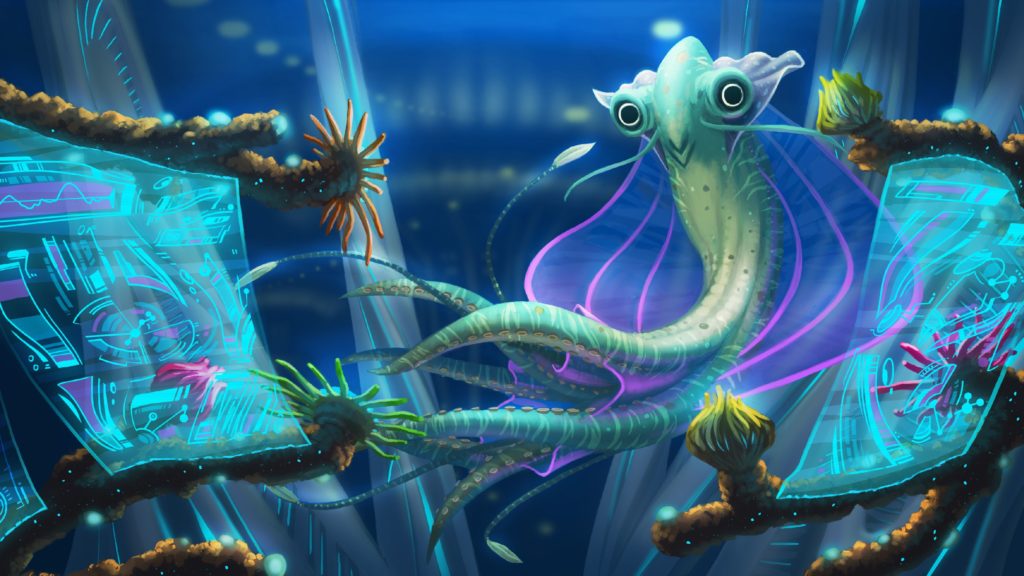

The graphics of Star Control II may be retro, but the gameplay isn’t. When you play Star Control Origins, nobody is going to say that this is a retro game. I like to think that we’re expanding Star Control into areas that make sense, like planet exploration, interaction with aliens, and the ship designs.

What other features will help provide a fresh take on Star Control?

We have a powerful story editor that we can give out to others, so people can make their own stories. The other thing is that the aliens are dynamic. We’re using the Nitrous Engine, which we used in Ashes of the Singularity. The founders of Oxide Games (makers of Nitrous) were the same guys who did Civilization V, including the leader heads. All the alien lip-syncing and movements will be procedurally generated on the fly, with nothing pre-canned. You can literally put in the words and they will say them.

We could (and totally should) do a podcast or livestream with the aliens saying the words, because they will have the full facial movements.

starcontrol_alien_concept

Given how games like Homeworld have been remastered recently, has there been any consideration given to remastering Star Control II?

Unless we use the community developed project, The Ur-Quan Masters, we would have to go back to DOS. So, we would be rewriting it from scratch instead of updating it, and that would be really hard to do. Homeworld was a 3D game that had a Windows version. I think we’ll have to wait until Origins comes out to see if we can go back and (with Paul’s permission) do an update to bring back the game using the new engine.

Are there concerns that Star Control will be compared to current popular space adventures like Mass Effect?

Yeah, a lot of people have said that Mass Effect is basically a reimagining of Star Control. Since this is Star Control, we don’t have to get into the third-person shooter gameplay. It’s much more about ship-vs.-ship combat and the adventure of meeting crazy aliens. I think most people who played Mass Effect realize that it’s an epic adventure, but the field of it is more of a third-person action game.

Snapchat Snags Sony Entertainment CEO; Wizards Of The Coast Opens Digital Studio

Donald Trump has been inaugurated as the new President of the United States, but he isn’t the only business person stepping into a new role this week. Here are some of the major job moves from the past week.


After 13 years with the company, Michael Lynton is stepping down as CEO of Sony Entertainment and is joining Snapchat as Chairman of the Board. The transition should complete in six months.


Thomas Tull, who co-founded Legendary Entertainment 11 years ago, is leaving his post as chairman and CEO of the film company.


Leading toy maker, Mattel, has appointed former Google Americas president, Margaret Georgiadis, to serve as chief executive officer. This move marks the second CEO switch since 2015. Georgiadis officially takes the role on February 8.


Premium cable content network, EPIX has named Sandy Ashendorf as executive vice president for content distribution. In this role, Ashendorf will head the network’s distribution partnerships on all platforms.


Conde Naste Entertainment has hired Croi McNamara to the role of senior vice President of programming for digital. McNamara will oversee creative development for projects produced on CNE’s slate in addition to collaborating with editorial staff.


Target has promoted Rick Gomez to the role of EVP and CMO. Formerly the SVP of marketing, Gomez will now be in charge of brand positioning and leading marketing, media strategy, creative, research, loyalty and corporate communications.


A Wireless, a premium retailer for Verizon Wireless, has appointed George Sherman as its new CEO.


Unity, makers of the Unity Engine, announced that it has hired Dave Rhodes as chief revenue officer for the company’s core license and platform business. Rhodes previously served at Paradigm, where he was EVP of sales, services and marketing.


Interior designer and author, Nate Berkus, is returning to television this spring on TLC, having recently signed an agreement with Brillstein Entertainment Partners. He will star alongside fellow interior designer Jeremiah Brent, but will continue to run his Chicago-based design firm, Nate Berkus Associates. Berkus also serves as artistic Adviser for LG Studio.


After leading the Directors Guild of America (DGA) for over two decades, Jay Roth announced that he is retiring from the role of national executive director this spring.


Conspexit, a new studio in Bankside, London with a focus on helping people with visual impairments, has hired Russell Harding as its creative director. Harding formerly served as creative director at Sony Interactive Entertainment’s London Studios and led the vision behind PlayStation VR Worlds.


Trainline appointed Mark Brooker as chief operating officer. Brooker will be responsible for company marketing, products and Trainline international.


Integral Ad Science has hired Nick Morley to the newly created role of managing director. Based in London, Morley is tasked with driving the company’s growth and further expansion into key European markets.


Dentsu has named Toshihiro Yamamoto as its new CEO after Tadashi Ishii stepped down from the role amid a series of major scandals.


Former Techland COO, Pawel Zawodny, founded a new game studio called Strange New Things based in Wroclaw, Poland. He is joined by former members of IO Interactive, CD Projekt Red and Techland.


Hidetaka “Swery” Suehiro, who founded Deadly Premonition developer Access Games, is returning to game development with a new studio based in Osaka, Japan—White Owls Inc. At this time, Suehiro is the only team member listed on the company’s website.


Ubisoft has acquired FreeStyleGames, maker of DJ Hero and Guitar Hero Live, from Activision. The studio has been renamed to Ubisoft Leamington.


Wizards of the Coast is reimagining its entire digital strategy, and has created Digital Games Studio to follow through with that plan. The studio features a team of video game industry all-stars led by Jeffrey Steefel, and it will handle development for Dungeons & Dragons games and Magic: The Gathering. Additionally, the studio will look for opportunities to enhance its real-world properties with technology.

“We will make your Wizards experiences more efficient, connected, and convenient,” said Wizards of the Coast president, Chris Cocks, in a press release.


Television network giant, Fox, recently opened FoxNext—a new division that is focused on expanding the company’s video game, virtual reality and augmented reality operations.


Have a new hire tip? Let us know at editorial@alistdaily.com.

Hollywood Walk Of Game: The Stars Of Video Game Promotion

From A-list actors to the world’s best athletes, celebrities have made a growing number of appearances in video game promotions over the past few years. While a number of brands enlist the help of social media creators to promote their titles (Day of Doom, for example), today we’re looking at traditional celebrities who recently stepped in front of the camera to promote a video game.

Arnold Schwarzenegger – Mobile Strike

The former Governor of California, action movie star, and current reality TV show host has starred in a number of promotions for Mobile Strike, most notably with a live-action commercial aired during Super Bowl 50. Mobile Strike publisher, MZ CEO, Gabe Leydon attributes the game’s success to diversification of marketing. “What we found is that while most of your television ads don’t do much, what they do have is a tremendous effect on your mobile digital ads,” Leydon said at the Web Summit in London. “When people see Arnold Schwarzenegger on television, and they look down at their Facebook app and they see Arnold Schwarzenegger on a video ad there, they make that emotional connection from what they’ve seen on TV and it legitimizes the product in a lot of ways.”

T.I. – Tom Clancy’s Ghost Recon Wildlands

Rapper-turned-actor, Tip “T.I.” Harris stars as Marcus, a member of the cartel in a new short film released by Ubisoft. War Within the Cartel is a prequel to the upcoming open-world tactical game, Tom Clancy’s Ghost Recon: Wildlands. The 30-minute video features the Santa Blanca drug cartel as they seek to flush out a traitor within their ranks—and its events will lead up to the opening moments of Ubisoft’s new game.

Gary Cole And Gary Busey – Hitman

To keep players engaged between episodes of Hitman, IO Interactive released elusive targets—contracts that players have only one opportunity to complete or fail. Among these elusive targets is actor Gary Busey, who won a fan vote against fellow actor Gary Cole for the honor of being killed in the game. In making a case for himself in the humorous promotional video, one of the villainous things Busey did was kidnap vegetarian kids and raise them on meat.

Blake Anderson – Dead Rising 4

Actor Blake Anderson didn’t know what he was getting into when he agreed to help promote Dead Rising 4 . . . other than a giant snow globe. Man vs. Holiday was an hour-and-a-half livestream from inside the aforementioned snow globe, where Anderson sat next to zombies as he attempted to play Dead Rising 4 through twelve holiday-themed challenges like ugly sweaters and incessant snowfall.

Everyone – Call of Duty

Activision has a reputation for enlisting celebrities to help promote its games, particularly when it comes to live-action trailers. Most recently, Olympic gold medalist, Michael Phelps, and comedian Danny McBride appeared in a trailer called “Screw it, let’s go to space”—a tongue-in-cheek nod to public criticism over the game’s location as well as election-year strife. Unable to handle it all anymore, citizens simply get on a spaceship and forget their woes in a symphony of explosions and gunfire. Appealing to sports fans, UFC champion Conor McGregor plays a villain named Captain Bradley Fillion in the game’s campaign mode in both voice and likeness, which is sure to bring some excellent cross promotion.

Call of Duty: Infinite Warfare throws a bit of ’80s nostalgia into the mix with its Zombies in Spaceland mode—employing celebrities from the era like Paul Reubens and David Hasselhoff. Actress and musician, Kate Micucci (Scrubs; Garfunkel and Oates) assumed the role of Alana—a Facebook chatbot for Terminal Tours, a choose-your-own-adventure promotion that went on to create over six million exchanges within 24 hours.

https://youtu.be/_87zvl0LcEg

How ‘Hitman’ Kept Players Engaged With Killer Content

Developer IO Interactive is best known for its Hitman franchise, where players have the opportunity to put on the suit of a professional assassin tasked with eliminating targets using whatever creative means they can come up with. The company took a big chance with the most recent release of the game, simply titled Hitman, by launching it as an episodic game supported with live events, but fans ended up warming up very nicely to the new format.

Players would receive new locations on a regular basis—usually a month or two—with a target that progressed the main story. However, to keep players engaged between episodes, IO Interactive released elusive targets—contracts that players have only one opportunity to complete or fail. Among these elusive targets is actor Gary Busey, who won a fan vote against fellow actor Gary Cole for the honor of being killed in the game. In making a case for himself in the humorous promotional video, one of the villainous things Busey did was kidnap vegetarian kids and raise them on meat.

The first season of Hitman draws to a close with the launch of the disc version on January 31. This release will include all the content from the game except for past elusive targets. It also puts Hitman in the unique position of being a game that started as a traditional franchise, became an episodic live game service, and will soon have a kind of traditional game release.

IO Interactive’s creative director, Christian Elverdam, recently sat down with [a]listdaily to discuss the many facets of Hitman, how it maintained player engagement over the first season, and how Gary Busey ended up in the game.

In discussing the reasoning behind creating Hitman as an episodic game, Elverdam said: “For us, it meant that the game would feel alive. The game world and community would feel as though this were a living and breathing experience. There would be a feeling of co-presence—a little like watching a football or basketball game, following your favorite team live and knowing that other people are watching. We knew that since everyone would be on the same mission that there would be a feeling of co-presence in sharing the discovery of each location and finding the different elements.”

“There was also the feeling of an ever-expanding game,” he continued. “The way Hitman starts is certainly not how it ends in terms of what content is available. Some people have called it the game that keeps on giving, and I think that’s something you can only get from a service game—one that insists on expanding its content regularly.”

Elverdam also explained how the idea to turn Hitman into a service game came very early on. “We decided about four years ago that we would do a game like this,” he said, “because there was a trend happening with the next (now current) generation of consoles and how Microsoft and Sony were starting to see their platforms. For the longest time, it was possible to do a service game (a game with frequent updates) on PC, but until the PlayStation 4 and Xbox One, Sony and Microsoft weren’t on par with the flexibility of the PC. So, we saw that by the time we were ready to launch the next Hitman game, it would be a kind of service game on consoles. We had some interesting conversations with Microsoft and Sony because we were one of the first to do this.”

Hitman-DisguiseIn describing what differentiated Hitman from traditional games that were supported with DLC updates, Elverdam said that it was “the desire to integrate the way people are playing the game. A crucial example is the disguise system, which has been a notorious sore thumb for a lot of Hitman games. Knowing that the disguise system worked by the second epiode allowed us to experiment with the disguise rules in the final episode of the season. Focusing on how people are engaging with the game made a big difference for us.”

How did IO Interactive get Hitman fans used to this new format? “That’s sort of what I call the fairy tale journey,” said Elverdam. “It started off rough, in that people were quite skeptical. The reason we wanted to go episodic with Hitman specifically is twofold. One is that it fulfills the fantasy of being an assassin who gets assignments over time and has to travel the world. The other thing was a fundamental problem within the Hitman franchise, in that it’s very detailed and has a lot of layers to discover. What we found was that if people played it like a traditional game, many didn’t get to appreciate the depth. The game is meant to be replayed and experimented with. If you don’t do that, it’s not a great game—it’s just a good game.

“So, we figured that if you feel like you’re spending a month in Paris, and you really like the game, you’ll dig into all the details. You’ll probably be playing alongside all the other Hitman fans and exchanging ideas, tactics and discoveries. That turned out very well for us. We converted a lot of skeptics into believers of why this is a good idea for our game.

“But I want to mention is that one of the things we feared about the episodic format was our ability to deliver consistent content, because we hadn’t tried it before. I think that’s something that anyone who would do episodic games should consider. Even though our game is fit for the episodic format, if we had been massively delayed with our content, I don’t think this would be a fairy tale story. I think people would be disappointed. But I think we managed to hit the beats as promised, and that’s a big kudos to the team here at IO. But a big risk is that if you’re delayed, then the loyalty of your fans will start to waver.”

When asked how elusive targets compared to traditional features such as unlockable weapons and disguises, Elverdam said: “There’s no doubt in my mind that the elusive targets were the king of it. Other elements, like Challenge Packs and Escalation Packs, were nice but the elusive targets really took the crown in terms of how many people they brought back. They superseded our expectations by quite a margin.”

Elverdam also talked about how Gary Busey and Gary Cole came to be involved with the game. “The first season of Hitman is filled with firsts: our first live episode, the first time we did a second episode, the first time we did a beta, etc.,” he said. “This was the first time we tried to do a celebrity target to see what that feels like and how it works in our game. With a mindset of wanting to experiment, we did a fan vote for Gary Cole and Gary Busey and who would be the actual target. Both are in the level, but only one has the contract. That whole thing worked out very nicely, and I wouldn’t rule out doing stuff like that again.”

So, how many times was Gary Busey killed? “I don’t have the number, but a lot,” laughed Elverdam. “I think he had a pretty high completion rate—he was sort of on the easier side for elusive targets.”

Elverdam also talked about the methods used to make players aware of new elusive targets. “There are many different ways,” he said. “One is our companion app, which is very effective for those that have it. I think most people check our Twitter feed and our web page for updates, but news outlets have been very kind in giving out updates when a new elusive target is coming.”

As the game prepares for its retail disc release, we asked Elverdam if the company was shifting its strategy to engage with these new players.

“Not really,” he replied, “because we will continue with many of the live elements for a while, including elusive targets and escalation contracts. It’ll still very much be a living game. What we’re interested in seeing is what the behavior of people who come in with the full experience will be. Will they spend less time in the game if they can binge through the content? But people getting into the game will get a taste of what the live season felt like.”