[a]list summit: How To Engage With An ESports And Gaming Audience

This year’s [a]list summit, now in its fourteenth installment, was dedicated to the fast-growing eSports and competitive gaming space, and how brands can use it to engage with the millennials—a demographic that’s almost impossible to reach through traditional media.
alist summit Christina Alajandre and Mike Tubman
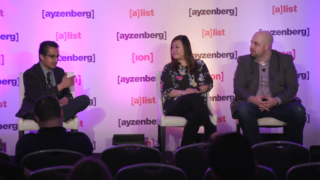
Moderator Manny Anekal of TNL, Christina Alejandre and Mike Tubman

The first panel at the InterContinental Hotel in Los Angles on Thursday featured Christina Alejandre, general manager of ELeague and vice president of eSports at Turner Sports, and Mike Tubman, sports and competition manager at Buffalo Wild Wings.

In a longstanding partnership between ELeague and Buffalo Wild Wings, the restaurant chain shows televised eSports tournaments in its establishments, giving fans a place to congregate and cheer on their favorite teams.

When discussing the growing interest from non-endemic brands that are entering into eSports, Alejandre noted that “there has been a lot of education in the space. Some of it is attributed to ELeague, some of it to the growth of eSports in general. Now, it’s not about educating people eSports, but educating about how to reach out to partners and get the audience engaged with those partners.”

However, she followed by saying “if you’re a brand and you’re looking to get into eSports thinking, ‘okay, I’m just going to slap my label on and run a few commercials during the breaks,’ the eSports community isn’t going to embrace that.”

Tubman expressed a similar sentiment when describing how Buffalo Wild Wings entered the space. “What we really want to do is embrace and show eSports, which is any game people have a passion around,” said Tubman.

In talking about the approach toward engaging audiences, Tubman said: “We’re not targeting messaging just for millennial males, or anything like that. We just want to embrace the sport, put it on our screens and work with great partners to get people in there to watch it.”
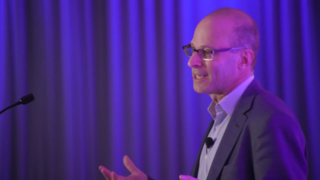
alist summit Steven Roberts
Steven Roberts, executive chairman of eSports at ESL

Later in the morning, Steven Roberts, executive chairman of eSports at ESL, took to the stage to dispel stereotypes about the competitive video game audience and how brands can engage with them.

“ESports is a little more like track and field than it is the NFL,” said Roberts. “There are different disciplines and they don’t necessarily cross over. [ESports] are all different disciplines, and not only do the fans not necessarily cross over, but the players don’t necessarily cross over.”

Roberts also discussed what the gaming audience really is like. “The perception of gamers and eSports enthusiasts being in their mom’s basements by themselves playing games should not be the perception any longer,” he said. “It’s very social and these enthusiasts have a great deal of disposable income. So, dispel that perception if that’s in your mind.”

Gaming enthusiasts are socializing online, talking—or trash talking—with friends while playing. “They actually come to our events to meet the people they’ve been communicating and competing with,” said Roberts, indicating that live tournaments are an ideal means of engaging directly audiences.

Roberts also discussed the growth of non-endemic brands moving into eSports, particularly those who come from the world of traditional sports.

“A lot of sports celebrities, [including] Rick Fox, Shaq and Magic Johnson are buying or investing in [eSports] teams because they understand the dynamics of a sport, they understand the passion that goes into it, and they understand what goes into a team,” said Roberts. “These teams have nutritionists, sports psychologists and fitness people—anything to perform at those highest levels. This is no different from an NBA team, and these people understand that. That opens the door for different types of engagements for brands.”

Coinciding with the rising interest from traditional sports figures in eSports is interest from traditional media, which may help bridge the gap between enthusiasts who are already engaged with the eSports scene, and newcomers.

“As storytelling gets better—we’ve had content on ESPN, Fox and BBC—you’ll start seeing much more of a traditional media acceptance of eSports as well,” said Roberts.

This sentiment is already embraced by TBS and ELeague—telling players’ stories and the struggles they face in competition engages with audiences, even when they don’t know much about the game.

“Storytelling is something that is paramount to us,” said Alajandre.

“I look at the [traditional] sports titles as things that are a little easier for traditional guests to latch on to and consume,” said Tubman, while discussing the diverse audience that comes into the restaurant’s chain locations.”There isn’t that learning curve you have with Counter-Strike or League of Legends, which is chaos on the screen if you don’t know what’s happening.”

[a]list summit: ESports Lessons And Opportunities Observed

The fourteenth iteration of the [a]list summit kicked off Thursday at the InterContinental Hotel in Los Angeles with some valuable advice for brands hoping to connect in meaningful ways with a young, engaged audience through competitive gaming.

Activision Blizzard’s recent partnership with Facebook is a prime example of how brands can gauge engagement through spending not money, but time. After all, it was recently reported that gamers spent more time playing Overwatch than the whole world spent on Facebook. Being able to stream this game across the most-popular social network is therefore beneficial to both parties.

“There’s some incredible time spent with your brand,” explained Chris Younger, Ayzenberg’s director of strategy, “and we’re not talking seconds here on a billboard, or an ad. We’re talking minutes [and] hours being spent within the category of competitive gaming.”

Steven Roberts, executive chairman of eSports at ESL, the largest eSports company in the world that is not a video game publisher, leads a production team that totals around 20,000 hours of live content across six studios around the world.

“Ensure that when you enter eSports with your brand, that it’s authentic, and it’s real and it’s something that the community embraces,” Roberts said.

Super League Gaming creates amateur eSports leagues around the country, bringing competitive gamers together across multiple genders and age groups. These non-professional players are what the company’s CEO and chairman Ann Hand calls “the base of the pyramid.”

Super League Gaming partners with movie theaters to transform otherwise empty venues into lively video game arenas.

Riot Games, whose world-leading title League of Legends is a wildly popular game for eSports competitions, partnered with the brand to bring communities together in entirely new ways.

“We can bring something that their community has been asking for,” Hand said about the partnership. “[The community has been] wanting that way, to physically, socially connect and deeply engage.”

There are tremendous opportunities for brands to engage with gamers both casual and hardcore.

How Insurance Companies Are Attracting Millennials

Brands sure hear a lot about millennials and how this enormously influential consumer base drives marketing decisions. Insurance companies have found a unique approach to reaching this sought-after generation by sponsoring something they love—sports. Thirty-five percent of younger millennials say they like advertising during sports programming and tend to watch it, according to a study by The Center for the Digital Future at USC Annenberg and ThePostGame. In addition, 56 percent say they believe advertising gives them “useful information about products and services.”

State Farm

State Farm, a sponsor of the NBA since 2010, partnered with Yahoo Sports this basketball season to connect with hoops fans by engaging them through custom integrations in video, native and display ads and more across Yahoo Sports as part of its Right Combination campaign, featuring NBA stars such as Clippers guard Chris Paul. The campaign places special focus on sports site The Vertical with Woj and sponsors editorial coverage like the Front Office Insider column from Bobby Marks. In 2017, the State Farm campaign will also capitalize on special events on Yahoo Sports such as the NBA Draft in June. Clippers center DeAndre Jordan, Blazers star Damian Lillard and Paul star in a series of commercials that show how parallels between the court and the home don’t always add up to a good thing.

https://youtu.be/h6aR9DKEfDk

AllState

AllState kicked off the New Year in style with its 11th annual Fan Fest in New Orleans, celebrating college football with the masses. For the first time, Allstate Fan Fest was broadcast live on “Dick Clark’s New Year’s Rockin’ Eve with Ryan Seacrest 2017” but the real fun was had in person through live concerts, school pep rallies, marching bands and various family-friendly activities. The night culminated in a fleur-de-lis drop at midnight in Jackson Square.

The insurance brand is no stranger to athletic sponsorships and sports-themed advertising. AllState actively sponsors college football, college basketball and soccer worldwide. Sports analyst Kirk Herbstreit even starred in a number of humorous “apology” videos for a serious of fictional mishaps in 2012 related to the 60-seconds of Mayhem sweepstakes. The lovable rascal Mayhem, played by Dean Winters, got his own sports-themed commercial last fall.

https://youtu.be/cVDxQvw3v38

Geico

To promote its eSports sponsorship, Geico produced a mockumentary-style series on YouTube about League of Legends team, SoloMid (TSM) and an obnoxious neighbor who can’t get enough of these young gamers’ attention. Aside from receiving a shipment of Geico swag in the first episode, the company doesn’t shove its branding down the throat of viewers. Rather, the adventures of TSM and Russell are stories as presented by the team, and we learn through the rather desperate eyes of Russell as he explores this new world of competitive gamers and becomes the butt of practical jokes.

https://youtu.be/G5lYor2oYFU

Esurance

Online insurer Esurance currently has a multi-year partnership with MLB and last year produced two commercials starring three-time World Series champion Buster Posey and also was the presenting sponsor of the All-Star Game. It’s probably no coincidence that Esurance was founded in the San Fransciso Bay area and Posey is the Giants’ catcher. It’s this kind of homegrown loyalty that speaks to audiences on an emotional level, especially sports fans.

“The digital consumption for baseball surpasses any other sport offering right now,” Chris Lee, director of brand partnerships and social engagement at Esurance, told [a]listdaily. “They’re inspired to change the way people consume baseball, and we’re trying to do the same thing with auto insurance. We’re both trying to take an old process, and make it more modern.”

https://youtu.be/e6hRSrawimY

Allianz

Allianz and the Drone Racing League (DRL) announced a global multi-year partnership last week. The investment, retirement and life insurance company will now sponsor the Allianz World Championship 2017 series, consisting of six races to be aired in over 75 countries starting this June. The championship will feature the world’s top pilots as they race their drones at over 90 miles per hour through a series of 3D race courses.

“The pursuit of innovation and calculated risk taking are the reasons insurance was invented in the first place. Allianz is proud to be partnering with DRL, a true pioneer of today’s digital driven sports,” said Jean-Marc Pailhol, Allianz SE head of group market management and distribution in a statement. “Drones are already an important part of our business so we’re excited to align with DRL as they harness the latest technological advancements and re-imagine what racing in the 21st century looks like.”

Health Insurance Marketplace

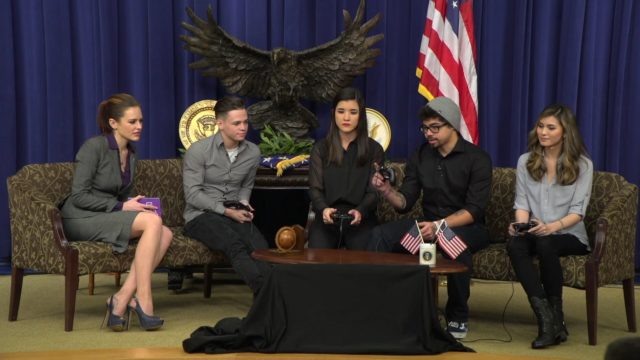
Ahead of the December 15 enrollment deadline for health insurance, the US Government assembled a team of video game influencers to deliver the message. For the first time ever, our nation’s capitol held an eSports and gaming marathon—the White House Competitive Gaming Event—which was livestreamed on Twitch in a four-hour special event hosted by Twitch programming manager and streamer, Anna Prosser Robinson.

“Gamers definitely live a more sedentary life, but it’s important to realize that anything can happen at any moment,” Twitch streamer, Angela Parker (ThatChickParker) told [a]listdaily at the event. “One unfortunate incident could put you in debt for the rest of your life. Right now, we think we’re invincible, but we need to think about the long term.”

white-house-competitive-gaming-event

Virtuix Is Combining Virtual Reality And ESports

Virtuix has spent the past few years developing the Omni, a motion-based gaming platform that allows virtual reality users and gamers to run and walk through video game worlds. Now the startup is creating its own games designed for multiplayer eSports competition. Omni Arena is a first-person shooter that currently includes two maps and both single-player and two-player cooperative multiplayer. An April 2017 update will add a Defend the Hill mode, where up to four players can play in 1v1 and 2v2 competitions.

Omni Arena was developed to combine the physical activity of the Omni with the thrill of eSports and the immersions of VR,” Jan Goetgeluk, founder and CEO of Virtuix, told [a]listdaily. “The game provides an adrenaline rush to the players and a visual spectacle to the audience. It’s well-suited for competitive gaming in VR arcades and gaming centers, and many of our location-based entertainment customers plan to organize Omni Arena tournaments and VR eSports leagues featuring the game. We plan to host a worldwide Omni Arena tournament later this year.”

What separates Omni Arena from current competitive gaming titles, according to Goetgeluk, is the physical nature of the Omni platform. “Omni is not only immersive but also physical, which makes it more exciting for spectators and for the players,” Goetgeluk said.

Goetgeluk has a strategy to grow virtual reality eSports through its partner in China, Hero Entertainment, which owns the Hero Pro League.

“Hero organizes major eSports events across the country featuring their mobile shooter, Crisis Action,” Goetgeluk said. “They introduced the Omni at their last event to more than 10 million viewers in Shanghai. They’ll start to create teams for the VR version of Crisis Action with Omni and schedule eSports events later this year.”

Crisis Action has over 400 million players across China and Goetgeluk said it’s the most popular mobile shooter in the country. That’s made Hero a multi-billion-dollar gaming giant in China.

https://youtu.be/7FRUYLUPg8c

“The first VR demonstration was a big hit so we know the public likes it,” Goetgeluk said. “Hero is seeing how they can build out a structure and start signing teams and pro players to make it a fixed part in Chinese eSports.”

Virtuix established an office in China with 50 employees to work with Hero, as well as the growing number of location-based VR entertainment centers and VR arcades that are being built or converted from internet gaming cafes across the country. “Location-based entertainment is massive in China,” Goetgeluk said. “It’s the main avenue for consumers to experience entertainment. People want to leave the house and be entertained. There are 140,000 internet cafes turned into VR arcades. There are half a million arcades or location-based entertainment facilities. It’s much bigger than in the US.”

While Goetgeluk believes Crisis Action would work in the US as well (it currently offers a Deathmatch mode for up to six players) he’s currently focusing on Omni Arena.

“Our biggest market in the US is location-based entertainment centers,” Goetgeluk said. “We’re working with operators who have VR arcades and entertainment centers. They want to organize leagues and competitions with our games. We’ll start with local gaming centers and organize local competitions and tournaments before we move to national competitions.”

Goetgeluk said Omni Arena’s new update will introduce team-based competitive gameplay perfect for local eSports in VR Arcades. The fact that gamers will also get a workout while playing is another selling point for this new type of competitive gaming.

“The VR arcade market is rapidly growing,” Goetgeluk said. “We get an email every day from someone opening a VR arcade somewhere who wants to use an Omni. They seem to be doing quite well in the US because we’re seeing some owners expand the number of VR arcades as well as new entrepreneurs opening them for the first time. There are also a lot of LAN Centers that are adding VR gaming.”

Omni Arena is one of the three games published by Virtuix Studios, which is also working on TRAVR: Training Ops and TRAVR: Shadow Ops. The Omni also works with third-party VR and non-VR games.


Virtuix will be at the [a]list summit. Learn everything you need to know to invest in today’s fastest-growing media channel—Competitive Gaming and eSportson—2.16.17 in Los Angeles. Go to alistsummit.com for more info.

Getting To Know Some Of The World’s Biggest ESports Events

Although eSports have become a global phenomenon, drawing in audiences that rival traditional sports, an increasing number of non-endemic brands have been moved to take advantage of promotional opportunities. These efforts are accelerated by how major video game publishers, including Activision Blizzard and EA, are developing their own eSports divisions while investors from traditional sports are becoming involved with eSports. Additionally, with ESPN, CW, and Turner’s ELeague broadcasting tournaments on television, eSports could soon find a host of new fans from around the world.

The newest report from Newzoo estimates that global eSports viewership will grow to 385 million in 2017, with another 286 million added by 2020, and investments will more than double over the next three years. Revenues are expected to reach $257 million expected this year, with $113 million from sponsorships.

Additionally, Newzoo found that eSports enthusiasts will spend an average of $3.64 each in 2017, which includes all revenue streams. The average spending per fan on merchandise, tickets or subscriptions is $0.33 in 2017 and is expected to grow to $5.20 by 2020. Although that may be low compared to traditional, that’s because most eSports content is available for free and the amount of merchandise is small. The industry would rake in over $1 billion this year if the average direct spend per fan increased to $2.00.

Now, may be the best time for brands to become involved with the fast-growing industry. As Mike Sepso, senior vice president of Activision Blizzard Media Networks, once stated: “Data shows that eSports spectators are more engaged, and will spend twice as much on peripherals, and 30 percent more on hardware and software than players that don’t watch.”

However, potential brand sponsors will need to keep a few things in mind to properly engage with eSports audiences as they continue to grow.

Learning The Game

Like in traditional sports, every eSports fan base has its own unique energy and jargon. Brands need to learn how to best cater to that energy. Secondly, they need to understand why fans attend or tune in to eSports tournaments. Newzoo’s 2017 Global ESports Market Report shows that North America hold the largest eSports market, which could reach $607 million by 2020.

Furthermore, the majority of the enthusiastic eSports audience is young and male, with full-time jobs and a good income. ESports provides a means of reaching the millennial audience, which can’t be found on traditional platforms such as television.

Establishing A Presence

Social media platforms, especially Facebook and Twitter, are critical to engaging with viewers of a specific game. But relying on straightforward commercials to play before, during and after a tournament stream may become increasingly less effective due to how both Twitch Prime and YouTube Red allow paying subscribers to have commercial-free experiences.

Therefore, it’s important to get branding out where viewers can see them. Many will try to have their advertisements appear in the games themselves, but many developers are reluctant to make those inclusions. Instead, it’s far easier to sponsor a league, tournament, team or individual player. Returns from a sponsorship continue as sponsored individuals play off-tournament games on livestreams, which further exposes brands to an audience.

Then there are the physical banners that surround the stadium, which may become more valuable advertising space moving forward when online viewers are able to attend eSports events using VR. Or perhaps in the virtual arena, if VR games become eSports.

Last year, eSports tournaments were a major part of fan conventions such as PAX and BlizzCon, which hosted tournaments for StarCraft II, Hearthstone, World of Warcraft, Heroes of the Storm and Overwatch. For the second year in a row, Sony hosted a Street Fighter V tournament, The Capcom Cup Finals, at the PlayStation Experience in December. There are few better opportunities to engage directly with eSports fans than at these large-scale conventions, where they come to meet their favorite players.

However, as nearly everyone who has experience in the field has emphasized, brands entering eSports must work with teams and organizations to establish and maintain a sense of authenticity. ESports fans can quickly sniff out and reject inauthentic brands and it can be difficult, if not impossible, to recover from that.

With that in mind, here are 5 of biggest eSports tournament of 2016:

Dota 2 – The International: When it comes to eSports, Dota 2 is practically legendary, with 16 teams coming together at the Keyarena at Seattle Center last August to compete for a prize pool that was worth over $20.7 million (the largest in eSports history). According to a June 2016 report from Newzoo, Dota 2 was the most-watched eSports game on Twitch.

League of Legends World Tournament: League of Legends remains one of the most renowned eSports games in the world. Last year’s World Championship toured the United States, with events hosted in San Francisco, Chicago and New York City before the Finals were held at the Staples Center in Los Angeles. The teams competed for a $6.7 million prize pool across 15 days, and the events brought in an average of 396 million total cumulative daily unique impressions, making it one of the most-watched eSports around.

Counter-Strike: Global Offensive – ESL One Cologne: CS:GO had a spectacular year in 2016, given that it was the featured game for ELeague and other prominent eSports tournaments. Additionally, Activision’s MLG hosted the Counter-Strike: Global Offensive Major Championship last spring with a $1 million prize pool, selling out the Nationwide Stadium in Columbus Ohio and breaking records with 71 million video views 45 million hours of live broadcast. Furthermore, the event brought in 1.6 million concurrent viewers across OTT, web, mobile and in-game streaming.

Unlike games like Dota 2, there is no single grand CS:GO tournament. Instead, organizations such as Dreamhack, ESL and others host their own annual competitions. One of the largest and most prominent is ESL One Cologne, which had a $1 million prize pool last summer. Over 14,000 live attendees went to Lanxess Arena in Cologne, Germany to watch the event—and that’s on top of the 68.6 million online sessions across Twitch, Azubu, Hitbox and Yahoo, which totaled 31 million hours of content consumed. ESL also reported that TV broadcasters in Brazil, Bulgaria, Germany, Czech Republic, Finland and other Nordic and Baltic countries brought the aired the event to 31.4 million households in all regions combined.

Smite World Championship (Hi-Rez Expo): Released in 2014, the game involving battling deities launched for Xbox One in 2015 and the PlayStation 4 last year. Smite is still a relative newcomer to the eSports space, but that hasn’t stopped the game from hosting two tournaments (one for PC and the other for Xbox One) in addition to having a Paladins invitational. The championship finals were included in the Hi-Rez Expo in January, which offered over $1 million in prizes across the competitions and reached over one million concurrent viewers online.

Call of Duty World League Championships: Activision announced the Call of Duty World League in 2015, and it grew significantly in its first year. The World League Championship, which featured Call of Duty: Black Ops III, was held in September and featured a $2 million prize pool—the largest in Call of Duty history. Activision said in a statement that “worldwide peak concurrent viewership topped the previous record for Call of Duty eSports events by more than 40 percent, including previous COD Championship and Stage Finals. Combined, the Call of Duty Championship matches surpassed more than 20 million views.”

The Call of Duty World League Atlanta kicked off on February 10 with 176 teams attending to compete for a $200,000 prize pool. The event is one step leading up to the Championships in August, which will have a $1.5 million prize pool. The lowered prize pool comes in response to pro players who expressed how they preferred more tournaments throughout the year with bigger pools instead of one massive prize. Even with the reduction, this year’s total prize pool across all World League tournaments will come out to $4 million.


Learn everything you need to know to invest in today’s fastest-growing media channel—Competitive Gaming and eSportson—2.16.17 in Los Angeles. Go to alistsummit.com for more info.

Unwrapping This Year’s Valentine’s Day Trends

America’s favorite Hallmark holiday is just hours away, and when more love is in the air, there’s less money in our wallets—which is music to the ears of brand marketers.

If your true love is donuts, however, you could refill that wallet in a hurry. Dunkin’ Donuts is bringing out “Dunkin’ Love” with an Instagram photo contest that asks fans to share how the baked goods and coffee chain is part of their love story via the hashtag #DunkinLoveContest. The grand prize winner will receive a year’s worth of coffee and donuts, as well as $2,500. Caffeinated cupids are also encouraged to take advantage of a special iMessage card builder, two Snapchat filters, an emoji keyboard on its app and a special Facebook Live performance this evening by acoustic husband and wife band, Us The Duo.

Speaking of iMessage, Hallmark is offering free, animated Fabio Valentine’s Day stickers with the download of its eCards app. Last year, the greeting card giant partnered with AMC’s The Walking Dead to offer zombie-themed greetings for the undead lover in your life.

Burger King Israel is offering a more . . . ahem . . . adult approach to the romantic holiday by offering special Adult-only meals on Valentine’s Day after 6 pm. The 18-and-over meal includes two Whoppers, two packs of french fries, two beers and a “toy” such as blind fold or feather duster.

US consumers spent a staggering $19.7 billion last year on Valentine’s Day—a record high—but they are expected to spend less this year at around $18.2 billion according to the National Retail Federation (NRF). If this is going to be just another Taco Tuesday for you, you’re in good company—just a little more than half (53 percent) plan to celebrate the romantic holiday in 2017.

You Can’t Buy Love, But You Can Buy Candy

NRF’s annual consumer survey found the most popular gift choice to be candy (50 percent of those participating), followed by greeting cards at 47 percent. Consumers will spend the most money, however, on jewelry—$4.3 billion (given by 19 percent of shoppers), $3.8 billion on an evening out (37 percent), $2 billion on flowers (35 percent), $1.9 billion on clothing (19 percent), $1.7 billion on candy (50 percent), $1.4 billion on gift cards/gift certificates (16 percent) and $1 billion on greeting cards (47 percent). While 40 percent of consumers want the gift of an experience such as concert tickets or an outdoor adventure, only 24 percent plan to give one in 2017.

Who are the lucky recipients of these Valentine’s Day gifts? NRF found that consumers plan to spend an average $85.21 on their significant other/spouse, $26.59 on other family members such as children or parents, $6.56 on children’s classmates/teachers, $6.51 on friends, $4.27 on co-workers and (don’t forget Fido) $4.44 on pets.

Department Stores And Rainbow Roses

vSHOP

It may be surprising to learn that online is not the number one go-to shopping destination this year, but rather department stores at 35 percent. Twenty-seven percent of respondents indicated that they would do their Valentine’s Day shopping via the internet.

While many will make their final transactions in-person, mobile research remains a standard among consumers. In fact search engine Bing reported that 48 percent of all Valentine’s Day searches on its platform last year originated from mobile devices. Google says that Valentine’s Day is the number two most-searched holiday for last-minute gifts. Search terms, “florist near me” has increased 2.6 times year-over-year and “chocolates near me” has increased 4.1 times year-over-year.

When it comes to giving flowers, roses are still the most popular—but consumers are beginning to steer away from the iconic red color. Search tool provider, SLI Systems analyzed more than 1.2 million e-commerce site searches on leading floral websites between January 6 and February 6, 2017.

What they found was that while red roses are still the most searched-for at 28 percent, their popularity (in searches) has declined 19 percent since 2015. In 2015, pink was the most popular rose color search, but in 2017 it hasn’t even made the top five.

Meanwhile, white roses (21 percent of searched flowers) saw a five percent increase since 2015 and there has become a major interest in blue, rainbow and purple this year.

If you don’t have a significant other to shower you with petals, just pull of the boss move of sending yourself some flowers—just make sure the note you write is just as genuine.

Sponsors Talk About The Opportunities ESports Open Up For Brands

ESports continues to grow its global audience, which according to Newzoo, now accounts for 256 million gamers. With those consumers engaging with eSports on a regular basis, including interacting with professional gamers during practice, there are many opportunities for brands to connect with this audience. While television networks like ESPN and TBS are opening up more traditional marketing opportunities, the digital and mobile nature of eSports also provides something unique.

Some of the top executives in eSports today, including Oscar Miranda, business development manager of eSports at Wargaming; Daniel Kelley, director of HyperX corporate marketing; Steven Arhancet, co-founder of Team Liquid; and Ujesh Desai, vice president and general manager of Logitech G talk to [a]listdaily about the different opportunities found in eSports and how non-endemic brands can get into the game.

How can non-endemic brands benefit from eSports?

[Miranda]: I regularly hear partner interest around reaching a younger audience. In addition, the mediums that eSports uses to connect with its audience have largely gone unnoticed by non-endemic brands. The eSports space sells itself to non-endemics with the promise of reaching a younger audience using non-traditional engagement mediums. Non-endemic brands also benefit from eSports by simply remaining relevant.

[Kelley]: ESports is becoming a worldwide phenomenon, creating global superstars and revenue opportunities that non-endemic brands can capitalize on. Non-endemic brands can strengthen and better define their brand within the key demographic of young gamers who are likely in the market for their products or services.

[Arhancet]: Reach and authentically engage with the millennial, male audience digitally for fractions of the cost they are used to. It’s a no-brainer for brands who put the effort into learning more.

[Desai]: ESports presents a huge opportunity to non-endemic brands to connect with an audience that has, in many ways, abandoned traditional media. ESports fans are highly passionate and fun. They represent a key demographic for building a sustained brand, and the fans are very likely to spend their time and money with brands they believe share their passions. For non-endemic brands I think eSports represents an opportunity to really connect authentically with one of the fastest growing mediums around.

What’s the key to connecting with the eSports audience through marketing?

[Miranda]: ESports became cool because it’s remained genuine with organic voices largely influenced by its gaming communities. Marketing efforts aimed at connecting with eSports audiences must champion these existing messages and voices or risk being immediately dismissed as fake. This is an intelligent audience with its finger on the pulse of authenticity. I don’t mean to imply that it’s an insurmountable challenge. But it is critical that marketing campaigns offer intelligent integration more so than traditional media.

[Kelley]: Be authentic. At HyperX there is a deep appreciation for the gaming scene, players and fans. We are committed to helping advance the eSports community, and as a result, we really treat every bit of marketing we do with a layer of loyalty and originality to ensure we’re helping the industry grow in the right way. This commitment is underscored by our team’s efforts to create products that help gamers do what they love most at fair price points. In addition, we are constantly working to forge relationships with new players, leagues and teams to help drive awareness for eSports and cultivate a positive gameplay culture.

[Arhancet]: Authenticity, be real folks.

[Desai]: ESports fans, and gamers in general, can sniff out BS like a bloodhound. In order to engage with them you have to do it thru wholly authentic messages and content they find compelling. It is okay to market to them, but it has to be real.

What opportunities does the digital and mobile consumption of eSports content open up for brands?

[Miranda]: As eSports fans, we’re constantly connected to our hobbies, whether digitally at home or mobile. Oftentimes, they’re using multiple devices to engage simultaneously. Recalling the question around how non-endemic brands can benefit from eSports: it’s in using newer, compelling tools to engage fans.

[Kelley]: ESports is a complete shift in entertainment and culture that is seizing a growing amount of young gamers’ attentions. With the bulk of viewership coming online, brands can garner significant global exposure while having a built-in way to measure, track and optimize their marketing efforts.

[Arhancet]: Be in early and reach a massive audience for fractions of what it would cost to get in late.

[Desai]: ESports fans, like many of the highly-connected youth today, consume massive amounts of media on their phones. A huge opportunity is to help deliver that media thru relevant and highly entertaining content. Logitech G does that through content that helps provide insight into the daily lives of the pros to better help fans connect to their heroes.

What advice would you give to a brand interested in entering eSports at this stage?

[Miranda]: It’s an intimidating space when you consider eSports explosiveness that’s attracted massive investments. My advice is to look beyond the headlines, recognize that the space and opportunity is real and there’s an assortment of players involved. While many of the top programs, teams and pros are backed by high-profile capital intent on staking an early claim, it’s also a wide open space constantly inviting new amateurs, up-and-coming teams, new leagues and games looking for their niche. These up and comers are far more accessible. If you want to get involved, there’s ample opportunity to do so. And boarding the hype train of a program that pays dividends later is a realistic possibility.

[Kelley]: Do your homework. What’s unique about eSports is that it’s a market shaped by multiple levels of content—the players, games, technology and fans. Moreover, eSports is a quickly growing and ever-changing landscape, so what’s true today might be completely different a year from now. With so many moves and new money coming in, be sure to understand and pick the spots that best align with your brand.

[Arhancet]: Talk to me.

[Desai]: Jump in! This is a highly engaged and passionate audience. Be real. Be authentic. Be engaging.

Given its current trajectory, where do you see eSports five years from now?

[Miranda]: Five years ago, the major eSports titles were hosting inaugural events at trade shows—a far cry from the sold out stadium experiences we’ve come to expect today. While I don’t think that changes, I do think that that we’ll be introduced to new engagement mediums offering greater, immersive experiences using existing technology—experiences that increase interactivity between viewers at home and the broadcasts they enjoy. On the administrative side, increased professionalism between competitors, publishers and developers to boast mature systems that were unheard of ten years ago today. I expect developers and publishers to map out eSports strategies with their titles early, prior to launch, harnessing the importance of audience retention on the back of its competitive gaming programs.

[Kelley]: Certainly, bigger with wider mass-market awareness. I envision more structure to the tournaments in terms of cooperation on scheduling, rules and potentially a move towards a players union where there is more consistency and transparency on player/team relationships. All of this will bring more and more opportunities for brands to get exposure within a very exciting and loyal community of gamers.

[Arhancet]: Where other professional sports are now, but just consumed digitally.

[Desai]:  ESports is growing tremendously and Logitech G has played a key role in this transformation since the early days. Five years from now it is easy to imagine that eSports will be a top three player in competitive entertainment. That means it will be a mainstream sport and will have emerged from the shadows.


Learn everything you need to know to invest in today’s fastest-growing media channel—Competitive Gaming and eSports on 2.16.17 in Los Angeles. Go to alistsummit.com for more info.

Rick Fox Reveals Key To Connecting With ESports Fans

Rick Fox continues to promote eSports to the mainstream media while ensuring that his team, Echo Fox is connecting with the competitive gaming audience in an authentic way. His team now competes across Call of Duty, Counter-Strike: Global Offensive, Gears of War, League of Legends, H1Z1, Mortal Kombat X, Street Fighter V and Super Smash Bros. Additionally, Fox has entered into a partnership with Asus and its Republic of Gamers (RoG) brand to provide his players with the hardware to practice and prepare for the extremely competitive field of eSports gaming.

Echo Fox won a major victory in the North American League of Legends Championship Series on Saturday, turning the game series around. Fox began his pro basketball career as a first round pick for the Boston Celtics out of UNC Chapel Hill before joining the Los Angeles Lakers in 1997, where he became part of a team that won three consecutive NBA Championships. He explains how he’s parlaying that knowledge and success from the NBA into the burgeoning eSports market in this exclusive interview with [a]listdaily.

What is the correlation between the PC hardware that Echo Fox uses to practice with and the sneakers and gear professional athletes use to compete on the hardwood?

The preparation of any professional athlete is paramount to their success. We understand that. What we suit up in or the equipment we use—professional athletes are very particular about how they align themselves with the technology they’re using. That’s definitely on a parallel track to what we see in the professional world of gaming. I’m noticing the particulars in my own players as they search to become champions, as we push towards supporting them to the highest level to get to where they want to get. It is giving them the tools to succeed at the highest level and become champions. So, a partnership with Asus and their dedication to delivering the most innovative hardcore hardware that any gamer, let alone a professional gamer, helps Echo Fox is on this track to become the premier eSports franchise.

Echo Fox LOL

How does this partnership with Asus go beyond a typical sports sponsorship deal?

It goes further because of the stage we’re at in the eSports landscape. We’re infants still. It’s been around now for a number of years, but when you compare it to traditional professional sports, we are babies. When you’re as young as we are, you really need to collectively come together to grow the industry and really take something like eSports and make it a mainstream conversation. But you also have a seat at the table with the rest of traditional sports.

[That’s] what I’m excited for as one of the leaders in this space, and Asus has been leading in this way for ten years now, with their commitment to building the community of eSports with the tools that they need to perform at the highest level. I’m focused on the highest level performers becoming champions. When I think of what it’s going to take as leaders in the landscape to have this continued growth to a level that I have come from, which is basketball, and have it rival the viewership of traditional sports world championships, it’s important that Echo Fox continues to partner with brands that are committed to building the community and eSports as a whole.

As more non-endemic brands enter eSports, what role do you see the endemics like Asus playing in the landscape moving forward?

We all have to educate those that have been sticking a toe in and are now trying to jump in more confidently. That is obviously due to the commitment that individuals like Asus and RoG have made for ten years now. They’ve made it a more attractive and safer endeavor because they’ve educated the rest of the marketplace. As professional gaming becomes more of a voice, professional gamers are going to become household names like Tom Brady is today—or an individual like myself who played for three championships with the Lakers with Shaq and Kobe. Asus and RoG, in their commitment to engaging fans, have dominated because these fans are no longer just casual gamers. They’re becoming professional gamers, so that commitment is really important as we grow.

What has been one of the keys to connecting with the millennial eSports audience?

One of the most important things is authenticity. Today’s consumer, this generation, has been spammed with advertisements since the inception. They have access to every device known to mankind, and just the consumption of eSports and video game content as a whole has gotten easier because it’s everywhere and it can be in your hand and on your laptop—it can be whenever you want it. What I’ve seen in the content that has reached and connected is there has to be an authenticity there. A genuine desire to engage and participate, not just talk to and dictate. When you see a consumer come online and spend their quality hours—which a lot of them do two to three hours on end when they sit down to game—that has a core authentic background to them. It comes up through the roots. Asus is that. Echo Fox is growing up through the roots of eSports from an authentic place, and they’re going to connect because they’re going to feel that the authenticity and the direction of both of those brands are there for the long haul and not just their dollar.

How have you been able to apply the lessons learned from the success you’ve had in sports and in entertainment to Echo Fox and eSports?

It’s a daily education. It’s a daily search, and evolving from my sporting background to becoming an owner. Remember, I was a player. I had one of the greatest owners in professional sports with Jerry Buss, who gave me an example of what it looked like to be an owner that was committed to his franchise pursuing championships and excellence. And he gave me an example of what it’d look like to support his players to becoming the best they can be. I pull from that all the time. I hold onto the fact that I believe that this is not a huge Grand Canyon leap from traditional sports to professional sports and gaming. I see them hand-in-hand. I’m pulling them closer and closer together on a daily basis and [figuring out] how we can move that conversation forward. I just pull from my own traditional experiences and I believe that there’s a greater seat at the table and we should all blend competition into one household.

In your own career with sports, you were able to put on classic team jerseys. What’s it been like from a ground level to create Echo Fox, its logos, and an identity that future generations will be rooting for?

I haven’t really popped my head up to breathe yet to look around and really take in and celebrate the journey of last year because the second year came in like a wave. Having the opportunity to launch our second year with Asus has been invigorating and is revitalizing our franchise with more responsibility and commitment to just being an example and carrying the message. With the logo itself—I can think back to how it came to life and how people respond to it the way they do. To see it stand side-by-side on a jersey with Asus, I should stop and celebrate. But there’s so much work to be done. So, you’re giving me that moment now to really stop to talk about it for a second here and think about how far we’ve come in such a short time. But I know how far we need to go and where we want to get to, so I’m just going to drop my head back down and go back to work.


Learn everything you need to know to invest in today’s fastest-growing media channel—Competitive Gaming and eSports on 2.16.17 in Los Angeles. Go to alistsummit.com for more info.

How HyperX Connects With ESports Audience With ELeague

High-performance computer hardware maker, HyperX, has sponsored eSports for over a decade. It is a major sponsor at ESL and MLG tournaments, and it didn’t hesitate to become one when ELeague started last year. The company provides high-end headsets for ELeague players who compete on both online streaming and televised broadcasts while highlighting top-performing players in a special spot called the “X Factor.” Additionally, it engages the eSports community with content such as the “HyperX BootCamp,” which adds a fun spin to eSports training with some off-the-wall activities.

Late last month, ELeague hosted its first CS:GO Major tournament from the historic Fox Theatre in Atlanta, Georgia. The sold out Major Grand Final (which aired on TBS) became the first event in the history of Twitch to surpass one million concurrent viewers. The success shows how eSports viewership remains primarily on digital, even though considerable progress is being made with popularizing it on television.

HyperX’s director of corporate marketing, Daniel Kelley, spoke with [a]listdaily about working with ELeague and the company’s long history with the eSports scene.

Daniel Kelly, director of marketing at HyperX
Daniel Kelley, director of corporate marketing at HyperX

What drew HyperX to become an ELeague sponsor?

HyperX has been a major sponsor of ESL, MLG and other tried-and-true eSports tracks. So, when ELeague approached us and we saw that Turner was behind it—I’m a big fan of the broadcasts that Turner puts on with TNT and TBS—and we really liked what Turner was trying to do. [They were looking to] capture the excitement of eSports and developing a high production league and taking that leap of putting it on broadcast TV, but not losing the fact that online streaming and the accessibility of eSports is important to its biggest fan base. They made sure that all of the online consumption via Twitch was there, but they thought they could get some crossover to a broader audience with the cable TV show.

Also, we knew that they would be coming at it with a long-term investment and a high production value. A lot of what we try to do as a brand was to not only keep our commitment to a hardcore PC gaming audience, but branch out to wider gamers in general. It all sort of aligned, and from there, we got into the typical negotiations and everything else. Fast forward a year, and I’d say what they pulled off with the ELeague CS:GO Major having over a million Twitch viewers watch is pretty impressive. We’re very happy with the partnership and we look forward to it being a long-lasting one.

Is there a difference between approaching the ELeague sponsorship compared to the ESL when considering the television viewing audience?

I’d say it’s still pretty straightforward with the online broadcasts and the in-stream branding and placements. We approach it knowing that most of eSports content is going to be consumed online and digitally, so we wanted that to be our number one priority for branding and product messaging. But we did factor television into our negotiations and our approach. We had a lot of spots that ran on TBS each season, which gave us a nice widening of our brand awareness to casual fans. It was a slightly different approach, but I’d say the core method of leveraging these sponsorships was very similar to what we do with ESL and others.

How was HyperX integrated into ELeague?

We have our logo branding on the overlay of the online stream. We also worked with ELeague on the “X Factor” highlights during matches, which highlights a particular player and their performance during a game or match. It’s an ongoing HyperX-focused callout of someone who is doing well. There was also some in-stadium branding, and we were able to set up shop at the Majors, where people could come to our booth and try on our headsets. That’s all in addition to the 30-second spots that we worked with Turner on and the ELeague sponsorship.

How did the “HyperX BootCamp” promotion come together?

That was a very exciting time here and was a crazy week, for sure—having both Na’Vi and SK Gaming here. We did all kinds of fun activities in addition to having them play the games that they know so well and the fans crave. That actually came very collaboratively through a proactive approach on the teams’ side, and we embraced it and wanted to make it as “HyperX-y” as we could. A lot of ideas are coming from these teams in the way content can be created, and we embraced the overall concept of a wild BootCamp. We opened our doors to have these teams in here all week and brainstormed the various activities you see in the YouTube videos. The brainstorming and collaboration made it something that we shared. We had a fun time, and I think the fans really enjoyed it.

How has HyperX used eSports to engage with its audience?

We’ve been sponsoring eSports teams for over a decade. That all started a long time ago when we were looking at who were the customers buying our high-performance memory, SSDs and other products. We saw a common thread: they were avid gamers who wanted to build the best-of-the-best machines so that their games would perform flawlessly so that they would remain very competitive. So, we tapped into the gaming community very early on, and it has flourished very well since then.

We learned a lot about the [eSports] space—most the employees here at HyperX are avid gamers—and we wanted to feed the community authentic, raw and funny content, activations and experiences. There are a lot of parallels to traditional sports, where the fans want to get close the athletes that they admire and love to watch. So, what we do is bring these personalities out of these players by getting them doing unique, fun and creative things. We give fans access to autograph signings when we have a booth at a tournament or event like PAX. We want to make sure we’re facilitating that connection between the players and the fans in unique ways while creating a lot of great content for fans to consume. Along the way, hopefully fans will like our brand and what we’re doing. There’s a big investment and commitment to eSports, and we’ve seen some nice growth for the company as a result of that.

What would you say is the difference between an eSports consumer and a straightforward competitive video game enthusiast?

I’d say that there are a lot of the same traits across both types of players. The denominator is there is a love of gaming and competition. They’re either playing on a day-to-day basis or they’re playing part of the time, then watching the best in the world play. Along with that, they want the best experience possible, and that’s where we can come in to provide the best headsets, keyboards and mice to keep their love of gaming going and play our small part in the bigger world of competitive gaming.

I think they’re very similar, to be honest. There are a lot of people who like to go out and play basketball, but don’t watch much of the NBA. They still have a love of that sport and the competitive element that comes with it. I also think that there’s an admiration for anyone who is the best in a sport or industry. If you’re really good at a game, you watch other people who are also really good and see what they’re able to do. It’s rather awe-inspiring, just like in traditional sports.


Learn everything you need to know to invest in today’s fastest-growing media channel—Competitive Gaming and eSports—on 2.16.17 in Los Angeles. Go to alistsummit.com for more info.

MasterCard CMO Raja Rajamannar Details Grammy Awards And Masterpass Marketing Strategy

MasterCard is making a major marketing move this weekend on music’s biggest night for the Grammys to further create consumer and fan awareness for its digital payment solution in Masterpass.

The New York-based global financial institution is currently front-and-center in Los Angeles with a one-of-a-kind experiential record store at the now-defunct Tower Records building excitement for Sunday night’s Grammy Awards. The interactive music experience activation aims at thanking its fans with exclusive performances with artists like Anderson Paak (tonight) as well as the opportunity to purchase rare vinyl records for $10.

The weekend proceedings, which officially started Wednesday, will culminate Sunday when MasterCard will unlock special offers for those tuned in to the live broadcast that can be taken advantage of with Masterpass for just $1.

With such a huge undertaking comes an even larger marketing strategy.

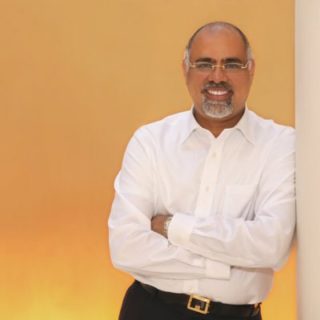
Raja Rajamannar, MasterCard’s chief marketing and communications officer responsible for building the MasterCard brand, driving business for MasterCard products and services, took a brief break from the Masterpass #ThankTheFans House to join [a]listdaily and dish details on how they’re reaching digital-first consumers.

LzBf-4pc
MasterCard CMO Raja Rajamannar

Why was it critical for MasterCard to move forward with this experiential marketing move?

The move is critical because consumers have changed. They are more connected than ever to their digital devices and to each other; they are moving faster than ever across multiple devices and multiple channels; and their attention span is only becoming shorter and shorter. They are not willing to waste even a few seconds of their time on irrelevant content. As a brand it’s getting harder to reach your audience. Today you earn their attention by creating experiences that are truly engaging.

What is the brand trying to accomplish with this campaign?

Now core to our Priceless marketing strategy is the idea that we value our experiences over our possessions. This isn’t a fad—it’s a deep, human truth that first struck a chord with consumers two decades ago, and today has become even more relevant. When we considered all of this cultural change, and the increasing importance of experiences, we realized that Priceless is an idea that cannot—and should not—be contained in traditional advertising. We need to go way beyond showing priceless experiences in commercials—we need to give our cardholders the tools to create their own. And through our sponsorships, and with global platforms like Priceless Cities and Priceless Surprises, we’re doing exactly that—evolving our brand’s role from observing priceless moments to enabling priceless experiences. Our goal is to create an emotional bond with consumers and to deliver to them one-of-a-kind experiences they can only get with MasterCard.

Why are the Grammy’s the ideal partner to leverage your brand equity?

MasterCard has long celebrated music as a passion that transcends geographic and demographic boundaries. This year, we’re celebrating the music fan in all of us by delivering something truly unique with the Masterpass #ThankTheFans initiative. When you look at music events, what’s bigger or more celebrated than the Grammy Awards? We’ve been fortunate to partner with The Recording Academy as sponsor of the Grammy Awards for nine years now and thought it the perfect venue to introduce #ThankTheFans.

Why are you trying to tap into the renewed interest in vinyl records?

Consumers are shifting their spend away from items to experiences, and those retailers that can deliver both an experiential in-store environment, as well as an engaging digital environment are thriving. At the same time, digital payment capabilities are making the point-of-sale experience seamless and secure. The Masterpass #ThankTheFans House brings this to life by providing an environment where visitors can explore their passion for music and have access to purchase rare and unique vinyl. Vinyl has seen a significant resurgence over the past few years and it was the perfect way to showcase how a ‘new school’ technology like Masterpass can now provide consumers access into the ‘old school’ pursuit of collecting vinyl.

Is the purchase-to-participation program something you’ve previously tested?

We do hope the #ThankTheFans campaign drives awareness for and adoption of Masterpass. Through it, we will be able to demonstrate the simplicity Masterpass provides users for everyday purchases but also highlight the experiential access it can open doors to—like attending the Grammy Awards themselves. You have a highly engaged audience during the Grammys that is actively seeking a way to participate in the excitement of the evening, and with #ThankTheFans and Masterpass, we are providing that opportunity.

Is it essentially designed to drive adoption of Masterpass?

Consumers also value the relationship they have with their bank, and with this insight, the go-to-market strategy for Masterpass is to deliver a simple secure payment option that’s seamlessly integrated with our issuer partners. This allows them to provide the utility of Masterpass in conjunction with other benefits they offer, like account balances, purchase history and more. It’s about taking the utility and familiarity of the plastic card in your wallet and bringing it into the digital sphere because that’s how consumers today are increasingly preferring to pay.

What is the Masterpass strategy on communicating with digital-first consumers? How do you reach them?

Masterpass is a digital solution, so it’s inherent in the platform to look to digital as an opportunity to engage with consumers. But there are several important things to remember. You need to communicate like a friend. The consumer needs to think that that message is made exclusively for them, and not for the masses. You need to customize. Consumers don’t want to look or feel like everybody else. They want a unique experience. You need digital so consumers can pay however they want; the journey needs to be frictionless and seamless. You need social buzz around your brand that no marketing agency, that no media company can replicate. The power of the consumer voice is stronger than multi-millions of dollars in a marketing contract. You need to provide something safe and secure. MasterCard brings safety and security to our partners in a way that allows for the personal, the custom, the digital and the social to exist. For us, that is paramount.

mastercard_thank_fans_logo

What is the integrated social media strategy for #ThankTheFans? What platforms do you plan on testing?

#ThankTheFans is inherently social. Social is a platform for dedicated music fans to connect more efficiently and deeply with artists as well as a tool to show their devotion in ways big and small. It’s the home of fan armies, the hub of participation during awards shows and the platform for endless exchange of artist news and information among fans. Social is the perfect place to target and reward the unsung heroes of Grammys night—the fans. #ThankTheFans is a social ecosystem. Fans engage most heavily on Twitter during The Grammys. Eighty-one percent of Twitter users are on the platform while watching award shows, so this will be our primary channel of focus. Secondarily, we will use Facebook for its immersive storytelling and leverage and its scale. We’ll use Instagram stories as a way to connect influencers with Masterpass signups. We’ll also use Snapchat as an influencer tool for its intimate storytelling capabilities and personal point of view. We’ll drive excitement ahead of The Grammys by leveraging Facebook and Twitter video to communicate the program through superfan outtakes, like fan devotion moments. With Twitter’s alarm clock-like feature called Retweet for Reminder, we’ll get fans closer to prizes on Grammy’s night by encouraging them to sign up for Masterpass using Facebook Canvas. And finally, we’ll tweet directly at fans incentivizing them with bonus offers if they can get their favorite artists to #ThankTheFans.

On the ground, we’ll be inviting local fans in Los Angeles to our #ThankTheFans House. There, fans can meet MasterCard’s own devoted influencer fans who will be using Snapchat Stories and Instagram Live to share their experiences. Additionally, anyone that Snapchats inside the house will receive a unique Snapchat geofilter to add to the content they are creating. During the Grammys, fans should look out for a tweet unlocking nine deals—one will be unlocked as each acceptance speech begins. If an artist thanks the fans, MasterCard will release additional bonus offers.

What else can fans expect?

We have two messaging goals with our social program. First is awareness of the program, and explaining how it works and get fans excited about the exclusive prizes they can buy for just $1 on Grammys night. The second is sharing and showcasing #ThankTheFan stories with human stories and content that remind loyal fans that it is their own devotion that has given artists the success they enjoy today.

tom-petty-launch-sign-3_0
Tom Petty

Is cause marketing a trend marketers should be zeroing in on?

We absolutely believe so. First, MasterCard as an organization is one that believes in doing well by doing good. In this sense it’s about leveraging our technology and expertise to bring products and services into the world that will enable new consumers and new markets to more broadly participate in the world’s connected economy—this is not philanthropic, per se, and more about leveraging our tech for good, while still growing the bottom line. This is an important point to understand as it speaks to the essence of who we are as a company. For everyday consumers, I already mentioned the way how interactions and transactions have changed. Where and how people spend their time is up to them, and thanks to digital technologies and social platforms they literally have the power to make or break a brand at their fingertips. That said, we know today that consumers value brands, retailers and even employers that believe in and enable giving—and so much so that they would switch brands to one associated with a cause, given comparable price and quality. These insights, coupled with the numerous studies that show that giving money to others and to charity makes people happier than spending on themselves, are the underpinning of our Priceless Causes platform, where we use our technology to make it easy for consumers to contribute to some of their favorite causes while doing everyday things. This enables fundraising for the cause while also driving our business objectives.

In the US, a great example is our work with Stand Up to Cancer. We hold an annual campaign every summer, whereby just by using your MasterCard when dining out we contribute a small portion to Stand Up. To date we have raised over $35 million for cancer research. It’s an effort that both we and our cardholders feel very good about. This point is confirmed as we can see how our brand moves to the top of their wallet and for ongoing usage.

For our Grammys #ThankTheFans campaign, we have integrated our Priceless Causes concept. Masterpass users will have the exclusive opportunity to purchase hard-to-find vinyl for just $10 at our experiential record until Saturday, and all proceeds from the record sales will be donated to MusiCares. #ThankTheFans continues on music’s biggest night on Sunday—when Masterpass will unlock special offers for $1. Every time an award is presented during the broadcast, consumers can Masterpass $1 and receive special offers such as movie tickets, designer fashions or even a trip to next year’s Grammys. Again, the proceeds from this campaign will be donated to MusiCares. Again, it’s about creating experiences consumers will value, and that emotional connection point of using a brand or product that people feel good about and allows them to easily give back.

Follow Manouk Akopyan on Twitter @Manouk_Akopyan