How Brands Keep The Conversation Going With Chatbots

Chatbots are the “next big thing” for reaching consumers online, and with the rising sophistication of AI marketing could be great news for brands for a number of reasons.

Today’s consumers are tech-savvy, mobile and have zero patience for inconvenient shopping, much less customer support. In a world where 53 percent of mobile website visitors leave if a web page doesn’t load within three seconds and 51 percent of people say a business needs to be available 24/7, brands are turning to chatbots for the solution.

If you hate picking up the phone to reach customer service, you’re not alone. In fact, 38 percent of Americans would rather clean a toilet, according to the 2016 Aspect Consumer Experience Index. Forty-four percent of American consumers prefer chatbots to traditional customer service, “if the company gets it right” and 71 percent of participants want the ability to solve most customer service issues on their own. Millennials are the most confident when it comes to chatbots, with 70 percent saying they “feel good” about them. More than half (54 percent) prefer all customer interactions via electronic means and 49 percent feel that texting is the most effective communication for customer service.

While customer service and eCommerce are natural fits for chatbots, brands are also using this growing outlet for interactive promotion.

Mr. Robot got its own mobile app last year in which users had to interact with a character from the show by “chatting” with her through E-Corp’s messaging platform. To promote Call of Duty: Infinite Warfare, Activision did an amazing job of using a chatbot purely for interactive storytelling—resulting in over six million interactions within the first 24 hours.

Chatbots are still in their infancy, and developers are learning about what works and what doesn’t. Kiwi Inc. CEO and Sequel founder Omar Siddiqui predicts that while the technology is new, this will be a year of continued innovation.

“[In 2017] we’ll see continued improvements in the same interaction design supported by both platform improvements and technological progress on how best to utilize natural language as part of the bot experience,” he told [a]listdaily. “We’ll see the messaging apps continue to make improvements in bot discovery for consumers and more organic means by which bots can be surfaced to consumers at appropriate points in their work flows on these apps. We will also see the emergence of multimedia bots with audio and voice taking more of the mind-share as a complement to text-based experiences.”

Facebook, in particular, is a major driver in this new era of bot creation, claiming that “tens of thousands” of developers are building chatbots on their platform.

Perhaps the biggest challenge for developers is creating a bot that is friendly, efficient and intelligent without being creepy—as opposed to today’s automated phone systems that still can’t seem to understand a word being said.

It would also be rather unnerving to have a robot know everything about you, then share that information with others, with or without its knowledge. Today, users can pop over to Facebook Messenger to do anything from booking travel to ordering pizza, so security will become even more of a concern as eCommerce becomes more commonplace on the platform.

Super Bowl LI Just Part Of EA Sports’ ‘Madden’ ESports Plan

For decades you had to be a professional football player to compete in EA Sports’ Madden Bowl during Super Bowl week. But that changed this year at the Pro Bowl at Disney World and in Houston, Texas as the Madden Bowl became one of four Majors in the Madden NFL Championships Series.

Chris “Dubby” McFarland defeated Eric “Problem” Wright in the championship game on February 3 in Houston to take home $75,000 and bragging rights in front of a live audience on the NFL Network. Wright earned $45,000, which was part of a $250,000 prize pool awarded to the top 16 Madden players. The top four players were flown to Houston for the semi-finals and finals after competing in the quarterfinals at Disney’s ESPN Wide World of Sports Complex during Pro Bowl weekend.

The Madden Bowl marked McDonald’s first foray into competitive gaming. The fast food giant served as presenting partner of the competition with Xbox powering the entire Championship Series.

Madden Championship Commissioner Matt Marcou told [a]listdaily that McDonald’s entered the competition in January and the brand has been integrated into the virtual field that competitors played on during the competition. EA’s Tiburon studio created a special tournament environment with the Madden Bowl logo in the center of the field and McDonald’s featured in the game. McDonald’s signage was also featured in the real world throughout the competition.

The championship game was broadcast across Twitch, YouTube Gaming, Facebook Live, Univision Digital, Univision and NFL Network. The semi-finals were also broadcast on Univision, which previously covered the Madden Classic. Madden Bowl was the second NFL Network broadcast, following the Madden Classic in December.

The Madden Bowl is one of four Majors held throughout the season, which includes the aforementioned Madden Classic in December, the Madden Challenge in April and the Madden Championship in May. There’s a total of $1 million spread across these events, including $500,000 for the Madden Championship. The Madden Bowl is the only Major that connects competitive gamers directly with NFL events.

Madden offering $1 million is like CS:GO offering $5 million,” Marcou said. “We think this prize pot is competitive outside of the big three (CS:GO, League of Legends and Dota 2). It’s one of the most incentivizing prize pools out there.”

Marcou explained that EA has no desire to get into a marketing money war with prize pools to compete with something like Valve’s The International, which awarded over $18 million last summer.

“We calculated our prize pool to create an ecosystem where 10 guys make $50,000 a year playing Madden, and some more guys can earn $20,000 or $30,000 annually—which is the league stipend for Riot Games’ LCS (League of Legends Championship Series). We’re hoping to see these competitors start to attract individual sponsorship deals, as well.”

At a time when NFL TV ratings are down and the league admits that it’s losing millennial viewers, EA Sports is targeting that elusive demographic with its Competitive Gaming Division.

“The NFL shares our vision of Madden as a competitive game,” Marcou said. “They advertise with us on broadcasts and on site. It’s a natural partnership.”

Having worked with ESPN in the past on a televised Madden Nation competitive gaming show and run the Madden Challenge for years, eSports is not new to EA.

Madden has been a popular game in the US for a long time,” Marcou said. “I describe this competitive gaming transformation as similar to what the NFL did when the AFC and NFC merged and joined together for the Super Bowl. There have been Madden competitions for a long time, and many underground tournaments similar to fighting competitive gaming scene. Now we’re acting as the official governing body and providing stability in scheduling and structure and awareness. We feel we’re the sport of Madden evolving into the modern era.”

As the very long NFL off-season officially kicks off, football fans have nothing but playing Madden and watching ESPN or the NFL Network to keep them engaged with the sport.

“If you can’t get enough football, Madden is another outlet,” Marcou said.


Learn everything you need to know to invest in today’s fastest-growing media channel—Competitive Gaming and eSports on 2.16.17 in Los Angeles. Go to alistsummit.com for more info.

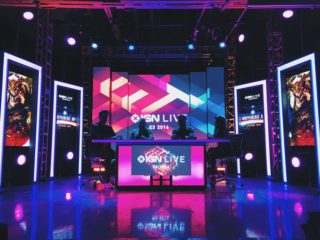
Inside IGN Entertainment’s Vigorous Video Strategy

Media outlet IGN Entertainment is a tour de force in video for games and geek culture across all screens.

They recently revamped their video strategy by appointing former executive producer and showrunner for ESPN’s SportsNation executive Wade Beckett as their chief programming officer and senior vice president of video.

Beckett, who’s worked in film, television and digital for over 15 years, will oversee the company’s cross-platform video initiatives, including original content, branded video production and partnerships from its Los Angeles studio.

Originally established in 1996 as an online gaming magazine and now a division of Ziff Davis, IGN programs games and entertainment content for 132 million monthly users across 12 platforms, highlighted by 20 million followers on Facebook, Twitter and Instagram, 9 million subscribers across multiple YouTube channels and a Snapchat Discover channel.

Beckett, who also worked at Fusion and six years at NBCUniversal’s now-defunct G4, joined [a]listdaily to dish details across a gamut of topics about the current state of video, as well as how he plans on cementing IGN’s position as a leader in the space.

download

What insights can you share about your recent XXX: Return of Xander Cage red carpet livestream? How did this video perform compared to previous ones on Facebook?

We had an amazing experience with the team at Paramount on the livestream. From what we were told it was far and away the most successful and highly engaged they’d ever seen from a red carpet livestream. We’ve seen a flurry of other studios reaching out after the event so I think it’s safe to say we’ll be doing more. The studios know that IGN can deliver the kind of dedicated fans that go to see movies on opening weekend.

Why should Facebook livestreaming become an essential part of a brand’s video strategy?

I think it’s smart to go to where the most eyeballs are—and that’s Facebook. The live platform offers brands an easy way to reach their fans in fun and creative ways. It’s not too hard to flip the switch and go live to millions of fans eager to interact.

Which social channels are you most interested in engaging with your audience? Are you looking to test any new emerging platforms?

We’re always looking at emerging platforms, distribution partners and ways to connect with our audience. Each channel and platform functions a little different than the next and I think that’s kind of the beauty of it. We program each channel for the way the audience consumes our programming on that platform—Snapchat Discover is a little different than our Twitch channel. YouTube, Facebook, Instagram and our own IGN app all have a formula for what works best. I don’t necessarily care where our audience watches—I just want them to keep coming back for more. Authenticity is the key.

Will you be shifting your strategy on Snapchat this year by tailoring more content toward that specific platform? What’s the best way you’ve learned to use it? As a distribution vehicle for existing content? Or creating original content?

I say ‘you better know your platform, because your audiences does.’ Snapchat has been a great partner and we’re extremely happy with our Discover channel. When producing for the platform, we definitely create content with the Snapchat audience in mind. Anyone who’s tried to simply re-skin existing content and slap it up on Snapchat knows it’s not going to resonate with the audience. People see right through that stuff. Along that same line of thinking, I think it’s important to know that audiences don’t mind ‘branded content’ nowadays. I think any stigma is gone when it comes to this generation. If you make an incredible video that happens to have a brand component to it—all good. The audience is still going to share it if it’s the real deal.

Wade Beckett, IGN's chief programming officer and senior vice president of video
Wade Beckett, IGN’s chief programming officer and senior vice president of video

What is your plan to shift IGN’s strategy in the original content, branded video production and partnerships space?

I don’t think the plan is to necessarily shift our current strategy. I think it’s more along the lines of expanding some of the stuff we’re doing and making some bigger, calculated bets on new original programming that’s in line with what we know our audience loves. On the branded content side, IGN has built an awesome team that’s been incredibly successful. They meet the needs of top brands—all the while creating video that we’re proud to be a part of as a brand of our own.

How will virtual reality and 360-degree content impact online video moving forward? Is it critical for brands to implement immersive VR experiences in their current marketing campaigns?

Like most other media—games, movies, television—I think it’s all about the content. Content is king. If you have a crappy product . . . it’s going to stink in 360, on the big screen, desktop, or on your subscription video on demand. There’s quite a bit of cool experimentation going on right now, IGN included, and I think that as VR and 360 video becomes more widely adopted, we’ll start to see some groundbreaking storytelling experiences. As far as brands and VR, we’re seeing some great integrations at events where fans are dipping their toes in to the high-end experiences that advertisers love.

How are video games—specifically with the emergence of eSports—impacting, or shifting your video strategy? Why is eSports a perfect place for non-endemic brands to participate?

Right now it feels a little bit like the wild west when it comes to eSports. There’s a mad dash to figure out all of the various aspects of the sport. From league rights, to team ownership, gambling, regulatory oversight, mobile, and everything in between, it’s certainly explosive. The one thing not in question—whether there is an appetite for eSports. The fans and advertisers have answered that, and we hear them loud and clear. Non-endemic brands have the opportunity to reach a younger, far more diverse audience than ever before by getting into eSports. There’s a reason why you see so many owners of established sports franchises snatching up eSports teams at such a rapid pace.

13434731_10153826669141633_7135312778278466941_n

How would you best assess the current digital video market?

Insatiable. As long as your video is compelling, there’s an appetite.

How is it being consumed? What needs to change?

Video is being consumed anywhere and everywhere. We all know that at this point. There will continue to be some fundamental changes roll out across the various digital platforms that allow both publishers and platforms to better serve up great video and hopefully helps both parties’ bottom line. The subscription video on demand marketing place and skinny bundle packages will see some new players—and that’s great, too. At the end of the day, our audience knows where to find IGN and our goal is to continue to give them what they want—cool new original video series and specials, trustworthy reviews and new trailers and footage before anyone else.

How many people work in the video team?

Not as many as I’d like. I think we’ll try to make even more cool video this year and that means fresh faces and hopefully even more production partners.

You joined IGN in November to grow its cross-platform video initiatives. What’s the one big thing you’ve learned on the job so far?

I thought I knew how massive and passionate IGN fans were—and was totally surprised that the scale was far greater than I’d originally suspected. They’re fantastic and so very loyal to the brand—and span the globe in 112 countries and more than 20 different languages.

What is one emerging trend marketers need to know about video this year?

I’d tell them to ask their kids—they are ahead of all of us.

Follow Manouk Akopyan on Twitter @Manouk_Akopyan

Square Enix Brand Messaging Says, ‘Let’s Leave A Legacy’

Square Enix has a rich history, which gives the publisher a lot of franchises and nostalgia to work with. Much like fellow 1980s gaming legend, Nintendo, the Japanese publisher taps into the emotions its fans feel for playing iconic titles from their childhood and introduce those titles to future generations. However, the company’s brand messaging strategy extends beyond recycled franchises, and it charts new territory into immersive gameplay, treating games as a service and even extending its brands into real world prosthetics.

Treasuring The Past, Embracing The Future

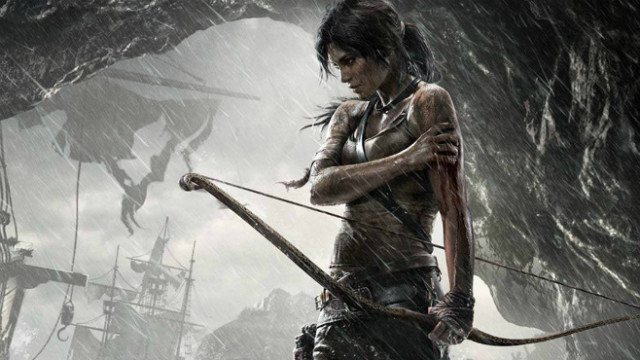
Tomb Raider celebrated its 20th anniversary last year with a multitude of events and releases including a survival training class, a Jeep giveaway, a specially composed music collection and concert, an art book and the Rise of the Tomb Raider 20th Anniversary Edition, which supports high-end hardware such as the PlayStation Pro and PlayStation VR. Not only has Square Enix rebooted the most iconic female video game character of all time, but it did it to critical acclaim and without abandoning the core of what made Lara Croft so beloved in the first place. With Rise of the Tomb Raider, fans can explore Croft Manor in virtual reality for the first time, but probably not the last. The game can also be played in its entirety using the PSVR’s theater mode, which creates a giant virtual 2D screen.

The publisher also took a big risk with a reboot for its Hitman series, released in episodic format, which transformed the game into a live, ongoing service. Developed by IO Interactive, the first season of Hitman just came to a close on January 31 with the launch of its retail game disc.

tomb_raider

Also celebrating an anniversary this year is Square Enix’s magical mix of franchises, Kingdom Hearts. Combining characters from Final Fantasy, The World Ends With You and the Walt Disney universe, Kingdom Hearts turns 15 this March. As with many of the publisher’s flagship titles, this one comes with a large and loyal fan base from across the globe. Square Enix hosted a special exhibit and Kingdom Hearts clock giveaway at Tokyo Metro Marunochisen Shinjuku Station Promenade last month, getting fans even more excited about Kingdom Hearts III, which is currently in development.

Final Fantasy turns 30 this year, hot on the heels of its successful launch of Final Fantasy XV. A special event was held in Tokyo to kick off anniversary celebrations, including special DLC for the latest title, merchandise and an HD remake of Final Fantasy VII. This past fall, Square Enix invited game developers and fans to share how the franchise affected their lives using the hashtag, #FFLegacies. The Final Fantasy XV: New Legacy campaign culminated into a video that showcased these memories and ideas, while allowing a chosen few to preview the game for themselves and showing their reactions to the camera. “By having fans share their personal experience,” Square Enix says on the campaign website, “it serves as a reminder that much like how each Final Fantasy has a completely different story, world and characters, we all bring distinctive and new perspectives to the legacy that is Final Fantasy.”

Bringing Fantasy To Life

While the live-action trailer for Final Fantasy XV brought the series to life on screen, the publisher has teamed up with Open Bionics to make science fiction a reality. Inspired by its game Deus Ex: Mankind Divided and prompted by consumer response to fictional advertisements, the publisher decided to develop a prosthetic arm inspired by the game’s main character, Adam Jensen. A prototype of the arm, controlled using the Razer Stargazer camera, was on display at last year’s Electronic Entertainment Expo (E3) and San Diego Comic-Con to promote the game.

The real-life prosthetic was more than a publicity stunt, as the publisher teamed up with CNN’s Courageous Studio to host the Human By Design event last August. Livestreamed over Twitch, the event featured a number of experts and self-identifying cyborgs to create a forum for highlighting and discussing the real-life implications of cybernetic augmentation.

“Just sitting here today and listening to all these experts at Human by Design, and working with Deus Ex as long as I have, I can imagine that future, especially with prosthetics and the work the Open Bionics is doing,” Jon Grant, senior manager of product marketing at Square Enix told [a]listdaily at the event. “That future is closer than we think, and it might actually be here. If Deus Ex has a role in inspiring it, then I guess what they say about the franchise is true. We do have a way of predicting the future.”

By expanding its already massive Final Fantasy lore for future generations, remastering and retelling classic game stories, exploring fantasy worlds in VR or opening conversation about technological advances, Square Enix is creating a legacy for video game enthusiasts and beyond.

Beyond Merchandise: Eating, Wearing And Smelling Video Games

Video games have traditionally been accompanied by collectible merchandise like action figures and posters—but in recent years, publishers have been trying new ways to experience a game franchise. While movie adaptions are an obvious route, these activations allow(ed) fans to not only play a game, but eat it, wear it and smell like it, too.

Tastes Like Winning

Those who showed proof of purchase for Final Fantasy XV on either PlayStation 4 or Xbox One received a free bottle of Wiz’s Energizing Elixer at participating Target locations. The orange and cream soda-flavored Jones Soda was also available for separate purchase in-store. For fans in the UK with sophisticated tastes, renowned chef Jamie Oliver created a special menu for his restaurant to commemorate the game from November 22 to the 29.

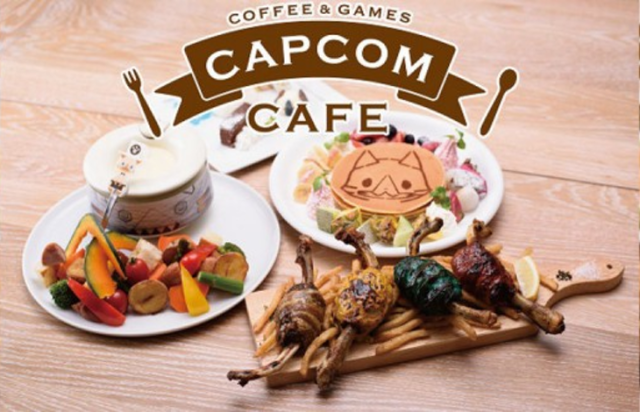
Over the last several years, Capcom has combined its video game franchises with casual dining in Japan. Famous for its Street Fighter and Resident Evil series, the publisher once had a themed bar, Resident Evil-themed restaurant called the Biohazard Café and Grill STARS. More recently, the company opened up another themed café based on the Monster Hunter series.

Capcom Cafe

Playing In Style

To promote Gears of War 4, Microsoft made a special partnership with clothing brand, Undefeated to create an exclusive line of Gears-themed goods made available in a pop-up store in Los Angeles.

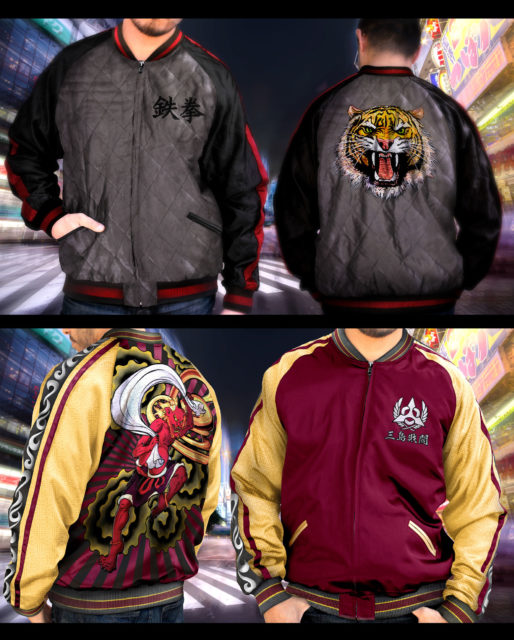
For the serious collector, Bandai Namco is now offering limited edition numbered, premium sukajan jackets that retail for $449. Designed by Carrie Sleutskaya of Project Runway fame, these jackets are highly-detailed with 440,000 stitches in its embroidery. “Our goal on the Bandai Namco Official Store is to develop merchandise for our most passionate fans,” Villegas told [a]listdaily, “so the creation of this kind of high fashion piece was also an opportunity for us to expand the messaging around our Tekken 7 campaign to acknowledge that Tekken is a lifestyle brand.”

tekken-jacket

Stomping The Competition

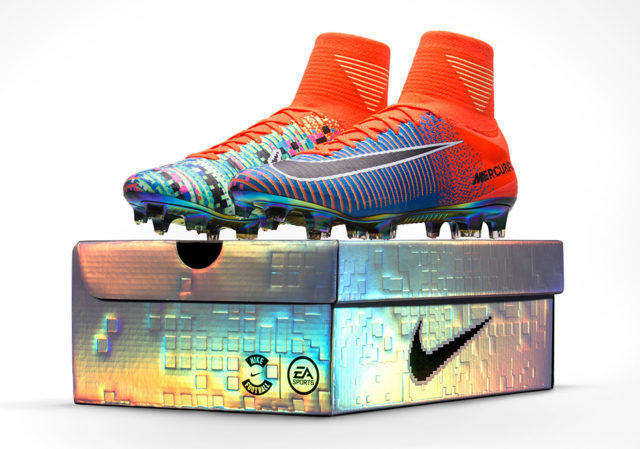
Nike joined forces with EA to promote FIFA 17 with a new cleat that celebrates the franchise’s history. “This collaboration came together rather organically,” Nathan Van Hook, senior design director for Nike Football told The Mirror“Our design team spends a lot of our free time playing football—both on the pitch and via video game—we’re pretty obsessed with both. We wanted to create something memorable that brings together the physical and virtual worlds.”

Last year, Vans powered up with Nintendo to offer officially-branded shoes featuring retro game controllers and icons like Mario, Link and Donkey Kong.

ea-sports-mercurial-superfly-fifa-video-game-colorway-1

Eau De Undead

If you’ve ever secretly wanted to sniff a zombie, Capcom has you covered. Burning for between eight and 20 hours, the Resident Evil 7: Blood, Sweat And Fears candle will fill a room with the scents of terror to accompany your nightmare-inducing adventures. The candle may also evoke visions of “old timber and leather,” according to Merchoid, which sells the officially licensed product.

Last year, Capcom introduced a limited edition T-Virus Perfume with the Umbrella Corporation logo featured on the front. The perfume went on sale at the Capcom Café in Japan along with a Resident Evil-themed, “first aid” deodorant spray.

. . . But That’s Not All

Nintendo’s flagship store in New York, NY has been re-branded “Nintendo New York,” hinting at future retail locations in the future. Together with its partnership with Universal Studios, the company is in a strong position to develop and launch any number of merchandise possibilities across the world.

Activision Blizzard has just created a brand-new consumer products division, to be led by CEO and president, Tim Kilpin. Based on Kilpin’s previous experience overseeing major product lines for Mattel and Disney, the publisher has big plans for tie-in products that will no doubt include Overwatch.

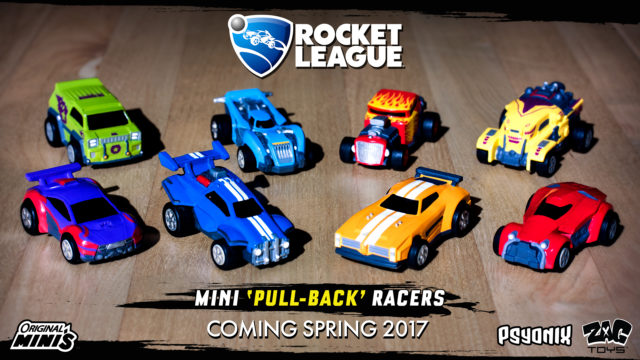
Meanwhile, Rocket League has teamed up with Zag Toys to bring its Battle-Cars to life. The new line of mini pull-back racers will have additional tie-ins to the game, with special codes that consumers can redeem in-game.

rl_zag_car_announce

FCA Welcomes Alfa Romeo Back To The United States With A Major Brand Rebirth

There is a whole generation of Americans that have never heard of Alfa Romeo.

On Super Bowl Sunday, that significantly changed because the Italian car manufacturer made an emphatic statement by capturing the attention of over 100 million viewers by airing three Super Bowl commercials. They also served as the presenting sponsor for the game’s halftime show on Fox.

Fiat Chrysler Group’s exotic niche subsidiary used the game as the ultimate conversation starter and sped up their reported $2.7 billion re-launch marketing plan with 120 seconds worth of commercials in the second, third and fourth quarters of the game promoting the Alfa Romeo brand and its premium mid-size SUV Stelvio and the mid-size sedan Giulia.

In an ambitious move, FCA dedicated all of its Super Bowl marketing budget to an unprofitable brand who’s largely an unknown for any American under the age of 35. According to FCA, just 516 Alfa Romeos were sold in the US last year, and sales were down by 22 percent.

Reid Bigland, head of Alfa Romeo and Maserati for FCA, told [a]listdaily that now was time for the European brand to be reintroduced to the North American marketplace in order to compete against the likes of BMW, Mercedes and Audi.

“We’re going to amp-up our marketing this year as the Alfa Romeo cars begin to arrive. We need to get it out there because Alfa Romeo has been out of the US market for the better part of 20 years,” Bigland says. “We’ve got multiple digital strategies throughout FCA. Right now, it’s about getting general awareness out with all segments of the targeted class. We have a digital approach, a TV approach and an out-of-home approach. We need to get our marketing spooled up and deliver on a unique value proposition. We’ve got a marketing plan ready to go for 2017 for creating awareness for what we offer. The underlying interest is there. It’s going to be something special.”

According to USA Today’s Super Bowl Ad Meter, Alfa Romeo’s 60-second spot “Riding Dragons” that traced its history from past-to-present had an average rating of 5.96, which ranked 18th out of 66 Super Bowl commercials.

The 30-second spot “Dear Predictable” touted its new Giulia as an antidote to predictable sedans and had an average rating of 5.11, which ranked 47th. The 30-second spot “Mozzafiato” introduced its new luxury sedan Giulia and had an average rating of 5.00, which ranked 51st. (FCA dedicated two minutes to its Jeep brand for last year’s Super Bowl.)

Fox broadcasters Joe Buck and Troy Aikman also invited viewers to join the “Alfa Romeo Halftime Report” at the culmination of the second quarter.

Bigland says there is a stateside appetite for their proverbial pair of aces they hold in the Stelvio and Giulia to help FCA’s business, sales and profitability speed forward.

Screen Shot 2017-02-06 at 11.49.15 AM
Alfa Romeo Stelvio

“Right now the mid-size sedan market is the largest premium sedan market in the US, although, it’s under a lot of attack. It’s been in decline. When you look at the fastest-growing segment in the US market, it’s in the mid-sized and full-size SUV segments. This trend has been going on strong for the past five years, and if anything, it’s continuing to accelerate. The SUV segment in China and US is red hot.” Bigland says. “We really don’t have to choose in putting our eggs in either one of the baskets. We’re putting our eggs in both of the baskets in between the Stelvio and Giulia. We think we’re very well positioned. We have phenomenal cars on our hands. We think consumers are looking for an alternative in the premium-performance segment market. We think Alfa Romeo offers that alternative.”

Bigland believes the Stelvio will outsell the Giulia, but first, they must hit the market, as they are targeting Europe in Q1, and North America for Q2. They currently have a small market share with 155 Alfa Romeo dealers in the US and 20 in Canada, and more of those dealers are being dueled with Maserati—a good fit from a product portfolio perspective.

The Giulia is the first of eight all-new Alfa Romeos debuting through 2020. Bigland says they plan to grow their distribution network over the next 12-to-24 months with their sights set on 250 dealers in North America.

“If you’re not listening to consumers and delivering cars that they want to buy you’re going to be missing the boat,” he says. “For us, moving into the SUV segment is really a response to the US market, where almost 60 percent is SUVs and pick-up trucks. So, you have to be there, or you’re really out. It’s where consumer preferences have shifted.”

Alfa Romeo Giulia Quadrifoglio

According to car shopping and information platform Edmunds, traffic to its pages on their site for the Alfa Romeo Giulia was up 802 percent on Sunday. On the brand side, Alfa Romeo piqued the most curiosity among car brands with traffic up 785 percent during the course of the game.

“Using the Super Bowl to generate awareness for a new brand or product is a tried-and-true advertising tactic, and this year proved it still works,” said Jessica Caldwell, executive director of industry analysis for Edmunds. “If you think about what it takes for someone to look away from an exciting game or halftime show to go online and research something, odds are it’s because it’s something they’ve never heard of and they’re compelled to find out more.

The majority of social engagement came from Alfa Romeo’s Instagram and Twitter channels. On Facebook, Alfa Romeo USA’s top post received 58,000 views, 1,400 likes and 707 shares. There were 5,800 social mentions under the hashtag #AwakenTheDrive, which was not very high compared to other brands, per Talkwalker.com.

All three of Alfa Romeo’s TV ads were devoid of humor, unity and politics—common themes from the series of Super Bowl spots this year. The European commodity instead used its rich Italian heritage to focus on scenic mountains and hair-pin turns as they chartered the largely unknown lands of the US in their quest for a brand rebirth.

“Alfa Romeo needs to be true to its 105 year-old roots with state-of-the-art-technology, incredible performance and gorgeous Italian design and style,” Bigland says. “If you don’t have some things going for you, you’re not going to last that long.”

Follow Manouk Akopyan on Twitter @Manouk_Akopyan


Yahoo Is Playing The Super Bowl With A Second-Screen Digital Sidecar In ‘Squares Pick’em’

If you’ve walked by the water cooler at work this week, you’ve most likely engaged with Pedro from IT on whether or not another Tom Brady Super Bowl victory will further cement his legacy as the greatest NFL player ever. Or if Matt Ryan’s juggernaut Falcons offense can shine under the national spotlight. Or if eating too much seven-layer bean dip is probable cause to call off work on Monday.

And above the water cooler, you’ve likely seen a canvas of squares affixed with a Sharpie where colleagues take turns scribbling their names next to numbers, channeling their inner Nostradamus and attempting to predict the score of the game at the end of each quarter.

04091c2538b36c87b4ce594ed5d0db44

Playing “Squares” on Super Bowl Sunday is perhaps the second-most popular game-day pastime right next to consuming food and drink to the brink of cardiac arrest.

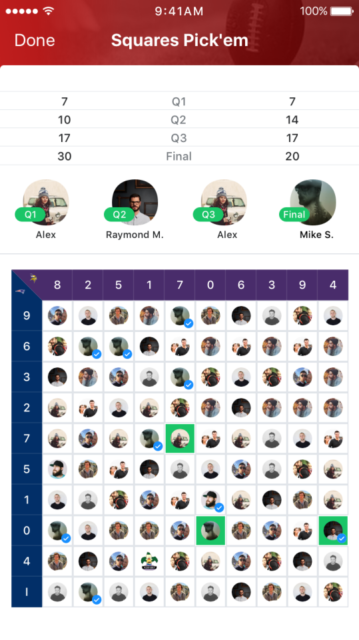
This year “Squares” is being re-introduced with a digital twist because Yahoo’s partnership with Pizza Hut to launch Squares Pick’em, the first digital game of its kind on Yahoo Sports. 

Sports fans can sign up for the new Squares Pick’em game and fill out their grids through the Yahoo Fantasy app and desktop experience. After signing up, users can invite friends to pick Pizza Hut-themed boxes on a 10-by-10 grid. A chat feature supports the game, giving users a chance to interact with each other. Similar to Yahoo Fantasy Football, commissioners in Squares Pick’em can set up private leagues and establish settings.

Pizza Hut is branching out to digital on the biggest day of the year for fans, brands and marketers alike; it’s a recipe for a strong multi-channel campaign for companies who want a slice of the audience pie. The sponsored fantasy sports game puts the brand, which sells over two million pizzas and accumulates 70 percent of online orders through mobile devices on Super Bowl Sunday, in front of a highly engaged audience. Pizza Hut sold $12 million worth of pizza through digital channels for the game last year. They will also feature a pre-game ad starring Star Trek actor George Takei. Pizza Hut has also sponsored ESPN fantasy football for several years and has introduced packaging innovation that was a ploy for football fans.

Kathy Kayse, vice president of Yahoo’s sales strategy and solutions, joined [a]listdaily to talk about how digital engagement is as much a part of the experience as the game itself.

Why is it important to give fans a second-screen experience during the Super Bowl? Why do you think activations like this will work?

It’s clear that the sports viewing experience has changed, and fans are increasingly looking for new ways to stay engaged with and around the game online—especially when it comes to such a major sporting event. Yahoo has a long history in fantasy sports, a massive audience of sports fans, and a unique take on this ‘game within the game.’ Squares Pick’em is a fun, interactive game that is meant to enhance the viewing experience with friends, family and colleagues.

Why was Pizza Hut the best partner for this promotion?

We’re excited to partner with Pizza Hut this year and create a fun way for the brand to connect with passionate sports fans and potential customers on Yahoo. It’s a way for Pizza Hut to increase engagement with fans and be part of the conversation in the lead-up to the game. Ultimately, we’re offering this new game during the most watched sporting event of the year, and the busiest day of the year for Pizza Hut. Now fans can enjoy Pizza Hut pizza and play Squares Pick’em while they watch.

Kathy Kayse, vice president of Yahoo’s sales strategy and solutions

Why do you think chain restaurants are going the route of gaming to reach consumers?

Last year, Pizza Hut set a digital sales record during the big game when fans headed to its digital ordering options. Digital gaming experiences like Squares Pick’em can be a really effective way to not only engage with but create meaningful connections with consumers where they’re spending time, whether on desktop or mobile.

How will you execute the display, search and email advertising marketing ahead of the game to drive sign-ups for the Squares Pick’em game on Yahoo Sports?

Yahoo offers a wide range of advertising opportunities across its properties and, for this particular campaign, Pizza Hut will be featured in display, search and email ads that will help drive sign-ups for Squares Pick’em on Yahoo Sports. We will also promote the new game on Yahoo through our blogs Shutdown Corner, RotoArcade and additional NFL editorial.

How does this game tie into Yahoo’s overall fantasy sports strategy?

We have an incredibly passionate audience that comes back to play Yahoo Fantasy Sports year after year. Yahoo Fantasy Sports has tens of millions of registered users across all of its games and they spend over 30 billion minutes playing fantasy sports every year on our site. We’re focused on bringing these sports fans new ways to enjoy the game day experience and that’s where Squares Pick’em comes in.

How are digital and second-screen experiences changing the way sports are consumed?

Watching sports is now a true multi-screen experience. Fans are turning to online and mobile content before, during and after the game to look for news, highlights, gaming and more. For the big game, digital engagement is just as much a part of the viewing experience as the game itself.

How will you measure the success of Squares Pick’em to perhaps bring a second installment next year?

This is a brand-new game on Yahoo Fantasy Sports this year, so we’ll look at a number of different aspects from user engagement and sign ups to overall user feedback because ultimately we want to create a gaming experience that our users really enjoy playing.

Follow Manouk Akopyan on Twitter @Manouk_Akopyan


Should Brands Start Taking A Stand?

While it’s nothing new for brands to take advantage of current events, the turbulent US political climate has companies making their views known like never before. Is appealing to one group of consumers at the risk of losing another worth it? This is the world we live in now that Donald Trump is President of the United States.

It is said that religion and politics should be avoided in polite conversation—usually good advice for business, too—but in making any stand (for, against or remaining silent), brands run the risk of seemingly benefiting from public unrest or alienating a large portion of consumers. Calls for boycott have been made, it seems, no matter what a brand says lately. Outrage ensued after Kellogg’s dropped its ads from conservative website Breitbart while some two-hundred thousand have already deleted their Uber apps after the company’s CEO joined Trump’s business advisory council—which he has since left.

There are times when a brand feels it’s necessary to assure its customers about its stance on political views, but it always comes with a risk. The “conversation” (a polite term for what really happens on social media) regarding immigration and refugees has continued with calls to boycott Starbucks, retailers that carry Ivanka Trump fashions and surprisingly, both left and right sides of the political spectrum are booing Amazon at the moment. Regardless of risk vs. reward, speaking out is certainly being thought of as a trend this year.

Sometimes, brands adopt a parody of the situation to lighten the mood. Such is the case with a new ad campaign for Jack in the Box, in which Jack—the restaurant’s mascot—has been “hacked” by a group called Jackileaks. The group is now exposing embarrassing emails, doodles and more, all with a hamburger-theme online.

Do boycotts work? It depends on who you talk to, but it’s important to note that the largest spending generation is guided largely by emotional decisions.

Millennials, particularly multicultural ones, are influential and they know it. According to a study by Buzz Marketing Group, 78 percent of those surveyed feel that they have power as a consumer to influence big brands. If a brand agrees with those same millennials on a social issue, even better—83 percent like it when brands make a public stand for or against issues they believe in.

ESL Partners With Former Fox TV Exec; Activision Blizzard Launches Consumer Products Division

From eSports to consumer products and social media, here are some of the biggest job moves from the past week.

ESports producer, ESL has partnered with former Fox TV exec, David Hill—who launched Fox Sports in the US—to give its video game competitions more television-style production values.


Activision Blizzard opened a new consumer products division with former Mattel and Disney exec, Tim Kilpin as the group’s CEO. The company, which publishes the Call of Duty franchise and Overwatch, said in a statement that the new division is a “strategic pillar” in its expansion of the platforms. Other pillars include interactive content, film and television, competitive gaming and mobile.


Jim Norton, the chief business officer and president of revenue at Condé Nast, was elected chairman of the board of the Interactive Advertising Bureau (IAB). Additionally, Scott Schiller, executive vice president-general manager of marketing, advertising sales and client partnerships at NBCUniversal, was elected vice chairman.


Facebook has hired Tamara Hrivnak to lead its global music strategy and business development. Hrivnak is leaving her position at director of music partnerships at YouTube and Google Play to join Facebook.


After over a year without a CEO, the message and chat company, Viber announced that Djamel Agaoua will be stepping into the role. He will help to “accelerate development of innovative new features and [grow] the platform’s global user base,” according to a company statement.


Abercrombie & Fitch announced the appointment of Will A. Smith as Chief Marketing Officer. Smith will be responsible for all brand, creative and digital marketing for the company.


Panasonic Corporation of North America made a number of management changes this week, starting with naming Hideo Nakano as CEO of Panasonic Avionics, the supplier of inflight entertainment and communication systems. Additionally, Mark Jennings will serve as COO and Seigo Tada as CFO.


Redbox has named Ash Eldifrawi as its chief marketing and customer experience officer.  Eldifrawi was most recently the chief commercial officer at Gogo.


Two Remedy Entertainment (Quantum Break; Alan Wake) veterans, Kari Koivistoinen and Kari Huttunen have founded their own studio based out of Helsinki, Finland. The studio, called 3rd Eye Studios, will specialize in VR games and its first project is an anthology series of games inspired by The Twilight Zone and Black Mirror.


Take-Two Interactive has taken a major step into mobile game development with the acquisition of Social Point, a publisher based out of Barcelona. Social point was purchased for $250 million, with additional earn-outs of up to $25.9 million.


ZeniMax, parent company of Bethesda Softworks (Fallout 4; The Elder Scrolls V: Skyrim) and id Software (Doom) has acquired the Texas-based mobile and console game company, Escalation Studios. Escalation will work to develop games across all platforms, including VR.


Gaming technology company, Razer announced that it has acquired the majority of the assets of Nextbit Systems Inc. for an undisclosed price. Nextbit is best known for Robin, an Android-based mobile phone that seamlessly merges cloud and onboard storage.


Honorable mention: Masaya Nakamura, the founder of Namco, who is credited as “the father of Pac-Man” passed away at age 91. Namco made huge contributions to the video game scene in the ‘70s and ‘80s with the release of classics such as Galaxian, Galaga, Pole Position, Xevious and Pac-Man, which helped shape the industry in Japan. In 2007, the Japanese government awarded Nakamura with the Order of the Rising Sun for his contributions to a now thriving industry.


Have a new hire tip? Let us know at editorial@alistdaily.com.


Expert Advice For Non-Endemic Brands Looking Into ESports Sponsorship

As eSports continues to grow at a phenomenal rate, rivaling some traditional sports, more non-endemic brands are getting on board to speak to the hard-to-reach millennial audience. Whether it’s Coca-Cola and Gillette sponsoring events and players, or current and former members of the NBA and NFL purchasing eSports teams, there’s no doubt that non-endemic brands are finding different ways to enter the space.

But what should brands keep in mind as they look to get into eSports? [a]listdaily asked a group of industry insiders about what advice they have for brands as they get into the space.

The first ELeague hosted its first CS:GO Major this past weekend on January 27-29, with the sold out Major Grand Final taking place in the historic Fox Theatre in Atlanta, Georgia. According to a press release, the ELeague Major Grand Final was the first event in the history of Twitch to surpass one million concurrent viewers. That demonstrates the reach of Turner’s eSports endeavor, which broadcasts tournaments on TBS, and has fast become known for bringing non-endemic sponsors into the space.

“We’ve had a great experience with non-endemic brands entering the eSports space through ELeague,” said Christina Alejandre, general manager of ELeague and VP of eSports at Turner Sports. “Ultimately, it’s important to be authentic to the community. This is an incredibly passionate fan base and the brands that have excelled have created compelling content that resonates and sparks engagement with our audience. In short: if you embrace the eSports audience, they will embrace you right back.”

HyperX, a high-end PC gaming accessory and technology company, is a major ELeague sponsor and had a presence at the CS:GO Major. We asked Daniel Kelley, director of corporate marketing at HyperX, if he had any advice for brands that are considering eSports integration.

“My biggest words of advice would be to take the time to understand the scene,” said Kelley. “Don’t just jump in with both feet because you can see that there’s a very vibrant audience there that might fit your demographic of what you’re trying to do to sell your products or services. There’s definitely an understanding that needs to take place if you want to come into the scene and community—if you want to take part, stand for something, and get integrated in a way that I think most marketers and brands want to be. It’s a very unique space that takes pride in its uniqueness. There’s a language that’s spoken, there are ways that content is consumed, and there are events that are a little bit different from the norm.”

Kelley continued by saying, “I think that taking the time to understand it and finding the best way to appreciate it and then play your part as a brand or product in the space would be the best first approach. There’s plenty of growth that I’m sure is attractive, and there will be more brands. Looking at the last 12 months, the number of non-endemics jumping into the space is pretty mind-blowing. It’s only going to continue to grow.”

Vasos Roberts, vice president of sales at FaceIt had this to say:

“I think there are a few key things that come to mind. One of which is whether or not their approach or strategy is adding value to the scene or the communities within it. The way to ensure value is through the activations of any campaigns or sponsorships that they create or invest in. Another key element, and this is a word that is thrown around a lot right now but it is highly important, is ‘authenticity.’ Naturally, there are media buy opportunities in this space, but I believe that brands who see that as the only option for them will not maximize their investment. In addition, those brands that try to buy market share by investing large money for the most amount of exposure possible, without a considered approach, could have a detrimental effect on their opportunity.

ESports communities are highly passionate and have no hesitation in sharing their thoughts, good or bad, publicly. If a brands actions don’t resonate, that will quickly come to the surface. Lastly, I would say this, take time to choose the right partners to work with and once you have selected them, listen to their advice. There are many organizations that have a huge amount of experience in the eSports ecosystem and have in-depth knowledge of the many nuances within communities and products. If brands select the right partners, they will be able to advise them on what will and won’t work. It is understandable that brands want to put their own stamp on things, but consider the advice from the experts.”

The Hi-Rez Expo, which took place in early January at the Cobb Energy Performing Arts Center in Atlanta, Georgia, hosted three tournaments featuring the games Smite in separate PC and console tournaments and the fast-growing shooter, Paladins.

“As an industry, we’re finding that as more non-endemic sponsors come to events like these and experience the fan base, they’re beginning to understand that the enthusiasm they might have had as children around football, basketball or baseball are just as strong with these fans around our games—and that this is the future,” Stewart Chisam, president of Hi-Rez Studios, told [a]listdaily at the event. “My general advice is to get people to events like this, sit with them, talk with them about how these fans are engaged with eSports.”

Following the announcement of the Activision Blizzard Media Networks in 2015, the game publisher threw support behind eSports in a big way. The company purchased of Major League Gaming (MLG) one year ago, and then went on to sell out the Nationwide Arena in Columbus, Ohio with the Counter-Strike: Global Offensive Major Championship event.

Josh Cella, head of sales at MLG, offered this advice to brand sponsors:

“There is uncharted terrain in both broadcast integration as well as event activation. The fans want to see brands come in and take a thoughtful approach, which includes celebrating the games, the pros and being authentic to the culture. There is also a significant amount of creative executions that have yet to be developed. That is what is exciting for us.”


Matt Wolf, Christina Alejandre and Todd Harris (Hi-Rez Studios) will be speaking at the [a]list summit. Learn everything you need to know to invest in today’s fastest-growing media channel—Competitive Gaming and eSports on 2.16.17 in Los Angeles. Go to alistsummit.com for more info.