Mobile First-Person Shooters Aren’t Servicing The Market

There is no doubt that first-person shooter games such as Call of Duty are immensely popular on console and PC platforms, but the same can’t be said for mobile, particularly in the Western market—in contrast to Asia, where shooters such as WeFire have done exceptionally well. Hothead Games, creator of the popular Kill Shot series on mobile devices, understands the difficulties shooters face and explains how they start with identifying and understanding the market.

Mike Inglehart, creative director at Hothead Games

AListDaily spoke with Mike Inglehart, creative director at Hothead Games, about why first-person shooters are struggling on mobile devices, having launched Kill Shot Virus in May—a zombie-themed game that is a great departure from the more realistic military-style action of the other Kill Shot titles.

“Understanding how genres have different themes, we identified the military vacancy with the first Kill Shot, and now we see the same opportunity with the zombie theme,” said Inglehart, explaining the change from a military shooter to a zombie action game. Bravo had zombie-themed events, and Hothead recognized that players were taking to them. Kill Shot Virus is the first in the series to completely focus on zombies, taking all the benchmarks the previous games set and translating them into a zombie shooting experience. For example, instead of engaging with enemies from a distance, players get up-close and personal with zombie hordes, which calls for faster gameplay than other games in the series.

Despite the major shift in tone, Kill Shot fans have reacted well, especially after Hothead assured them that games such as Kill Shot Bravo would still be supported. But Inglehart expressed that a there was a bigger lesson here. “One of the interesting things we’ve learned is that there are players coming to Virus that have never played Bravo or Kill Shot,” said Inglehart. “What’s been exciting for us is finding a niche in the market where Virus players are new to the series. That doesn’t mean there won’t be people who straddle the products, but the goal of this game was to expand the brand further and try to find a new market of players. We’ve attracted a new type of shooter fan that is getting its first taste of the Kill Shot series.”

Bringing in a new audience might also work to grow other Kill Shot games. “Anytime you have a multitude of games, people may look into them,” said Inglehart. “Having a name attached to it will help legitimize the product. Even if you’ve never played Kill Shot or Bravo, you can see that this is the next game in a series.” However, he also cautions that “you can’t just rely on where you come from if you’re trying to appeal to a different audience. While we might have some brand awareness that helps bring players to the game, we put our foot forward with different kinds of marketing campaigns. Our announcement trailer for this game is vastly different from how we positioned our military games in the past. You still have to do the work in getting the name out there. We’ve [also] expanded our marketing efforts quite a bit. Our community manager did weekly streams as part of the announcement, and more dedicated video efforts have happened internally.”

Ideally, Hothead would prefer that players take to both Bravo and Virus but the company puts effort into individually appealing to both types of players. Ultimately, the key to popularizing first-person shooters in the mobile space is in identifying the markets and properly servicing that demand.

“With video games, it’s all about finding that blue ocean,” said Inglehart. “We’ve been doing mobile games for six years, and this is obviously a very different market than console games and the opportunities on mobile are far greater than on consoles. What I mean is that the number of people who have smartphones or tablets outweighs consoles by an incredible ratio, so you have a much bigger consumer base to chase after. The trick is thinking about your target customer.”

Beyond identifying market demands, games also have to gauge what that particular audience is ready for. “Players on mobile, especially in the Western markets, are a very different style of player than what the seasoned console player is,” explained Inglehart. “You really need to understand who the player is with any product, service or game that you’re making. I think the reason why mobile shooters haven’t hit the levels they have on consoles is because people tend to make the wrong experiences for this market. You need to make the right experience for the right market.”

Inglehart suggests examining the habits of mobile players, how they consume content and where they do it. “A phone is something that’s with you everywhere,” said Inglehart. “When you have small pockets of time to play during the day, you want take advantage of those opportunities. Turning on a PlayStation will take more time than doing something in an app, so console players will have a dedicated block of time for gaming sessions. We’re amazed by how many hours mobile players will put into a product, but you still need to think about game experiences that fit into those small pockets of time during the day.”

Developers and publishers also need to consider capabilities of both the mobile players and their devices. “You can’t take something that works somewhere else and port it to a new device and market, expecting it to work,” said Inglehart. “I think people are still getting used to understanding who these players are. When you figure out who that mobile player is, and you start crafting an experience for them, you can start to make a dent. The Western market still needs to become more sophisticated, and you’re seeing people who are playing games for the first time. Smartphones brought video games to a mass market for the first time and you have to consider that capacity.”

Although controls—the differences between touchscreens compared to gamepads—do play a role, Inglehart believes that market sophistication plays a bigger part in the popularity of shooters. He compares a typical Overwatch player to the average mobile game player and notes that there is a significantly disproportionate difference in skill. “Typically, what we think works on consoles is not what works on mobile, especially in relation to the capacity or skill of the players in that market. If you throw too much at [mobile] players at once, it’s going to be a deterrent. You have to provide a balance. When you think of a game like Call of Duty or Overwatch, there’s a lot of stuff going on, and you can’t just throw that at a new market.”

However, the market is constantly evolving as mobile games grow in sophistication, and a company’s approach will need to change with it. “Kids are growing up and playing on phones more predominantly than console systems,” Inglehart observed. He also noted how consoles grew from single-button controls to the complex gamepads we see today and suggested the mobile games may follow a similar path.

Inglehart then detailed Hothead’s approach for engaging with the mobile shooter market. “We really try to sell the excitement of our products,” he said. “We give our game away for free—in fact, we pay to get players into our games—and from a marketing standpoint . . . it’s kind of like a movie trailer. You’ve got to do something to grab audiences and pull them in to get them to download the product. Once they’re in, the game has to quickly do its best to show that it’s fun, new and has staying power. We sell people on the over-the-top excitement and the power fantasies that serve shooter products well, then let the game speak for itself.”

So, what makes for the perfect mobile shooter? “I think there’s a collection of different ideal shooters for different experiences,” said Inglehart. “Mobile has interesting trends with products that stand out among the rest, but there are also different versions of similar products. For example, Mobile Strike and Game of War are in the same family as Clash of Clans, but at the same time, are very different. They’re going after different players. While the shooter market is still maturing, I think there will be a collection of different experiences.

“[Examining] our zombie game has been very interesting, and our intuition about these players being different from our Bravo players is true. We feel that Kill Shot Virus is the ideal shooter for that market right now, but the market is always changing and evolving.”

Inglehart also stated that social elements will play a big role in popularizing shooters like Kill Shot Bravo. “Players want to be connected, playing against and with each other,” he explained. “A massive aspect of our company is focused on cooperation, connection and competition. Mobile and console have a lot of similarities in terms of what people want, it’s just that the translation of those experiences for each respective platform is different. You have to figure out the right recipe to understand the right experience for mobile players.”


With Tekken World Tour, Twitch Provides For Grassroots Community

This June, Tekken 7 will fight its way from Japanese arcades to worldwide consoles then onward to the esports arena. Publisher Bandai Namco Entertainment and Twitch have formed an exclusive partnership to create the Tekken World Tour—a six-month season with a total prize pool of over $200,000.

Twitch will be the exclusive broadcasting platform for this competitive gaming league while managing league operations, circuit events and content on a global scale. Tekken World Tour (literally) kicks things into gear June 16 – 18 at the CEO Fighting Game Championships, with additional US stops in Florida, Texas, California and more.

“We’ve been big fans of the Tekken series for years and collaborated with Bandai Namco on last year’s nationwide King of Iron Fist Tournament,” Twitch program manager Richard Thiher told AListDaily. “With Tekken 7 releasing this year officially for consoles, Bandai Namco wanted to see how they could take their community to the next level with an official esports circuit. Twitch has always been the home of fighting game esports, so it was a natural fit.”

Tekken World Tour has been announced during a time when players are already thinking about fighting games on a competitive level—Warner Bros. Interactive Entertainment just announced the Injustice 2 Championship Series beginning May 26.

“Fighting games offer a tremendous amount of replayability, as they are built on the premise of competition,” Thiher explained. “Players invest hundreds, and in some cases, thousands of hours into honing their skills and mastering their characters. With the Tekken World Tour, we are able to provide a concrete structure to the grassroots tournament scene—and a clear path for players to aspire to. This will only help invigorate the existing Tekken community to train harder, as well as inspire new fans to join the scene. Whether you sign up for a tournament or tune in to the live broadcasts, the Tekken World Tour has something to offer for all esports fans to enjoy.”

Twitch is no stranger to esports partnerships, including a collaboration with Psyonix last year for the Rocket League Championship series. When it comes to esports, Thiher said that every game community is different.

Tekken has a storied history of over 20 years and an incredibly passionate hardcore player base. With Tekken World Tour, we wanted to respect what the community had already built and create an official league that was authentic to what fans had experienced for years in the tournament scene,” he explained. “That is why we chose to partner with existing grassroots community tournaments and bring their events into the overarching structure of our tour. With Bandai Namco and Twitch working together on this circuit, we hope to grow the Tekken community for years to come!”

Twitch knows how much people love to watch game video content. An impressive 262 billion minutes of video were watched on Twitch last year across 2.2 million unique streamers. Meanwhile, game video content is on track to generate $4.6 billion in revenue in 2017 through advertising and direct spending, SuperData predicts, a level that would outpace revenue generated by sports.

Jam City: ‘Cookie Jam’ Franchise Will Be Around Forever

Released in 2013, Cookie Jam is one of the most popular puzzles games in the world and once had as many as five million daily active users. Jam City—the game’s creator—announced on Wednesday that the game, which features match-3 puzzles and cute characters, has been downloaded 100 million times worldwide. This news also coincides with the launch of its sequel, Cookie Jam Blast.

The sequel marks a major step for the company because it is Jam City’s first original franchise. Although its gameplay is heavily inspired by its predecessor, the company is taking match-3 gameplay to the next level with expansive content, backed by regular and frequent updates, and a role-playing element where players seek to become world-class chefs by visiting lands like Sherbet Forest and collecting recipes to complete challenges. There will also be plenty of fun and memorable characters, including a sassy gingerbread man.

“The Cookie Jam brand is defined by its deep graphics, story and fun characters. There is a [near] endless number of levels that you can play, and you can pick up and play it whenever you want,” Chris DeWolfe, co-founder and CEO of Jam City told AListDaily before going into detail about the potential paths the Cookie Jam brand could take as the company looks to turn it into a multi-billion dollar business.

Cookie Jam Blast is the first of many additional mediums that we’re going to extending this brand to,” said DeWolf. “So, you may see plush toys, food brands, or a TV show—we don’t know. But Cookie Jam Blast is something that we’re really excited about and we think it’s a great game.”

Josh Yguado, Jam City co-founder, president and COO

The sentiment was echoed by Josh Yguado, co-founder, president and COO of Jam City, who told AListDaily, “We think of Cookie Jam as a franchise that is evergreen and will be around forever. This is our first opportunity to build on the franchise and there will be more Cookie Jam branded games in the future. This one happens to be also be match-3, but there will be other puzzle genres that we will attach to the Cookie Jam brand. We’re excited to continue building out this world and make it a franchise that our kids and their kids will be talking about many years from now.”

Yguado talks in-depth about the launch of Cookie Jam Blast and Jam City’s strategy for keeping a four-year-old brand sweet and fresh well into the future.

What is Cookie Jam Blast, and how does it differ from the original Cookie Jam?

Cookie Jam Blast is our first franchise, taking all that we’ve learned the original Cookie Jam to make a game that has many more modes, characters and high-end graphics for a next-level match-3 experience. It has all the characters you know and love from the original game, but they’re in new worlds and we believe that it’s a lot more fun.

Is Jam City hoping that players will migrate from Cookie Jam to Blast?

I think some players will, but the two games provide a pretty different experience. Cookie Jam Blast has a lot more variation in game modes, it requires more strategy, and it’s more of a “lean forward” than a “lean back” kind of puzzle game. It will probably attract a different player [type], but people have come to love the Cookie Jam IP and its characters over the years, and we hope that they’ll play both. Cookie Jam Blast might not be for everyone, but we think fans will love it.

What inspired Jam City to develop a new Cookie Jam game and why is now the right time to launch it?

The original Cookie Jam is played by over 100 million mobile gamers worldwide. It has become one of the biggest casual game brands [in the world]. But frankly, you’re somewhat limited in the original game in terms of trying new things because of that big install base. No matter what you change, however small, there’s always going to be blowback. So, we asked the folks who design, manage and work on Cookie Jam on a day-to-day basis, “If the sky were the limit, and you could create the perfect Cookie Jam game—putting aside the fact that the original players may be hesitant to try something new—what would you think would be the best game in the world with this IP?”

We gave them that challenge and they came up with this game. I think launching a separate title gave them more ability to take risks. We knew the IP was something that really resonated with people, and we felt that the gameplay needed to evolve in order to take advantage of how much this genre has changed over the years.

What did the original Cookie Jam teach you about standing out in the crowded mobile market?

Number one, you can’t put a game out and rest on your laurels. Games are about a constantly evolving experience. At the beginning, with the original Cookie Jam, we updated levels and provided new content once a month. Those days have passed, and now we have a whole new chapter with different characters, different modes and new 20 levels every Tuesday. The bar has risen in terms of providing a gaming experience that offers something fresh and new every week.

Number two, you always have to focus on the player. The second you focus too much on monetization or KPI, you might miss the fun factor. This team, which created the original Cookie Jam, is all about immersing themselves in what players want and creating a world-class puzzle experience. These are the games they and their families play, and they are all-in on this genre.

What are some of the social features in Cookie Jam Blast?

There are a couple of innovative features that you haven’t seen before in puzzle games. One is the “Bee a buddy” booster—where friends can give you one cute little bumblebee per day. You’ll be able to send these bees off to collect pieces that you need to help you solve levels. Also, besides the leaderboards in each level, we have “chef of the island.” If you’re the most advanced player in any of the island chapters, you get the recognition that you can share with friends. There’s a good mix of helping and competition in this game.

What is the strategy for getting the word out for Cookie Jam Blast and getting fans of the original game to try it out?

We absolutely will be cross promoting the new game from within the existing game. Cookie Jam players will have an opportunity to experience both games and choose which one they prefer. We’re also going to be doing fun and extensive digital and television campaigns, similar to what we did with Dr. Ken (Ken Jeong).

Will Ken Jeong be making a comeback?

No, he won’t. We’re focusing on a different concept.

In your opinion, what has helped Cookie Jam stand out amid other match-3 mobile games for so long?

I think it starts with quality. People have come to know that Cookie Jam stands for fun, playable and high-quality gameplay—you can’t fake that. From the outside, it may seem as though a lot of these puzzle games are very similar, but each level and each twist and turn on a mode is original and different. Our commitment to having this kind of daily innovation and high-quality from some of the best puzzle designers in the world has led to people associating the brand with quality.

I also think that people often turn to puzzle games for a very particular experience—a mix of relaxation, challenge and fun. You don’t necessarily want aggression and anger. You want a positive, constructive and challenging but playful experience. I think that Cookie Jam, with its cute characters and imaginative worlds, has resulted in a brand that resonates with people.

Has there been any discussion about having cross-game events using Jam City’s different games, such as having Family Guy characters show up in Cookie Jam?

That’s fun and we’ve talked about it lightly. The trick is, once you’re in that Cookie Jam world, you’re really in there. Having Peter Griffin or Iron Man show up will take you out of that world. We’d have to do it naturally, so people don’t feel like we’re forcing a cross-platform experience or cross promotion on them. We’d want it to feel natural and as an honest part of the gaming experience. We do some cross promotion, but we don’t typically have storylines intersect or characters interact with each across our games.

With over 100 million downloads, how do you top a game that’s as popular as Cookie Jam?

It’s not really about creating something that’s bigger. As game makers, we feel a duty to our users and ourselves to provide a better experience than we have before. We’re very happy with what we’ve created, and there’s a desire to feel like we’ve served our players well. Cookie Jam has been out for four years and there are such wonderful and dedicated fans. If we just slapped a game together that was low-quality and tried to ride the wave of the brand, we wouldn’t feel good about ourselves. We’ve created something here that we’re proud of and we feel that it’s a step forward from the original game. However big it is, we just want our players to feel like we’ve delivered something that is just as special and groundbreaking as the original.

‘Twin Peaks’ Returns With Some Damn Good Marketing

Twin Peaks returned to Showtime on Sunday, and fans got a head start on the excitement thanks to some clever and equally mysterious marketing.

David Lynch’s original show first aired in 1990—telling the story of eccentric FBI agent Dale Cooper, who arrives in the fictional town of Twin Peaks, Washington to solve the murder of homecoming queen Laura Palmer. There, he encounters a colorful cast of residents, dark secrets and surrealistic adventures. A sequel was announced in 2014, but as development hit one snag after another, fans had to wait until until 2017.

A few months ago, residents of Australia began noticing missing posters for Palmer. The posters say that Laura has been missing for 25 years. When dialing the listed phone number, the show’s iconic theme music begins to play, followed by a recording of a backward voice that says, “It is happening again,” when played the other way. It provided hope for Twin Peaks fans who missed out on the original airing in their region. Luckily for them, the new show is broadcast in Australia as well as Canada, Scandinavia, the UK and US.

https://twitter.com/TwinPeaksArchve/status/838522344519827457

Cryptic billboards also started to appear around strategic locations in the US—depicting either a cherry pie with a piece missing or a single slice. Savvy fans quickly figured out that the crust pattern matches Twin Peaks‘ infamous Red Room floor, and the billboard locations correspond to important events in the first series, as well as creator David Lynch’s home town.

Special Agent Dale Cooper loves his coffee, cherry pie and donuts, so it wouldn’t be a Twin Peaks marketing campaign without some “damn good” eats. At SXSW, Showtime brought two locations from the original show—Black Lodge and RR Diner—complete with easter eggs from the show, souvenirs and, of course, doughnuts. Cooper himself (actor Kyle MacLachlan) even made an appearance, much to the fans’ delight.

Showtime partnered with 3D anamorphic sidewalk artists Leon Keer and Nate Baranowski to recreate the iconic Red Room on the streets of Brooklyn, Portland and Los Angeles.

https://www.instagram.com/p/BUAvUfrh6pP/?taken-by=twinpeaks

Commuters in New York City were surprised yet delighted to find two limited-edition Twin Peaks MetroCards available at select subway stations. The back side of the cards featured key art with either Cooper or Palmer along with the “It is happening again” tagline.

The New York promotions continued through a partnership with Grub Street, who offered cherry pie and coffee from its food trucks ahead of the show’s premiere.

VooDoo Doughnuts, who provided the breakfast confections for Twin Peaks‘ SXSW experiential marketing, offered free limited-edition treats.

The official Twin Peaks premiere event had social media buzzing with photos, celebrities and footage from the red carpet celebration May 19. Fans could show their love for the series with an official Facebook profile frame and Showtime hosted a Facebook Live pre-show for the premiere. Actor Kyle MacLachlan made a special appearance on the official Entertainment Weekly Instagram account, while actress Mädchen Amick took over the official Twin Peaks Twitter account. While not everyone could be invited to the premiere itself, Showtime didn’t forget the fans—going as far as to sponsor an official viewing party at Pie Hole in Los Angeles.

Fans can also show their love for the franchise through merchandise from Hot Topic, including RR Diner, buttons and more.

It’s been a long journey from the Twin Peaks finale more than 25 years ago, but allowing fans to celebrate as a community before and during the show’s return is nostalgia marketing at its best. All that hard work paid off, as Sunday’s premiere became Showtime’s single biggest day and weekend of signups ever.

“In the world that we live in now, offering original programming that attracts new subscribers is our primary business objective,” Showtime Networks president and CEO David Nevins told Deadline Hollywood. “By that standard, the Twin Peaks premiere is the biggest single-night driver we’ve ever had.”

The Strategy Behind ‘Playerunknown’s Battlegrounds” Runaway Success

Brendan “Playerunknown” Greene didn’t start as an avid gamer or programmer. In fact, he spent most of his life as a photographer and graphic designer who never played classic titles such as The Legend of Zelda and has stated in interviews that games like Call of Duty and Assassin’s Creed didn’t appeal to him. Then one day, after playing Arma and DayZ, he set out to make a one that did, starting with a game mod called Battle Royale, which would later become the name of a genre he helped originate. That led to a drastic career change, as he went on to work on high-profile games such as Arma 3 and H1Z1, which both helped to build a strong fan following.

Brendan “Playerunknown” Greene, creative director at Bluehole Inc.

Greene is now a creative director at Bluehole Inc., the South Korean development studio behind the MMO game Tera, working on Playerunknown’s Battlegrounds—a game that has sold over two million copies in under two months on Steam Early Access despite still being in development. The concept behind a battle royale game is fairly straightforward: a group of players are dropped onto a giant map with no weapons or armor. They then have to gather resources in an effort to outwit, outmaneuver and outgun the competition until only one survivor remains. The concept was integrated into games such as H1Z1, which spun its battle royale mode off into a standalone title called King of the Kill.

Speaking with AListDaily, Greene differentiated Battlegrounds from other games in the battle royale genre (some like DayZ and H1Z1: King of the Kill, he helped develop) by stating: “[Battlegrounds] is more than just a battle royale game—it is a platform for both that game-mode and many others, official and those created by content creators! Our game provides the player with a rich tactical battlefield, and the freedom to have a lot of fun while playing. Along with our custom game feature, we provide content creators and players the ability to create new experiences using our game as the platform.”

Much like the tactics behind battle royale games, Battlegrounds seemed to come out of nowhere to grab success, and it may even become a big esports hit. Greene recounted the events that led to a tremendous Early Access launch period.

“From the outset of development, we wanted to enter Early Access with a stable product,” said Greene. “We also wanted to be very open about the development of the game, and had multiple month-long alpha and beta tests, alongside weekly dev blog updates about what we had been working on. This allowed us to launch into Early Access with a great deal of confidence, as we had upwards of 50,000 players that helped us test the game before the public got their hands on it, which enabled us to have a stable server infrastructure in place to handle the demand.”

As for the impressive sales, Greene admitted that “we are a little shocked ourselves at the tremendous support the gaming community at large has shown our title. Though, I think this is a testament to the hard work our team has put in over the past year. We have an excellent EP in Changhan Kim, and his planning and production have ensured we had a great game to bring to market.”

When it came to getting the word about the game before releasing on Early Access, Greene received a lot of support from the gaming community. “During our alpha and beta periods, we had a lot of interest from content creators and players that were fans of my work in Arma 3 and H1Z1,” he said. “Via platforms like Twitch, the game also received a lot of interest from players looking for something new in the battle royale genre.”

However, success in Early Access isn’t without its challenges. Many players tend to lose interest in Early Access games as development continues. We asked Greene how he intended to keep players engaged while working to further refine his vision for the game and its gameplay.

“We have always been very open about our development, and this won’t change now that we are in Early Access,” Greene replied. “We believe as a team that a solid stream of updates published on a daily, weekly and monthly basis is the key to both continued player engagement and success at full launch.”

How will Playerunknown’s Battlegrounds continue to grow its audience after such a meteoric start? “We are aiming to create a great platform for our players,” said Greene. “With two new maps in production, custom games, 3D replays and modding in the future, I believe that giving tools to content creators will help grow our player base.”

‘RollerCoaster Tycoon’ Is A Thrill Ride For Atari Transmedia Marketing

Keep your hands and arms inside the ride at all times, because Atari has announced a three-year license extension for Chris Sawyer’s hit franchise, RollerCoaster Tycoon (RCT). The extension comes on the heels of the recent success of two mobile games, RollerCoaster Tycoon Classic and RollerCoaster Tycoon Touch and during an exciting time for the legacy brand in gaming and beyond.

Atari COO Todd Shallbetter joined AListDaily to discuss what’s to come for the famous theme-park-building sim, the potential for virtual reality, marketing across platforms and even Blade Runner in this exclusive interview.

Todd Shallbetter, Atari COO

RollerCoaster Tycoon has been a hit for nearly two decades now. How has the relationship between franchise creator Chris Sawyer and Atari evolved over the years?

I think the longevity of the relationship is kind of a testament to the relationship itself. We have nothing but the utmost respect for Chris and his vision. He is certainly the visionary who created this expansive concept of a roller coaster and theme park simulation. It’s such a deep, deep genre of games that’s very difficult to conceive, ideate and deliver on. We respect Chris’ judgment and opinions on things, so we try to work with him whenever he’s willing to work with us.

What would you say is the biggest reason for RollerCoaster Tycoon‘s success?

I think it’s the appeal of a deep simulation about something fun. It really comes down to [the fact that] everyone loves amusement parks, thrill rides and roller coasters. You take that obvious enjoyment that millions of people enjoy annually with their friends or by themselves and couple it with a very deep simulation—the ability for gamers to really get into depth and think about not only what people see upfront in theme parks and the experience of riding these rides, but behind the scenes [and] all the business statistics. All the different things that you can do to affect the outcome of your game. It’s fun but it’s also a deep, intellectual exercise.

How did Atari adapt RollerCoaster Tycoon‘s marketing for the mobile demographic?

We have been building mobile games for a good number of years. It really is marketing to gamers still and again, while the techniques are a little different because user acquisition is a much more analytical proposition than say, selling games on store shelves and even digitally. Mobile is a very interesting beast in and of itself because user acquisition becomes the name of the game. I think how we’ve adapted is by learning and becoming subject matter experts in user acquisition. We’ve also leveraged partnerships with those people who have amazing competencies in user acquisition and mobile marketing. We do a lot of it in-house, but we also work with a couple of great agencies that really help us get directly to consumers—acquiring them and then marketing to them.

It’s a couple stage process. We have to acquire the users, get them playing the game, and then they’ll hopefully buy things in-game or watch ads to be rewarded for it. I think that we’ve educated ourselves and become quite proficient in marketing and we allocate proper budgets. We’re really a data-driven entity, even more so now with mobile. We really value user data and user analytics in general. It’s kind of a natural extension to use this data in the mobile space because it’s something we do well and it’s perfectly applicable to mobile.

What does this license extension mean for Atari and the fans?

It shows fans and the community that Atari continues to be committed to the franchise. We’re going to continue to invest in the franchise and in the existing games, for certain. I can’t speak for everything going through the license because we’re still working through quite a bit of that, [however] we’re incredibly dedicated—both from a company perspective and individuals who work here—in supporting [Atari’s] products in the marketplace today, continuing to add content and continuing to build out these experiences.

That’s what we really hope fans see—they know we’re committed to this franchise and to delivering the best possible experiences and fun experiences that we can. Now we have this extra time, which is going to allow us to continue that pattern of investing and working with the [RollerCoaster Tycoon] IPs to make them bigger and better.

Any plans for a VR experience?

I can say this: I think it would be worth watching to see if we can bring a really exciting roller coaster VR experience to fans. I think stranger things have happened [laughs]. It’s a difficult position right now as everyone is trying to find their sea legs with VR, but it’s a very interesting time to be in it. Do we move forward with it knowing what our install bases are, or do we just sit on the sidelines and watch other people perfect the development process rather than us diving in with both feet and just flailing away at it?

We’re watching the marketplace and we’re treading very lightly in virtual reality right now. We haven’t, to date, made any huge commitments to VR. That being said, we are working with it. We have VR dev kits in our offices and we are playing around with stuff. It would be a very interesting and fun proposition if we could bring a VR RollerCoaster Tycoon experience.

Atari’s logo was prominently featured in the new trailer for Blade Runner 2049. Is this an official partnership for the film, or just a prediction that Atari will still be huge in the future?

It’s a very astute prediction. We think we’ll be around—we’ve been around for about 45 years so far, we were pioneers in the world of gaming, and we’re still continuing to deliver exciting things. We have multiple business verticals outside of games—we’re still working as the big lifestyle brand, we have an IoT division that’s starting out with connected devices, we’re doing film, television, online gambling, we have our very robust licensing business . . . so, we definitely should be around for years and years to come.

We think this brand is so beloved—we love it, that’s why we’re here and a number of us have stayed for over a decade to continue to shepherd the brand along. [The Atari logo] is a mention based on the original [Blade Runner] movie—Atari was mentioned in the original, so they contacted us and we gave them permission to use the logo and any artwork in the film. I can’t say that it signifies a broader partnership than that at this time, but we’re just very pleased to be included and we were super delighted to see ourselves in the trailer. We’re all science fiction, geeky fans around here so we love seeing that.

What advice would you give marketers working across multiple platforms?

My recommendation for transmedia marketing is to stand by your brand, focus on your brand’s messages and keep your core messaging consistent. If you’re building out a brand and translating it across multiple media channels, don’t be afraid to enlist specialists who are experts in their given vertical. I think that’s very important. You don’t want to hire a billboard company to do your online user acquisition and vice versa.

You can never underestimate the value of quality created assets. Never undercut that because you can never have enough quality art assets, animated assets, short trailers . . . video assets perform particularly well. Never underestimate the amount you need to spend to market. It’s not a simple task and it needs sustained, committed investment. Especially for transmedia or trans-platform marketing, [social media] touches all your users at different levels. There are certain social media tools you can use to be very, very specific in your targeting. Don’t be afraid to hire and work with experts, don’t be afraid to use social media to its fullest and commit yourself to the brand.

We have done some work with influencers and will continue to do so. I think we’ve done some great work with influencers and are very particular about how and who we partner with because it has to be just the right fit.

Dell Sees Big Potential For VR Esports

Dell has been active in both esports and virtual reality, as both of these sectors are helping drive sales of high-end gaming PCs under the Dell and Alienware brands. Additionally, a third PC pillar that Dell is investing in is drone racing, which also appeals to the esports fans and many VR early adopters.

Josh Bernstein, vice president of technology for Dell EMC, ensured that Alienware and Dell PCs featuring VR games across Oculus Rift and HTC Vive were on display at the recent Dell EMC World conference at The Sands in Las Vegas. Esports was also part of the equation with 2K’s NBA 2K17 playable on PC. He sees crossover with drones, VR and esports moving forward. He talks to AListDaily about the opportunities these sectors open up for millennials in this exclusive interview.

Joshua Bernstein, vice president of technology for Dell EMC

Dell and its Alienware brand have been involved with esports for several years now. Are there similarities when you look at the future of DR1 Racing with drones and what’s happened with professional video gaming?

Absolutely, and with drone racing there’s a real crossover. Historically with esports, it’s all based around point-and-click games. They can be very hard to follow, but this idea of mixing simulators in with real flight physics and being able to crossover from playing a video game to actually flying a drone is unique. You don’t really see that in esports. If you look at Rocket League, nobody is going to be able to drive a Rocket League car in real life all of a sudden, but certainly with drone racing that’s not necessarily true, and that makes the drone crossover really unique. Alienware, being the leading esports video game machine provider, is a great fit for that, so we’re happy to have Alienware here. We’re happy to have DR1 Racing here, and it’s been great all-around.

What impact is the new generation of kids having on racing leagues?

What’s interesting about this is that it is one of those sports that gets the younger generation outside. My two-year-old doesn’t understand watching live TV. When a commercial comes on he gets very upset. They don’t understand this. But we grew up watching cartoons with commercials and playing outside. With drone racing, they can play a video game inside and then go outside and race a drone with other human beings. It’s truly unique and different from what’s going on in other areas of the culture around us.

Alienware has put a lot of emphasis on virtual reality. What are your thoughts on where the industry is headed?

When I first saw the Alienware HTC Vive systems and did that room-scale immersive VR experience, it was mind-blowing. It really is unbelievably immersive. You feel like you’re there, and if you want to play basketball or shoot bows and arrows, you feel like you’re there. We’ve tried VR in the ‘90s and dabbled in it for a little while with these headsets that were way too big. The resolutions were small and we couldn’t wear glasses inside of them. But now the experience is so immersive, and Alienware can provide it at a price point so that anybody can consume it in their living room. It’s just unbelievable.

How do you see VR and drone racing intertwining?

Specifically, with drone racing, you could have consumers of the content sitting at home with VR goggles watching the race and watching the drones zip around them. Instead of standing and watching it on TV they can cast themselves in the experience and stand on the gate that the drones are racing through and really feel immersed in it. VR has made this experience consumable for the general masses, but also to make it consumable from a different perspective.

If you’ve seen what some of these other companies have done with watching basketball games in VR like you’re on the court, or you’re standing looking over the shoulder on the pitcher’s mound, it’s an unbelievable experience. It provides an emotion that I think just watching TV or playing a video game in front of the screen can’t offer.

How do you see things like DR1 Racing helping to get the Dell and Alienware brands out there to the younger demographic?

It’s all about brand awareness. If Alienware can participate with DR1, DR1 can participate with Alienware. The goal is to provide the best possible experience. If you want to do drone racing on your Alienware laptop, we can work with DR1 to co-develop a simulator to work on the physics engines and things like that. The Alienware experience should be the best experience of that simulation of that race. I look forward to working with DR1 on it and it’s going to be a ton of fun.

We’ve seen the Intel Extreme Masters esports tournament experiment with virtual reality. Do you see a lot of potential in bringing together VR with esports?

It just adds a whole new dynamic to it. It’s one thing to sit at a keyboard and point-and-click, and it’s another thing to have to physically interact with the environment. It adds a whole new dimensionality to esports. People balked at first when calling esports a sport because there wasn’t a physical challenge involved. It was all very mental and there was a lot of practice and a lot of knowledge of the rules. So, to add another dimension to it is really incredible.

Next year we’re going to see the NBA enter esports with the NBA 2K Eleague. We already saw the NFL enter this year with Madden. What does that say when you have actual established sports league entering the video game esports space?

It legitimizes the space, but it’s also proof that as these older brands like the NFL and the NBA want to reach out to a younger audience. They’re appealing to where these viewers are going: into video games. If I can create an allegiance to a team because I’ve played them to a national championship in a video game, it serves both parties. It really is a way to engage and make accessible content to younger audiences. It’s absolutely brilliant for both the NBA and the NFL to go out and do this and I hope that we see other large sports franchises do exactly the same thing.

Inside Sennheiser’s Partnership With GoPro And Pink Floyd

Sennhesier is looking to provide a piece to the missing puzzle for adventurous thrill seekers looking to complement the vivid and often rugged footage they capture with quality audio and sound recording by partnering with GoPro.

The GoPro-verified MKE 2 is Sennheiser’s microphone technology aiming to be an ideal solution for the camera company’s HERO4 model. The MKE 2 survives adverse conditions like wind, water and snow, making it a model fit for extreme action filmmakers.

As Sennhesier takes its sound recording into adventurous new territories, the integration also positions the 71-year-old German brand as the only officially audio company that is verified obtained by the GoPro Works program.

Uwe Greunke, head of global marketing and brand marketing for Sennheiser, and Achim Gleissner, head of commercial management of broadcast and media for Sennheiser, joined AListDaily for a joint interview to discuss their partnership with GoPro, as well as their most recent marketing activation with Pink Floyd.

Why was the extreme sound-recording process a step you wanted to complete in the action-pursuing consumer journey process?

Gleissner: ActionCams are widely used by both commercial and non-commercial users. As with every other camera category, the video quality has improved significantly over time—yet audio was lagging behind. There is a huge demand in this area, but no one really addressed this situation until now. For Sennheiser, the water factor made this project especially challenging.

How will Sennheiser be marketing the MKE 2 Elements Mic differently than its other products?

Greunke: We are focusing even more on the experience itself and the user benefit rather than simply the product. The language we use on our website is very experiential.

Gleissner: Also, from a channel perspective, the MKE 2 elements is an accessory for a very specific camera—therefore we have focused our marketing and sales campaign on those areas where camera owners typically buy their accessories and consumables. Another main challenge for us is to make sure that HERO4 owners know that this unique product exists. Lastly, we had to demonstrate the benefits of the MKE 2 elements in a brief and convincing way. For all of these considerations, online platforms and social media play a very important role.

How did you decide that GoPro were an ideal fit for Sennheiser as a partner?

Gleissner: GoPro is the market leader in the action camera market sector. They are perceived as a premium brand, and their products are also used by professional clients. When GoPro created the developer’s program in order to liaise with partners combining core competencies for the benefit of end users, it was the ideal way for us to partner and complete our mission to provide an audio solution for every major camera category in the market.

What kind of content marketing do you plan on producing to promote the partnership, and product?

Greunke: We are certain that a lot of content creators will generate extraordinary material with incredible audio. We are very much looking forward to reposting such kind of new content on appropriate channels, such as YouTube.

Gleissner: Also, we are closely collaborating not just with the marketing and engineering experts on the GoPro side but also with their associated enthusiasts and athletes. This helps ensure that the products are performing as requested by the most demanding users. It also creates exciting content as well, which could be used for marketing purposes. The collaboration with GoPro is intended to be a continuous one, and the MKE 2 elements for HERO4s is just the very first result.

What are the insights and data that influence your marketing strategy? Is there a new product or service out there that you think will influence decisions?

Greunke: We are primarily influenced by the content creators who want to bring their stories to light. Our mission is to provide them with the best audio quality possible, and unleash the full potential of their extraordinary creativity. These content creators deserve the finest audio quality to unleash their mission and story to the world.

Gleissner: In the eyes of a camera owner, a microphone is an accessory, and this needs to be reflected in the marketing and sales strategy. After the initial setup, and in parallel to the MKE 2 elements being the first manifestation of our partnership, we’re working on more solutions to align with GoPro’s product portfolio.

On a separate front, why is leveraging experiences like your recent one in “The Pink Floyd Exhibition: Their Mortal Remains” a critical strategy to connect with consumers?

Greunke: The story of Pink Floyd is deeply attached to new horizons in sound experience. Pink Floyd was one of the first bands to experiment with new sound experiences in the studio, and also on live performances on stage throughout their career. This is evident on albums like “Atom Heart Mother,” “The Dark Side of the Moon,” “Wish You Were Here,” and others. Remixing an original track and performing it through our Ambeo system with 25 loudspeakers is truly an experience of its own.

Gleissner: What really matters to consumers is the experience being created with these audio devices. Experiencing music in new dimensions, or listening to the sound of an athlete heading into a big wave illustrates the meaning and importance of sound in a very human and impressive way.

Will you be marketing the activation in any unique ways?

Greunke: The tagline “Sound experience by Sennheiser” explains Sennheiser’s contribution to the great history and milestones Pink Floyd took in their creative music career. We have also just recently announced a special edition of our HD 1 wireless headphones commemorating “The Pink Floyd Exhibition: Their Mortal Remains,” which features a design inspired by their iconic “The Dark Side of the Moon” album.

What other experiential marketing is on the agenda for this year? What music festivals do you plan on participating in?

Greunke: We will continue our work and collaboration with sound artists and contemporary musicians, such as Robin Schulz, and others.

Gleissner: As for specific activations around our MKE 2 elements launch, we’re planning activities in the action sports domain, as our new microphone is targeted at both commercial and non-commercial users.

What are some other verticals and platforms that Sennheiser would like to experiment with in the future for their marketing mix? 

Gleissner: In the world of broadcast, the two most interesting and challenging verticals—which are both still very young and experimental—are mobile journalists using smart phones for journalistic storytelling and the whole domain of audio for virtual reality. Sennheiser began its activities in both areas very early on, and will continue our efforts in both domains. Our Ambeo program plays a key role in this approach.

Greunke: We’re always open to collaborating within verticals and/or among platforms that help us to transform the listener into another sphere through audio. “The Pink Floyd Exhibition: Their Mortal Remains” is an excellent example, as was our Art Basel engagement with artists such as Nik Nowak—who challenged the status quo, while helping us explore new horizons of audio experience. These events challenge the status quo and help us to explore new horizons in audio. These new worlds of sound also extend to innovative products. With the upcoming Ambeo Smart Headset, we will introduce an easy-to-use device that will transform a simple iPhone audio recording into a binaural recording—which will let you experience real-world, 3D sound. We’re very curious to see how the creator community will pick up this new recording possibility.

Follow Manouk Akopyan on Twitter @Manouk_Akopyan 

Fan Sharing: The Growing Trend Of Esports Partnerships

Esports is expected to bring in up to $1.1 billion of revenue in 2019 according to Newzoo, so it’s no surprise that brands are getting on board. A common trend has emerged that goes beyond sponsorships to become strategic, long-term partnerships—sharing audiences for a match made in marketing heaven.

On May 21, WWE Backlash will be presented by Rocket League, the breakout hit from Psyonix—a competitive video game with over 31 million players. Rocket League will be a presenting partner of two upcoming WWE pay-per-view events—Backlash and Great Balls of Fire—then continue with SummerSlam and the newly-announced WWE Women’s Tournament. Rocket League creative will air across WWE Network, WWE’s digital and social channels and on WWE’s flagship TV programs Monday Night Raw and SmackDown Live on USA Network. Fans in attendance will have the opportunity to experience and play Rocket League at arenas across the US.

“The integrated partnership with Psyonix will provide Rocket League with an opportunity to utilize WWE’s global platforms and reach our passionate fan base, many of whom are avid gamers,” John Brody, WWE executive vice president of global sales & partnerships said in a statement.

Sharing audiences is a wise move, especially when there is a significant overlap in fans. Of the 80 million American basketball fans, 9.6 million are also into esports, according to Newzoo. In February, the NBA and Take-Two Interactive Software announced plans to launch a new, professional competitive gaming league that would “bring together the best basketball gamers in the world.” Since then, 17 NBA teams have agreed to participate in NBA 2K League’s inaugural season, set to debut in 2018.

“In only a few months we’ve created strong relationships with game developers, come to a better understanding of the training and development needs of the esports athletes today, and generated corporate partnerships that give brands a direct portal into this burgeoning market,” said Chad Biggs, Philadelphia 76ers’ senior vice president of corporate partnership and activation.

Participating organizations include:

  • Boston Celtics
  • Cleveland Cavaliers
  • Dallas Mavericks
  • Detroit Pistons
  • Golden State Warriors
  • Indiana Pacers
  • Memphis Grizzlies
  • Miami Heat
  • Milwaukee Bucks
  • New York Knicks
  • Orlando Magic
  • Philadelphia 76ers
  • Portland Trail Blazers
  • Sacramento Kings
  • Toronto Raptors
  • Utah Jazz
  • Washington Wizards

https://twitter.com/NBA2K/status/860252722536235008

In addition to streaming live tournaments into the indefinite future, Esports League (ESL) will produce Twitter-exclusive highlights for a weekly, half-hour show that will cover esports events and behind-the-scenes footage. For ESL—the largest esports organization in the world—not just any social media partnership would do.

“A lot of [information about esports] is in the social digital space, and the conversation around esports is particularly heavy on Twitter,” Johannes Schiefer, vice president of social media and editorial at ESL told AListDaily. “All the big players are on Twitter. Every team is on Twitter. The amount of interaction, engagement and story development that takes place on Twitter is disproportionately large in esports when compared to [traditional] sports. Bringing the actual content to Twitter so that you can watch it where that conversation is taking place only makes sense.”

Social media has indeed become a strong ally in the world of esports, as proven by the recent partnership between Facebook and Activision Blizzard. Ahead of its successful World of Warcraft: Legion expansion, Blizzard made it possible for fans to log into the game launcher with a Facebook account and stream directly onto the social feed.

On a global scale, 191 million consumers will watch esports frequently in 2017, Newzoo reported, with another 194 million tuning in occasionally. If brand partnerships like these continue to grow in popularity, that number could increase dramatically.

Therapeutic Mobile Apps Make Stress Relief Child’s Play

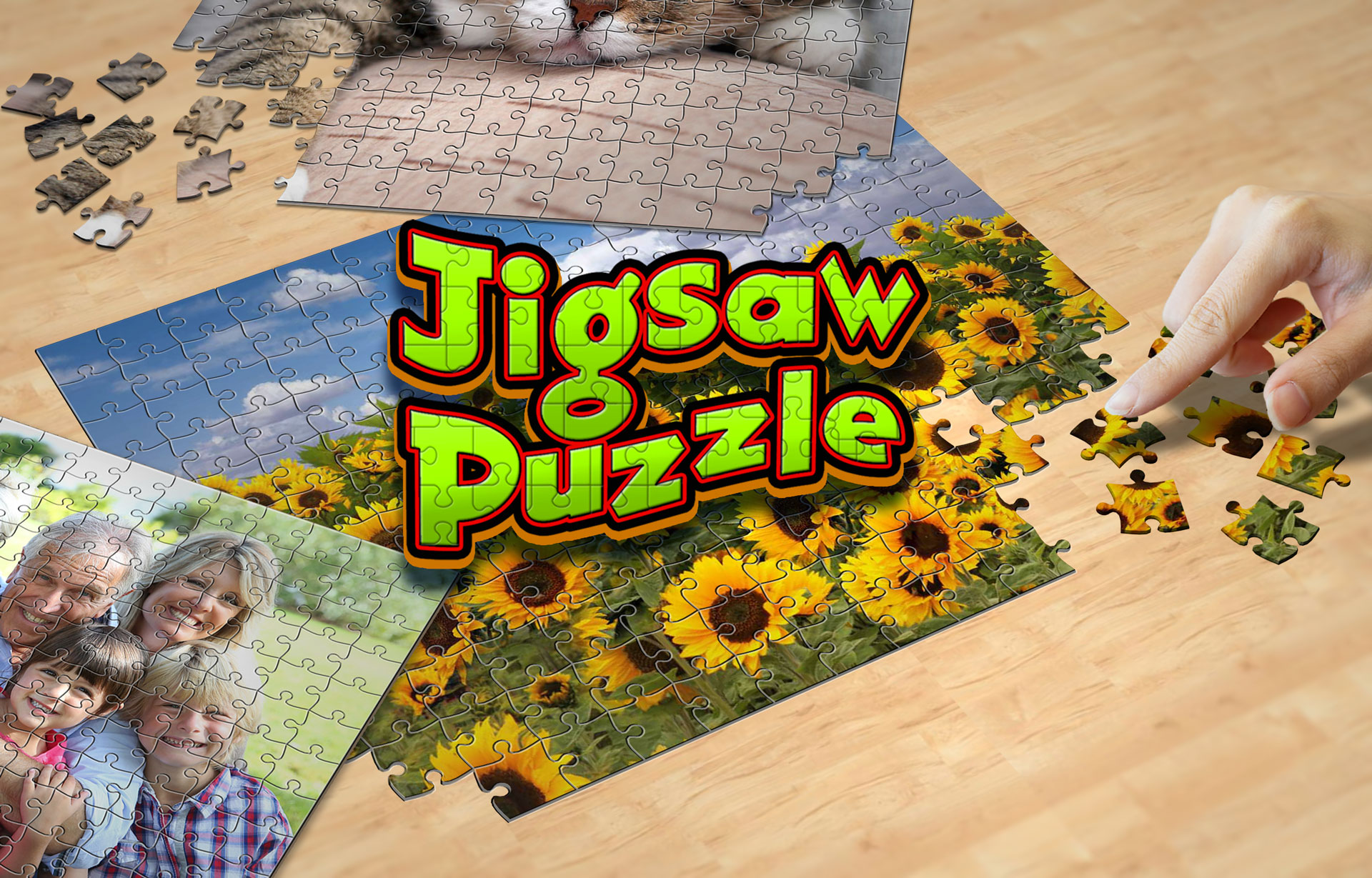
More adults are turning to puzzle games to exercise their brains and perhaps delay or stop the cognitive deterioration that may come with age. Mobile game developer MobilityWare, recognizing the growing trend of grownup-style children’s activities as extremely popular ways to relax, focus and relieve stress, responded to it by acquiring Critical Hit Software in 2016. This brought ColorArt: Coloring Book for Adults, Jigsaw Puzzle and other franchises to an audience of over 200 million mobile game players.

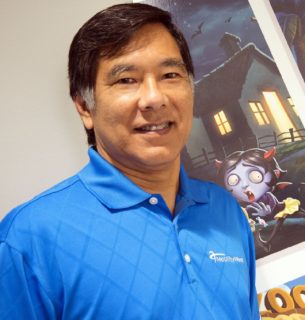
Dave Yonamine, founder and chairman of the board for MobilityWare

“We’ve had an eye on the trend for a while,” Dave Yonamine, founder and chairman of the board for MobilityWare, told AListDaily. “Jigsaw puzzles and coloring books are two forms of recreation that start in childhood but endure for a lifetime. While the popularity of jigsaw puzzles has been steady, that of coloring books ebbs and flows.”

Yonamine then recounted some of the events that led to the acquisition of Critical Hit Software. “We had the option of building the app from scratch or buying an established player,” Yonamine explained. “Building it ourselves wasn’t the preference, and we ultimately acquired jigsaw puzzle and adult coloring apps that really tapped into the trend. One of our employees—a woman in her 30s—told me an anecdote about attending her book club and hearing a half-dozen 30-something-year-olds raving about a mobile jigsaw puzzle game they were addicted to on their iPads, which happened to be the one that we acquired.

“One of the great things about acquiring Jigsaw Puzzle and ColorArt—and the trend for these games in general—is that the audience for these games overlaps very nicely with our existing user base of Solitaire players. We can get the word out about Jigsaw Puzzle and ColorArt to the right audience just by marketing to more than 200 million people already playing our Solitaire game. Chances are, they are the very same people that enjoy jigsaw puzzles and adult coloring activities.”

No matter what you call it, the trend appeals to practically every walk of life, from baby boomers to millennials. “These games have such a cross-generational appeal, and who doesn’t love a good jigsaw puzzle?” said Yonamine, when asked if one generation was taking more to these types of play than others. “But that nostalgic draw is definitely more acute for older generations. People in their 30s and older are the ones who most gravitate toward these games. The ‘Ah, to be young again!’ allure is a lot less alluring to those who are actually young.”

In a statement discussing the regressive play trend, MobilityWare CEO Jeff Erle said, “These fun and inexpensive activities take less energy than jogging or yoga, are easy to pick up, and can be done alongside other things without being obtrusive.”

When asked to further expand on why so many people would choose children’s activities at a time when there are so many other forms of entertainment (including video games) and therapy around, Yonamine said, “The cool thing is that these things aren’t mutually exclusive. The numerous mobile games capturing the interest in children’s activities by adults is the perfect intersection of technology, video games and therapy. In a way, it’s the best of all worlds. Adults can tap into their nostalgia but through modern technology and in a video game format—two things that are familiar to many adults today. As for other therapeutic options, playing a game of Jigsaw Puzzle is a lot less expensive and more accessible than seeing a therapist.”

However, there is still the matter of how some may regard the tactile feel of books and puzzle pieces as part of the therapeutic experience. We asked Yonamine how coloring and puzzles translate as digital activities.

“It is true that the experience will vary from the physical to the digital format,” Yonamine explained. “For one thing, cleanup is a lot easier, since you no longer have to pick up dozens of puzzle pieces. But there’s also a convenience factor to having these activities take digital form. They are accessible at a moment’s notice with a swipe of your phone. At the end of the day, the expectation with doing jigsaw puzzles and coloring is to do something relaxing and fun, and that should be true in whatever format you do it in.”

Given how there are studies that indicate that there are psychological health benefits to these activities, we asked Yonamine if MobilityWare was presenting ColorArt and Jigsaw Puzzle as therapeutic experiences. “No and yes,” he replied. “We would never claim that the apps are themselves therapeutic, but we definitely highlight the therapeutic nature of these games in our marketing collateral, e.g. by positioning the game as a great stress reducer or a way to relax. It’s not the only way of presenting these games though, and we certainly highlight other things as well, such as the nostalgic aspect of these apps, ease of use and the social features that allow players to share the puzzles with friends and family.”

So, after coloring and jigsaw puzzles, what could be the next big trend in therapeutic play?

“We’re good, but not that good!” Yonamine exclaimed. “We don’t know what the next big thing will be, but ‘what’s old is new again’ is very true of what we are generally seeing on the App Store right now. The game styles and mechanics of yesteryear are having a resurgence in the charts. I think that we will only be seeing more and more of that.”