Each year, millions of fans across the globe tune in to E3 press conferences to see what’s next in the world of gaming. Leaders in the video game industry take the stage to present their wares, convey each year’s theme and relay messages they most want consumers to remember. Three themes have been the most prominent at E3 this year so far.
Nurturing Player Communities
For the first time in the show’s history, E3 offers public access to the biggest gaming event of the year. This development illustrates a rising shift toward speaking directly to the consumer instead of the press alone. Together with online influencers, the biggest video game publishers are sending a message that they value gamers—whether that be through rewards, community or implementing ideas from the fans.
EA forewent their usual, massive show floor presence last year, opting instead to hold its EA Play event and inviting the public to try the latest titles for themselves. They pursued the same process this year with weekend festivities of debuting and demoing games at EA Play at the Hollywood Palladium.
“Last year we went out on a limb to do something a little different with a view to change the way you interact with products before they launch,” Electronic Arts CEO Andrew Wilson explained during the company’s E3 press conference. “We wanted to do something that put the games in your hands earlier and it showed us how much further we could go . . . playing, creating and sharing with the rest of the world. We built [EA Play] this way for a very simple reason—we want more of you to experience this moment.”
Microsoft’s streaming service—recently named Mixer—was promoted aplenty during the company’s press briefing, offering rewards for watching E3 coverage through the platform. Those who link their Xbox account to Mixer by June 16 will receive the Mixpot—three free games and DLC content for three others.
Xbox president Phil Spencer said during his presentation that Mixer is their response to evolving gamer communities.
“At Xbox, we’ve always believed in the power of games to unite us all,” explained Spencer. “Today, communities of gamers not only play together, they create together and watch together. A whole new genre of games is emerging, designed for both the player and the community. With Mixer, we’re innovating new features to make these experiences even better.”
Bethesda stressed how large and active its communities are, especially when it comes to modding. To keep players coming back for more, the company introduced its new Creation Club for SkyrimSpecial Edition and Fallout 4. The service, coming this summer, features new weapons, armor, environments and more, made by Bethesda and development partners.
Embracing New Technology
Project Scorpio is now officially called Xbox One X—what Microsoft calls “the world’s most powerful console.” With six teraflops of memory and true 4K graphical fidelity, the new console’s fancy graphics are just the tip of the technological iceberg at this year’s E3.
Sony reminded fans that its PS4 Pro is already on the market, which features 4K graphical fidelity and VR capabilities. All games in the Sony E3 booth will be played on a 4K TV so consumers can physically see the difference. When the PS4 Pro was introduced last year, Sony found it more difficult than they imagined to illustrate the differences between HD graphics and 4K.
“As 4K TV adoption rates are up and PS4 Pro is on the market, it’s getting much easier to communicate improvements in the game experience,” PS4 pro architect Mark Cerny explained in a recorded interview played during the PlayStation Live broadcast. “Undoubtedly the best way we have to demonstrate that leap in graphics capability with [PS4] Pro is for people to see and play it for themselves.”
Microsoft is continuing its push for cross-play with its Play Anywhere games, and the Xbox One X will feature backward-compatibility with games going back to the original Xbox.
Surprisingly, VR wasn’t one of the many features Microsoft touted during its conference, but Bethesda was ready to pick up the slack. Fallout 4 VR will hit consoles this year, as well as a Doom VR port that features a unique dash/teleportation mechanic. Sony, armed with its PSVR, debuted trailers for new titles including Red Hot VR,Sparc and Star Child.
Bethesda also showed its support for new console technology with Skyrim Switch, including The Legend of Zelda-themed in-game items and amiibo support. Ubisoft unveiled its crossover Mario + Rabbids: Kingdom Battle that is also headed to the Nintendo Switch later this fall.
While new technology is all the rage, publishers are creating ways to make video games more accessible by utilizing existing technology—smartphones. Sony highlighted its new PlayLink collection that uses phones instead of controllers and is meant to be played with others. Titles introduced in the collection include That’s You, a quiz game by Wish Studios, Hidden Agenda, a game by Until Dawn developer Supermassive Games, and three other titles called Frantics, SingStar Celebration and Knowledge is Power.
The Power Of Storytelling
4K and HD graphics aside, each video game trailer placed emphasis on the story, whether that be a continuation such as Life Is Strange: Before the Storm or a new IP like Anthem, each publisher wanted the audience to know how much thought and care went into telling a unique interactive story.
This message was especially true for EA with its presentation of FIFA 18. The game’s story mode—”The Journey“—will continue the fictional story of Alex Hunter and his quest at football stardom. Madden will debuting a similar version now dubbed “Longshot.”
In real life, publishers are encouraging gamers to tell their own stories through competition. Bethesda extended its closed Quake Champions beta access to 24/7 showed a trailer promoting the Quake World Championships.
Meanwhile, EA announced its biggest esports event ever coming this fall, inviting both professionals and others who aspire to be the best. “FIFA is the world’s game,” the company says on its website. “This will be the world’s competition.”
NRG Esports is backed by some of the most recognizable names in sports, including Shaquille O’Neal, Alex Rodriguez and Jimmy Rollins. The company continues to forge partnerships with non-endemic brands such as Events DC and BioSteel across its eight competitive gaming teams. Most recently, the esports brand signed a sponsorship deal with Amazon to help the e-commerce giant promote its Appstore and Coins.
The first of multiple events that NRG will be working with on Amazon is the Mobile Masters Invitational (M2) June 23-24 at the Prudential Center in New York, and August 18-20 at the Los Angeles Convention Center in conjunction with KCON, the world’s largest Korean pop culture festival. Following Amazon’s Champions of Fire casual games tournament last year, M2 is a new tournament series featuring top competitors of popular mobile games available on the Amazon Appstore including Summoners War, Vainglory and Hearthstone.
Top professional players and teams from around the world will be participating in all three M2 tournaments. The Vainglory tournament will feature world champion Invincible Armada and top North American teams like NRG, Tempo Storm, and Cloud 9. The Hearthstone tournament will feature popular streamers paired with expert players like William “Amnesia_sc” Barton and Johnnie “Ratsmah” Lee. In addition, Summoners War will feature popular streamers Rinriona and ShreddedPuzzle.
Brett Lautenbach, president at NRG Esports, told AListDaily that this first tournament will be influencer and pro gamer-based, but the concept will expand beyond that. “Amazon’s new and interesting style of doing tournaments will open up original ways to integrate fans into these experiences,” Lautenbach said.
Lautenbach said that the initial focus will be on mobile titles, but the plan is to expand across all of NRG’s esports titles. “Much like our Events DC involvement, we’re focused on event activations with the Amazon Appstore,” Lautenbach said.
There will also be more traditional exclusive video content as part of this sponsorship. “You’ll be seeing some video content we shot behind-the-scenes,” Lautenbach added. “The big focus is on content and live activations, and the links from social media will be secondary.”
NRG is currently working with Amazon on the content generation plans, which will include pop-ups and other events. Lautenbach said the format for these tournaments introduces fresh new takes on mobile gaming, which he believes will connect with fans across the three titles. “Amazon has used creativity with different tournament styles and they’ve been able to find cool new ways to challenge players and the fans still love it,” Lautenbach said.
NRG has also partnered with Asus’ Republic of Gamers brand as a sponsor, which Lautenbach said has been good for the team in securing the best PCs possible to practice and scrimmage for competition. The team is working with Asus to attend big esports and consumer events like DreamHack Austin, where players sign autographs and play games with fans.
Last week in Los Angeles, NRG’s Rocket League team placed third in the world championship. The NRG match received 197,000 concurrent viewers. “Twitch and Psyonix have done a great job of growing this community and esports base in just two years,” Lautenbach said. “It’s a game that’s growing fast as an esport and that’s partly because it’s a concept anyone can understand—it’s like soccer with cars.”
One of the owners of NRG Esports is Andy Miller, who’s also a co-owner of the Sacramento Kings. With the advent of the NBA 2K ELeague, which launches next year, Lautenbach believes the NBA’s entry into esports could be good for traditional esports as well.
“To see the NBA support esports is a step in the right direction,” Lautenbach said. “The Kings are involved, and 2K has built a great community to connect with across NBA 2K.”
How much the NBA (or even the NFL with Madden competitive gaming) will help games such as Super Smash Bros. or Rocket League remains to be seen. Lautenbach said much like any esport title, not every fan crosses over.
“Smash fans don’t watch other esports, for example,” Lautenbach said. “But it would be awesome to see 2K fans come over to other esports that we’re involved with. The more we get gaming out there in the public so they can understand it better, the better it is for the whole esports community.”
Although NRG doesn’t have a League of Legends team, Lautenbach believes the new structure for LCS next year is good for esports.
“There are a certain amount of developers out there that can help build a strong community if they can do things differently,” Lautenbach explained. “All the power to Riot if they can do a permanent partnership—or as Blizzard calls it with Overwatch, ‘franchising.’ I’m excited to see who, if anyone else, picks up on that and moves in that direction. It opens teams up to new revenue sources and it’s great for developers who can work with the team owners they want to work with long-term.”
Cookie Jam, which has been downloaded over 100 million times globally, remains one of the most popular puzzle games in the world, prompting Jam City to create a franchise from it. The first step was in launching Cookie Jam Blast in May.
“Cookie Jam Blast is the first of many additional mediums that we’re going to be extending this brand to,” Jam City CEO and co-founder Chris DeWolfe told AListDaily. “So, you may see plush toys, food brands, or a TV show—we don’t know. But Cookie Jam Blast is something that we’re really excited about and we think it’s a great game.”
DeWolfe then went into detail about growing the Cookie Jam brand and the company’s strategy for continued success in the future for mobile games based on both original brands and existing IPs.
How would you describe the Cookie Jam brand?
The Cookie Jam brand started three years ago, and I think it’s defined by its deep graphics, a deep story (for a puzzle game), its fun characters, endless levels and the fact that you can pick up and play the game whenever you want.
How has Cookie Jam evolved over the years?
It has gone from being primarily a US-centric type of brand to a great global brand. Over half of our users are playing the game outside of the United States, and it has been translated to over 150 languages. Cookie Jam Blast will also be a great global brand and any follow-up brand will be global too. One of the things that we found is that it appeals very well to different demographics and cultures.
What considerations to into building a global brand?
A lot. There are nuances with the humor of the game, the pricing, the exact translation and the types of promotions that you do with the game. [Also] the partners that you work with in different countries. All those things are very important and quite complicated. We devoted extra time in knowing that anything we put out has got to be meant for a global audience.
How do you balance between all-original games like Cookie Jam and ones based off existing IPs such as Futurama?
We love doing both. Branded franchises like Family Guy and Futurama are fun because you can take awesome storytelling and work with the original storytellers. For example, with Family Guy, we work with the writers at Fuzzy Door to take the television format and translate it authentically to mobile gaming. It’s a lot of fun and has a built-in fan base.
But it’s also valuable to create your own brands so that you can create brand extensions. In the future, we see a day where we’re not only taking our brands and pushing them out to entertainment mediums, but about half of our new games will be based on established brands.
Do existing IPs have the same kind of global appeal as Cookie Jam?
Not necessarily Family Guy. Every game has a different purpose. Family Guy is more of a Western game, and that’s where the television show was more popular. But there are other IPs that we’re working on right now that have very global appeal. For example, we announced a Peanuts game that will come out in a couple of months, which has one of the top global appeals of any brand out there. But our own games developed in such a way where we believe they have global appeal.
What would you say is the relationship between television, movies and mobile gaming these days?
I think that mobile gaming is the fastest growing entertainment medium. It’s actually bigger than the movie business right now. So, if you own a brand or IP, thinking about what you’re going to do with it from a mobile gaming perspective is one of the first thoughts that will come to your mind. It’s a very strategic decision for any IP owner, and we’re fortunate enough to be one of the few mobile gaming companies that does a great job at translating television and movie IPs to the mobile gaming format.
What do you think is the key to standing out in crowded mobile gaming market?
Definitely extra polish and quality. You have to have the best artists, game designers, engineers and story writers in the world. You also have to be more innovative than the next guy. So, when we’re building a game now, we’re thinking about what’s going to be interesting in 2018 and beyond. We’re always taking chances and we think that that is one of the keys to our successes—taking chances, being innovative and having the best people around.
Cookie Jam has been around for a few years. What is the strategy for long-term engagement for mobile games?
Continued engagement is very important to us. Whenever we build a game, we think of it as being evergreen—or a game that can last for many years. The whole key to adding new content—if not every week, then every month with new levels, events, twists and characters. Every time a user turns on one of our games, they’ll get something new and fun that they’ve never seen before. The game is a sort of living and breathing organism that’s always changing, which makes it very different from a movie or traditional console game.
What are your thoughts on subscription models for mobile games?
We love subscription models, and it’s something that we’re experimenting with, but it’s not something that we’ve found a lot of success with yet. If you look at the microtransaction model, it works quite a bit like a transaction model. What I mean by that is that there’s a very predictable revenue stream from microtransactions that come in every month. We’re pretty sure, down to a fine number, about the revenues that will be coming in for the following weeks and months.
Some may perceive mobile games as a kind of disposable experience due to their high uninstall rates. What are your thoughts about that perception and how to overcome it?
That’s a great question because I think that’s the way the mobile game universe used to be. Mobile games got really big, then they crashed and a new game came into vogue. I think a lot of that came from the Facebook days where people were playing games on it. But if you look at the top grossing games on mobile, a few of them have been around for years. So, it takes a certain amount of expertise. You’re working with big data to make sure that your levels and game are tuned to ensure the most fun for users. You’re making sure that you’re constantly updating your content, that you’re focusing on those several games, and that you’re going a mile deep with a handful of games versus 10 or 20 games at a time.
VRTL—pronounced “virtual”—is a networking group for the virtual, augmented and mixed reality industries that unites creatives and executives across each of the three respective ecosystems.
The inaugural VRTL Summit, which covered the entertainment and enterprise sectors and focused on content creation tools, cinematic storytelling and gaming, took place at Paramount Studios in Los Angeles earlier this year and brought speakers from all sectors of the industry to cover conversations about content creation tools, cinematic storytelling and gaming.
AListDaily caught up with the show’s founders, Sunny Dhillon, partner at Signia Venture Partners, and Ned Sherman, founder of Digital Media Wire as well as a counselor and director at Manatt Digital, to talk about what brands and marketers need to know about VR.
How are you identifying sectors that are adopting VR?
Sherman: Within the entertainment and media sectors, there are kind of three drivers: cinematic storytelling, VRcades and games. In the enterprise sector it’s really fascinating. Automotive, healthcare and travel and leisure have really been taking off.
How will VR shape the future of cinematic storytelling and entertainment?
Dhillon: I think creators like [visual effects producer and director] Rob Stromberg, who have won Oscars and are now coming into creating VR-first content; companies like 8i, one of my portfolio companies, that are doing volumetric video capture and re-rendering of holograms within real-time experiences—that kind of technology put in the hands of people like Stromberg is a perfect combination of amazing boundary-pushing, never-before-done technology and pre-existing Oscar-winning, Emmy-winning, creative talent. I think that combination is what we’re starting to see now. Paramount’s a great home for that, and we look forward to working, from my venture fund’s perspective, with many of our studio partners to help promote and create some of that content in the future.
Why do you think VR and 360-degree video are such rich territory for brands?
Dhillon: From the perspective of advertising, 360 video is perhaps the largest supply of inventory right now that advertising brands can insert product placement and sponsored messaging. I’m actually not a personal fan of 360 video. I think it’s a very shallow use case of what VR can be. I’m a much bigger fan of where things will be two-to-three years from now—which is volumetric video, light-field capture. In other words, holograms. You’ll be able to walk around a specific space, using what we call six degrees of freedom—you’ll be able to integrate live holograms of real people into the virtual world, or into the real world as augmented reality holograms walking thereby alongside you. So I think that actually creates a far more compelling advertising medium due to it being far more immersive. It doesn’t shatter the immersion of the virtual world, or it doesn’t shatter the use case the hologram is there to pertain to. I always considered 360 video more akin to banner ads and pop-ups right now. You learn to just drain those things out, or you’ve got an ad blocker installed on your browser already just to ignore it because it’s noise. I think a real, true, additive—boundary-pushing kind of virtual reality advertisement that’s still in the works. We’ve seen a few of them and they’re pretty cool. And there are a lot of brands putting money to good use. Madison Avenue’s all over it from the agency world. But I think that it’s very experimental right now, it’s very boundary-pushing. It’s not necessarily leading to ROI for conversion to paid sales just yet.
What are the trends, insights and developments you are experiencing and noticing? What can you share?
Dhillon: Some trends that been made evident are how slow adoption has been categorically. I think there’s been certain pockets of content that have really adopted; early adopters to VR are typically gamers. Gamers are always early adopters to new technology on any consumer platform. So, I think hardcore gamers, early movers in cinematic storytelling and a lot of the infrastructure-type guys—folks who are used to building in Unity on real gaming engines, people who are used to pushing the boundaries in visual effects in the Hollywood sphere—and to be able to import that into a compelling, interactive narrative now. It’s no longer lean forward, lean back—it’s very much back and forth the whole time the way that you would in any kind of conversation. That’s what virtual reality is bringing to the forefront. And I think there’s been some pioneers that we’ve seen, a lot of whom are here with us at VRTL, who are kind of really pushing those boundaries.
VR is so new that there’s not a hard and fast rulebook for creating content yet. What surprising things did you learn that may help other VR creators?
Dhillon: Some of the challenges that creators have faced have been lack of funding. There’s not a lot of money out there right now due to the cyclical and circular reasoning. If somebody invests, if myself, amongst other investors for example, invest in a piece of content, we want to understand what the recruitment period is going to look like. And there’s not a great deal of headsets or big end-user audience that’s materialized yet that would help us recruit that. If it’s, you know, a traditional media monetization model—advertising, subscription, paid download, electronic sell-through, whatever have you—I think that you need a big chunk of people watching this stuff, or watching the trailer to this stuff, who will then convert to paying. To use a gaming analogy, such as a freemium kind of model, you’re going to have only a certain percentage of your overall user base who’s ever going to convert to paying. So I think that the limited size of the end-user audience right now is kind of what is constraining really top-tier content coming into the forefront. I also think VR headsets themselves need to come down considerably in price; they need to be more ergonomically designed and you actually need more traditional-branded IP coming into the forefront here. And I think that’s something that Paramount can hopefully assist with its own IP portfolio.
What is currently the biggest challenge for marketing VR? What is the current state of VR marketing looking like?
Sherman: I think the main challenge is the number of installed headsets that are on the market. I mean, we’re in the low millions right now, so the audience is just not as large as it can be. Also, the quality of headsets needs to improve, you know, dramatically. But the real upside is that the level of retention in VR-immersive experiences is extremely high, and with AR which is, you know, partially immersive, you’re seeing the same things. So the ability to really reach audiences, pull them into this immersive environment and for them to retain the brands and marketing they’re participating in is very high.
How will it impact advertising?
Sherman: Well, I think we’re going to start seeing more brand extensions as opposed to retrofitting existing campaigns—and really, storytelling, and bringing audiences into stories instead of taking existing campaigns and just retrofitting those for VR experiences.
What are you doing as a company to help VR become more palatable?
Dhillon: What we’re doing to help move VR and AR forward is putting our checkbook to work. We’re early-stage investors, we support entrepreneurs, trailblazing entrepreneurs who want to really push the boundary on any new-frontier technology. VR/AR is one of those frontier technologies that we’re very active in right now. We’re one of the most active investors in early-stage VR/AR investing. We continue to scour the landscape for compelling investment opportunities. So I think investment, and more so mentorship, helping tie business development and IP into some of these content production kind of deals, helping on distribution, helping with analytics on who’s watching what, how can you package that up and incorporate advertising and brand placement—things like that.
What needs to happen for the VR industry to really take the next step?
Sherman: Well you know, if the market is poised to reach $100 billion market by 2021, there are three main challenges. One is availability of audiences. Audiences right now are limited by the number of headsets on the market, so we’re really looking at just over a million, two million headsets on the market. Content and the availability of content, there are a lot of people in the creative community working on projects, but still, limited amount of content on the market right now. And finally, consumers getting comfortable with the products and that ease of use which is a technology obstacle being addressed. So those three things are really the challenges that need to be overcome for the growth of the industry.
Mountain Dew is upping its esports game, sponsoring a trio of competitive gaming powerhouses, including the Sixers-owned Team Dignitas, Splyce and Team SK Gaming. The soft drink brand will collaborate with these teams and players to connect directly with esports fans through the official Mountain Dew Twitch Channel.
Manos Spanos, global senior marketing director of Mountain Dew, told AListDaily that the brand partnered with these three major esports teams to bring exclusive content and access to its consumers. “Each of these esports powerhouses resonates with gamers across the globe,” Spanos said. “We are excited to see where these partnerships takes us and what’s in store for the future.”
Spanos said the brand has learned a great deal from its esports and gaming activations over the years, particularly how gamers are always looking to step up their game. “We do what we can to support them, whether it’s through one-of-a-kind content or activities like the Mountain Dew League, which provides gamers with the opportunity to turn their passion into a profession,” Spanos said. “We strive to be authentic in every space we play in, and for Mountain Dew, that means providing gamers with no-frills access and relevant content that adds to their experience.”
Mountain Dew first entered the gaming space in 2003 with its Game Fuel line of drinks. The evolution of esports over the past decade has created a separate global gaming audience, but there is a crossover of fans. “Both audiences are equally as passionate and are always looking for unique opportunities to master their craft,” Spanos said. “For us at Mountain Dew, it’s important that we tap into this passion and approach each audience in an authentic way that brings value, which is exactly what we’re doing through our three esports partnerships with Team Dignitas, Splyce and Team SK Gaming.”
Spanos said these new partnerships with Team Dignitas, Splyce and SK Gaming will provide gamers across the globe with exclusive content and access to some of the best gamers and esports celebrities in the world. The brand will be able to tap into these teams, their personalities, and their huge social followings. Outside of putting Mountain Dew on the jerseys, Spanos said these sponsorships open the door to a lot of different possibilities and new territories to explore.
“We’re really excited about the potential,” Spanos said. “It also allows for our continued support of the ever-evolving esports world.”
This news is the latest iteration of the brand’s continued focus on providing casual, amateur and professional gamers with unique experiences, training and opportunities. For example, the Mountain Dew League (MDL)—a professional competitive gaming league designed to help amateur gamers become pros—is back for its second year. The new season will offer more teams, one-of-a-kind content, training sessions and player spotlights, all designed to help players elevate their gaming skills.
Chad Biggs, senior vice president of corporate partnerships and activation at the Philadelphia 76ers told AListDaily that the Sixers have a longstanding partnership with Mountain Dew.
“Mountain Dew is looking to reach the vibrant, young, active millennial esports fan base, and Team Dignitas presents a perfect portal for them,” Biggs said. “The Mountain Dew brand has a reputation for activating in incredibly engaging and authentic ways, and we think the esports fan will really respond to that authentic effort.”
The Sixers are using their NBA marketing team to bring non-endemic brands to esports. “The integration between Mountain Dew and our team will be natural,” Biggs said. “From exposure on our Team Dignitas digital and social platforms geared towards our fans, to exposure within our team houses—Mountain Dew is a natural fit for the gaming space.”
Biggs sees the Philadelphia 76ers creating a credible bridge for traditional sports advertisers into the esports space, which he believes is a testament to the team’s demonstrated expertise and focus on original and organic activation.
“Esports fans and players are incredibly savvy and strategically minded. They understand the incredible resources, increased media exposure, marketing and opportunity for improved technology that traditional sports advertisers—especially those who pursue authentic activation, like Mountain Dew—can bring to the space,” Biggs said.
Esports and competitive gaming commanded $280 million in ad dollars last year through a variety of video, influencer marketing and sponsorships activations from a bevy of big brands. By 2021, that ad spend is estimated to reach $1 billion, per a report released last month by IHS Markit.
Steven Roberts, the executive chairman at ESL, one of the largest esports companies in the world that operates branded leagues and tournaments such as the Intel Extreme Masters, ESL One and ESL National Championships, joined AListDaily senior brands editor Manouk Akopyan for its inaugural podcast to explain how marketers can control the current that is esports. Below is the transcription of the entire conversation.
Akopyan: Take us through the elevator pitch of how you introduce ESL to people in the industry.
Roberts: Yeah, I think the key elements about ESL is number one, we’re really the only global company and largest esports company in the world. We have 12 offices, 550 people [working]—we have six studios. We produce 20,000 hours of live esports, which is amazing. We own and operate 15-to-20 of the largest esports events in the world in Poland, Cologne, Shanghai, New York and San Francisco. So truly, these events reach out to the global audience. And one of the key things about ESL is that it was started 15 years ago—when esports and competitive gaming was in its infancy. And it was started by gamers, and sort of for gamers. So the authenticity and credibility that both have, and ESL and the company’s culture itself, takes that authenticity and credibility into the marketplace, and into the community.
Akopyan: And like many people, your career didn’t start in gaming, but you ventured off into it at some point. What is your role at ESL? And kind of take us through your day-to-day and some of the responsibility and verticals you oversee.
Roberts: So as you can see, I’m not a millennial which is quite different. Out of 550 people at ESL, I think I’m the oldest guy—and I’m not that old. But, my role is executive chairman for North America, which means I focus on really the large strategic partnerships. Whether that’s a deal that we did with AEG last year and announced for putting esports into a lot of the venues around the world, or partnering on sales for brands and things like that, to really the media side of the business. My background is in more traditional media, so I’m bringing that element into esports and focusing heavily on how we can tell better stories and get esports to a broader market outside of just Twitch and YouTube and onto more of the traditional platforms.
Akopyan: And with your traditional background [before] at DirectTV, what opportunities are there for the games industry, esports and competitive gaming that traditional media is kind of behind on?
Roberts: Yeah, well, you know, traditional media is in a very dynamic time period in its existence with cord cutting, and cord nevers. I have kids that are teenagers, and they’ll never take out a subscription, I don’t think, for traditional cable or satellite subscription. They consume their content digitally. And so, I think that esports, with its huge following and scale digitally, can create a really interesting bridge between the traditional linear broadcast model and the digital model that the traditional media companies are facing and deal with today. So, I think if we can tell the right stories and put in the right perspective . . . content needs the change. We can’t just do what’s been done, or what’s being done on Twitch and on other digital platforms and put it up on linear TV. It’s not going to work. So we’ve got to broaden the market and attract a broader market for that demographic.
Akopyan: Absolutely. And with that comes competitive gaming as well, which is something of a hot topic of late. For any of the listeners out there who don’t know the difference between esports and competitive gaming, how would you break that down for them?
Roberts: Look I think that’s part of the problem. There’s still a huge amount of education that needs to be done in the marketplace with brands and fans. There’s hundreds of millions of gamers out there that compete on a daily basis in their living rooms, in their dens, with their friends around the world, talking on their headsets. And so competitive gaming is sort of inherent in gaming itself. Taking that to the next level of professional esports, where there’s millions of dollars at stake and big arenas, big lights, celebrities and all of those things is really the two points of where gaming is. And we can’t forget about the core, amateur competitive gaming scene because eventually, some of those players are going to rise up to be pro players.
Akopyan: Yes, and with what you mentioned, we see the headlines and forecasts every day about “millions of fans, and billions of dollars in the next 10 years.” They just seem to be out there every day from different sources and a lot of the revenues being driven by the brands who are also investing in it. And there’s also a lot of non-endemic brands. And my question to you is, being at the epicenter of all this where you seek partnerships from both sides, what is the relevant marketing avenue that brands need to actively pursue today? What is your advice to them to find that access into the industry?
Roberts: I think that’s the big question. And each brand will find its different entry that makes sense for them. But finding one that makes sense and one that is truly authentic to the brand values and to the community is sort of that critical link. And so, the conversation that we have with brands and with networks, very often they start as a media buy because, again, just the sheer scale. No one is going to lose their job over deciding on associating with something that is relatively clean and that gets 100 million views, right? It’s taking that next step where brand managers and executives need to take a little leap of faith with esports. It’s not going away—which it’s not, it’s growing—and take a leap of faith that, if we do this in the right manner, an authentic, credible manner, and take the essence of what that brand means. There are ways that we can really leverage esports in ways that, frankly, can’t be done at the NFL and the NHL and more traditional sports just because of how formal those sports have become. There’s a lot of creativity that can be done, and it’s totally appreciated with esports.
Akopyan: And obviously you’ve worked with brands like Mountain Dew and Tostitos, and there’s a multitude of others aside from ESL whether it be Coca-Cola, Buffalo Wild Wings, Quest Nutrition . . . that list goes on and on as well. I’m curious to know what you think has been the best, or perhaps one of your favorites, something that has really resonated to the point where it should kind of be mirrored and scaled up in a different way?
Roberts: Yeah, I don’t know if it can be mirrored because again, each brand is somewhat different, and I think that activation in a sport, or in esports specifically, should be differentiated in some way. But some of the things that we’ve done, obviously with Intel Extreme Masters being the longest-running esports circuit—it’s the longest running sponsorship they’ve ever had–some of the activations they do in integrating their OEM partners and really illustrating and showing off their technology and how their technology can improve the performance of pro gamers and competitive gamers. So, Intel is one of those key partners in esports that has done it the right way, there’s no doubt. Mountain Dew is similar where they’ve taken a different approach and entered in on the amateur level of esports, in an amateur league called the Mountain Dew League and really created an aspirational aspect of that league to where winners of that amateur league can go and become a pro. So that activation is pretty unique.
Akopyan: And you recently were featured as a speaker at our alist summit, and you kind of go through the car wash of the industry esports summits of today where it’s like there seems to be . . .
Roberts: There’s a lot of them.
Akopyan: There are a lot of them, yes. And I actually saw you a couple of weeks ago at one as well. What is the focus of the topics of conversations that you’re having? What is the one question that consistently and constantly keeps coming up that you feel like you’re answering? What is that big million-dollar question everyone wants to know?
Roberts: Yeah. It amazes me still, you know. You see the scale of some of these events that we do, and others do, where there’s 100,000-plus people that come to our event in Poland, or 100 million views on the internet that we get over a weekend. And so, there’s such scale out there and there’s such consumption of this with a very key demographic being mostly male millennials. But on the brand side, there’s still so much education that we continue to seem to do, which is great because brands are engaged enough now where it’s on their radar, and they need the facts, they need the data. And the No. 1 question is something that you asked before: “how do they enter? Where do they enter? Do they enter on amateur level? Do they enter on a pro level? Do they enter on an online league?” People still have difficulty understanding that all of this content being produced and these competitions are not necessarily being held in an arena. You know, we have these big arena events, but those are once a month, a couple every months. All of this other content is done online. And so, for people to wrap their arms and head around that, all these people are consuming this content of matches and watching people play video games online is still and education process. And tapping into that scale is hugely powerful—but it has to be done in the right place.
Akopyan: Obviously with marketers around the world, they’re in that position because they have a good pulse of the industry. Do you feel like they also need to trust the gaming side and kind of embrace that hand-holding process where it’s like “let us lead you to the promised land?”
Roberts: Yeah, and we work with a lot of brands in that capacity. And it takes time; it’s a new industry. And even though we’ve been around for 15 years, it’s a new industry. There’s a lot of entrance into the industry because of the same numbers that they hear about and everyone hears about on a daily basis. And one of the things that we certainly go out and tell our partners and brands that are looking into the space is “you’ve got to be careful because there are a lot of entrants coming in just to try to make it big—and quickly.” It’s not going to happen, and you don’t want to put your brand in that position. You want to go in with certainty when you’re first entering esports, in a place where there is trust, there’s credibility, there’s authenticity to remove and mitigate any of those risks.
Akopyan: And you’ve been in the industry now for how many years?
Roberts: In gaming and esports? For over a year.
Akopyan: So, you’re speaking like the sage fox out of the group right now where you kind of feel the pain points, you know the obstacles that you have to be overcome. What are the lessons that you’ve learned throughout this navigation over the last 12 months? And are you happy with the career move personally?
Roberts: I’ve been involved in esports back when we thought esports—10-to-12 years ago—was going to be really where it was today. It just took a lot longer. So at DirectTV we actually started a professional league called Championship Gaming Series (CGS), and we learned a lot out of that—that, frankly, esports learned CGS and some of the mistakes and some of the wins that we had 10-to-12 years ago. So, very often we look back to those times on what can work, and what can’t work. It’s a different time period now that everyone has the bandwidth to watch, and there’s Twitch and there’s YouTube, things that we didn’t have back then. But the industry over the past 12 months since I’ve been in it, 18 months actually, the growth has been meteoric, which is great. [Companies] like Turner getting in with ELeague—I do believe there’s a tide that raises all boats. I do think that over the next 12-to-24 months we’re going to see some of these players that jumped in really fast—they probably won’t be around in 12-to-24 months. So I think, looking into the future, I see the esports that are there today and doing well, I think they get stronger, they get better, they get better brands involved. I think the demographics get broader, I think more women come in and I think we start telling different types of stories to get outside of just that core gamer.
Akopyan: And before you go, since esports is all about predictions, I need two predictions: one predicting potential doom and gloom and one that is joyous bloom. There’s both sides of the coin. What are two things that you think?
Roberts: That’s a good question. So I think . . . look on the negative side, and I think people see it—it’s the fragmentation in esports. It’s still a pretty fragmented ecosystem, from different IP holders, to the teams, to the team owners. So, I think that fragmentation has to consolidate at some point, I don’t necessarily think it’s going to happen in the next weeks, or months. It’s going to take time. But, if that fragmentation continues or gets worse, I think that will be detrimental in the long term to esports and the growth. So that’s the negative side. I don’t think that’s going to happen. I see all of the moves of the professional leagues coming in and the team owners that are changing. I think that in the long run that’s going to help that fragmentation coalesce a little bit. In the bright spots, look, I think the whole industry is sort of a bright spot. I think that it’s going to continue growing in different ways. My hope is that there’s more games, different types of games that get to the scale. So I think that would be really healthy, that we can find a way to harness all of these other games. We work across 65 games, so as an aggregate, it’s huge. But there’s only a few right now that we can fill a stadium with. I’m looking forward to us and others coming and making sure that there’s other games that can help fill the stadiums.
Consumers appreciate a brand’s digital honesty now more than ever.
A recent study by Label Insight found that 94 percent of consumers are likely to be loyal to a transparent brand, and 73 percent say they would pay more for a product that offers complete transparency.
US influencers benefit from transparency—and not just because they avoid FTC penalties. An influencer’s audiences sees them as a friend, and often considers new partnerships as good news.
Vincent Juarez, principal of the Influencer Orchestration Network (ION) explains this phenomenon. “Michelle Phan was thrilled about working with Marvel and TinyCo as the voice of Jessica Jones in the Avengers Academy app,” said Juarez. “She knew her fans would be happy for her. Part of her disclosure was right in the video as she spoke about her excitement about doing the voiceover work.”
A study by Altimeter Group showed that out of the 1,753 influencers surveyed, 71 percent say their followers remain engaged due to the influencer’s authenticity.
On the other hand, a lack of transparency can leave influencer audiences feeling deceived. The Fyre Festival took place just weeks after the Federal Trade Commission (FTC) issued over 90 letters to Instagram influencers to “clearly and conspicuously disclose their relationships to brands.” When the festival failed to deliver (to put it mildly), not only did fans feel betrayed by those who endorsed the event, but those influencers are now named in a number of law suits seeking $100 million in damages.
Transparency isn’t just a problem in the US—in the UK, 12 percent of marketers had no idea about CAP influencer rules, according to a study by Takumi. Of the 500 public relations and marketing professionals surveyed, 34.7 percent who were familiar with the rules actively choose not to adhere to it due to a lack of understanding or a reluctance to be transparent about paid-for content.
Some 30 percent of consumers say they now have little or no trust in brand information they see on Facebook—up from 20 percent in 2014—per Censuswide. In addition, 38 percent of consumers would lose trust in a brand if content wasn’t genuine.
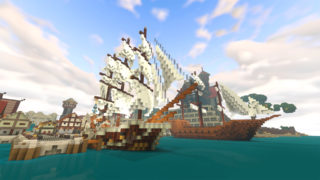
Creativerse, a Minecraft-inspired creative open world adventure game, is quickly expanding. Released in May and developed by Playful Corporation (Lucky’s Tale), the free-to-play building game has already brought in over three million downloads on the PC and Mac platforms alone. Furthermore, the game occupied both top spots on Steam’s top grossing charts for a short time after launching the Welcome Bundle, the second of two add-on packs that include design recipes and resources. The other add-on, the Pro Pack, includes several toys for users to play with, including a hang glider, more inventory slots, and other benefits.
The early success of Creativerse demonstrates how there is a strong appetite for more titles in the open world building game genre, even with the tremendous success of Minecraft. Creativerse appeals to players of all ages, especially families, with parents playing with their children. The game is almost certain to grow even further when it releases on more platforms.
Paul Bettner, CEO and founder of Playful Corporation, sat down with AListDaily to discuss the growth of the creative game genre, releasing a game in the wake of Minecraft’s success, and how to maintain long-term engagement with the audience.
Paul Bettner, CEO and founder of Playful Corporation
What do you think draws players to Creativerse?
As people come into this world, they realize that they can be the architects of it. They can shape the world itself. I think what sets these types of games apart is that, with other games, you solve challenges in ways the game presents to you. For example, you shoot things with Grand Theft Auto, and a different game might have you going on quests. Creativerse has some of those elements, including monsters to slay, but the fundamental way to solve problems is by being creative—figuring out a problem and using creativity to solve it. That includes building a wall to block off the monsters, building a house to survive the night, or building a castle for you and your friends to hang out in. The fundamental tools in the game are all about being creative.
Three million installs is quite impressive. How were you able to able to reach this size audience?
It’s pretty incredible for something that we haven’t gone out of our way yet to promote. We just kind of launched it and we’ve been building this community organically. The cool thing about this genre, which is inspired by games like Minecraft and Roblox, is that there’s such a strong community on Twitch and YouTube. I don’t think there’s any other genre that has quite the same connection between the folks watching videos and those playing the games. So, we can attribute a large part of our success to the work we’ve been doing with our community.
The Steam community for Creativerse is welcoming, friendly and nurturing. Game communities take a lot of different tones, and we’ve put a lot of work into being there for our community, listening to them, and fundamentally inviting them into the process of making the game with us. We’ve done 43 releases of the game, mostly while we were in Early Access, and tailored those releases around what our community has been asking for has shaped it into the game they wanted us to make—making that connection with the community. That connection is what reverberates onto YouTube and Twitch, creating a grassroots player base without us having to do a ton of marketing.
Have you been working with streamers to promote the game?
Yes, we’ve only started doing that on a tiny scale, but it’s been so successful. When we reached out to YouTubers to sponsor Let’s Play videos, we didn’t want them to hide the fact that it was sponsored content, but we were worried that viewers might not take to that. We’ve actually seen the opposite. When a creator announces that a video is sponsored, but they have things to give away, they get tons of thumbs up and they end up being some of the most-viewed videos on their channels.
How does a game like Creativerse make a name for itself with big games like Minecraft on the market?
The way I like to look at it is that there have been these games throughout the years that have been looked at as though they were singular events. I remember the original EverQuest. We all played it, but even at the time, we felt that there were several elements that made it hard to play and added friction to the experience. What I was feeling especially was that this game could be much more if you took the core formula and improved it by making it more accessible and easier to play with friends. That was a controversial thing to say at the time because EverQuest was doing very well and people thought it captured the peak of the market.
But I think Blizzard understood the same thing I did, and they released World of Warcraft, showing the world that the 400,000 subscribers EverQuest had was just scratching the surface of what the genre was. So, when I look at Minecraft now—which is a phenomenal game, and I’m hugely inspired by it—I still see this strange thing in the industry where people will look at it and say, “That’s it.”
That’s not how the games industry works. We invent and discover genres; then we build lots of great games for them. Imagine if first-person shooters stopped at Wolfenstein 3D. It doesn’t make any sense. I’m proud to be working on a game that expands the open world creative sandbox game genre, and there’s a lot more to contribute to it.
What do you think is the attraction to open world building games?
If you look at the toy world, what you’ll find is the most popular toy in the world is Lego. I think the reason for that is because Legos are both creative tools for self-expression and puzzles to be solved. They’re accessible puzzles too. Give someone a pile of Legos, and almost anyone can pick them up and start making something. But give them a blank canvas and a paintbrush and a lot of people will find that overwhelming.
I think that’s the magic of this genre. Everyone inherently wants to be creative, and giving people this toolset turns everyone into a potential creator. They look at the simplicity of blocks and think about how they could make a castle. I think that’s why this genre is so big and growing.
Minecraft has proven that people are willing to purchase this kind of game. Why go with a free-to-play model?
I’ve been through quite a journey in my career, from working on boxed retail games, to working on digital download games, to free-to-play online games, mobile and now Steam. Recently, especially with our work on mobile, I’ve become attached to what free-to-play does. As a family and community game, it removes that last barrier and lets people come together without having to pay an upfront charge. You get a huge community when you remove that friction, and you see that with games such as League of Legends, Dota 2, Hearthstone and certainly mobile games.
I also think that the industry has realized that it’s a wonderful business model. It allows for a more flexible and ongoing relationship with our customers, where we can provide increased value over time without having big singular events like expansions and sequels.
How do you convince players to pick up premium add-ons?
This is something that we’re constantly playing around with, and it gets back to us communicating with our community to build things that are valuable and things that people are excited to buy. [Monetization] is a tricky thing when it comes to free-to-play development, and I understand the psychology behind [purchases], which has a very slot machine-like mentality. I know why a lot of game studios pursue more exploitive free-to-play mechanics. But we decided not to do that with Creativerse. Our desire is to create a free-to-play game where the things that you purchase feel genuinely valuable, and we’re not taking anything away from the free core part of the game.
Think about Central Park, and how it’s a public space where people love to go and spend time together for free. But there’s all this extremely valuable real estate that borders Central Park because of the foot traffic. That’s the model we want to go for, meaning that the free core of Creativerse needs to be a wonderful experience that doesn’t feel like it’s missing anything. Then we want to build stores around it so that they can buy things to bring into the park.
What is the strategy for growing the Creativerse audience moving forward?
There are still a lot of players who may not have heard of Creativerse yet, but would probably love it. I think the key to growing is doing what we’ve been doing but at a bigger scale. One of the things we set out to do was release updates on a regular basis, which is what we discovered in mobile gaming and want to bring to PC. If we can do that right, I think it will be one of the big things that draws people back while increasing the audience and excitement for the game. Creativerse has been growing because the audience knows that if they participate in the game, talk to us, and talk to each other, they’re going to see the game continue to grow in the ways they want it to. It’s the active community that gives us content ideas, and the regular release cadence is what’s stoking the fires of growth for Creativerse. The constant stream of new stuff on both the free side and stuff to buy in the store is the key to keeping ongoing engagement.
The most successful games in this genre have the most vibrant communities and developers that are always updating the game.
There are a handful of terms that describe idle games, including clicker/clicking games and incremental games, but they all amount the same concept. Idle games employ simple actions, usually clicking or tapping, to obtain currency. That currency is then invested in buildings and resources to help currency accrue at a faster rate until players decide to reset and rebuild their fortunes from scratch, but with some extra bonuses to help them. This simple concept has made for some incredibly addictive games, chief among them being AdVenture Capitalist.
In AdVenture Capitalist, you start with a single lemonade stand, and you grow your empire to include oil and you even get to take your business to the moon. The game, which is available on mobile, PC and console platforms, has a charming sense of humor that keeps thousands of players coming back for more. Now its developer, Hyper Hippo, and publisher Kongregate are preparing to expand the AdVenture brand with a sequel, AdVenture Communist, which is expected to launch later this year.
AListDaily sat down with Emily Greer, CEO and co-founder of Kongregate, who proudly admitted to spending long hours playing AdVenture Capitalist and stated in a press release, “I knew that AdVenture Capitalist was something special when I looked around the office and realized the entire office was playing it!” She talks about the upcoming sequel, provides insights about the appeal idle games, and describes how there’s fun to be had whether you choose to play as a Capitalist or Communist.
Emily Greer, co-founder and CEO of Kongregate
How does AdVenture Communist compare to the previous game?
It has the same theme, humor and charm, but it takes the systems and makes them more intricate. There’s more of a crafting element too, and there are more strategic decision points for resource management.
What inspired the development of a sequel, this one based on Communism?
We and the developer, Hyper Hippo, were sort of riffing on it from the launch of AdVenture Capitalist. It was such a natural idea that we both came to it separately, along with ideas like AdVenture Philanthropist and all sorts of AdVenture things. When you start thinking about different economic systems and idle games, it’s fun and easy to think of different paths you could go down. Hyper Hippo’s long-term plan is to build out the AdVenture brand and think through a series of different types of games. But Communism was such a natural foil to Capitalism that it was an easy decision for a sequel.
What keeps idle games engaging, considering their simple gameplay?
It gets to the heart of one of the reasons why we all love games, which is that sense of progress and achievement. Games sort of trick that part of our brain that makes us want to work. So, it’s this steady drip of progress, using those elements, and making it fun and rewarding. Part of the thing with idle games is that whether you come back 15 minutes, an hour or a day later, you always return to more currency and you feel a rush of progress as soon as you enter. It all makes for a very positive experience, which I think is different from a lot of games that sort of punish you for leaving and coming back a long time later.
The other thing is, I think the whole mechanic of resetting prestige is really engaging and fun because whenever you play a game, you’re always thinking about what decision to make, and sometimes you regret some of those choices. But with the reset, you get to make those choices again, but at a faster pace. You get to experiment with different strategies to see what works better. Idle games let you remake decisions and they only reward you for doing them.
Idle games are popular on multiple platforms, including PC and mobile. Why do you think so many people are attracted to them?
They are these wonderful progress engines that are easy and fun to play at any amount of time that you have to give—whether it be two minutes or two hours. But the other part is that it’s a truly new genre, so there has been a tremendous amount of experimentation and innovation there, and that’s been very engaging for players. They get to play something new and see a genre quickly evolve before their eyes. That has helped drive their popularity across different platforms. Kongregate.com is an open platform, and it’s been a great place for idle game makers to experiment, test for an audience, and iterate. We’ve seen an explosion in the number of people making idle games over the last few years. You sometimes see this sort of thing happen with genres—several years ago, it was tower defense.
Do you expect players to migrate from AdVenture Capitalist to Communist, or do you think the sequel will attract a new audience?
I think both. AdVenture Capitalist has a very large audience, so we certainly expect that a lot of them will migrate and even more may play both at the same time. But Communist is a different enough game that we expect that it could pick up an additional audience and introduce them to the AdVenture brand so that they’ll play Capitalist. It can go both ways, and any game that you play first should be engaging and fun enough to make you want to play the other one.
Will there be cross promotion between the two games? Will Capitalists get to compete against Communists?
Yes, that’s definitely part of the grand master plan between the two games. We hope to look at it as AdVenture players—having the two games combined and how they work together for individual players and as a business.
How will you be getting the word out to fans when the sequel launches?
All methods possible. A very high percentage of players are registered with Kongregate, so email and other types of contact will be big parts of it. We’ll also have elements in AdVenture Capitalist, along with all the Kongregate properties and Kongregate.com, to promote Communist. GameStop will also be supporting the game, and Hyper Hippo will be promoting from their end. That’s all in addition to mobile ads.
How would you describe the Kongregate brand of mobile games? What do you want people to imagine when a new game comes out?
I want them to think that it will be fun and broadly accessible. What we try to focus on are games that have a lot of depth and charm, but are approachable to all audiences. That includes people who play 40 hours a week on PC and consoles or more casual players. Both can look at a Kongregate game and say, “This is for me. This is fun and worth playing.”
What is the key to standing out in the crowded mobile market?
It’s a combination of things, starting with quality. Quality doesn’t necessarily mean elaborate 3D graphics. It means style, charm and attention to detail that makes for a smooth experience. Innovation also matters. Something that feels unique and interesting, which goes along with that polish, is important. Our perspective has been to take a broad look at the market and try to focus on games that are for everyone. Mobile is a mass market and we think that games with broad appeal are best suited for the medium. But niche games can also do well, and we continue to publish those. We continue to try to push into new genres and ideas. They help us stand out.
What are your thoughts on a subscription-based model for Kongregate’s library of games?
I think those are tricky for the same reason they’ve been tricky on the PC in general. They don’t necessarily align well with how people consume games. The idea of subscriptions inspired by services like Spotify and Netflix, where people are consuming a lot of different content that they would normally buy one at a time, works well for that kind of audience. But with games, what you see is that a lot of people want to play one game for a very long time. That doesn’t necessarily match with subscriptions because it can cap investment.
If you look at where subscriptions have been most successful with games, they tend to be MMOs. But even there you run into problems because there’s a pent-up demand for economies and you end up with a big grey market of currency and other things being sold, which is inefficient for game developers and problematic for everybody. On the big hobby games, I don’t see us going back from free-to-play, which I think is better suited to the nature of the game. With free-to-play being so dominant on mobile, it’s hard for paid games to compete. If people aren’t paying for games on a regular basis, then an all-you-can-eat subscription won’t work well either.
Free-to-play will continue to dominate on mobile, but ad-supported games have become much more viable over the past two years. So, you’re getting a little more variety on the types of games that can be successful by including ad revenue. That certainly has been the case for AdVenture Capitalist.
In a battle between Capitalism or Communism, which would you choose?
I was a Russian and Eastern European studies major in college, so I spent my college years examining that. As an entrepreneur, I would say Capitalism. But in gameplay, both are equal.
Kentucky Fried Chicken, colloquially called KFC, has undergone a “re-colonelization” over the last three years to reinvent its brand and regain a seat back at the quick service restaurant table. To turn its business around, the chicken chain breaded their brand back into the iconic restaurateur that started it all—Colonel Harland Sanders.
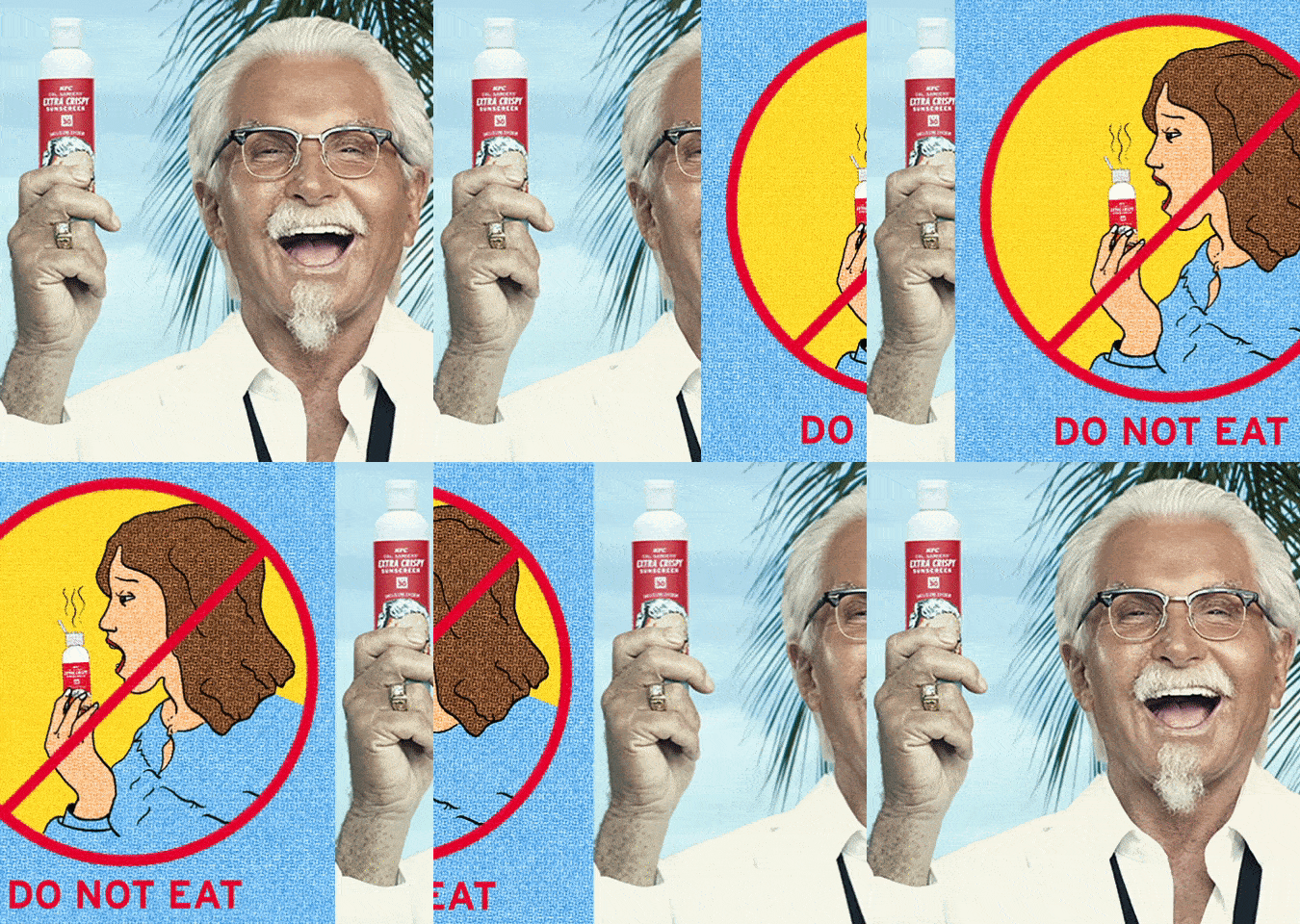
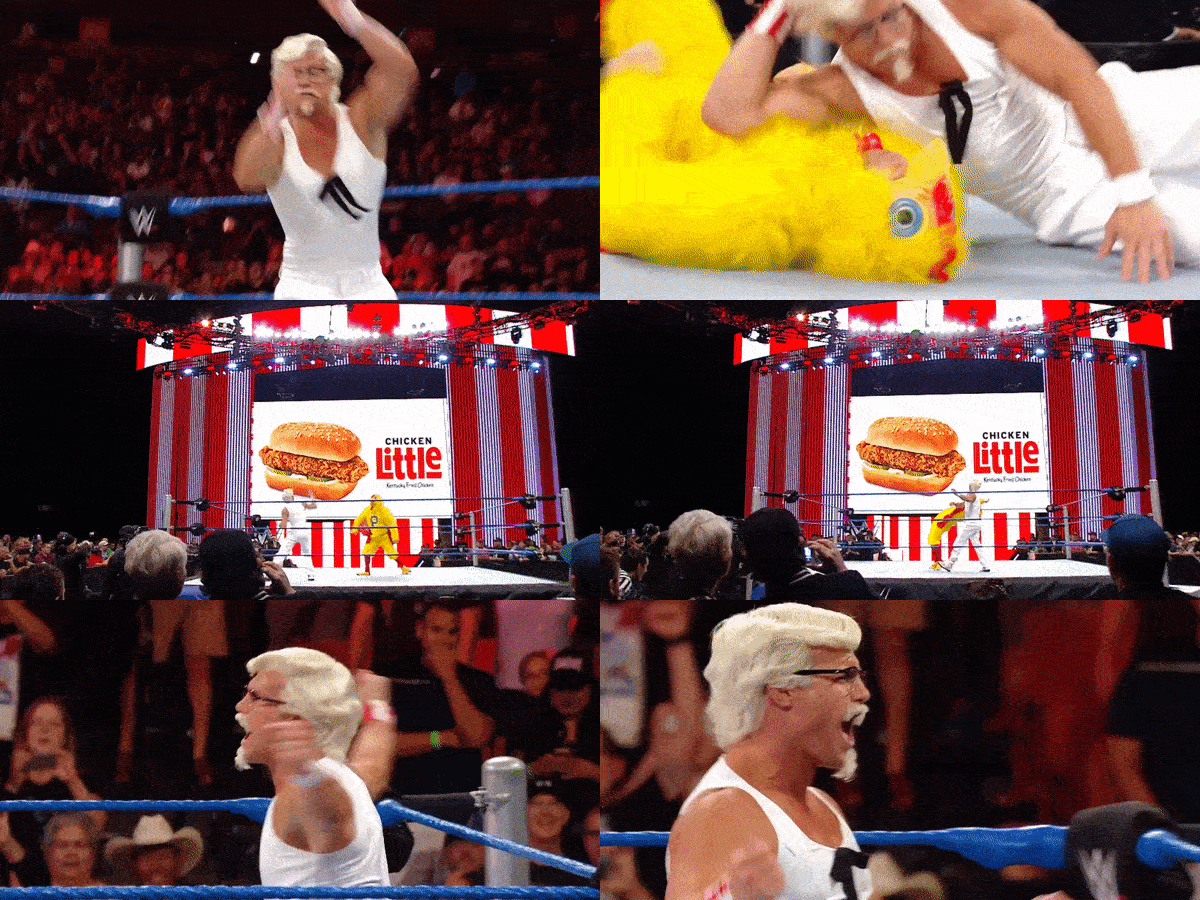
KFC kicked off of a decades-long decline after Sanders died in 1980, but now the Yum! Brands-owned company is resuscitating its image with a marketing blitz both unique and ridiculous. At the center of it all is their founder, Colonel Sanders, who’s been reincarnated through a revolving list of actors doing whacky, brand-reviving activations that embrace the brand’s heritage.
“For some time, the KFC brand had lost its way,” George Felix, KFC’S director of advertising, told AListDaily. “We embarked on a brand refresh to address the fact that KFC had lost relevance. . . . Our entire brand positioning is grounded in our founder and all of the things he did to make this brand great. The Colonel’s values come through every brand touch point from our brand voice that is a reflection of the Colonel—the ultimate chicken salesman—to the customer experience in our restaurants, to our focus on making the world’s best fried chicken the ‘hard way’—by hand in every kitchen, every day.”
Felix says that their brand revival has taken form by way of social media marketing, TV advertising, new restaurant remodels that bring the brand story and heritage to life in an updated way—and all the way to cheeky promotions like “Tender Wings of Desire”—a 92-page romance novel starring Colonel Sanders released ahead of Mother’s Day last month, the chain’s best-selling day of the year.
“It’s harder than ever to get people’s attention, which is why we believe that a steady stream of original branded content is essential to our marketing mix,” Felix says. “We know that traditional advertising vehicles like TV will still make up a large percentage of our media mix, but we also need to build KFC back into a brand that people love. We’ve learned that we need to extend our brand positioning beyond traditional advertising to really break through and make a dent in pop culture.”
Felix says the activations are creating credibility with younger consumers and changing the way people think and feel about KFC, who just completed their eleventh-consecutive quarter of same store sales growth. They’ve also seen 45 percent increase in brand consideration among millennials over the last two years.
“We need to humanize KFC for millennials. Unlike people my age who have fond memories of eating KFC as a kid, many millennials don’t have any experiences with KFC that they can draw on,” Felix says. “We need to show them what KFC is all about and meet them on their terms, which is where digital becomes so important. Our tongue-in-cheek humor and over-the-top selling is something that has been working well for us since many millennials distrust advertising to begin with. Instead of running away from that, we run right toward it. We believe that our ability to poke fun at the conventions of typical advertising has given us credibility with millennials. We know the new brand positioning and advertising has put KFC back on the map.”
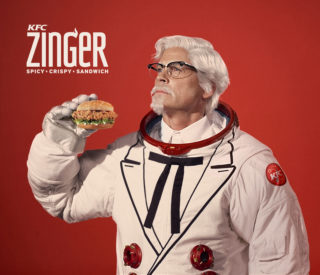
At the epicenter of every marketing touchpoint is the Colonel, and Felix indicates that the revolving cast of celebrity actors featuring the likes of Rob Lowe, Rob Riggle and Billy Zane, among others, has paid dividends for the brand.
“We knew that bringing the Colonel back into our advertising was going to be polarizing as many people remember Colonel Sanders from when he was alive and the face of the brand,” Felix says. “We also knew that one person could never replace the Colonel. We realized that having different actors portray the Colonel could be a good way to have the different aspects of the Colonel’s personality come through in each performance. We’ve really enjoyed seeing how each actor has put his own spin on the role and it has created excitement and intrigue for KFC to see who will wear the white suit next.”
Felix says the main learning from their change in brand positioning is that they needed to have a point of view. They use a variety of social listening tools to keep a pulse on the conversation related to their brand, and consumer research to help guide their strategy and evaluate how the advertising is performing.
“There are certainly people who don’t like our new advertising, but I also know that they are seeing it and noticing it,” Felix says. “Overall, we’re able to take some different types of risks on these platforms with our content, but it all still ladders up to the overall brand positioning and is another way to bring the Colonel’s voice to life for our fans.”
Rob Lowe as the newest celebrity Colonel.
Social media is an important part of their overall marketing strategy, too, and they’re always looking for new ways to engage with fans on the platforms they’re most passionate about. Ahead of the Super Bowl this year, they debuted the interactive video game “Kentucky Fried Football Challenge” on Instagram for their very own football team called the Kentucky Buckets.
“This was a great way to extend our presence in football to Instagram,” Felix says. “It was a relatively untapped use of Instagram’s native features to create a game experience like that, and based on the amount of engagement, we think the Instagram community had a lot of fun with it. Gaming in general is so popular and with the time spent on social media continuing to increase, gamification on these platforms is only going to continue to grow. As we try to find ways to break through the clutter, we will continue to look at ways that gamification can help us bring new people in to KFC.”
For now, Felix and company will continue to take KFC down a path of revival with balanced content that is meant to entertain, and one that builds on the larger TV campaigns. The end goal is simple: drive foot traffic in to their restaurants.
“No brand can be everything to everybody, so once we found our north star, everything fell into place,” says Felix. “This brand stands for real, homemade, southern cuisine brought to you by a feisty, pragmatic chicken salesman.”
 This is something that we’re constantly playing around with, and it gets back to us communicating with our community to build things that are valuable and things that people are excited to buy. [Monetization] is a tricky thing when it comes to free-to-play development, and I understand the psychology behind [purchases], which has a very slot machine-like mentality. I know why a lot of game studios pursue more exploitive free-to-play mechanics. But we decided not to do that with Creativerse. Our desire is to create a free-to-play game where the things that you purchase feel genuinely valuable, and we’re not taking anything away from the free core part of the game.