Six Flags Ends VR-Filled Year With ‘Countdown To Christmas’ Marketing Campaign

‘Tis the season for Santa, and some virtual reality, for Six Flags.

The world’s largest regional theme park company is capping off the year with a national marketing partnership with Hallmark Channel billed as “Countdown to Christmas” to spread some extra cheer during the holidays. And for those interested in screams instead, the two brands are bringing a wild VR experience with “Santa’s Wild Sleigh Ride.”

Hallmark Channel is leveraging its holiday programming with original promotional content, custom signage and behind-the-scenes video playing throughout Six Flags’ eight domestic theme parks, and on Six Flags’ online channels. In return, the TV network is promoting “Holiday in the Park” online and integrating on-air with the daily lifestyle show Home & Family.

Six Flags is also continuing its push toward immersive, heart-pumping experiences with yet another VR ride where guests can launch snowballs at flying targets as they follow a mischievous elf trying to spoil Santa’s mission to deliver toys on Christmas Eve.

In March, Six Flags and Samsung pushed the boundaries for consumers and partnered to launch the first VR roller coasters in North America locations across the United States. The broad marketing partnership has been a hit with guests who like to take their thrills to entirely new levels with VR rides like “Shock Wave,” “Goliath,” “The New Revolution,” and “Superman.” 

[a]listdaily was joined by James Geiser, corporate vice president of marketing and sales for Six Flags, and Stephanie Borges, vice president of North America strategic marketing and partnerships for Six Flags, to discuss the theme parks holiday marketing strategy.


“Holiday in the Park” will be open daily beginning December 17 and running until January 1, 2017. It was operating only weekends until last Sunday.

gallery_hip6

Why was it imperative for Six Flags to partner with Hallmark Channel for “Countdown to Christmas” through a content partnership?

Stephanie: When it comes to working with partners, we are always looking for an endemic fit. We have an incredible holiday platform and with the Hallmark Channel being the marquee network for holiday programming, it aligned perfectly.

What are you trying to accomplish with this national marketing deal?

Stephanie: We are always exploring new opportunities to entertain our guests in unique and relevant ways and providing experiences they cannot get elsewhere. Through this strategic partnership, we are able to bring the joy of the holiday season to guests through the Hallmark Channel platform. In addition to Hallmark Channel being featured through our holiday-themed virtual reality coaster at Six Flags Magic Mountain, Hallmark Channel’s ‘Countdown to Christmas’ content is also showcased in-parks on Six Flags TV. Finally, the partnership includes promotion of Six Flags’ tentpole event, ‘Holiday in the Park,’ via Hallmark Channel’s on-air and online media elements that take place across eight Six Flags parks across the country this season.

How have your original branded content activations been received in the past?

Stephanie: Original branded content has been very well received by our guests. There’s a natural synergy between our brand and the entertainment properties as our target audiences are very well aligned. The environment lends itself well to engaging guests who are looking to be entertained, and the content resonates with fans.

What is the social and digital marketing strategy for “Holiday in the Park” that you plan on executing this year? Do you plan on testing any new platforms?

James: Our strategy for social and digital marketing during ‘Holiday in the Park’ is to be where our guests are—to engage with them within the platforms they are using, and to convey to them what a wonderful family experience it is to visit us during the holiday season. We look to our advertising agency to help us identify the best places for us to be in order to connect with our audience, and yes—we are constantly exploring and testing new platforms because we need to be where guests are, when they are searching for and sharing their experiences.

What are you doing to have guests wanting to walk into your park, rather than the competitor, during the holiday season? Is Christmas just as great a season as Halloween?

James: Six Flags prides itself on providing our guests with new and innovative offerings year-round. During our signature seasonal events—‘Fright Fest’ and ‘Holiday in the Park’—our parks are transformed to provide a fully immersive experience. During ‘Fright Fest,’ hundreds of scare-actors roam our midways and we feature intricately themed haunted attractions, along with our signature collection of record-breaking roller coasters, rides and attractions. For our ‘Holiday in the Park’ event, our parks become winter wonderlands filled with millions of dazzling lights, holiday-themed entertainment, seasonal culinary offerings and of course, our great rides and attractions. Both of these signature events are extremely popular with our guests.

How does Six Flags welcome experiential marketing in its parks?

Stephanie: Our parks are the perfect venue for a wide variety of experiential marketing programs throughout the season, including mobile tours, character appearances, as well as digital and social media activations. These promotions provide new activities and entertainment for our guests and pass holders, while brands receive one-on-one interactions and undivided attention from their target consumer.

“Santa’s Wild Sleigh Ride” is the park’s latest virtual reality addition. How have your VR coasters been received by consumers in 2016? Is there a growing appetite for such gaming-like experiences?

Stephanie: There is definitely a big market for virtual reality and immersive entertainment. Six Flags was the first in North America to introduce this 360-degree degree ‘virtual world to real world’ experience on a roller coaster and it has been a game-changer. Guests’ response has been extremely favorable.

Are you working with Samsung and other partners for more VR experiences in your parks for 2017? 

Stephanie: We are excited about offering our guests more virtual reality experiences in the future.

Follow Manouk Akopyan on Twitter @Manouk_Akopyan
Seeing Double: A Look Inside Gunnar Optiks’ Partnership Strategy

Founded in 2006, Gunnar Optiks manufactures computer and gaming glasses that protect against digital eye strain. They’re helpful to anyone who stares at digital screens all day, but Gunnar has made a particularly strong impression on the video game community. Over the past decade, the company’s partnerships have included such industry giants as Major League Gaming (MLG) and Blizzard Entertainment, spreading a message of eye health and fashion across the world. Chad Wingerd, community and communication manager for Gunnar Optiks joined [a]listdaily to explain how these team-ups came about, how Tony Stark started wearing Gunnars and where those trademark amber lenses might turn up next.

“Each [partnership] so far has been pretty unique,” Wingerd explained. “MLG was gaining huge momentum in those days, so it seemed appropriate to partner with the biggest name in eSports as the biggest brand in computer and gaming eyewear.” Gunnar Optiks and MLG became official partners in the fall of 2009 and since then have offered MLG-branded frames while using the eSports platform to bring awareness to the public about eye strain.

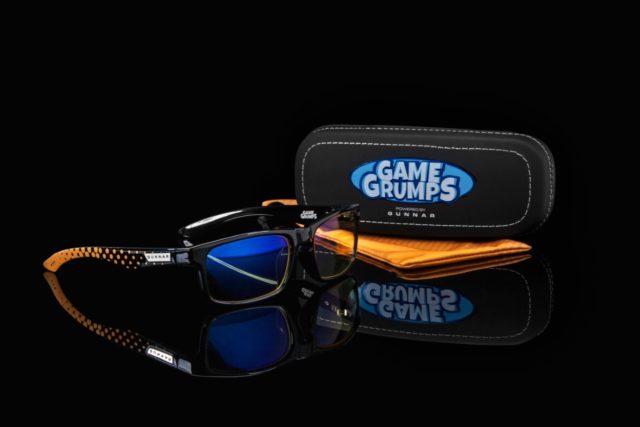
thumbnail_enigma_game_grumps_case_black
The Game Grumps limited edition Enigma frames sold out in under six hours. (Source: Gunnar Optiks)

Two months ago, Gunnar announced a partnership with Game Grumps, a comedy duo that streams video games online. The relationship began when Gunnar found out that co-host Arin Hanson was already a loyal user.

“He randomly tweeted about us one day, which received a lot of positive attention, so we reached out to him to see what possibilities were available,” Wingerd related. “After having Arin visit our headquarters and a lot of emails later, the Game Grumps Enigma were born. The launch was absolutely phenomenal and we couldn’t have asked for a bigger success. Only 300 were made and the rush was so great, our website couldn’t keep up with the demand. In the end, we sold out in five and a half hours and I suspect, had we not experienced the latency issues, we would have sold out in three or four. This, in turn, gave us an opportunity to reevaluate our site in terms of optimization, which we’ve since cranked up quite a bit. The next time that many people come to our site, we’ll be ready!”

“Blizzard, meanwhile, was something our company wanted, so we reached out to them before Heroes of the Storm had even launched,” he continued. “We worked with them to design the Siege and Strike models which, to this day, are two of the most modern styles we’ve ever done.” Although Gunnar’s partnership extends only to Heroes of the Storm, Activision Blizzard’s Overwatch League means more gamers will need to protect their eyes during long practice sessions.

Above: Heroes of the Storm Srike model. (Source: Gunnar Optiks)

“Gamers were the ones who helped Gunnar really get off the ground in its early days, so we remain extremely loyal and supportive,” said Wingerd. “With the Overwatch League, though, something really unique is happening in that anyone can feasibly become an Overwatch pro. The League’s design is brilliant because it is inclusive, and anyone willing to put in the time and effort can potentially make it. As a company, we applaud Blizzard for thinking outside the box and we will remain right here, ready to provide players with the protective eyewear they need.”

Gunnar is no stranger to professional eSports partnerships, however. “We are very fortunate to already have strong ties to the gaming industry, which is where the lion’s share of our fans and followers hail from,” he noted. “This is why we’re always being mindful of their tastes and with what’s popular to them in order to generate greater awareness. The way we see it, you can never have others know too much about your brand. Through our relationships with professionals like Jordan “n0thing” Gilbert and Gonzalo “ZeRo” Barrios, as well as popular streamers and other personalities, we’re hoping to keep this momentum going.”

Although gaming is Gunnar Optiks’ bread and butter, Wingerd says the company is also actively reaching out to the non-gaming world.

“Gamers are readily accessible,” he explained, “typically congregating in public or virtual spaces, so we’re right there with them as much as we can. Non-gamers, though, aren’t as prone to regularly gather with others who share their passions and interests, so we have to come up with savvy ways of reaching them. As a small company, this can be challenging, but we love being creative! That’s why we designed a [special web page] and had two commercials produced. Our hope is that through humor peppered with facts, we can get our message out there in an educational and memorable way.”

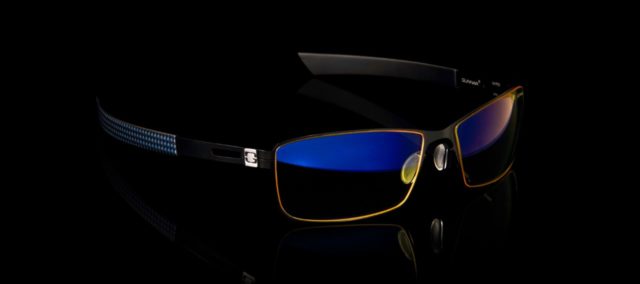
The company succeeded in gaining the attention of Tony Stark, aka Iron Man (played by Robert Downey Jr.), so that’s a great start. Gunnar Optiks has been getting the superhero treatment from Marvel, making appearances in two recent films. Stark wore Vayper frames in The Avengers: Age of Ultron, and Kurt (the Russian hacker) wore Vinyl frames in Ant-Man.

“Not long ago, we started working with a friend in the entertainment industry who helps place products in film and television,” said Wingerd. “That person, in turn, provided someone from Marvel Entertainment’s film division with a pair of Gunnars and he loved them so much, he’s been extremely loyal in having our eyewear featured in Marvel films when and where appropriate.”

thumbnail_vayper1_black
Above: The Vayper model, as seen in Avengers: The Age of Ultron (Source: Gunnar Optiks)

Gunnar also utilizes influencers called Visionaries to help spread brand awareness across multiple channels.

“When we have major initiatives in development, I’ll reach out to them to keep them informed and seek their assistance in supporting our plans. In turn, we show our appreciation to them by sending new frames, extra pairs to have for their audience-building and charitable efforts, and by providing social media support in order to do our part in helping them grow their channels. I am absolutely honored and pleased with our Visionaries for being so loyal to us.”

So, what’s next for the amber-lens-wearing defenders of eyeballs?

“I can at least say we have a few ideas swirling around inside our heads for the future,” Wingerd concluded. “Nothing set in stone, but we’re always looking for creative ways to help our brand grow. What is really exciting is what’s to come. I know, that’s a horrible teaser to leave people hanging on, but keep an eye on Gunnar in 2017 because we have some really cool things coming down the pipe.”


Learn everything you need to know to invest in today’s fastest-growing media channel—Competitive Gaming and eSports on 2.16.17 in Los Angeles. Go to alistsummit.com for more info.

Wevr Explains New Subscription VR Strategy

Virtual reality startup Wevr is working some big names across multiple industries to bring fresh content to virtual reality. In addition to developing Jon Favreau’s Gnomes and Goblins, the studio has just launched its first project with Deepak Chopra called Finding Your True Self. Wevr has also curated Tyler Hurd’s Tribeca Film Festival VR hit, Old Friend, for VR. The company has launched a new premium subscription tier within its transport service. For a $20 annual subscription, fans will get access to Chopra’s new VR offerings, Hurd’s work, Reggie Watt’s Waves and theBlu: Season 1.

Anthony Batt, co-founder and executive vice president of audience and marketing at Wevr, told [a]listdaily that additional content will be added to the service. For the short term, the annual subscription model will be the focus, but Batt hopes to move to a monthly model in the future once there are more steady content for subscribers. “I’d like to see it go monthly because the more money we bring in, the more money we can distribute to creators,” Batt said. “We’ll have enough content for a yearly subscription, and $20 is a pretty low ask.”

With the new premium tier, Wevr is embracing the VR creative community and helping establish a sustainable business model in these early days of content creation and experimentation for a small but growing consumer audience. “We’ve been putting headsets on thousands of people for the last three years and all of them love the content we’re making and want to have access to it,” Batt said. “Transport is a way to reliably deliver the content we’re making and our partners are creating. It’s a symbiotic relationship with the early adopters of VR technology.”

Transport is currently running on HTC Vive and Samsung Gear VR and is in beta on Oculus Rift and Google Daydream. Batt said all platforms, including Sony’s PlayStation VR, will be rolled out by early 2017.

“Our business is linked to the purchase patterns of consumers on the hardware side, we’ll grow with the industry and we’ll support content creators,” Batt said. “From a high level, we think—pulling back from VR specifically—that subscription services are a good thing for everybody. They add some predictability to one’s business model. Like what we’ve seen with HBO or Netflix, when they get into a good grove with their audience they can provide the content they love.”

Batt said creatives continue to make great VR content and there’s a need for establishing a relationship between Wevr and the emerging audience. “That’s the way media is going to work in the future and VR won’t be any different,” Batt said.

Batt said Transport is focused on immersive and experience-based VR, not gaming. The company is looking for content that connects with the Transport brand.

“Wevr’s brand is high quality native VR,” Batt said. “Transport’s brand is about indie creators making high quality native VR. Our initial lineup of content goes from Tyler Hurd, to Reggie Watts, to Deepak Chopra and theBlu. These are all highly immersive, story-based, made-for-VR experiences. We’re not looking to make a space shooter game. That wouldn’t be on brand for us.”

Batt also wants to help VR makers who aren’t making games. Gaming has been a focal point for major platforms with Oculus, Sony, Samsung, Google and HTC all investing in game development. The non-gaming sector has received a lot of funding from investors, but it’s an area that Batt believes still needs help finding an audience.

“We think our partners have made some of the best VR in the market,” Batt said. “When a person walks away thinking that was great, it’s good for the entire VR industry.”

Wevr will continue to host stand-alone events across the country, inviting consumers to put on a headset and check out its content. “We’re physically putting together events so people can try VR without buying the headsets,” Batt said. “Even if it’s just thousands of people we’re reaching, that’s important. These events allow us focus on and develop a relationship with people who don’t have VR headsets but want to try VR.”

Batt said the heavy marketing Samsung is currently running, including television commercials with people experiencing Gear VR, is also good for the entire ecosystem. “Samsung’s amazing marketing is good for the entire industry,” said Batt. “It’s not even clear what people are doing, but it generates questions like: ‘what is that headset on their face?’ VR is the future and people are addicted to tech and the future. So this gets ads like that get the conversation going.”

Hyundai’s Mobility Vision Is Driving Forward With The Ioniq Unlimited Platform


Hyundai made one of the more significant splashes of the Los Angeles Auto Show last month when the Korean car manufacturer introduced a subscription-based ownership model essentially made for millennials.

Billed as Ioniq Unlimited, the innovative, stress-free ownership concept is designed to market Hyundai’s Ioniq line of zero-emission, eco-focused vehicles by offering a negotiation-free, single-payment method.

How does the internet-based buying experience work, exactly? Ioniq shoppers will be able to select one fixed payment that includes unlimited mileage, electric charging costs, scheduled maintenance, wear items and all typical purchase fees such as registration and down payments. They then receive a quote to take to the dealer to complete the transaction. The pilot program will launch in California early next year. The price points consumers can expect to pay have not yet been announced.

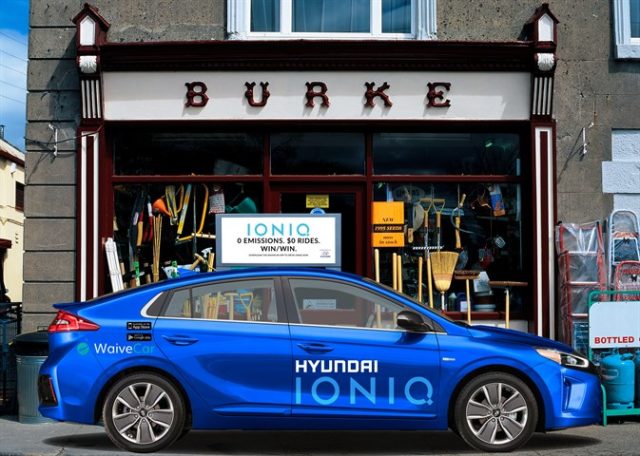
The transaction-simple project will be paired with a marketing partnership with WaiveCar to give consumers a chance to drive Ioniq cars on-demand for two hours at no charge. The only catch is that the cars are wrapped in ads and include a roof-mounted digital display that generates ad revenue to offset costs.

Hyundai expects millennials to be their primary buyers in 2017, and their new strategy with Ioniq Unlimited and alternative-propulsion vehicles completely aligns the company with their expectations. According to an April report from Bankrate, among all age groups that were surveyed, millennials are most likely to purchase a vehicle in the next 12 months. The most populous generation in the US is radically changing the go-to market approach for car companies.

Dean Evans, chief marketing officer for Hyundai Motor America, joined [a]listdaily to thoroughly detail the new direction of which Hyundai is driving its brand.

At the LA Auto Show, Hyundai’s message about no longer being just about cars was rather clear. How are you democratizing new technology while staying at the intersection between health and mobility? 

The emergence of telematics and connected cars have converged the automotive and technology industries. Today, it’s to the point that automobiles, connectivity and technology are intrinsically linked and interchangeable moving parts at motor shows and consumer electronics events everywhere. With that shift, our mission has now moved well beyond providing products to transport people from Point A to Point B. We no longer just build vehicles, we’re in the business of providing consumer mobility. And we’re committed to doing that ‘Better’ on behalf of our customers.

‘Mobility’ can mean many things, depending on who you ask. For Hyundai, mobility isn’t just about cars and trucks. It’s about how we move, communicate and interact with the world around us. In Hyundai’s vision of the future, mobility is environmentally friendly, it’s infinitely connected, it’s easy to access, and it’s safe. The initiatives we’ve been advancing on our own for some time are absolutely helping to make that vision a reality.

Our Blue Link telematics system, our integration of smartwatch controls and Amazon Alexa, and rapid adoption of Android Auto and Apple Car Play interfaces have put us at the forefront of providing products that can not only exceed the automotive needs for owners, but actually improve their daily lives. The newest tangible element of Hyundai’s mobility vision is our electrified Ioniq lineup. Ioniq is much larger and broader in scale than just a fully dedicated platform offering three distinct propulsion systems. It really serves as a linchpin for all our future mobility initiatives. We call it ‘Project Ioniq’ because it’s more than just a great new product—it’s a way to concentrate thought leadership and incubate these great ideas and bring them to life.

The Ioniq Unlimited sounds like it is Hyundai’s way to get millennials to subscribe to cars. What are the strategy and initiatives for the novel-alternative model work? And how are you trying to challenge convention?

We are challenging convention by listening to our customers and offering new ways for our customers, including millennials, to engage with and experience our brand. We’re excited to offer Ioniq Unlimited as an innovative, worry-free means of clean, zero-emission vehicle ownership with our new Ioniq Electric vehicle. This new ownership experience adds to the satisfaction of driving a no-compromise, clean vehicle with unlimited mileage and zero hidden costs. It was time to make clean vehicle ownership easy for everyone.

1627041
Hyundai CMO Dean Evans

How do you see subscription model services further developing in the future? Do you think there is a sustainable appetite in the space among consumers?

The subscription model will be simplified and better meet the needs of our customers. Our brand is focused on ‘Better’—meaning we focus on improving the lives of customers through better thinking and better products. Hyundai is adding value to that experience, by creating a better ownership model with the Ioniq Unlimited plan. The Ioniq Unlimited plan gives customers a different path to emission-free mobility while eliminating the confusion of purchasing or leasing a vehicle.

Traditional add-ons like registration, doc fees and other miscellaneous expenses are included, so the price you see is the price you pay. What differentiates the Ioniq Unlimited ownership experience from a traditional purchase or lease is that it covers all vehicle ownership and operating costs. In one simple monthly payment, subscribers get a ‘no compromise’ EV with America’s best warranty, and lifetime battery warranty. To make purchasing an Ioniq Unlimited subscription even easier, we’re also offering a unique online buying experience. Customers can select a vehicle from their preferred dealer’s inventory, choose the term, and then simply go to the dealership to complete the purchase. At the dealership, there’s no haggling or hassle. It’s a completely transparent, stress-free and an entirely ‘Better’ purchase experience.

What is the toughest task when it comes to marketing electric, hybrid and plug-in vehicles? What’s the message you want to convey to millennial consumers?

Currently, there are a large group of consumers that consider purchasing an electric, hybrid or plug-in vehicle, but ultimately choose a traditional gas engine car. Our biggest challenge is convincing these ‘fence sitters’ that alternative-powered vehicles are right for them. We’ve found that one of the main reasons they don’t select an electric, hybrid or plug-in is because of customer anxiety over the unknown when it comes to the technology and ownership experience. Customers are limited many times by either lack of understanding in terms of the lease, cost of charging, cost of ownership, maintenance and miles limitations of these newer technologies. We’ve listened to the customer and are addressing these challenges with the Ioniq Unlimited program. We simplify all the challenges, we answer their questions for ease and joy of ownership. We want to show our customers that we listened to their concerns and this is our solution. 

How are you going to get the word out about subscription model? Is influencer marketing a strategy you see working here? Has Hyundai had success with influencers in the past?

It’s too soon to discuss the specifics of our marketing plan, but we are looking at various ways of communicating this exciting new ownership model to customers. Influencers have been and will continue to be an important part of the way we market our cars today. They have a great ability to reach audiences and tell stories in a way that is authentic to their fans.

Why is it critical to reach consumers interested in Ioniq in experiential ways with partnerships likeHow will you measure the success of this specific activation?

Our partnership with WaiveCar gives consumers the ability to drive Ioniq EVs on-demand for two hours at no charge. This is a stress-free, commitment-free way for potential customers to give Ioniq a try. We feel these types of opportunities for potential customers open up additional paths for customers to feel comfortable and informed before making a purchase decision.  

What kind of presence will you have at CES? What can we expect?

At CES in January, we’re demoing a fully autonomous Ioniq concept on the neon-and-sunlit boulevards of Las Vegas and will also be demonstrating Hyundai Exoskeletons. You will be able to see our robotic exoskeletons that enable paraplegics to walk again, empower the military to run up to 12 kilometers per hour with assistive joint torques, and give factory workers the ability to lift up to eight times what they normally can with ease. At our press conference, we will show mobility and eco-friendly transportation—developed both independently and collaboratively with industry-leading partners demonstrating future technologies in connectivity, autonomous driving, health care and personal. The exoskeletons will be featured along with 12 additional tech items spanning the connected home, healthcare and autonomous vehicles at the Hyundai booth.

Follow Manouk Akopyan on Twitter @Manouk_Akopyan
Understanding The Extent Of The ‘Pokémon’ Effect

This has been a phenomenal year for the Pokémon franchise, given the tremendous success of Pokémon Go, which is expected to have players running out to catch them all once again today, as Niantic reveals a new set of Pokémon creatures that will be added to the roster. This is in addition to how Sprint became the first US partner for Pokémon Go, turning more than 10,500 nationwide Boost Mobile and Sprint at RadioShack locations into PokéStops and Gyms. So, players already have a destination to discover the new Pokémon to add to their collections.

The 20th anniversary of Pokémon is certainly one well worth celebrating, especially since Pokémon Go has led to the success of Pokémon Sun and Moon on the Nintendo 3DS handheld gaming console, which has been losing ground to mobile devices for years. The Pokémon Company International reported that launch day sales exceeded 10 million units, a 150 percent increase from the last Pokémon games (Omega Ruby and Alpha Sapphire in 2014), making them the best selling titles in Nintendo 3DS history. Not only is the franchise turning things around for the 3DS, but it could also mean success for other augmented reality games and devices.

But how impactful is the long-term success of the franchise? To understand what Pokémon’s success means to some of Nintendo’s other products, [a]listdaily spoke with SuperData Research CEO, Joost van Dreunen.

Super Mario Run releases for Apple devices this week, but with a controversially high price tag of $9.99. We asked van Dreunen if the success of the Pokémon games on 3DS could influence the plumber’s success on mobile, and he replied: “The success of Pokémon Sun/Moon will have a positive albeit moderate impact on the expected sales of Super Mario Run, because it keeps Nintendo and all of its major IP top-of-mind.”

Although Super Mario Run is expected to be a standalone success on mobile, Nintendo clearly hopes that the attention gained on mobile devices will lead to console sales, where players will have “deeper” game experiences. Specifically, Super Mario Run and Pokémon Go should keep Nintendo in people’s minds when the Nintendo Switch releases in the spring. However, van Dreunen explained that the recent success of Sun and Moon did not put the 3DS handheld back on the map compared to mobile devices. “With the announcement of the Switch for early 2017, many prospective customers will probably hold onto their money until then, and more likely extend the lifecycle of the current audience,” he said.

On the other hand, 3DS users have a strong likelihood of becoming early Switch adopters. “The Switch is an effort by Nintendo to merge its home console and handheld into a single device,” said van Dreunen. “Early indicators suggest that there exists a strong overlap between the current consumer base that owns a 3DS and the prospective Switch audience.”

The larger question is whether or not this year’s success of the Pokémon franchise can be repeated, since the 20th anniversary celebration and the launch of Pokémon Go are both unique events. Van Dreunen expressed optimism for the brand’s continued growth.

Pokémon will continue to be a strong brand for years to come,” he said. “It is currently valued at around $2.1 billion in terms of its ability to generate revenues across all of the games and licensed properties. Given the recent successes and the upcoming lineup, that is not likely to change any time soon.”

So, what’s the secret to the ongoing success of Pokémon after 20 years? “Its ability to cross-promote itself across different media types (TV shows, film, games and card games) in combination with its extensive history has allowed the franchise to develop an incredibly strong emotional relationship with many consumers,” said van Dreunen. “Moreover, as people look for quality content on mobile devices, it is uniquely positioned to benefit from a generation that grew up on the franchise and now are adults with the spending ability to match.”

Nitro Circus Expands Digital Team; Tinder CEO Steps Down (Again)

From beverages to matchmaking, here are some of the top personnel moves over the last week.

Nitro Circus, an action sports entertainment company, expanded its digital presence with a number of hires. Nitro named Lauren Reilly as VP if digital product marketing; Nick Crooks as VP of digital business development and distribution; Remi Guyton as VP of Digital Content and Programming and Charley Daniels as director of content marketing. The team is tasked with accelerating the company’s delivery of original content while driving the growth of its touring, sponsorship and licensing business.


Coca-Cola’s CEO, Muhtar Kent announced that he will be stepping down after nearly a decade at the helm. The soft drink giant’s current president and COO, James Quincey, will succeed him as CEO on May 1, 2017.


Drink giant, Diageo, has promoted David Gates from the global head of Captain Morgan, whisky, rum and tequila businesses to helm the company’s Futures team. However, Gates will still oversee those businesses at an international level.


Drink importer, Royal Cup Coffee & Tea (Royal Cup), announced that Anne Pritz has joined the company as its new CMO. Pritz was formerly the CMO of Sbarro.


Sean Rad is stepping down as CEO of Tinder to become chairman of both it and a newly launched branch of the company called Swipe Ventures. Greg Blatt, CEO and chairman of Match (Tinder’s parent company), is stepping in to fill the role of Tinder CEO.


Foursquare has hired Gayle Fuguitt, former president and CEO of the Advertising Research Foundation, as its chief of customer insights and innovation.


Twitter has acquired Yes Inc., developer of social apps such as Frenzy and WYD. As part of the acquisition, Yes CEO Keith Coleman will become Twitter’s new VP of product.


Pinterest appointed Brian Monahanas its new head of vertical strategy. According to a company statement, Monahanas will be responsible for developing and managing marketing programs to increase awareness, enhance adoption and drive revenue for Pinterest in verticals like CPG, retail, entertainment, auto, tech, telco, financial services, travel and quick-serve restaurants.


The Google-backed AR startup, Magic Leap, hired former Nat Geo Channel CMO, Brenda Freeman. She replaces Brian Wallace, who left as the company’s CMO to join a stealth startup founded by Andy Rubin—the co-creator of Android former SVP of mobile at Google.


Startup marketing tech company, Appboy, has named Bill Magnuson as its CEO, effective January 1. The company’s founding CEO Mark Ghermezian will move to the role of executive chairman.


Frank Cooper announced that he is leaving as BuzzFeed’s chief marketing officer at the end of the year to serve in the same capacity at the asset management firm, BlackRock. Additionally, Laura Henderson is joining BuzzFeed as its SVP of marketing on January 3.


H1Z1 developer, Daybreak, confirmed that Russel Shanks recently stepped down as president of the company “to pursue other interests.” Jim Ham will take over his duties as acting president.


Paradox Interactive will bring Kim Nordström aboard in 2017 to head the company’s innovation and mobile efforts.


Online game publisher, Innogames announced that Funda Yakin has been hired as its new director of media and market development. In this role, Yakin will head the company’s TV marketing strategy and will focus on expanding its direct media partnerships.


Running apparel company Boa Inc. announced that it hired Jeff Fleming to the position of global sales and marketing manager. He is tasked with bringing greater distribution and overall brand presence to the running market.


Brand management company, Iconix Brand Group (ICON) announced that Jamie Cygielman will be joining the company as its executive vice president and chief marketing officer on January 3.


Global Sources, a leading business-to-business media company with a focus on facilitating trade between Asia and the world, has appointed Craig Pepples as its CEO.


General Mills CMO Ann Simonds said that she will be leaving the company at the end of the year. This move is part of a restructuring strategy at the company.


Verizon brought on Erin McPherson, a former exec at Disney’s Maker Studios and Yahoo, as the company’s new head of content strategy, acquisition and programming.


Tom Malleschitz has left the CMO role at Three, a UK telecommunications service, to take up a chief digital officer position.


Have a new hire tip? Let us know at editorial@alistdaily.com.


Food Network’s Digital Empire Keeps On Cooking

Brands have been upping the ante on bots and adding a new layer of consumer engagement to their strategy at a fever pace ever since Facebook enabled the conversational-tech friendly feature in April.

Food Network became the latest forward-thinking organization to join the frenzy and the over 30,000 pool of brands trying to engage with the friendly AI tech on Messenger’s billion-strong user base.

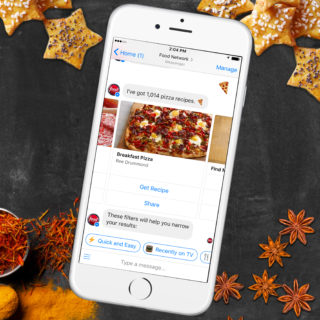
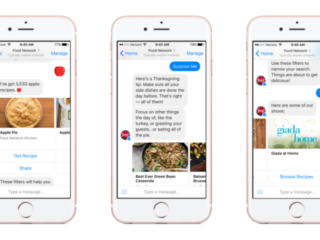
The lifestyle TV network, website and magazine is leveraging its foothold as the go-to source for foodies in search of some culinary inspiration by instantly offering recipes through chat. The concept is straightforward: simply strike a conversation with Food Network through Facebook Messenger and search by any ingredient, chef, emoji and more for over 60,000 recipes. The service is free, and no download is required.

The fairly nascent concept of bots is an interesting one that can revolutionize the consumer experience. But it hasn’t happened in a meaningful way—yet.

With a buffet of recipes and menu suggestions, Food Network is hoping to change that with an artificial intelligence strategy that’s about connecting and interacting with consumers in a way that provides value in their lives. In September, the brand became the first culinary network to launch a skill on Alexa-enabled devices that allows access to show information and scheduling, as well as recipes seen on air.

Forty percent of US mobile users are on Facebook Messenger, so there definitely is an audience for brands to engage with millennials and Gen Z consumers who are increasingly shifting smartphone communication from voice to text and images.

Liesel Kipp, vice president of product management for Scripps Networks Interactive, the parent company of Food Network, joined [a]listdaily to detail how they’re engaging with kitchen conquistadors over the holidays, and beyond.

fnchatbot_pressrelease_3024x3024

How did Food Network identify that there was an appetite for chat bots among consumers? What are you trying to accomplish in this space?

Food Network is the leading provider of trusted recipes for our fans on our sites, and in social. We’re always looking for new and innovative ways to be there for our audience and reach new audiences. Consumers are looking for fast and easy ways to find recipes, and chat bots are just that—fast, and very easy to use. Bots are another great way for us to deliver on the promise of Food Network being our user’s best friend in food.

Why is forgoing the download of a branded app a good strategy for companies to offer consumers?

Food Network’s ‘In the Kitchen’ app is an important part of our digital offering and among Apple’s Hall of Fame. Our commitment to that experience is strong. Our app provides consumers the opportunity to go deeper into their planning and cooking with features like Recipe Box, our wide selection of how-to video content and the ability to quickly see the recipes that are on air at that moment. However, we often let our users decide where they want to engage with us, and when. By providing a chat bot experience, we’re giving them another option for possibly a quicker response that rides on the popularity of Facebook Messenger. For us, it’s just another opportunity to connect with our brand in multiple ways, and one experience doesn’t negate the other. 

What makes foodies a great audience to target on Facebook?

Food enthusiasm is taking over the internet and especially resonates with millennials. People can relate to each other through food, and we’re watching more millennials engage with food as part of their identity. Not only do they love food and cooking, they use food as a gateway to broaden their perspective of the world—and they love using social media to showcase this. For us, this is just about extending our brand to another platform. Food Network is uniquely positioned to provide inspiration, entertainment and utility. In October, Food Network had the second highest audience of total food video views across social platforms, with more than 715 million video views on Facebook alone. It’s definitely a trend we are loving. 

What is your favorite way in interacting with the bot? How do you find it to be most pragmatic, and useful? 

My favorite way of interacting with the bot is the ‘surprise me’ feature—these are fun recipe ideas hand-curated daily by our editorial team—we aim to make finding ideas fun, as well as easy. The bot is useful because it’s easy to use. We know our customers often search by ingredient, but they also search based on what they recently saw on TV from a favorite Food Network show or chef. Giving users control to quickly find what they want, in a platform they are already using, like Facebook Messenger, was a no-brainer for us. 

chatbot-examples2-png-rend-sni18col-landscape

Are you looking to test other social and digital platforms to reach your mobile audience?

Everything we do is optimized for mobile. The Food Network brand is everywhere, really, and our goal is to bring our brand to wherever our users are today. We are testing Facebook Live, Facebook social video and we were an early partner on Snapchat’s Discover platform. In October, we broke our own records on Facebook Live with a pumpkin carving that reached 4.6 million views. We are also reaching millions of daily Snapchat users with our Food Network experience on Snapchat Discover. Of course, we’re also working on some exciting projects that we can’t mention just yet.

Food Network also launched a “skill” on Alexa-powered devices. What’s been your main takeaway from your artificial intelligence marketing activations thus far? 

We see consumers moving to new technologies for inspiration and ideas around food, and we want to be there to serve their needs, whether they are on the go, or in their kitchen—so you will see us continue to innovate in this space, but always in ways that provide value to consumers.

How does bringing content right into kitchens of consumers through Food Network’s menu of digital offerings help raise brand equity? 

We believe that touching the Food Network brand happens in many different ways. Ultimately, we’re here to provide entertainment and trusted support for users who are food enthusiasts and love to cook. What better way to show the power of our brand than to help you fix a meal and allow programming that is suitable for the entire family? Ultimately, we want our fans to be able to experience our brand wherever they are right now—the plane, the living room, the grocery store or the kitchen.

Follow Manouk Akopyan on Twitter @Manouk_Akopyan
Twitter Takeovers And Less Is More: This Week In Game Promotions

When it comes to promoting AAA titles, these two found success with completely different strategies. Sometimes a game sells itself . . . and sometimes you just gotta torture an actor in a giant snow globe.

The Last Guardian

This very long-awaited PlayStation 4 exclusive tells the tale of a young boy and a strange, griffin-like creature named Trico. Aside from that, however, Sony has kept gameplay details tightly under wraps. Since The Last Guardian was announced nine years ago, the overwhelming hype of the game having finally come to fruition has been enough for Sony to step back and let the pre-orders roll in. In fact, pre-order sales were higher than Sony expected.

“When you’re working on a game that has such incredibly high levels of expectation, it’s impossible not to consider the pressure of meeting player expectations,” Joe Palmer, product manager for Sony told MCV“We’ve tried to avoid fueling the hype by playing on the fact that people have been waiting a long time for this. We want people to be excited because the game looks incredible, not because of its complicated development story.”

the-last-guardian-collectors-edition
Despite its $120 price tag, fans have shown a particular interest in pre-ordering The Last Guardian Collector’s Edition. (Source: Sony)

“We’ve seen a really positive response to the Collector’s Edition in particular, which despite its higher price point, proves there’s a huge appetite for the game,” he added. The Collector’s Edition features a steelbook case, Blu-ray game disc, digital soundtrack, 72-page art book, Trico statue and a sticker sheet, all packed in a wooden collector’s box.

Brand new game footage was revealed during the PlayStation Experience as well, helping raise the excitement.

Dead Rising 4

Capcom has certainly cornered the zombie apocalypse market with its Resident Evil and Dead Rising franchises, and promotion for Dead Rising 4 has been focused primarily on the triumphant return of the series’ original protagonist—Frank West. During E3, the character staged a Twitter takeover for the official Dead Rising account, commenting on the events’ happenings and of course, adding his trademark wit to the mix.

Taking full advantage of the parallels between Dead Rising and The Walking Dead, West took over Twitter once again to live tweet reactions to TWD‘s brutal season seven premiere and even parodied “Lucille,” Negan’s thirsty bat of hateful doom.

After all, Frank was clobbering (and mocking) the undead with his bat long before Negan showed up—a fact that he won’t let slide easily.

https://twitter.com/DeadRising/status/790366505556807681

Halloween may be over, but it’s never too late to “undead” yourself, thanks to a sponsored Snapchat filter.

If snuggling up with some hot cocoa and relaxing to the sound of a crackling fire and zombie moans is your thing, Capcom has you covered with a special Yule Log.

Meanwhile, back on Twitter, Frank was at it again on Friday—answering questions with the hashtag #AskFrank to ring in the weekend. Frank commented on other Dead Rising protagonists, Resident Evil cross-over fan fiction and gave viewers advice, all live on Facebook. Okay, so technically he didn’t say anything, but the recorded video shows him reading, reacting to and typing answers on his phone. Viewers were then encouraged to read Frank’s responses on the Twitter feed.

Actor Blake Anderson got in on the fun with Man vs. Holiday, livestreaming from inside a giant snow globe with zombies as he attempted to play Dead Rising 4 through 12 holiday challenges like ugly sweaters and incessant snow fall.

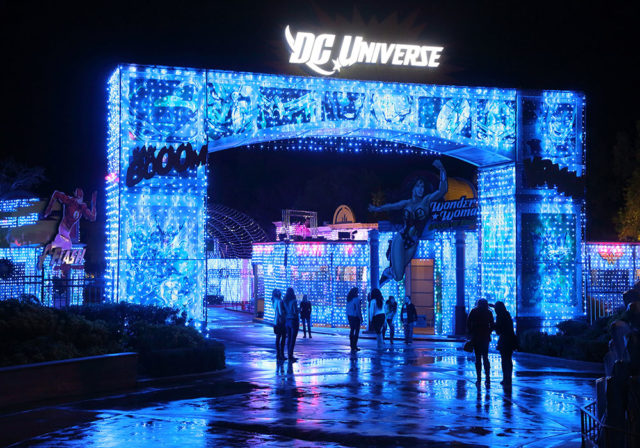
Continuing the holiday spirit, Xbox created a Dead Rising 4 trailer completely in Christmas lights and let fans turn them on live via Facebook and Periscope. The lights are hanging in the Brunswick Centre in London, which can be seen in the photos below.

Nutella’s Branded Video Series Spreads Some Joy

Branded content is increasingly being perceived more positively than display ads, and marketers are filling the funnel.

Italian food giant Ferrero, maker of the Nutella hazelnut chocolate spread, wants to promote some positivity and increase brand equity with “Spread the Happy,” a four-part documentary-short series on the brand’s YouTube channel that celebrates citizens in their communities.

“We were inspired by these stories of people spreading happiness and wanted to provide a platform for which to tell them,” Eric Berger, marketing director of Nutella USA, told [a]listdaily. “Since Nutella is all about spreading happiness, this idea is a great fit for our brand. We felt compelled to tell them to a large audience.”

The webseries—which includes one episode with pop group Echosmith and another about a special friendship formed between a three-year-old and the local garbage man—spotlights individuals who go out of their way to bring a moment of joy and inspiration to people—and with very little product placement of Nutella’s notorious hazelnut goodness.

Berger said they didn’t want the series to turn into an ad because branded content provides a better communication platform.

“Launching this campaign just felt like the right thing to do,” Berger said. “Hopefully people will enjoy this series and spread the happiness. Branded entertainment is a tool that we are using to build long-term brand equity, but we also have traditional advertising on via television and digital.”

Marketers from companies like Starbucks, Cap’n CrunchGeico and Chipotle are increasingly using branded content in favor of traditional ads to improve recall, brand perception and intent/consideration.

Brand recall is 59 percentage points higher for branded content, per a joint study from IPG MediaLab, Forbes and Syracuse University’s Newhouse School. The September report also noted that consumers are 14 percent more likely to seek out more content from the brands after a single exposure to branded content.

Berger said the first season of the series—which culminated Sunday—is being supported with paid social and digital media, and that success will be measured by the number of video views and feedback received from viewers.

“These inspirational stories will make a connection with people in a way that an advertisement may never will,” he said.

Follow Manouk Akopyan on Twitter @Manouk_Akopyan

Slow And Steady: Revising Expectations For Virtual Reality

Sony promoted new PlayStation VR (PSVR) games at PlayStation Experience over the weekend, among a number of other exciting announcements. However, that doesn’t overcome how SuperData Research singled out VR as the “biggest loser” of this year’s holiday season and downgraded its forecast for 2016. The PlayStation VR saw the most significant reduction, as SuperData now expects less than 750,000 (down from 2.6 million) of them to sell this year. While estimates for the Oculus Rift, HTC Vive and Samsung Gear VR remain unchanged at 450,000, 355,000 and 2.3 million, respectively, Google Daydream is expected to sell 261,000 units (down from 450,000).

Although the PSVR still has the strongest potential to be broadly adopted by consumers, reaching that potential is taking longer than expected. With an installed base of over 48 million and a relatively low price point compared to the Oculus Rift and HTC Vive, the PSVR seemed like it would make for the perfect conclusion to VR’s first year on the market. Stephanie Llamas, director of research and insights at SuperData, has stated that she believes that Sony was in the best position to take advantage of the holiday season and could have sold over 2 million PlayStation VRs, except “supply inconsistencies and lack of marketing have put them behind their potential.”

Not only did the PSVR have a relatively quiet launch, but there were no first-party deals, restock bundles or special deals for the device over the Black Friday weekend. Instead, Sony put marketing focus on its consoles, particularly the PlayStation 4 Pro, and consumers were aware that the Pro offered a performance increase for the PSVR over the standard PlayStation 4 and Slim models. According to Llamas, the message was clear for most gamers: “Get the Pro now, then the PSVR later.”

When asked how PSVR sales from Black Friday compared to its launch week, Llamas told [a]listdaily that “PSVR has had slow and steady sales since launch. Sales will continue to rise gradually into 2017 rather than riding a seasonal wave. We expect Sony to soon increase its effort behind rolling out bundled hardware, which so far have all sold out.”

Llamas also suggests that Sony’s moves are deliberate, and it may be sticking to a quiet release and limiting units until it has the “killer app” needed to truly demonstrate the PSVR’s capabilities. Plus, Sony can afford to take things slow, since it has no competitor in the console VR space.

“As the only provider of virtual reality in the console market, it does not have to rush to market and overpromise,” said Llamas. “It is clear now that Sony is taking a more prudent approach, choosing to market the PSVR under the PlayStation family brand as opposed to an independent piece of hardware. In the absence of competitors, it makes sense for Sony to provide enough units to prove the case for mainstream consumer VR, while gradually building up its third-party support and a larger title inventory.”

For comparison, we asked Llamas how well the PS4 Pro sold in comparison to the PSVR, considering how the console requires a 4K television to take advantage of its features. She stated that the “PS4 Pro has and will surpass PSVR sales this year. The console is a substantial upgrade from the standard PS4, and consumers without a 4K TV who plan to buy one later still benefit from purchasing the Pro now. Consumers are also aware of what using the console is like and the differences they’ll see from the standard version. This is a challenge that VR in general still has to overcome—providing experiences to new users. As opposed to the PSVR, it’s much easier for a parent to buy their child a Pro because they know what it is and why their kids want it.”

Furthermore, when asked how important Black Friday sales were to the overall health of the VR industry, Llamas said: “Not that important since first adopters have mostly already bought in. They weren’t waiting for holiday sales to opt-in, so right now those headsets are mostly reaching out to borderline enthusiasts and expanding awareness to the general consumer base. Adoption will grow linearly and is not likely to ride a significant seasonal wave this year.”

That’s good news for the industry, but it still leaves it with many of the same problems it started with. Llamas has also observed how Oculus took a risk this year by releasing the headset by itself first and the Touch controllers months later, potentially splitting its user base. As a result, developers had to choose between creating content for Touch and non-Touch users. The HTC Vive, which comes bundled with motion controllers, has outsold Oculus despite having a significantly higher price point. “The HTC Vive has consistently outsold the Oculus Rift due to both their controllers and room-scale capabilities,” said Llamas. “They are estimated to ship 420,000 shipments by the end of the year, versus Oculus at 355,000.”

That gap may continue, since Oculus no longer has a price advantage when Touch controllers are factored in. The controllers alone are a $200 expense on top of a $600 purchase (not including VR-capable computers), and the bundled set ($798) offers an insignificant discount, which puts the Rift at the same price as the HTC Vive. Furthermore, Oculus’ decision to offer purchasers a $100 credit for the Oculus Store instead of taking $100 off the device may have further put consumers off.

“Unsurprisingly, this has been tricky for Oculus to navigate,” Llamas explained. “If they had not released the headset when they did, they may have been too late to the market and been completely overrun by the HTC Vive. However, the problem they now face is the fragmentation this creates among consumers and developers. Consumers who purchased the headset when it was coupled with $1,500 PCs now have to spend another $200. Meanwhile, PC costs have gone down, so newer users are benefitting from an all-in-one deal that is cheaper than the headset and PC combo was for early adopters. Also, developers now have to decide if they want to address only those with Touch controllers, create games that only use regular controllers, or invest in developing for both types of users. Ideally, they would have released functional Touch controllers with the headset, even if they weren’t as refined as they are now.”

Although pricing is an issue that may resolve itself in the coming year, there are bigger hurdles ahead for marketing VR. Llamas said that “the challenge right now is awareness, and marketing is only half the battle. VR is not like a TV—you can’t browse through the VR aisle at Best Buy and compare devices passively. You need to have access to a VR experience and have an interest in it in order to try it. You need to try it to know what it really is, which is why headset makers are increasingly pushing demos into stores. Furthermore, when newcomers do try it for the first time, the people giving the demos need to be able to offer a premium experience, and that kind of quality control can be difficult to monitor. If consumers don’t start with a good experience, they are going to be even harder to win back later on.”

Despite these challenges, Llamas stands by SuperData’s estimate that virtual reality will reach $30.5 billion in revenue over the next five years. “This year has strengthened our faith in VR as we see now more non-gaming companies throwing their hats into the ring. Consumer content will account for only part of revenues—enterprise, marketing, productivity, etc. all have a lot of potential to provide innovation to the market that will expand its reach.”

SuperData’s current worldwide VR revenue estimates are:

  • 2016: $2.7 billion
  • 2017: $5.3 billion
  • 2018: $10.2 billion
  • 2019: $17.8 billion
  • 2020: $30.5 billion