It’s festival season, and that means music, friends and congregations galore.
An astounding 32 million Americans attend at least one music festival per year, according to Billboard—that’s more than the entire population of Texas. These engaged consumers create opportunities for experiential marketing that can’t be found anywhere else.
We asked two brands active in the festival circuit—American Express and Vans—about how they approach experiential marketing both as partners and event organizers.
American Express has been a partner with Coachella for three years and this year attracted the festival’s largest attendance ever. The legacy credit card company appealed to affluent millennials at Coachella with special events for platinum card holders. The American Express Platinum House in nearby Palm Springs offered attendees SoulCycle classes, premium food and drinks and a private concert by Bebe Rexha. For everyone else attending Coachella, the American Express Experience tent allowed music fans to create their own “mini music video,” as well as unlock special rewards through the official Coachella app.
“This partnership [with Coachella] has truly blossomed into a fully integrated experience with multiple American Express touchpoints throughout the festival, from providing utility and differentiated value through a special in-app experience to offering services on-site including a spend offer, to activating off-site for our Platinum card members who travel in for the experience,” Deb Curtis, American Express’ vice president of global partnerships and experiential marketing, told AlistDaily. “We look to surround the experience with service that truly delights our card members.”
In addition to partnering with festivals from Pandora, too, American Express hosts a music app, highlights up-and-coming talent and offers preferred seating and advanced ticket sales for card members. In this way, the company is not just offering rewards, but building a relationship with its customers.
“We know that when we create memorable experiences and provide unique access for card members in the moments that matter to them, such as festivals, they feel more loyal to the relationship with our brand,” says Curtis. “In fact, because we have access to such rich data, we’re able to see how those who engage with us respond in the moment and over time and we see—year after year—a positive impact across key loyalty metrics. This investment in our customers pays back in a longer, more fulfilling relationship between card members and the brand. That’s what drives us to deliver for them time and time again, and fuels us to serve them better and better each year.”
Seventy-eight percent of millennials would choose to spend money on an experience or event over buying something, according to a study by Eventbrite.
The study further revealed that 55 percent of millennials say they’re spending more on events and live experiences than ever before. In addition, 69 percent believe attending live events and experiences make them more connected to other people, the community and the world.
The Vans Warped Tour has traveled the US for 25 years running, partnering with some of the biggest bands—and brands—to create unique experiences for its guests.
“We like to think if a brand can dream it up, we can make it happen,” a Vans Warped Tour representative told AlistDaily. “We, as a tour have partnered with brands in myriad ways from basic on-site activations and sales to promotions, couponing, sampling, artist partnerships and in-store appearances.”
Vans is open-minded with its brand partnerships, which have varied to ones like with cheese maker Emmi Roth.
“[Partnership type] varies, but if a brand wants to work with us, we will make it work,” said Vans. “We will not, however, work with tobacco brands or alcohol brands, or really anything that our CEO and founder deems inappropriate for our audience.”
While the company is open to working with a variety of brands, Vans has strong feelings about creating value for its partners.
“We do our best to work with our sponsors to create programs that have built-in measurability [like] trackable coupons, samples given out and social media increases. We work closely with our sponsors to try to make sure they get what they want.”
While many festivals turn to RFID wrist bands and apps to cater to a digital native demographic, some types of music marketing never change.
“I think the most obvious change in marketing is that things have become primarily digital,” Vans explained. “That being said, in the last couple of years we’ve seen a bit of a backup to traditional postering, street teams, and the like. But I think overall, the evolution of the internet and social media is truly the biggest change we’ve seen.”
San Diego Comic-Con is here once again in all of its glory. The costumes are on, the celebrities have arrived and experiential marketing is abound at the biggest fan gathering of the year. Let’s take a look at how some brands are competing for attention with creative activations.
Blizzard
Celebrating the upcoming Hearthstone expansion of Knights of the Frozen Throne, Blizzard Entertainment is bringing Ice Cream Citadel, a pop-up ice cream shop, to the Petco Park parking lot. Anyone in the area is invited to stop by for a free frozen cone in “Villain-illa” or “Scourgeberry Sorbet,” as well as a photo with the imposing Lich King himself. Those brave enough to call the business (1-855-LIC-HKNG) will be greeted by the Lich King’s chilling voice. No Comic-Con badge is required to participate.
https://www.youtube.com/watch?v=C8ePY5K0y8M
HBO
Beat the summer heat with HBO’s “Winter is Here” activation. The immersive environment will take fans to Game of Thrones locations like Winterfell, Dragonstone, King’s Landing and North of the Wall. Dragonglass RFID wristbands will capture each touchpoint of the journey, producing individual links with ready-to-be-shared pieces of content. Every guest that goes through the experience will be given a custom SDCC Night King Funko Pop! figure, a T-shirt featuring the Night King key art and an exclusive Robert Ball Episode 701 mini poster.
Adult Swim On The Green is a mini carnival with games, motorized animals, a tarot card reader, dart throwing, an oversized claw machine with Comic-Con-related prizes and an upgraded “Meatwad Dome 4D Experience” with motion seats.
Open to anyone over the age of 18, the event is located behind the convention center at Fifth Avenue Landing and Convention Way. Celebrity guests will be stopping by throughout the Con and AdultSwim.com will be broadcasting shows live. Adult Swim’s Nighttime On The Green will offer free screenings for fans who want to see the latest series and pilots. At Petco Park on Saturday, Adult Swim will host a Rick and Morty event with creators Justin Roiland and Dan Harmon.
The Tick is heading to San Diego with a giant 24-foot replica of the hero’s head, complete with animatronic antennae that respond to posts about it on Twitter. Starting July 21, Twitter users who add the #TheTickSDCC hashtag to their tweets, along with specific emojis, will see replies from the official Tick account with videos of the antennae moving in response to the requested emoji. The 24-foot replica of The Tick’s head will be visible from “all major landmarks” at the event, and Twitter users can control it with emoji.
https://vimeo.com/225876353
Warner Bros.
Want some sewer candy from a creepy clown? Sure, why not? Brave fans can hop on an IT-inspired school bus that doubles as a virtual reality installation. The bus and FLOAT: A Cinematic VR Experience will be located at the Interactive Zone across from Petco Park—no badge required, although you might want to bring an inhaler.
Those attending the LEGO Ninjago Movie panel will receive an exclusive, movie-themed giveaway. For an hour each day during the convention, fans looking for a good stretch before standing in their next line can head to the lawn at the Omni Hotel at 10 a.m. to participate in “NINJOGA,” a tai chi/yoga-like workout for the ninja in everyone.
Warner Bros. teamed up with Johnnie Walker to immerse SDCC fans into the world of Bladerunner 2049, in all its gritty, cyberpunk essense.
Located in front of the Hilton Hotel in the Gaslamp Distrcit, The Walking Dead and Fear The Walking Dead will be on display at AMC’s free “Deadquarters” experience. Test your swing at the Negan Batting Cages, meet cast members and more.
Hey, it’s that one guy . . . you know, who was in that one movie? If you’re constantly looking up what shows and movies actors were in, then you’re no stranger to the Internet Movie Database (IMDb). This year, the IMDboat returns with host Kevin Smith to interview celebrities from The Walking Dead, Arrow, Preacher, Vikings and more—all streamed on a giant screen so spectators can watch live. Street teams will also be giving away swag bags to convention guests.
The San Diego ballroom of the Marriott Marquis & Marina will be transformed into a colorful Nintendo world full of photo ops and game demos. Fans can also participate in competitions sponsored by Nintendo for a chance to win prizes, catch a glimpse of the upcoming Super NES Classic Edition hardware and celebrate the launch of Splatoon 2 with special game-themed activities.
— Nintendo of America (@NintendoAmerica) July 21, 2017
HyperX
There will no doubt be a ton of Overwatch cosplay at San Diego Comic-Con this year, but attendees who find the HyperX cosplayers can win big prizes. Peripheral manufacturer HyperX has partnered with six cosplayers dressed as D.Va, complete with custom HyperX headphones. Convention-goers who take a picture with these ladies on social media while tagging @HyperX and #SDCC will be entered win a HyperX Peripheral Kit—featuring a HyperX Cloud Revolver S headset, HyperX Alloy FPS keyboard, HyperX Pulsefire FPS mouse and HyperX Fury S mousepad.
More information about the HyperX Cosplay Scavenger Hunt will be available on the HyperX Twitter account before the event starts. Winners will be randomly selected the week following the convention.
Are you going to #SDCC? We are, & we're bring an army of D.Va's! Stay tuned for more info on how you can play to win. 🐰 pic.twitter.com/tZXpJxhvUH
Pepsi’s Fandom Fest includes a food truck that will serve pop culture-inspired foods with Pepsi drink pairings. Menu items include Chimichanga with Pepsi (Deadpool), Fire And Ice Float made with Pepsi Fire (Game of Thrones), Ichiraku Ramen Taco with Pepsi Zero Sugar (Naruto) and Wookie Cookie with Diet Pepsi (StarWars).A live stage at the event will host trivia games, cosplay shows, talent interviews, panels and a lounge area for fans to take a break.
This week, Nintendo’s most successful IP since Wii Sports gets a sequel and Level-5 takes puzzle-solving to a global level. From ice cream to strangers in hats, we take a look at how these two brands are getting creative with game promotions.
Splatoon 2: Splatfest
Which is better—ice cream or cake? To celebrate the world premiere of its Splatoon 2: Splatfest demo, Nintendo asked players to choose a side (Team Ice Cream or Team Cake) and duke it out in the ultimate Turf War online. The Splatfest event allowed players to try four different main weapons including the new Splat Dualies, the Tentatek Splattershot and remixed versions of the iconic Splat Roller and Splat Charger.
In the end, Team Ice Cream won the event, just in time for National Ice Cream Day on July 16. Even Nintendo president Reggie Fils-Aimé got in on the fun by posing with an ice cream cone.
Splatoon will soon get its own anime series, according to Japanese gaming news siteGa-M. The franchise already has its own manga in Japan that appears in CoroCoro magazine each month. An animated version will air exclusively on CoroCoro’s YouTube channel beginning in August.
Layton’s Mystery Journey: Katrielle And The Millionaire’s Conspiracy
For the seventh official entry into its popular Layton puzzle game series, Level-5 wanted to get the world talking. A month prior to launch, dapper characters dressed in black began to appear at strategic locations around the globe—each holding a puzzle. Hints to their location were given on social media through photos, challenging players to track them down in person. Regardless of location, fans are invited to an official web portal where they can solve these and other puzzles, interact with other players and earn prizes that carry over into the finished game.
The very first puzzle was presented by Japanese comedian Daimaou Kosaka as his alter-ego Pikotaro, made famous for his song PPAP (Pen-Pineapple-Apple-Pen).
https://youtu.be/tFd2agQF4LU
Layton’s Mystery Journey introduces new characters, the most puzzles in the series and a whole new platform—smartphones. While the game launches on Nintendo 3DS later this year, Layton’s Mystery Journey will debut on iOS and Android July 20.
For the series’ creator and Level-5 co-founder Akihiro Hino, embracing the mobile platform is a natural step forward.
“With Layton’s Mystery Journey on the smartphone, we’re getting that know-how—the knowledge of how to move it onto the smartphone platform,” Hino told GameSpot. “We are actually looking into trying to bring past projects onto smartphone, [or] maybe even a new console, like Switch.”
Skydance Interactive officially announced the debut of its first virtual reality game Archangel on Tuesday. The first-person shooter will bring players into the cockpit to pilot a six-story high war machine in a VR battle that travels across landscapes of a post-apocalyptic America in the year 2089.
Players can begin leading the resistance against tyranny exclusively on PlayStation VR for now, but beginning August 2, Archangel will be available on HTC Vive and Oculus, and later be complemented with locational-based experiences at IMAX VR Centres.
The launch of the VR franchise signals the start of a new vision and business division for Skydance Interactive.
Jesse Sisgold, president and chief operating officer of Skydance Media, oversees business affairs, business development, interactive, international acquisitions as well as sales and licensing for the David Ellison-owned company. Sisgold joined AListDaily to talk about how their debut VR game begins a news chapter for the diversified media and entertainment company.
On Skydance’s VR strategy . . .
Archangel is a story-driven, action-packed, triple-A VR title. A little over a year ago, we launched our third big pillar of content creation with Skydance Interactive with an emphasis on awesome, interactive gameplay for VR. The Skydance brand, for the most part, has been sci-fi, action, adventure, fantasy and PG-13 for audiences with the ability to cross media. Given that large demographic, we think VR, and in particular with the emphasis on computer-generated, hardcore interaction will weave the storytelling DNA of Skydance to make it more hybrid. It will work both for gamers, and for those who are more new to interactivity through a console. We think we have a super exciting vertical integration opportunity to capture IP that has a massive audience. It will take it to the next level in an authentic way through the VR experience that we launched at E3 last month with our partnership with Skybound for The Walking Dead game.
On how Skydance is creating experiences that are different from others . . .
We’re really thinking VR holds the future because there are a lot of great experiences coming out now that are much more passive, yet, still exciting because it transports you to others worlds. We’re a little less focused on that. We’re focused on immersing you in the world and then having you drive the story through interactivity. That would be hardcore gameplay components mixed with true emotions, great characters and stories—but you’re an active player in the story. I think that won’t be just limited to the VR gamer. I think that could be available for every adult and child that wants to fully dive in, and is available to silo themselves from their world for a certain amount of time.
On marketing VR . . .
I think the marketing bible is still being written for VR. It’s sort of similar to the early days of 3D. One of the hurdles that it has to overcome is that it’s really hard to express to someone how awesome VR is unless you’re in there experiencing it yourself. Also, the user base we’re talking to is still relatively small. You have to be able to potentially market through mobile VR experiences that will later lead to the console VR experiences—and then do your best to cut trailers, have great fan reviews and get great critical reviews.
On the advertisement opportunities VR presents . . .
VR needs to be authentic, organic and feel genuine to the user experience. That has to be No. 1. With that I think there are a lot of opportunities. I think not before long, you will see ad-sponsored or free-to-play [experiences], particularly on the mobile VR side. I think there’s an ad revenue [there]. Imagine you’re in the world, and the ad is with you. So there’s a chance to really immerse the person within the ad. Particularly on console experiences, where you’re building an awesome world and fully interacting with it. So to make that world authentic, you would probably not have everything feel generic—you would want brands that would really fit the space. I think there’s probably a pretty cool way to integrate products down the road—maybe even beyond what’s been done in movies.
On the VR adoption trends Skydance has seen . . .
The gamer demographic is jumping in early on. That’s for a variety of reasons. They’re often always on the frontier of trying new technology. If you already have a PlayStation or Xbox, it’s a relatively modest upgrade versus starting from scratch with other platforms and brands. Those prices are coming down, too. But if you look across, particularly on mobile VR platforms, you’re starting to get everyone. Now on the menus there are both adult-and-children-oriented VR experiences. I think you’re starting to see more and more of the general community coming in. But I think the gamer demo is still leading the pack.
On what the future holds for Skydance . . .
There is a lot of research and development involved, but we feel very good. It all starts with an awesome product for the fans, and with that awesome product, hopefully you get appreciation from what the platform provides. It’s just about being smart in how you reach potential consumers and to provide digital and on-site experience opportunities. We’re excited with the stuff we have coming down. We just premiered Baywatch with Paramount Pictures, of course, in late May. We’re following up Archangel with the very cool, online arena shooter PC game PWND. All of this is to get the audience to understand what Skydance is all about—which is a company making fan-first experiences, with authentic stories, and making sure that it fits the medium and keeps the quality bar super high.
As the lines blur between gender roles in today’s society, marketers are changing their approach to accommodate. Some men wear makeup, some women are the bread winners and other revelations are shaping the way consumers relate to advertising.
Adapting to changing world views on gender roles has become a priority for many brands, as illustrated during this year’s Cannes Lions. The Unstereotype Alliance, for example, was founded to eradicate outdated stereotypes in advertising.
Keith Weed, chief marketing and communications officer at Unilever said, “We’ve seen true progress in our industry, but it doesn’t go far enough. Our job isn’t done until we never see an ad that diminishes or limits the role of women and men in society. We want to work with our peers across the industry to develop new ways of working, to share knowledge and approaches so that we can scale the Unstereotype commitments. We believe cross-sector collaboration will lead to sustained transformation. This is no longer just a social imperative but a business one, progressive ads have been found to be 25 percent more effective and deliver better-branded impact.”
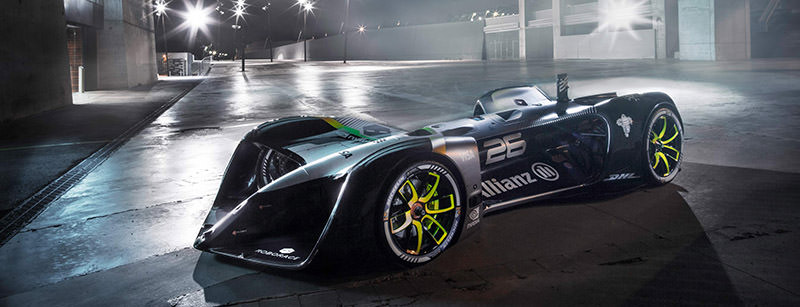
Although companies such as Google, Tesla, Volvo and others are researching autonomous driving technologies, the idea hasn’t quite taken hold with mainstream drivers yet. Roborace is looking to change that while accelerating development of the individual technologies involved with an autonomous electric race car called the Robocar, which was recently made its US debut in New York City’s Times Square to help kick off the inaugural FIA Formula E Qualcomm NYC ePrix Championship in Brooklyn. Passersby could check out the robotic car and take photographs with it.
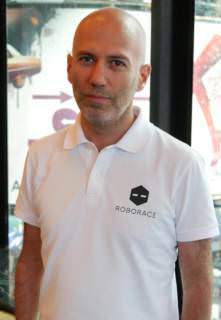
Denis Sverdlov, Roborace CEO
Speaking with AListDaily from Times Square, Roborace CEO Denis Sverdlov described the company as a “technology and marketing platform.” Roborace is partnered with different companies to develop driving and collision avoidance software and hardware for real-world autonomous cars. Developing in a competitive environment with extreme conditions will create knowledge that can be applied to consumer vehicles directly.
In terms of marketing, the company is working to promote the future of an electric, driverless and connected vehicles. According to Sverdlov, most people don’t want robotic cars on their roads today, but they’ll become more accepting once they see how they behave in extreme conditions.
First introduced in February at the Mobile World Congress in Barcelona, the Robocar is a level 5 autonomous car, meaning that it can go anywhere without the need for human engagement. The AI driver can handle all conditions across all environments, and it’s self-aware enough to handle any onboard issues that might arise with minimal risk to occupants and traffic.
In testing, the Robocar has shown speeds of over 200 miles per hour, with the primary limitation for the vehicle being battery life. The Robocar includes technologies from companies such as Charge, Nvidia, and Michelin tires, which are extremely important for autonomous driving. Sverdlov describes the Robocar as the ultimate technology platform with the flexibility to do many things. Roborace won’t be limited to traditional seasons, so the company is free to add new technologies as they come out. Therefore, the Robocar will always remain on the cutting edge of technology.
Racing Ahead With Autonomous Technology
A racing series is critical to realizing an electric and driverless car future, and when discussing the design of the Robocar, the company determined that the car needed to be attractive and that the event shouldn’t be the same as traditional motorsports.
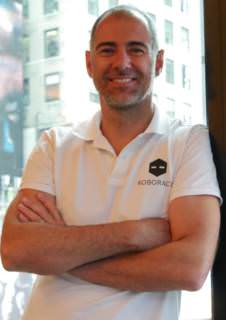
Daniel Simon, Roborace CDO
“Everything has to be wrapped in a layer of entertainment, and part of that is an attractive vehicle that gets you emotionally connected,” said Daniel Simon, chief design officer for Roborace. “Just seeing the reaction in Times Square is an indication of how much looks matter. That’s important to us at every single step.”
The intention of Roborace is to promote the racing series and provide each team with its own Robocar to work with. The teams are tasked with developing the software algorithms that will drive the vehicle in races. Sverdlov added that it’s not necessarily about the racing, it’s about creating an entertainment and development platform.
“We’re in the process of hiring teams, and my expectation is that we’ll see 10 cars racing within the next two years. That time will be used to help the teams develop their software. It will be a flexible format [that will start] with different types of challenges, including two cars competing against each other. We’ll try to simplify things a little bit because the hardware and software aren’t quite ready for extreme conditions yet, but we believe that or format and platform will help to develop it.” The Roborace showcase is in line with the current Formula E season right now, and we’ll likely see the first official Roborace challenge held in Hong Kong this December.
The event will be broadcast in partnership with Formula E racing, however, Sverdlov stated that Roborace will be putting extra emphasis on digital platforms because they believe that their biggest fans probably don’t watch television. The Robocar’s reveal in Barcelona had a reach of 1.7 billion people, according to Sverdlov, who said that the company will look to continue to engage with its audience through social media.
Event sponsors include Allianz, Michelin, Nvidia, Lego and DHL, although Sverdlov said, “We don’t call them sponsors—they are all partners for us. Even if they’re not in the automotive industry, a company like Lego helps us appeal to young kids.”
“Lego is also a good example of how this bridges generations,” Simon added. “Two-year-olds play with Lego and so do adults. Engineers test stuff with Lego bricks. That’s exactly what we want to be—we want a wider-ranging audience than traditional motorsports. Also, we deliver a chassis, so we’re attractive to more people than car companies and motorsport teams.”
Bridging The Gap Between Man And Machine
When asked whether Roborace has considered a man versus machine competition, Sverdlov confirmed that the event series will be completely comprised of autonomous cars. “Everyone asks for man versus machine, but what we need to remember is that this car is a hundred times faster than a human in making decisions. In reality, a human does not have a chance against this type of machine. The G-forces this car creates can’t support a human being inside.”
Simon also pointed out that robotic cars could potentially take more risks, which could increase the excitement factors for viewers. “We don’t know the future, we’re just shaping it,” he said. “Along the way, we’re trying to modify our ideas for what the racing form could be. We don’t want to copy the classic conventional racing formats—we think that’s a rather boring racing setup. We have opportunities to mix this up with entertainment challenges and it doesn’t necessarily need to be perfectly tied into seasons and we could potentially have something every other week. This is a level 5 autonomous car, so we can do things outside of the race track and we’re not tied to a Monza or New York track. We could put the car on Pikes Peak and participate in a hill climb. This is such a flexible format, which excites me.
Neither could reveal who the Roborace participants will be yet, but Sverdlov hinted that they include companies from traditional car manufacturing industry, motorsport teams, universities and technology companies. Roborace has over 100 requests that they are considering by first putting their driving software through simulations. If it works in the simulation, then the team gets a real Robocar to work with.
While talking about the engineering teams behind the Robocar, Simon said the series will put emphasis on how humans are working on the technologies. “We want to always put the human factor into it as much as we can.” But what about how traditional race car drivers show feats of human skill? Wouldn’t autonomous cars drive perfectly robotic races?
“Not necessarily,” said Sverdlov, “because in the end, those algorithms were created by humans. They can use different strategies and approaches, so we see a lot of the human factor in this series. In the end, it’s humans creating those technologies. The difference is, we don’t risk the lives of people sitting inside the car.”
Simon disagreed with the question, stating, “the human part in today’s racing is actually shockingly small in a cockpit. A Formula 1 team is probably 90 percent of what they prepped in the garage and 10 percent what the driver does on the track.
“Also, programs have character. Just go back to the rise of personal computers. You would think that they’re all the same, but then you have Bill Gates and Steve Jobs, who are so different in character. They created different operating systems that draw you to one or the other. These operating systems are characters in a sense, which will also be reflected in the coding of these cars. You can have a really aggressive programmer who always goes after the first turn, or one that lets all the other cars get in trouble first and then takes it all the way to the end.”
Adding to the computer analogy, Sverdlov explained that in the future, the main differentiator between cars will be the driverless software. “Which car will have the best AI driver? This competition will see which AI driver is the best,” he said.
Driving Forward
However, there’s still a way from getting robots to drive cars in high-speed races to having them take to the streets of New York City. When asked how Roborace will work to bridge the two worlds, Sverdlov said, “We’ll probably see two types of applications for this kind of technology, and one is level 5 autonomous driving, where there is no driver at all. But brands that are focused on drivers like Ferrari, Lamborghini, Aston Martin and others see completely driverless cars as an impossibility. But we believe that technologies like 360-degree awareness may give drivers new skills and even save them in risky conditions. This platform helps develop both aspects of this technology, whether it’s completely autonomous or they’re safety algorithms, which acts like an angel watching over the human driver. We believe that this racing series is more relevant to the world’s cars than anything else on the market.”
Simon takes the consumer market potential a step further by imagining, “you can take the luxury high-performance market with a sports car that will drive you around a track by an AI that mimics a famous race car driver. So, for the first time, you’ll be able to see what Mark Webber can do with your car. This will open up a stronger passion for real driving, but it’s fueled by AI technology. It’ll be quite the opposite of taking you out of the seat, and that will trickle down to public transportation and city cars. People will say that they put their child into an autonomous car because they saw a demo run or race where these cars do incredible things. We want to build up a trust level with the technology.”
So, what remains the challenge of building up trust with autonomous vehicles?
“I think people just need to see how smart they are and how they behave in impossible situations. This technology is being developed for two reasons: to make driving safer—90 percent of accidents happen because of the human factor—and to make the cost of traveling per mile lower. But safety is the biggest part of that.”
Looking down at an afternoon traffic jam in Times Square, Simon added that “it’s hard to believe that we accept that this is the way traffic flows—or actually doesn’t flow. If you broaden your perspective and think back to the elevator, they were originally staffed by a guy who pressed the buttons for you. In fact, when these people disappeared and elevators became automated, people were scared that these automated elevators wouldn’t keep them safe. We’re trying to see a much bigger picture, and we also tend to be so impatient these days. People get anxious if we announce a technology and it doesn’t happen within months. But this is a monumental shift, so even a year’s time goes by fast.”
“Time will help us address many issues we have as a society,” said Sverdlov. “If all cars are robotic, you will not have traffic jams and you will not need traffic lights. We’re moving to this future much faster than we think.”
Like the harsh winter in Westeros, the seventh season of Game of Thrones is finally here. Luckily, fans had plenty of time to prepare thanks to no shortage of previews, trivia and brand partnerships as HBO anticipates its highest-viewed season to date.
The premium cable network is encouraging fans to share their excitement with friends through branded digital stickers across social media with the help of a sponsored hashtag (#GoTS7). A new Snapchat filter makes users’ eyes glow blue like deadly White Walkers from the show. The Game of Thrones cast shared season seven insights through Instagram stories on the official HBO account and the star-studded premiere was shared across Twitter using a special, snowy photo filter.
Deliveroo UK opened a Game of Thrones-inspired pop-up bakery on July 17 called “You Know Nothing, Jon Dough.” Actor Ben Hawkey, who plays Hot Pie on the show, will serve real-life versions of his character’s “dire wolf bread.”
Meanwhile, Deliveroo Singapore teamed up with over 12 restaurants including Outback Steakhouse and The Hard Rock Cafe to create special-edition menu items inspired by the show. Examples of items on the“Feast for a King” menu include Theon Greyjoy Sausage Roll, Joffrey’s Wedding Slice, Dragon’s Breath, Little Finger’s Big Fingers and The Hound’s Chicken Dinner.
HBO isn’t the only brand using the season seven premiere to reach an engaged fan base. KFC UK and Ireland teamed up with Northern Irish actor Kristian Nairn, better known to fans as Hodor on Game of Thrones. The spot parodies a key scene in season six in which Hodor struggles against hordes of white walkers behind a door. Playing a cashier during the lunch rush, Nairn is bombarded with requests for chicken with fries. Overwhelmed, he turns his back to the mob and anxiously chants, “chicken with fries” until it morphs into “chicken with rice,” promoting the KFC Rice Box.
Even Coca-Cola got in on the fun on Twitter, running a promoted ad during the US premiere.
If you’ve ever wanted to learn High Valyrian, get ready to command some dragons because language learning app Duolingo has launched a web-based High Valyrian language course. The course is taught by David J. Peterson—linguist and creator of Game of Thrones’ fictional language.
Soon you’ll be shouting such useful phrases at the laundromat as, “Skoriot ñuhyz zaldrīzesse ilzi?” (Where is my dragon?) and “Vīlībāzmosa iderennī emilun!” (I would like trial by combat!)
Ice, Ice, Baby
White Walkers play an important role in the new season, so it’s no wonder that HBO is using these iconic creatures to promote the show worldwide. In London, actors dressed as the Night King and four other White Walkers were spotted at Oxford Circus, Tower Bridge, The Tower of London and Buckingham Palace among others.
In Singapore, fans were given photo opportunities with a life-sized ice sculpture of the Iron Throne and chance to win limited edition prizes, which were frozen in blocks of ice.
Fans in Hong Kong who like the HBO Asia Facebook page or follow them on Instagram received a free, limited-edition Night King frozen yogurt from Yo Mama. The event runs from July 29 to 30 and is limited to 1,000 cups of frozen yogurt.
HBO Asia transformed Taiwanese ice dessert outlet Ice Monster into a Game of Thrones-themed pop-up for three weeks. Over 100 limited-edition Night King popsicles were given out to fans who uploaded a photo of the store’s White Walker on Facebook or Instagram, using the #GoTS7TW hashtag.
“It may be summer in the UK but after six seasons, winter has finally arrived in Westeros,” said Zai Bennett, director of programs for Sky Entertainment UK and Ireland, per The Hollywood Reporter.
In Rome, Sky Entertainment organized an actual marathon, or “marathrone,” to mirror its Game of Thrones TV marathon. Runners chased a giant truck screening the first six seasons of the hit show from Rome to Milan.
Season six broke all records for the show, averaging 23 million viewers per episode. With just two seasons to go, fans are more than ready to see who will sit on the Iron Throne.
Walt Disney Imagineers has hired video game developers over the years to help their line of theme parks, resorts and cruise ships directly connect with millennials and younger guests.
Imagineers has integrated video games into the queues of rides like “Seven Dwarfs Mine Train” and the exit experience of “Test Track,” created interactive treasure hunts using Encharted Art on Disney cruise ships and designed the collectible card game “Sorcerers of the Magic Kingdom,” which unlocks battles with villains from Disney’s animated films throughout the theme park.
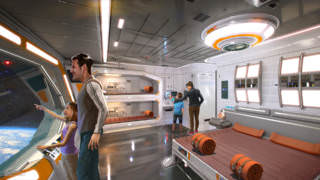
Now, Walt Disney World is building the first Disney 360 vacation concept into a hotel. The Star Wars-themed resort will be located near the just-named “Star Wars: Galaxy’s Edge” land, which is under construction at Disney’s Hollywood Studios in Orlando. While the Galaxy’s Edge park will open first in Disneyland and later at Hollywood Studios—both in 2019—no opening date for the Florida-exclusive Star Wars hotel was announced.
Bob Chapek, chairman of Walt Disney Parks And Resorts, revealed a first look at this new resort at the D23 Expo in Anaheim this weekend. The Disney 360 vacation resort will be like entering a role-playing game (RPG), completely enveloping guests into an original Star Wars story.
“We’re working on our most experiential concept ever,” Chapek told a crowd of 7,000 at the Anaheim Convention Center. “It combines a luxury resort with immersion in an authentic environment.”
The resort will be designed to look like a giant starship from the Star Wars universe.
“It’s unlike anything that exists today,” said Chapek. “From the second you arrive, you will become a part of a Star Wars story. You’ll immediately become a citizen of the galaxy and experience all that entails, including dressing up in the proper attire. Once you leave earth, you will discover a starship alive with characters, stories and adventures that unfold all around you. It is 100 percent immersive, and the story will touch every single minute of your day, and it will culminate in a unique journey for every person who visits.”
Unlike traditional Disney-themed resorts, this new hotel will essentially serve as a real-life RPG—complete with costumes that guests will wear as they interact with aliens, droids and other Disney cast members. For Disney, this will further expand Lucasfilm’s Star Wars brand beyond the endless merchandising options and steady stream of films and TV projects. Much like the recent Avatar land, Disney will be able to immerse tourists from around the globe in the rich Star Wars universe. These two new theme parks will act as evergreen marketing opportunities for the brand, while also serving as another must-visit destination inside of the parks.
“It will invite you to live your own dedicated, multi-day adventure in a galaxy far, far away,” Chapek explained.
When guests look outside the hotel windows, they’ll see outer space. Disney already has employed this type of technology on its cruise ships, creating Magic Portals for inside cabins that use projection technology to make passengers feel like they have a balcony view (with the added magical touch of different animated and CGI Disney characters making random cameos).
In April, unofficial Disney blog Walt Disney World News Todayreported that Disney sent guest surveys detailing a two-day story set in the Star Wars universe that would cost between $900-to-$1,000 per guest. For those who haven’t visited Disney World recently, current top-tier themed resorts like “Animal Kingdom Lodge” and “Polynesian Village” can cost over $500 per night.
These surveys implied the Star Wars starship would replicate the all-inclusive cruise ship experience with buffet breakfasts, lunches and signature evening dining all baked into the price—along with shows and entertainment, as well as theme park tickets to Galaxy’s Edge. The “luxury” accommodations will also include access to a pool area and water garden, fitness area, cantina and robotic droid butlers.
The concept would be that guests, or passengers, would have personal interactions with Star Wars characters and live performers throughout the starship with the option of interacting first-hand or just observing others. The RPG elements will really come alive through programs such as flight training (which is sure to integrate video game elements, and possible augmented reality gaming), ship exploration, lightsaber training and personalized secret missions both on the starship and throughout the Galaxy’s Edge.
Chapek also revealed new details about the 14-acre Star Wars-themed lands. The land is set on an unoriginal planet (the name of which has not yet been revealed) that sits on the outer rim of the galaxy.
Chris Beatty, the Disney Imagineer serving as executive director of the new lands, told the D23 crowd that this “smuggler’s planet” will blend Star Wars characters like BB-8, Chewbacca, Rex and Kylo Ren with new characters.
“It’s kind of forgotten about,” Beatty explained. “People in the know like Han and Chewie, they knew of this place.”
But the story will be completely original, as Imagineers (working with Lucasfilm writers) decided to create something original rather than tying anything directly to the films. This same storytelling concept was employed in the just-opened “Pandora: The World of Avatar” land at Disney’s Animal Kingdom.
“When you step into the world, you’re the hero,” Beatty said.
There will be two anchor attractions at Galaxy’s edge, including one that puts guests right in the middle of a battle between the First Order and the Resistance where guests will feel like they’re inside a hangar bay on a Star Destroyer—built to scale. Visitors will also have the chance to fly the Millennium Falcon in a multi-person experience where each guest is critical to the mission’s success taking on roles like pilot, co-pilot and gunners on a critical mission. Disney built a scale version of the Millennium Falcon’s cockpit and common area on the Disney Dream ship, but this new ride promises to take interactivity to another level.
The RPG elements from the new Star Wars hotel will also be integrated into these new theme parks, and operate independently for guests who aren’t staying at the resort. Each guest will be assigned a “role” before boarding the Millennium Falcon, and how they perform those tasks will earn galactic credits. No details have been revealed yet, but Disney World already uses RFID-powered Magic Bands at its Florida theme parks to connect smartphones, credit cards and even room keys together for a frictionless experience. The potential of connecting this technology with the hotel and Galaxy’s Edge is endless.
Another announcement at D23 that completes the Star Wars offerings will be available at Best Buy later this year. Disney partnered with Lenovo for a new consumer augmented reality headset that works with your smartphone, which will launch with Jedi Challenges. This compilation will include a variety of games, including a Holochess game and a lightsaber training experience—just like the challenges Luke Skywalker faced in the original film 40 years ago.
This week in marketing statistics, brands feel good about machine learning, watching video in VR could be the future and Siri has some serious competition.
Machine (And Marketer) Learning
Machine learning is already assisting marketers to process big data, according to a recent survey conducted by MIT Technology Review Custom for Google Cloud. Among the 375 business and IT leaders surveyed, 95 percent have already embraced some form of big data technology, or plan to do so.
Respondents were confident in machine learning, with 50 percent able to quantify ROI from their investment and 26 percent saying they’ve already gained a competitive edge from machine learning. As a result, those surveyed are continuing to invest—26 percent of respondents commit more than 15 percent of their IT budgets to machine-learning projects.
Meanwhile, 78 percent of executives planned to spend at least five percent more on AI marketing technologies in the next 12 months, according to new data by Forrester. Of the 700 business leaders working for retail and ecommerce brands with revenue of at least $50 million, 54 percent said they’re already using AI marketing to better personalize the customer experience. However, 70 percent of respondents cited technical skills as a barrier to mainstream adoption of AI marketing technology.
Voice-Activated Rivalries
Virtual assistants are a common form of AI used by consumers daily, and Siri is still the most popular. Apple’s “it-girl,” however, is starting to feel the heat from rival assistants Cortana and Alexa. According to a new report by Verto Analytics, Siri usage has declined by 15 percent from May 2016 to May 2017. Amazon Alexa usage, meanwhile, has jumped 12 percent in the same time frame and Microsoft Cortana usage tripled from 19 to 60 percent.
Alexa got some help on Prime Day, which was Amazon’s biggest ever—surpassing Black Friday and Cyber Monday in terms of spend. The best-selling item during the annual sale event was the Echo Dot speaker, which was discounted by 30 percent.
The Future Of Video
Can watching video in VR be social? About half of existing users say yes, according to Ericsson. A study of VR device users worldwide found that 51 percent think video in VR will become popular because it will combine with social networking.
Fifty-four percent of respondents agreed that VR devices will be the new screens for video and 53 percent said video will be one of the most popular uses of VR.
Consumers may be torn on whether to watch video in VR, but watching in 4K resolution is an entirely different story. The global4K TV market is expected to reach $380 billion by 2025, according to a new report by Grand View Research, Inc. Declining prices and increased penetration of ultra-high-speed internet are expected to contribute to this growth.
Advertising: Direct, Organic And TV
When a business advertises locally, many choose to stick with tried and true methods like direct mail. In fact, at $37.1 billion, direct mail contributes 25 percent of US spending in local markets this year, according to BIA/Kelsey’s Local Advertising Forecast.
Rounding out the top five types of media advertising are local TV ($20.9 billion), online and interactive ($18.6 billion), newspapers, and mobile ($16 billion each). Local radio dropped to number six from BIA/Kelsey’s last forecast, with $15.6 billion in revenue.
You have to spend money to make money, but organic views can be just as—if not more—beneficial to a brand campaign. According to L2’s 2017 Intelligence Report, Activewear brands enjoy the highest organic view rate on YouTube at 24 percent, followed by consumer electronics (23 percent), retail (19 percent) and luxury brands (17 percent). Nike’s February Equality campaign earned a 57 percent organic view rate across digital platforms, including nearly four million organic views on Facebook in the days and weeks following the initial paid post.
Brands with multiple locations are receiving 25 times more impressions on individual location Facebook pages as opposed to the brand’s official Facebook page. MomentFeed did an analysis of aggregated customer data from “more than 50 clients from October 2016 through April 2017.” The social media management platform reported that 84.8 percent of all consumer impressions happened on assets that represented individual stores, showrooms and restaurants, while just 15.2 percent of impressions happened on brand or corporate assets.”
Addressable TV ad expenditures will grow 65.8 percent to reach $1.26 billion this year, according to new forecasts by eMarketer. The company’s predictions includes broadcast and cable TV in its TV ad spending forecasts, but excludes digital. Meanwhile, programmatic TV ad spending will grow 75.7 percent to $1.13 billion in 2017—representing 1.6 percent of total US TV ad spend.
Developers continue to get on board with PlayStation VR, which was fully illustrated at this year’s E3, where the company announced that it was partnering with CCP to make its headset the launch platform for the upcoming virtual sport Sparq. A montage of VR game announcements was shown at the PlayStation pre-E3 presentation amid gameplay demonstrations for core franchises such as God of War and Horizon: Zero Dawn, and attendees were able to go hands-on with PSVR games on the show floor.
One game that stood out in the VR game montage was Moss, an action puzzle adventure game currently in development by Polyarc. The debut showing was unique because it wasn’t a high-action shooter. Instead, players—who take the role of a spirit-like figure called “The Reader”—are invited to step into a storybook world to help a cute little anthropomorphic mouse named Quill as she embarks on an adventure to save a loved one. Players help Quill on her quest by manipulating objects in the world to solve 3D puzzles.
Tam Armstrong, Polyarc CEO, co-founder and studio head
Speaking with AlistDaily, Tam Armstrong, CEO, studio director and co-founder of Polyarc, said that Moss came from determining VR’s strengths and building a game around it.
“The thing that everybody talks about first is the sense of presence and realism being in a [VR] location,” said Armstrong. “So, we knew we wanted to make a game that took you to fantastical places. The second thing we wanted to leverage was interaction. We wanted to make sure you were physically interacting with the game, and that’s where the puzzle part came from. We imagined how much fun it would be to move pieces around and manipulate the environment.”
Polyarc has had an ongoing relationship with Sony, according to Armstrong, who said that the company was very impressed with early prototypes of the game. Sony has been supportive of the game ever since, which culminated into bringing Polyarc to E3 and having the debut trailer shown at the PlayStation presentation.
Armstrong stated that the partnership was the main reason why Polyarc chose to launch Moss for the PSVR first, in addition to how the technology fit nicely with the gameplay. He also looks forward to working further with Sony to promote Moss as they approach the game’s launch this winter.
Fans appeared to have taken very well to Moss and its tiny protagonist.
“We’re very excited with the response,” said Armstrong. “We think it’s a cool game, but you’re always nervous when you’re showing something to a wider audience for the first time, and it was nice to see people responding so well. It was also nice to see people picking up on some of the thematic things we were hoping they’d appreciate, like your relationship with Quill and your role in helping her succeed. It was cool to see people gravitate towards that.”
Being a spirit-like character in a storybook VR game might be a lot to take in, but Armstrong sees spreading awareness however possible as a big win for the game, technology and industry.
“We try not to overly focus on all of those elements,” Armstrong explained. “If someone saw or played our game and all they took away was that it was Quill’s adventure in trying to rescue her loved one, then we would be absolutely thrilled. We would be fine with that, but we’re sure there will be players who will appreciate the depth and we want something for everybody.
“As far as marketing goes, the biggest challenge is with VR in general. It’s hard to display that medium in the same way that it’s hard to sell a TV on radio. It’s not impossible, it’s just hard until everyone can visualize a TV in their heads. We have the same challenge now with VR—it’s hard to sell the experience of being in VR through watching a video. The more players become familiar with what VR feels like, the more they’ll be able to project themselves into what they’re seeing. That’s really hard to do right now, so we’re focusing on very apparent things by showing people the richness of our world and characters. Hopefully, they’ll find those things intriguing enough to find out more.”
Having an adorable mouse as the main character probably helps quite a bit in having a game be accepted.
“We came up with Quill as a matter of scale,” said Armstrong. “We knew that we wanted a puzzle game where you interacted with the environment, and that meant that we were either going to make the player a giant to reach a meaningful amount of the space, or make a tiny hero to make the player feel big. We shied away from making the player large because we didn’t think that would feel very realistic. Your brain reminds you that you’re not actually a giant. So, we made a tiny hero and scaled the world to suspend disbelief.
“The matter of theming came from discussing ways to make a tiny hero—[we had] toys, aliens or little animals—and we settled on the mouse protagonist. As far as Quill’s cuteness goes, we would like people to perceive her as self-sufficient, strong and confident, although she does need your help on a journey. If audiences pull out the fact that she’s cute, we have no objection to that. More than anything else, having a tiny being that you have a relationship with and you believe is alive is very powerful in VR because your head and hands are in the experience. There’s a more direct connection with those characters than there would be through a TV screen. If the side effect of that is that it gets people interested in our game, then that’s great. Our goal is to capitalize on VR’s strengths.”
Games like Moss are critical to the success of VR, and Armstrong believes that it will take some time for VR to be adopted as more software comes out.
“None of us buy a console or platform without having a few games we want to play, and all of that takes time. We’re not worried right now because this is the expected outcome, and we want to use our experience to help bring new software to the VR platform. Hopefully, we’ll be on the list of reasons why people get excited about VR and want to buy it.”
Exploring experiences that aren’t possible through traditional means is the whole reason Polyarc decided to create Moss. Armstrong said, “Moss isn’t Moss unless you can reach in and grab things and move them around. It’s not Moss unless Quill can look you in the eyes. This is our chance to go after something new and exciting to establish ourselves.”
That being the case, he isn’t put off by the limited install base. “Polyarc’s mark of success is an appreciation from our players, irrespective of scale. In terms of the limited install base, that’s just the business problem of not spending too much money making a game so you have a chance to make more. Independent of that, we just want people to appreciate it. To me, it doesn’t matter if there are 10 million or 1 million customers. Just knowing that a portion of those customers are really excited about what you’re doing—that’s the creative mark of success.”
Success for both the game and VR lies in getting them in the hands of players. “The key is being hands-on,” said Armstrong. “You have to get people to play and try it because it’s very difficult for people to imagine if a VR game is fun or not from a description, and that’s true for everyone. So, experiencing games is the key.”
To this end, Polyarc will be taking the game to shows and is engaging with audiences both in-person and through social media to spread the word about Moss.
“Promotion will rely a lot on word-of-mouth, like in the early-console days before there were a lot of advertisements,” said Armstrong “There needs to be people trying VR then talking to their friends about it.”