Facebook: Consumers React Positively To Brands Promoting Gender Equality

Consumers react positively toward a brand when it promotes gender equality, according to a new study by Facebook IQ. Together with Qualtrics, Facebook surveyed 1,547 smart phone and Facebook users in the United States over the age of 18. The study found that both men and women “feel more positive” about a brand that promotes equality on Facebook.

When a brand promotes gender equality, 48 percent of both men and women surveyed say they feel more loyal toward it. Separately, 51 percent of women said they would prefer to shop from such a brand, compared to 45 percent of men.

Facebook also performed a sentiment analysis of aggregated, anonymized brand posts made in the past year. The company compared a selection of brands that engaged in gender-positive advertising—such as celebrating female athleticism or encouraging girls to study math and science—to brands that were less vocal on the topic.

What they found is that Facebook users react positively when a brand promotes gender equality on the platform. Both women (79 percent) and men (75 percent) surveyed said they feel more positive toward such behavior.

For example, US women were 1.85 times more likely to be interested in watching a movie trailer after seeing an ad featuring an image of a woman dressed as a firefighter versus an image of a woman dressed in revealing clothing. When the same ads were shown to male survey participants, there was no significant difference between men’s reactions to either ad.

Facebook’s survey found that 75 percent of women believe the most important thing brands can do to promote gender equality is to stop portraying women as sex symbols. It should be noted that Facebook did not specify whether survey participants were given other options or if this statement was based on if they agreed/disagreed.

Sheryl Sandberg, Facebook’s chief operating officer, is a strong proponent of gender equality, especially in industries traditionally dominated by men. Together with her non-profit Lean In, she introduced the Glass Lion Award at Cannes Lions to celebrate outstanding portrayal of women in advertising.

“The data shows that people see hundreds of thousands of marketing messages a day [on Facebook]. We actually see more marketing messages [than TV, movies, books, etc.]. I’m a deep believer that we need to change our culture that positions men as leaders and women as nurturers,” Sandberg told Forbes.

Sandberg and others are working to change this culture. The Unstereotype Alliance, for example, was founded to eradicate outdated stereotypes in advertising. Men appear in ads four times more than women and have seven times more speaking roles, according to research from J. Walter Thompson and the Geena Davis Institute on Gender in Media.

“Marketing doesn’t just reflect culture—it shapes it,” says Facebook alongside its study findings. “Contribute to social good and capture consumers’ attention by busting stereotypes and promoting positive, empowering depictions of people of all genders.”

It seems rather obvious that women would respond well to advertising or brand messages meant to empower them, but what about the other half of Facebook’s respondents who didn’t feel more loyal or prefer to shop from these brands?

Edelman’s 2017 Earned Brand Study of 14,000 people in 14 countries found that 50 percent of consumers consider themselves to be belief-driven buyers—which means the other half doesn’t. A separate study by advertising trade association 4A’s and SSRS found that 58 percent of consumers dislike when a brand gets political.

“Consumers are not looking to brands to take a position on political or social issues. In fact, there’s typically more risk than benefit,” Alison Fahey, chief marketing officer of the 4A’s, said in a statement. “Brands taking a negative approach risk backlash, and only a small percentage of consumers are moved to buy from positive messaging.”

Overall, brands who portray gender equality do get a positive response, as Facebook’s study found—it just depends on whether you see this cup of brand love as half full or half empty.

Millennials Name Their Favorite Brands; Digital Commerce Climbs To 14 Percent

Fifty-two percent of British millennials say they are more impatient now than they were five years ago due to their reliance on technology, according to a study by YouGov and Fetch. This is slightly more than US millennials, 45 percent of whom said the same. The study found that consumers of all ages in the US and Britain have become less patient over the years. For example, 41 percent of US consumers would not wait more than 15 minutes for a ride they ordered from a mobile app, such as Lyft or Uber.


Brand Building Agency Moosylvania has just released its 2017 top 100 Millennial Brands report. Based on more than 15,000 responses from millennials over the past five years (2013-17), the most beloved brands are Apple, Nike, Samsung, Target, Amazon, Sony, Wal-Mart, Microsoft, Coke and Google. While the top brands are well-known, it’s not all about big advertisers, Mooselvania says. For example, Vans comes in at number 34, while Super Bowl advertiser Anheuser Busch came in at 94.


US addressable TV ad spending is expected to reach $3.04 billion in 2019—more than double its 2017 level of $1.26 billion, eMarketer estimates. According to “Television Update H2 2017: Advanced TV’s Progress,” eMarketer says that in addition to superior ROI, the potential for an expansion of both available addressable inventory and the number of households that can be reached could be drivers of this growth.


Mobile header bidding grew by 285 percent year-over-year in the second quarter of 2017, according to the PubMatic Quarterly Mobile Index report. News publishers accounted for three-quarters of this growth. Mobile programmatic advertising witnessed an 11 percent global increase in eCPMs.


Snapchat’s daily active users have grown 21 percent year-over-year in the second quarter with 173 million people now using the app. In addition, Snapchat has added 7.3 million people in the three months to June 30 alone. According to the company’s second quarter earnings, it has doubled its average revenue per user from the same quarter a year ago—109 percent to $1.05.


Digital commerce grew 14 percent in the second quarter, according to Demandware’s latest Shopping Index. Fifty-nine percent of consumers reported using their phones while shopping in a physical store within the last three months, and social accounts are an increasing driver of mobile traffic—up 42 percent over last year.


Advertisers and marketers are out of touch with modern family dynamics, according to 84 percent of millennial dads in the US. A survey of 1,100 millennial fathers by Saatchi & Saatchi New York found that modern perceptions of fatherhood and manhood are changing. Eighty-five percent said they know more than people give them credit for, and 80 percent think a “real man” is one who’s comfortable expressing his feelings.


Forty-six percent of consumers prefer to shop online or via voice ordering, according to a new report by Walker Sands. “The Future of Retail 2017” explores the purchasing habits and preferences of more than 1,600 US consumers. The report finds that one in five consumers has made a purchase using voice control, and one in three plan on purchasing through this method within the next year.


Live TV is still the preferred watching method for consumers’ favorite shows, according to a study by ThinkNowResearch. The Hispanic-focused market research firm explored viewing preferences across different ethnic groups and found that live TV is still the most popular method of viewing for all groups except for Asians. Asian participants said they watch TV on YouTube (59 percent), more than they watch live TV (55 percent).


Editor’s Note: This story will be updated daily until Friday, August 18. Have a new report, study or tip? Let us know at editorial@alistdaily.com.

Washington Redskins’ Tress Way Kickstarts Trivia Game With Universal Appeal

Even in the digital age, tabletop games are making a big comeback, and if games like Cards Against Humanity are any indication, they can grow from modest Kickstarter projects into huge brand names.

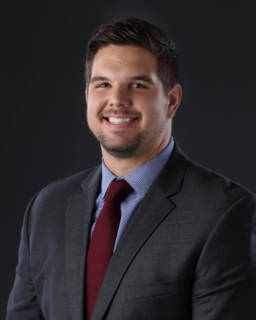
Way Fun Entertainment is a company that was founded by Washington Redskins punter Tress Way, but the game it’s developing goes far beyond football and sports. Its debut title is a trivia card game called What’s Your Bid?, and even though its association with the Redskins might lead people to think that it will be all about sports, the company is working to get the word out that it’s a trivia game for everyone, including people who don’t like trivia games.

What’s Your Bid? began its crowdfunding campaign on Kickstarter in July, and it has almost reached its goal with about three weeks left to go. Backers will get the game first, and the game is expected to release in November, in time for the holiday gift-buying season. The game can be purchased from the official website, and it’s already approved to sell on Amazon. Way Fun Entertainment plans on approaching retailers after the Kickstarter campaign ends, using the campaign as proof that there is strong interest in the game.

Chad Theis, COO at Way Fun Games

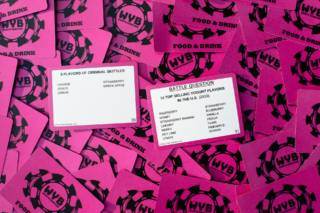
Two teams come together to compete in What’s Your Bid?. Each question has multiple answers, and teams bet on how many answers they can get right using game chips. If a team thinks it can provide five correct answers, it can bet five chips. However, if team members provide even one wrong answer, then their opponent wins the bet. The first team to win 30 chips wins the game. Players as young as six have been able to play, making it truly family friendly and approachable.

“People who don’t like trivia have usually said that they love this game,” Chad Theis, COO at Way Fun Games, told AListDaily. “So, we’ve been able to market to anybody. I’ve played with my 12-year-old cousin and my aunt and uncle—who are in their 60s—all together.”

Theis is joined by Ben Habern, chief marketing officer of Way Fun Games. Both are college friends of the four-year veteran punter. The duo joined AListDaily to talk about how they’re using crowdfunding to grow interest beyond the Redskins fan base and attract a broad audience of players.

What inspired Tress Way to create a trivia game?

Theis: It started with one question when the Associated Press came out with the top college football teams of all time. Tress went around the Redskins locker room asking players how many from the top 10 they could name. He kept track of how many right answers each person got and drew up a ranking. Everybody liked it and asked Tress for more questions. Now, we’re at the point where we have 500 questions and we announced five expansion packs with 100 cards each. We all loved games growing up, and we’re all college buddies who went the University of Oklahoma together. We’d have game nights where we would get together on weekends and play everything from card games to board games to hang out. The time spent together is what motivated us [to make this game] because we want to bring that to other people.

Habern: In college, Tress was kind of the leader in bringing us together game nights. He always had a passion to create some kind of board game, and he’s got ideas for future games. So, we all knew that he would create a game someday, and he realized he had something going with the first college football teams question.

Ben Habern, CMO at Way Fun Games

This seems like a project a game publisher might back. Why go with crowdfunding?

Theis: We thought crowdfunding was a good idea because with Tress we have the sports aspect, given his association with the Redskins, but that only appeals to so many people. Board games are very popular on Kickstarter right now, so we thought it would be a good way to tap that market. We wanted to use Kickstarter to market the game, so people could learn more about the game, and how to play. We wanted a backing from the games side instead of relying on Tress’ name, and it’s a good way to reach an audience that we didn’t have before. Also, we hosted a livestream on Kickstarter Live to show what What’s Your Bid? is about because it can be hard to explain games through Kickstarter pitch videos.

Besides Kickstarter, how else have you been reaching audiences outside of the Redskins fan base?

Habern: We’re using social media as much as possible—posting quality and engaging content on Facebook, Twitter and Instagram. That’s been a reach for us, in addition to friends and family. We’re also very fortunate to have Tress and his relationship with the Redskins. He has some connections with media and PR outlets that we wouldn’t otherwise have. Tress also played football at Oklahoma and we were teammates, so we have the Oklahoma football reach, too. Those have been our main channels for getting the game in front of as many people as possible. We also believe that this game will sell itself, so we want to get it into people’s hands and in front of their faces so they can see how much fun it is. Our goal and hope is that the word will spread by people playing it.

Theis: We’ve also been using targeted ads on social media not just for sports fans, but tabletop gaming fans as well. We’re also using sites like reddit, which has huge sports and gaming communities to spread the word. The hardest part about marketing the game is that you need to get the game into people’s hands, and we think Kickstarter helps that way. Once people play it, they love it.

Is Tress’ involvement a kind of double-edged sword? Do people think it’ll be a sports-heavy trivia game?

Theis: I assume people will think that it’s sports heavy because you’re marketing toward the Redskins NFL market. But our message is trying to get away from that, and it says it’s “trivia for everybody” on the box. We always emphasize that we have five different categories, which are science and animals, sports and entertainment, food and drink, statistics and history. So, it’s very general knowledge that covers almost all subjects in everyday life. That’s what we’re focused on in every single interview and marketing ad, instead of how the Redskins punter is doing a game.

But Tress is still asking his friends on the Redskins to help promote the game, right?

Habern: Yes, and to your point, it is a kind of a double-edged sword, where we want to market it to everybody, whether they’re Redskins or sports fans, or not. That’s the ultimate goal, but certainly, we’re leveraging Tress’ connection with the Redskins, his teammates and himself. He has a pretty good social following, and some of his good friends on the team are supporting us as influencers. They’re reposting stuff that we put onto our What’s Your Bid? account, and like we said, Tress has media and PR connections. We were recently in the Washington Post, and a Redskins blogger wrote about the game on ESPN.com. So, we’re utilizing those connections and we’ll continue to ask Tress’ friends to help us promote the game. They play in the locker room every day, and I think they want to see it succeed, so that’s why they want to support it.

Theis: They play the game more than any of us, including Ben and I, because it all started in the locker room during training camp last year. We don’t necessarily have to approach them to ask them to do things. They often come to us saying that they want to help, which is fantastic. It’s not just the players, either. It’s also the Redskins staff and management. They’re all willing to help with anything we need, and we really appreciate their support.

You said that What’s Your Bid? is a trivia game that appeals to people who don’t like trivia games. How do you reach that audience?

Theis: “Trivia” is a word scares people off, so we’re trying to incorporate messaging about strategy. [What’s Your Bid?] isn’t about specific knowledge, per se. It’s all about team strategy. Some of the questions include, “who are the presidents on Mount Rushmore? What were the six most diagnosed food allergies in 2016? What are the nine NFL teams with the most Super Bowl wins? And what are the seven best-selling soda brands in 2016?” Most everyone can get one or two answers right for every question. So, people learn that it’s a game everyone can play so that they’re not scared off by the word “trivia.”

Habern: It goes back to our goal of getting the game into people’s hands, and that’s why we’re excited about the Kickstarter Live video. We think that helps bridge the gap. People need to see how the game is played and how the questions are general knowledge and not, “who won the Oscars for best male actor in 1980?” Which isn’t very fun or engaging. Our goal is to show people that this is a fun game with questions that cover things that you think you may know, but it gets more challenging when you have to give several answers. We want to show larger groups, with 10 people playing on two teams, so people can see how fun it is and spread the word. Games generally sell by word-of-mouth.

How Car Brands Are Driving Awareness Through Video Games

The relationship between video games and vehicle manufacturers is a symbiotic one—introducing young consumers to vehicles they might otherwise never drive, much less race. Posters of high-performance vehicles have graced the bedroom walls of teenagers for generations, but there’s a good chance today’s posters don’t come from car manufacturers. Instead, they come from video games like Forza, Gran Turismo and Need For Speed. As esports becomes mainstream and racing games go mobile, car brands find even more opportunities to showcase their legacy through gaming.

Gran Turismo

While Polyphony’s Gran Turismo wasn’t the first racing game to hit consoles, it changed the genre forever by offering realistic graphics and over 100 licensed vehicles to drive. The series has sold over 76 million copies since its debut in 1997 and its games are often featured prominently by PlayStation to show off the gaming console’s technical capabilities.

The list of cars featured in Gran Turismo has more than tripled over the years, and gamers get to experience some of them before real-life drivers do. For example, BMW is launching the 6 Series in Gran Turismo before it debuts in the real world this fall. In the past, Toyota and Nissan have even provided Gran Turismo demo discs along with vehicle marketing materials.

The latest game, Gran Turismo Sport, honors its partners with Brand Central—a new portal for purchasing cars and learning the history of each car manufacturer. The new feature was designed to aid in discovering brands in the real world and includes “premium movies” made by each of these companies.

“Instead of the car dealership from past games, Brand Central is a place where boys discover cars for the first time,” Polyphony founder Kazunori Yamauchi told AListDaily. “When I was in my second year of junior high, I walked into a BMW dealer to pick up a catalog and my heart was racing. We want to recreate that experience of discovering cars for the first time.”

Brands like BMW, Aston Martin and Mercedes have partnered with Gran Turismo to feature “vision” cars—driveable concepts that you won’t find anywhere else.

https://youtu.be/0siGVASN9PQ

Forza

As of December 2016, the Forza game franchise has earned over $1 billion at retail, making it the best-selling racing franchise of this console generation, according to NPD. With over three million players joining online each month during the Forza Racing Championship alone, that’s a whole lot of brand awareness for vehicle partners.

Ford has been a partner with Forza since the original game launched in 2005, and it offers a wide variety of in-game vehicles from, which includes the classic Model T and the 2017 Ford GT.

“The video game is extremely important,” Henry Ford III, global marketing manager for Ford Performance, and great grandson of the legendary Henry Ford told Auto Guide. “We want to make our cars—even our supercars—accessible to everyone, and a great way to do that is through the gaming world.”

Ford even gave Forza developer Turn 10 Studios an advance look at the new Ford GT early in its concept phase, giving them access to schematics and other details in order to make its in-game version as close as possible to the real thing.

Video game and car fandoms collide regularly, and vehicle brands understand the value of marketing to this engaged audience—going so far as to debut the latest model to gamers. Porsche unveiled the 2018 Porsche 911 GT2 RS during Microsoft’s E3 2017 press conference to promote Forza Motorsport 7—marking the first time a vehicle had been debuted at the show.

“This moment is a testament to digital and real world racing merging in an unprecedented way,” wrote Alan Hartman, studio head at Turn 10 Studios. The Porche 911 GTS RS will also appear in Gran Turismo Sport this fall, marking the first time Porche has partnered with the Gran Turismo franchise.

Driving Brand Awareness

Partnering with games can make highly-niche car brands a household name. Pagani teamed up with game developer Eden Games to unveil a $2.5 million car inside Gear.Club, a racing title for mobile devices. After flying social media influencers to Switzerland, Pagani and Eden Games revealed the Huayra Roadster in both the real world and inside the game for a limited engagement.

McLaren partnered with Logitech G and other brands to enter the esports arena this year with the World’s Fastest Gamer competition series, conceived by IDEAS+CARS.

“Car manufacturers once saw gaming as an income stream that was a profitable sideline to their normal business, but the switch is coming where brands want their cars to be in certain games, and they work closely with publishers to make sure they’re front and center,” Darren Cox, founder of IDEAS+CARS told AListDaily. “I can see the license fee model changing, where certain games will be able to charge the other way around—offering a premium position for car brands. That’s how important gaming is to the car industry.”

Players who “test drive” vehicles in a game develop their favorites, which can lead to real world brand loyalty. Brand consultancy firm Strategic Vision hosted a focus group of males between the ages of 11-16 and found that Fords and Chevrolets were the vehicles they were most interested in. Why? Because those were the cars they drove in video games.

“I think in general, the average gamer certainly embraces a lot of the qualities and spirit we look to incorporate into our vehicles,” Craig Daitch, senior manager of social media and brand communications at Chevrolet told Auto Guide. “The beauty of gaming today is that it spreads across multiple demographics—it ranges from casual experiences to experts to people of all types.”

Chipotle Serves Up Esports Partnership With OpTic Gaming

Chipotle Mexican Grill is the latest non-endemic brand to get a taste for esports. The restaurant chain has partnered with OpTic Gaming to drive awareness of its brand through a contest that will send four fans to Chicago to visit OpTic Gaming’s main base, Scuf House.

The “Text2Win” contest will run from August 14-28, and two winners will get to bring a guest for a two-night, three-day stay in Chicago with airfare, premium hotel and transportation, spending money and swag—including limited-edition Chipotle-branded jerseys.

Scott Robinson, manager of events and sponsorships at Chipotle Mexican Grill, said the company has been keeping a pulse on esports for some time and has watched it grow. Now felt like the right time to jump in.

“We were having discussions with RevXP  about the space in general, looking for a way to support the scene, to be a foundational partner brand as it continues to grow, and to integrate initially in a fun way,” Robinson explained to AListDaily. “Partnering with the OpTic team ended up being our direction.”

OpTic Gaming CEO Hector Rodriguez said the team has been fans of Chipotle for a long time and it had been interacting with the brand on social media over the years.

“This partnership fits in well with the busy lifestyles of our pro players and our OpTic Strength initiative, which helps promote the benefits of a balanced, healthy lifestyle,” Rodriguez explained. “We look forward to introducing the brand to esports.”

The existing social media relationship with the top-tier esports team made the decision easy. “We thought it was the right time to show that this scene deserves the support, as it has an amazing, loyal and passionate fan base,” said Robinson.

Research by the restaurant chain found that the brand already had a lot of esports fans. “This is about supporting their lifestyle and passions, and having fun with them,” Robinson said. “This is something Chipotle is always looking to do for our customers in the variety of ways we look at event and partnership opportunities.”

Chipotle worked with OpTic Gaming to come up with the contest.

“We wanted the prize to be once-in-a-lifetime, and something really special for the fans of OpTic and esports,” Robinson acknowledged. “It became pretty apparent that getting them out to the Scuf House, actually game with the team, hang at the house, and do something special like that was the direction we wanted to go.”

Since esports is a completely digital ecosystem, Robinson said Twitter will play a huge role in getting the word out about the contest and for some follow-up communications and promotions. Additionally, OpTic Gaming players will help promote the contest by creating video content around the sweepstakes winner coming to the Scuf House and gaming with their favorite players.

“We love how organic it felt to support the team, given their professed love of Chipotle over the years,” Robinson said. “We hope it’s a successful partnership and that we can grow our support in this area.”

OpTic Gaming has a history of working with non-endemic brands like Brisk and Turtle Wax, which tapped into the team’s love of sports cars. The pro team is competing in the Call of Duty World League (CWL) championship this weekend in Orlando, Florida.

IMAX Bets Big On Location-Based VR

IMAX is looking to leverage its vast variety of theatrical distribution platforms to provide patrons family-oriented fare with premium, location-based virtual reality experiences.

The entertainment technology corporation, which has had a litany of touchpoints across the industry and the movie-going experience for nearly 50 years, is looking to add immersive options for consumers.

IMAX finalized the first phase of a $50 million VR fund last November that was geared toward financing content experiences from high profile filmmakers and creators for VR platforms—most notably for its IMAX VR Centres, which are currently in an experimental pilot phase across different parts of the world.

IMAX is trying to discover whether VR will be a viable business category and a vital part of their brand’s evolution in the future. A wider global rollout will be in store should the pilot plan succeed.

Rob Lister, IMAX’s chief business development and chief legal officer, joined AListDaily for a video interview to offer details on the company’s primary learnings so far from VR. 

On IMAX’s VR strategy and consumer insights . . . 

“One of the most exciting things we’re working on as a company right now is our brand new VR initiative. Even though we’re only in the pilot phase, we’re really excited about the promise of the platform. We spend a lot of our time putting together content and technology deals and building out our actual first center in Los Angeles. The focus for us during this pilot phase is to gather as many learnings as possible, so we’re studying what the consumer preferences are when it comes to content. We’re studying price elasticity, what the right price points are and how to work for throughput. These are generally 8-to-12-minute experiences, so we’re looking at how to move people through in a really effective way. What we’ve learned, to our pleasure so far, is that the demographic that’s interested in VR is pretty broad. We’ve seen birthday parties for a bunch of 35-year-old men and then birthday parties for a bunch of 10-year-old girls. To me, that represents that we’re reaching a wide audience, and that’s one learning we’re most happy about.”

On IMAX’s approach to content and experiences . . .

“Because of IMAX’s place in the ecosystem, a lot of people have been asking us, ‘What does this mean for the future of entertainment—cinematic entertainment in particular?’ We’re hoping to break what, so far, has become a bit of a chicken-and-egg issue in VR. There’s not quite a big enough network out there to justify a lot of big IP being created by the studios, and there aren’t enough big IPs to justify a large network. We at IMAX think we can help solve that. We have such good relationships with the studios. Our content fund invests in AAA IP and movie-studio content. Our hope is that we can help create and build a real pipeline of high-end movie content that makes its way into the VR space, which to us will lift everybody’s boats because more people would be interested in seeing IP that typically goes along with the big movie blockbuster marketing budgets.”

On IMAX’s vision to scale . . .

“IMAX’s approach is to broaden the marketing. Again, we’re still in this pilot stage where we’re trying to learn as much we can about VR before deciding if this a new business worth fully getting into, and invest heavily, and scale globally. But at this stage, our thinking and strategy is that if we do roll this out, it would be mainly through our multiplex partners around the world. [As of this March, there were 1,226 IMAX theaters in 75 countries.] Multiplexes are in situations now where they’d like to have more utilization of their auditoriums and their lobby space. They’d like to reach millennials at a greater pace than they are right now. Millennials have so many content choices on so many different platforms. We’re really confident that regardless if you’re in a big city in the United States, or a smaller market in China or somewhere in western Europe, there is a multiplex operator out there looking to attract a broader audience—particularity a younger audience, that will find this new medium of entertainment interesting enough to make a destination-based decision and trip. That would be great for us in a new business and great for our exhibitor partners, too.”

On how VR impacts marketing and advertising . . .

“A lot of people in the industry have been focused on how VR is the next great immersive entertainment platform. But there are just as many people focused on how it’s the next great media platform—period. That includes not just entertainment, but things like advertising and product marketing. You hear a lot about how retail itself can be revolutionized—VR giving you the ability to see a virtual fashion show where you’re watching different people wearing the same types of clothes, or different colors and sizes. Or even virtual shopping for furniture . . . allowing you to shop and experience different brands without leaving your house.”

On IMAX’s marketing strategy . . .

“We’ve been asked a lot about our marketing strategy and it’s in such an early stage. We have experts in house who are able to attack just that right balance. So, we’re kind of working on understanding the local marketing end of having a center operating in The Grove in the middle of Beverly Hills, California and how to reach local consumers and local businesses versus the broader marketing that would come along with a big tentpole release of a VR piece. That’s an area that we know well because marketing budgets come along with the types of blockbusters that IMAX does cinematically. We plan to work with the studios to leverage that same marketing campaign for a big piece of content.”

On the immediate future of IMAX’s VR efforts . . .

“We’re excited about being able to use our relationships with exhibitors, studios and technical partners to really try to advance the industry forward. Earlier this year we signed a three-picture deal with Warner Bros. for three big tentpole pieces of IP content—Justice League, Aquaman and a to-be-determined release in 2019. They will be big VR releases—the kind that we’re envisioning people will be attracted to with the IMAX brand and want to see. We’re very excited about that. We’re very excited to be rolling out our next few pilots in New York, Shanghai, Tokyo and the United Kingdom and seeing how other markets respond to IMAX VR. Hopefully, it’ll be as positive as they have in Los Angeles. We’re also still working with Google on a groundbreaking cinema VR camera. We hope we can give it to our filmmaking partners and convince the industry to use and create the next generation of VR content. We’ve accomplished a lot in the past year, and I think the next year is going to be just as event-filled.”

Kongregate CEO Lays Out PC And Console Gaming Expansion Strategy

Kongregate is growing at a phenomenal rate. The publisher, famous for its browser-based and mobile games, is largely credited for popularizing idle games such as AdVenture Capitalist. That caught the attention of Swedish entertainment company Modern Times Group (MTG), which acquired Kongregate from GameStop in June in a deal worth $55 million, adding to a video game portfolio that includes the ESL, DreamHack and Innogames.

Since then, the publisher hasn’t wasted any time furthering its goal of helping independent developers succeed across multiple platforms while growing in the PC and console gaming space. Earlier this year, the company launched its first original title, a retro-arcade styled game GRIDD: Retroenhanced on Steam before bringing it to Xbox One in July. Later this summer, Kongregate is launching Peter Molyneux’s The Trail: Frontier Challenge and Super Fancy Pants Adventure (based on the popular web game franchise) on Steam for PC gamers to enjoy.

But it’s Wednesday’s announcement of a $10 million PC and console fund to expand its cross-platform initiatives that really demonstrates Kongregate’s long-term plans. The fund, which will be used to develop and promote both paid and free-to-play games, “provides independent developers customized marketing, financial assistance and production support,” according to a statement.

AListDaily spoke with Emily Greer, co-founder and CEO of Kongregate, about the acquisition, its newly announced fund and how the publisher—which has a strong presence in the browser and mobile gaming spaces—is taking on the PC and console markets.

Emily Greer, co-founder and CEO of Kongregate

What led to the acquisition by MTG?

They’re very interested in building up a presence in gaming, and they were looking for a someone who had strong skills publishing and distributing games to help bring their portfolio together. They looked at the market and thought that we were the best fit, and we had been exploring our future with GameStop for a while in terms of figuring out the best situation for us. After many months of talks, MTG came to the conclusion that this was a great fit on all sides, and one that had interesting partnership opportunities between GameStop and MTG.

How is MTG in a better position to help Kongregate further its goals compared to GameStop?

If you’ve been following GameStop’s diversification strategy over the past few years, you can see that they’ve had a lot of success in diversifying on the retail side and with their technology brand division—which includes the ThinkGeek and Spring Mobile brands. So, GameStop has been focusing on a retail strategy, playing to their strengths as a retailer in the gaming landscape, and the things that we’re doing with digital, mobile and free-to-play game distribution is a little distant from their core. It was better aligned with MTG, where this kind of content development is a core strategy. Part of our strategy is also in doing some acquisitions within our portfolio for first-party games, which is of great interest to MTG but is of less interest to GameStop. In short, our future strategy is more closely aligned with MTG’s core strategy than GameStop’s.

Despite its esports presence and its acquisition of Innogames, MTG is primarily known as a media brand. How does that fit with Kongregate’s brand?

They appreciate and understand content development, in addition to working with licensing and third-parties for distribution. As a media company, they’ve said that gaming is the future of media and sports consumption, which is how they got into esports—they own ESL, DreamHack and Innogames. MTG as a brand is a relatively quiet one, but our interest in helping content creators succeed is very much aligned.

Will the acquisition impact games that are currently in development?

They have very little impact on our day-to-day [operations]. We were relatively independent within GameStop, and we continue to be quite independent under MTG. Near-term projects are going to be minimally affected by this change, but where we are going to see differences and benefits are in longer-term investments, including the $10 million fund into PC and console games that we just announced.

Was the $10 million investment fund created as part of the MTG acquisition?

They’re related in that our desire to broaden the types of games that we’re providing was of interest to MTG in the acquisition. We had been planning smaller-scale investments within GameStop, and had already started planning on a few games, but the acquisition enabled us to take a longer-term investment approach.

Why focus on investing in the PC and console space instead of putting more toward mobile?

This does not in any way come at the cost of mobile—we’re continuing to invest there. But overall, Kongregate’s mission is to help independent developers succeed. We’ve been working on browser and mobile games, but there has been a real explosion in PC game development for independent developers. We felt that—in order to live up to our mission and serve our players wherever they like to play—it was important to look at this market.

What are the challenges of standing out in the PC and console space compared to mobile and browser gaming?

I’d say that on the PC side, it’s similar to mobile in that it’s a crowded marketplace. In a situation like that, existing audiences and marketing become as important as quality when making a game successful. Where we saw an opportunity was to translate some of the skills and audience we built up on mobile and browsers to help developers spread the word about their games in that crowded market. Consoles are a little different—they’re not as crowded—but the barriers to entry (certifications, QA, and general knowledge) are much larger. That’s another way that a publisher can help. Generally, having somebody that’s on your side in crowded and difficult markets—someone who has been through it before and knows what you don’t—is important to the success of the game. It’s hard for any individual developer to keep up with the market and understand the best ways to bring attention to their games. What they knew before may have already changed.

Kongregate released its first original title, GRIDD: Retroenhanced for PC and Xbox One. What did you learn from launching that game?

I think one of the things we learned was the hurdles of getting through console publishing and all the parts it takes to get that done, which is quite rewarding. GRIDD was featured by Xbox and it has a high Metacritic score. The Steam algorithm is still something that we’re trying to understand and we’re learning more about it every day. We also launched Realm Grinder on Steam, which was a surprise success in terms of concurrent players. I think it’s been in the top 100 for concurrent players on Steam. Steam is a very interesting market and one that we’re continuing to explore—figuring out the best ways to promote games and how different types of momentum and marketing matter.

There are quite a few multiplatform games in Kongregate’s portfolio, including AdVenture Capitalist. Does success on one platform usually promote awareness for the game on another?

Realm Grinder

Absolutely. We see that most specifically between mobile and browser, where we have the largest presence, but we had a recent game called Bit Heroes, which is developed by Juppiomenz and launched on Kongregate.com last fall. We signed them to a mobile publishing deal and it released to good success on mobile in May. A very interesting thing happened, which was that revenue from the browser version, which had been steady for months, quadrupled after the mobile version launched. We think it was mostly because a lot of players discovered the game on mobile and then decided to jump over the browser version. We want to sustain any situation where players have a preferred platform. Another example is how after Realm Grinder launched on Steam, we saw an increase in installs and revenue for that game on mobile. After the Xbox One launch of GRIDD, we saw an increase in Steam/PC numbers. Sometimes there’s nesting going on, especially with a simultaneous launch, so you can’t always tell what’s cause and effect, but we see definite benefits and increases on various platforms based on activities and launches happening on another. We also see games that do better in one context or another. Realm Grinder is a web game that we took to mobile and it did well, but it has really outperformed on Steam. There’s just something about that game that’s a natural fit for Steam and less so for mobile, where the case was reversed for other games. So, the more platforms you take a game to, the more you can discover its natural habitat.

Alcon Promotes ‘Blade Runner 2049’ World With Branded Experiences

It has taken 35 years for Blade Runner to finally get a sequel and Alcon Entertainment, which acquired the rights to create new movies based on this property in 2011, has big plans for it.

Blade Runner 2049 opens October 6 and stars Ryan Gosling and Harrison Ford, who reprises his role as Rick Deckard from Ridley Scott’s original film. Scott and Hampton Fancher (co-writer of the original film) created the story for this sequel, which is set several decades after the original and returns audiences to a dystopian Los Angeles setting. Denis Villeneuve (Sicario, Prisoners) directed the film with Scott serving as executive producer.

While Warner Bros. will handle domestic distribution and Sony Pictures Releasing International handling the overseas distribution, Alcon is handling the film’s marketing. The first big push for the film came at San Diego Comic-Con in July, where a tent-covered parking lot was converted into the street scene from the original film—complete with vehicles and actors playing the roles of policeman, prostitutes and even a noodle chef. The entire experience was sponsored by Johnnie Walker, which is also one of the brands featured in both films.

Alcon co-founder and co-CEO Andrew Kosove, who serves as producer on Blade Runner 2049, told AListDaily that the people who come to Comic-Con are the most passionate fans in the world of storytelling.

“It started as comics decades ago and now it’s about a lot of different content, but it’s still about great stories,” Kosove said. “For those people to come and experience an immersive multimedia experience that combines VR with a practical set, and then for them to tell other people about it, is hugely valuable for us in spreading the word about Blade Runner 2049.”

The Oculus virtual reality experience, Blade Runner 2049: Replicant Pursuit, was created by Turtle Rock Studios using Unreal Engine 4. The presentation in San Diego featured Samsung Gear VR goggles and a D-BOX theater.

“We think this is really state-of-the-art VR and the D-BOX chairs give people the full motion of experiencing what it would be like to fly in a spinner through Los Angeles,” Kosove said. “Then when they land, they actually arrive in the physical set that we’ve recreated for them.”

The street scene, including the famous noodle bar from the original, was a two-thirds scale replica of what was used in the new film.

“One of the key aspects of our approach on Blade Runner 2049 was to do as much in-camera as possible,” Kosove explained. “Our brilliant director, Denis Villeneuve, who directed Prisoners for us, doesn’t like green screen, and frankly neither do I. So, we have visual effects, but very little of this movie is done in green screen. It’s really a very practical experience and allows the actors to work in a tactile environment where they had real props and real sets to work with. That was a big part of the creative vision for the movie.”

Part of those sets was retaining the iconic brands, including Atari and Johnnie Walker, which were featured in the original 1982 film.

Andrew Kosove

“We have a rule, which is that the original Blade Runner took place in 2019,” Kosove explained. “We’re in 2017, so obviously the Blade Runner 2019 is not our 2019. We’ve approached Blade Runner as an alternate timeline. So, our 2049 isn’t like what we expect 2049 to be thirty years from now. It’s what we expect it would be like in the Blade Runner world thirty years after the original film. No brand that did not exist when the original movie came out was eligible to be part of our film. Apple is not in the Blade Runner world. It doesn’t exist. IBM could, but not Apple. Of course, one of the most iconic aspects of the first film is Atari, and we thought we had to bring Atari back into our film and that’s why we did it.”

Atari was featured in the first trailer for the sequel, and can also be seen in the VR experience. “We think the design element and that shot of the spinner going through the deep canyon—we just love it,” Kosove said.

But when it comes to the classic Atari 2600 console, Kosove didn’t actually own one. “I honestly didn’t grow up as a big video gamer and my household didn’t allow it, so when I’d go to a friend that had an Atari, it was like the greatest thing,” Kosove said. “I was so delighted, and I remember the various games like Combat and really enjoyed it.”

Atari has partnered with NECA (National Entertainment Collectibles Association) to launch a Blade Runner 2049-themed speakerhat this fall ahead of the theatrical release. The speakerhat plays music through speakers hidden in the brim, and also has a social multi-person feature that allows people to share music and even talk to one another wirelessly through their smartphones.

“The Blade Runner Atari hat we’re debuting with wearable technology very much fits into the Blade Runner concept, where Blade Runner has influenced fashion,” Kosove said. “That’s an example of where Atari and Blade Runner, two brands, can combine to do something together. It’s awesome.”

As long as the new film connects with the large audience that has grown up watching the original, the plan is to bring more Blade Runner stories in the near future.

‘Annabelle: Creation’ Marketing Takes Cues From The Doll That Inspired It

Horror film Annabelle: Creation haunts audiences this weekend, so New Line Cinema rolled out some spooky marketing to get fans ready.

The expansion to the prequel of The Conjuring has all eyes on the origins of Annabelle—a possessed doll first made famous by her solo film debut in 2014. Not surprisingly, marketing for the film has focused on the doll itself as well as the true story that inspired it.

The character Annabelle is inspired by an allegedly possessed Raggedy Ann doll of the same name, currently on display at the Occult Museum in New England. The doll is locked in a special display case that reads, “Warning—positively do not open.”

Bus stops bearing a 3D image of the film version of Annabelle have appeared, designed to look like a display case. The posters are labeled with a sign that says, “Warning—do not open” and are secured with a padlock.

Pop culture magazine Complex rigged the Bearded Lady’s Mystic Museum in Los Angeles with some Annabelle-themed scares of their own.

https://twitter.com/Complex/status/895047193215860738

While the “real” Annabelle can only be viewed by special engagement, fans were invited to find 13 of them from Mezco Toyz hidden around the Ripley’s Believe It Or Not! Museum in New York’s Time Square. Those who spotted all 13 dolls got the chance to win tickets to an advanced screening of Annabelle: Creation.

Didn’t get to find the doll in real life? Fans can make the creepy doll appear anywhere with the “Annabelle’s Presence Photo Creator.” Users are invited to upload a photo or take one with a webcam, then insert Annabelle wherever they like, add filters and share on social media.

If becoming a possessed doll is more your thing, a special Snapchat filter can help with that. And a psychiatrist.

https://www.instagram.com/p/BXdbi2qgNWi/?taken-by=ponysmasher

Annabelle: Creation is the third film in The Conjuring series and is directed by David F. Sandberg (Lights Out).

The doll’s 2014 solo film earned nearly $257 million in worldwide box office sales during its run in theaters. Its prequel is anticipated to bring in around $25 million during its opening weekend.

Del Taco, IHOP, Boxed Water Bring In New CMOs To Lead Brand

Stat Of The Week: Tech brands with more female executives pay female employees more fairly and have higher employee retention and satisfaction, according to a new study by Redfin.


Del Taco Restaurants announced the appointment of M. Barry Westrum as the Mexican-American QSR chain’s chief marketing officer. He will be tasked with leading the brand’s global marketing strategy.

“Barry is an established brand leader who has deep experience in strengthening brands, enhancing marketing and innovation, and creating strong partnerships with operators and franchisees to build sales and profits,” said John D. Cappasola, Jr., president and CEO of Del Taco. “As we look to further embed our QSR positioning to continue to drive brand momentum, Barry’s strong track record in our category will be an asset to our leadership team.”

Westrum brings marketing experience from previous positions with brands like Taco Bell, KFC, Long John Silver’s, A&W Restaurants and Dairy Queen.

“I am excited to join this iconic brand and work with John and this talented management team as they approach their next phase of growth,” said Westrum. “Del Taco has had great marketing success to date, which has led to some of the best results in the restaurant category, and I look forward to working with the team to grow the Del Taco brand.”


Twenty-four hour breakfast chain IHOP has brought on a new chief marketing officer in Brad Haley. Haley will oversee development of the brand’s menus, both core and promotional, as well as development of off-premise dining options and enhancement of guest experience.

“Brad is an exceptionally talented marketer who is uniquely qualified to lead our marketing and culinary efforts, bringing a bold vision to the development of our distinctive menus, integrated breakthrough campaigns and omnichannel experience,” said IHOP president Darren Rebelez. “His award-winning industry experience, history of working collaboratively with franchise operators and innovative approach are the perfect ingredients for the future success of this iconic brand.”

Haley formerly served as CMO to CKE Restaurants, where he headed marketing and public relations for Carl’s Jr. and Hardee’s.

“I am thrilled to be joining the IHOP family since the brand is so beloved and has truly become iconic in American culture,” Haley said. “I love a great breakfast and, as the original, all-day breakfast leader, IHOP has always delivered that while putting a big smile on its guests’ faces.”


Sustainable packaged water company Boxed Water has hired Rob Koenen as chief marketing officer. Koenen will be responsible for leading the brand’s communication efforts and e-commerce opportunities—with a focus on expanding brand awareness and increasing consumer engagement—especially with millennials.

Koenen joins the company after working for UGG Brand as global vice president of product and marketing for their men’s, apparel and kid’s categories.

“Our highly engaged community wants to connect with Boxed Water through multiple touchpoints in their day,” said Daryn Kuipers, CEO of Boxed Water. “Rob is exactly the person we need to cultivate and extend thoughtful conversations around sustainability, with a proven record developing lifestyle brands.”

“Boxed Water delivers a strong and simple message around sustainability and the importance of taking care of our planet,” said Koenen. “That message is already attracting passionate consumers, especially millennials. Our job is to make sure more consumers have the opportunity to join us in making a sustainable choice.”


Pop-culture cable channel Pop welcomed Kent Rees as their first chief marketing officer, where he will oversee the network’s efforts to engage further with social media and other digital platforms.

“It is rare that you get to add such an accomplished media crusader, brand-builder and digital innovator to your executive team,” said Pop president Brad Schwartz. “Kent has a demonstrated track record of building disruptive channels, break-through multi-platform brands and award-winning creative. We are lucky to have him join our extraordinary team.”

Previously, Rees worked for the now-defunct network Pivot TV as executive vice president and general manager. Before that, he led IFC’s rebranding efforts as senior vice president of marketing.

“I am really excited to join Pop at this moment in time,” Rees said. “It’s a fast-growing network with a lot of momentum already built. I look forward to accelerating the brand and digital growth as we prepare for a terrific slate of original programming in the near future.”


Jose A. Dueñas has been hired as QSR chain Sonic’s new executive vice president and chief brand officer. Dueñas, formerly the executive vice president and chief marketing officer for Olive Garden, will be responsible for the end-to-end customer experience including marketing and culinary innovation, digital strategy, consumer insights, guest relations, concept development and overall evolution of the Sonic brand.

“[Jose’s] experience and impressive track record complements our recent appointment of Lori Abou Habib as chief marketing officer,” said Sonic CEO Clifford Hudson. “Jose brings broad expertise and talent to Sonic. We are confident his leadership and expertise will support continued growth of our brand.”


Music streaming service Tidal will be hiring a new CEO, its fourth in just over two years. Assuming the mantle is Richard Sanders, who comes on board at a hectic time for the company, who just released Jay-Z’s controversial album 4:44 and sold a 33 percent stake to Sprint.

Sanders previously spent five years at Kobalt Music Group, departing in May from his role as president.


Drone maker DJI has promoted Roger Luo to president of the company. Luo will work to grow DJI’s business in expanding international markets.

“As we continue to expand our global footprint, we need to strengthen our management in the area of operations,” said Frank Wang, DJI’s founder and CEO. “Roger has stood out in his executive management skills and holds a track record in operational excellence.”

Luo’s promotion comes after two years as DJI’s vice president of operations, overseeing procurement, production and logistics.

“DJI is a fast-growing high-tech company and this is a very exciting time for the industry,” Luo said. “I look forward to working with the talented team at this company and, together to explore and maximize the creative possibilities of our technology.”


Ubisoft has expanded into the great white north, opening a new studio in Stockholm, Sweden, and picking Patrick Bach to helm the division as studio manager. Ubisoft Stockholm will work closely with Massive Entertainment, developer of last year’s action RPG Tom Clancy’s The Division, on upcoming titles such as the recently announced Avatar licensed game.

“When talking to Ubisoft about values and goals I noticed that we shared a lot of thinking, especially when it came to the creative and practical process of making games. I feel like I will be able to use my potential in a new and different way in the Ubisoft family. I’m also looking forward to working with new world class colleagues around the world,” said Bach.

Bach is jumping ship after 15 years at EA DICE Stockholm, where he worked as general manager on Star Wars Battlefront, Mirror’s Edge Catalyst and Battlefield 1.


Capcom Vancouver has a new COO and studio director in Tim Bennison, who’s joining the Japanese video game developer’s Canadian division.

“Tim will serve a vital role as a strategic partner for myself and the entire senior executive team,” said Kiichiro Urata, CEO of Capcom USA. “Tim will be responsible for the growth of Capcom Vancouver with a focus on quality, efficiency and commitment to our greatest asset—our people. We look forward to having him join and expand the passionate, talented team at Capcom Vancouver and position the studio for continued success.”

A 20-year veteran of the games industry, Bennison has held previous executive level positions at Radical Entertainment, Gener8 Digital and Eight Solutions.


Dirk Van de Put, currently the president and CEO of McCain Foods, is joining Mondelēz International as its new CEO. He will be replacing current CEO Irene Rosenfeld in November.

“I am very proud of what our 90,000 colleagues at Mondelēz International have accomplished,” said Rosenfeld. “Throughout my tenure as CEO, the world and our industry have undergone a period of unprecedented change. During that time, we anticipated emerging challenges, adapted accordingly and created significant value for our shareholders. The outlook is bright for this great company—one of the few that has consistently delivered on both the top and bottom lines while making critical investments for future growth.”


Brian Lesser, formerly the CEO for GroupM North America, is leaving the company to join AT&T and set up a new in-house ad division for the brand focusing on video and TV. An AT&T press release states that Lesser will build and lead an advertising and analytics business using the company’s unique customer data and growing content assets.

“Advertising is evolving from broad messages delivered through traditional media channels, to customized, individual content coordinated across all connected devices,” Lesser said. “AT&T has amazing assets for creating engaging advertising experiences for consumers. I am excited to work with Randall and the entire AT&T team to build a world-class advertising and insights business.”


In a separate move, AT&T named Matt Hickey vice president of global public sector channel marketing, where he will be responsible for overseeing paid media, sponsorship and marketing and promoting advanced technologies and communications solutions the company offers to customers. The AT&T global public sector, which totaled sales of $14.8 billion in 2016, supports government and education customers across federal, state, local and international markets.


Dennis Buchheim will join the IAB (Interactive Advertising Bureau) as its senior vice president of data and ad effectiveness and general manager of the IAB Data Center of Excellence.

“IAB has been a great champion for the industry’s use of data, while ensuring trust and safety for the consumers that turn to digital screens on a daily basis,” said Buchheim. “But we’re at a crossroads in making digital advertising truly effective for everyone—consumers, marketers, agencies and publishers and developers. We need to focus on delivering a better user experience and adopting clearer measurement standards to support continued growth of ad-funded businesses and realize the true potential of digital media.”


Universal Music Group has named industry veteran and prominent manager Paul Rosenberg as CEO of Def Jam Recordings. Rosenberg has handled the careers of artists like Eminem, 50 Cent and rap group D12, among others.

“Over the past four decades, Def Jam has played a pivotal role in elevating hip hop into what it is today—the world’s most culturally impactful musical genre,” said Sir Lucian Grainge, chairman and CEO of Universal Music Group. “Def Jam’s track record of introducing culturally significant artists is a direct result of the entrepreneurial brilliance that Russell Simmons and Rick Rubin instilled in the label from inception. Paul brings with him not only a remarkable record of success in hip hop, but an entrepreneurial drive and a deep passion for artist development that will build upon Rick and Russell’s enduring legacy.”


CBS is realigning its advertising sales organization with a trio of new appointments. Jo Ann Ross has been promoted to president and chief advertising revenue officer. David Lawenda, who previously served as head of US global marketing solutions at Facebook, was named executive vice president of digital sales and sales strategy. Dave Morris, previously chief revenue officer for CBS Interactive, was promoted to executive vice president of advanced advertising and client partnerships.

“We have a tremendous opportunity to grow CBS’ advertising revenue by working with clients to realize value from every impression across all platforms,” said Leslie Moonves, chairman and CEO of CBS Corporation. “This new structure, headed by the incomparable Jo Ann Ross, is the most advantageous way to achieve that goal. I am also pleased to have David Lawenda join the best ad sales team in the business to help accelerate our multi-platform sales effort with his remarkable linear and digital experience. This is the right team and the right structure to position CBS for maximum growth as viewer habits continue to change.”


Univision announced a slate of new leadership appointments for its ad-driven platforms. Trisha Pray has been promoted to executive vice president of sales and client development. Jorge Daboub has been promoted to executive vice president of local media sales. Jack Randall is being promoted to executive vice president of business development.


(Editor’s Note: This post will be updated daily until Friday, August 11. Have a new hire tip? Let us know at editorial@alistdaily.com.)

Job Vacancies 

Sr. Brand Manager Trion Worlds Redwood City, CA
Sr. Public Relations Manager Trion Worlds Redwood City, CA
Trion Worlds Redwood City, CA
VP, Brand Marketing TOMS Los Angeles, CA
Director, Marketing Sony Music Entertainment New York, NY
Director, Brand Management Warner Music Group Nashville, TN
Director, Strategic Partnership Marketing NBC Universal Universal City, CA
Director, Talent Strategy & Influencer Marketing Disney Glendale, CA

Make sure to check back for updates on our Jobs Page.