Madison Square Garden Company’s Plan To Take Esports Mainstream

The Madison Square Garden Company (MSG), owners of the world famous sporting venue as well as the New York Knicks and Rangers, is the latest traditional sports and entertainment company to invest big in esports. MSG has acquired a controlling stake in North American esports team Counter Logic Gaming (CLG), which fields professional teams across League of Legends, Counter Strike: Global Offensive, Overwatch, Super Smash Bros. and H1Z1.

With this partnership, MSG significantly expands its presence into the fast-growing world of competitive gaming, offering the esports brand full access to its sports business, including marketing partnerships, media rights, event operations, ticketing, merchandise and fan engagement. MSG has already hosted two sell-out esports events in August 2015 and October 2016.
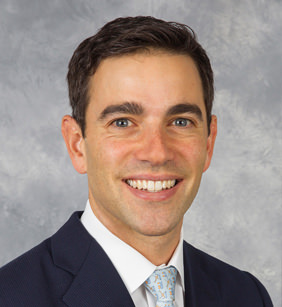
Jordan Solomon, executive vice president of MSG Sports

Jordan Solomon, executive vice president of MSG Sports, told AListDaily that witnessing the October 2016 LCS World Semifinals at Madison Square Garden first-hand played a major factor in the company’s commitment to esports.

“The fans are rabid and enthusiastic, and these are incredible events,” Solomon said. “As an organization, we’re always looking to put on and host iconic events at our venues and the esports tournaments and competitions are some of the more compelling up-and-coming events.”

MSG also owns the New York-based venues Radio City Music Hall and the Beacon Theatre, The Forum in Inglewood, California, The Chicago Theatre and the Wang Theatre in Boston. “We have looked for the last couple of years for how to get involved in this growing industry and saw esports events as a natural entry point into the industry,” Solomon said.

ESL and Riot Games have both used The Theater at Madison Square Garden for events, while Activision Blizzard used The Forum for last year’s Call of Duty XP. “With CLG, we saw team ownership as an attractive opportunity in a world where more esports leagues are going towards a franchise model,” Solomon added. “We see this franchise model as an opportunity where we can build off of our expertise,” Solomon explained. “But we don’t have expertise in selecting players and coaches and building out the infrastructure of a successful esports team. Partnering with CLG is perfect because that’s where they’ve been extremely successful.”

In addition to the Knicks and Rangers, MSG owns the New York Liberty (WNBA), along with two development league teams—the Westchester Knicks (NBAGL) and the Hartford Wolf Pack (AHL). Esports opens up a brand new and younger audience to MSG. According to research firm Newzoo, 285 million people worldwide watched esports events last year, and the majority of this audience are the millennial and Gen Z viewers sponsors are clamoring for.

“We don’t see a ton of overlap between traditional sports fans and esports fans,” Solomon said. “A lot of the folks coming to esports are people we have never interacted with in the past. It’s a different demographic, and that’s exciting because it’s a new way to introduce our venues, customer experience and brands to them. That’s why we’re always looking for the next set of live experiences.”

When it comes to brands and sponsors, Solomon sees esports as an unbounded opportunity. “We want to help connect both endemic and non-endemic—including our more traditional marketing partners—to the esports space,” Solomon said. “We have numerous partners across all of the traditional industries we’ve worked with for decades. They’ve come to us asking how they can get into the esports space.”

In addition to the CLG teams, MSG will also be involved in the debut of the NBA 2K ELeague next year through the Knicks. “We see all of these video games as entry points for our traditional marketing partners,” Solomon said.

He added that one of the current issues that still surrounds esports is that many traditional brands aren’t sure what they’re going to get when partnering with a young and inexperienced esports organization. That has lead to trepidation on esports teams being able to deliver on a brand’s marketing goals.

“We’ll help bring these deals to life,” Solomon said. “We have plenty of experience partnering with brands and connection with millennials across our events and teams. We’ve seen a lot of inbound interest around that notion since the CLG announcement.”

While games like Super Smash Bros. and Overwatch have attracted a more mainstream audience, NBA 2K has the potential to connect with an even broader audience.

“The 2K esports endeavor is really compelling for both existing NBA basketball fans and esports fans,” Solomon said. “It’s a way to engage with that audience on platforms that they’re playing on day-to-day—platforms they’re most familiar and comfortable with. The data in traditional sports would suggest there’s some shifting of viewership away from traditional channels to online streaming and following through social media. The NBA 2K ELeague and esports will help to satisfy that natural transition for millennials.”

Blizzard Entertainment recently told AListDaily that the new Overwatch League will open up regional and local sponsorship opportunities, as well as hometown fan bases.

“Our aspiration is for MSG to be a strong brand in New York and for CLG to be a New York esports organization,” Solomon said. “The initial reaction to CLG on social media from people who live in New York City has been that they want them to be their local team. We intend to invest meaningful time and energy to build out fandom and awareness here in New York City.”

Brands Champion LGBTQ Community With Long-Term Commitment To The Cause

For the LGBTQ community, the search for love and self-identity can be a battleground. Finding itself under political fire again recently, this group has received an outpouring of support from citizens and brands alike—but are well wishes enough?

With a combined buying power of $917 billion, it’s no wonder brands have made a concerted effort to connect with LGBTQ consumers for principle and profit. Sixty-seven percent of agency professionals believe that changing American values are causing brands to become more interested in corporate responsibility and values-based marketing.

Taking a stand on any hot-button issue is a risk for any brand, especially since 58 percent of consumers dislike when a brand gets political—but an authentic campaign can touch consumers of all orientations on a personal level.

While there are countless well thought-out and brilliantly executed campaigns for the LGBTQ community, these three were chosen for their authenticity and long-term commitment to the cause.

Wells Fargo—Standing Together

Background: Wells Fargo has been supporting the LGBTQ community for 30 years but for this year’s pride month (June), the bank wanted to do something different. “Stand Together” is a short film campaign that highlights four non-profits helping the LGBTQ community—Point Foundation, The Trevor Project, SAGE and GLSEN.

“Strategically we wanted to move beyond just a celebratory rainbow campaign,” John Lake, LGBT segment lead at Wells Fargo, told Adweek. “We wanted to go deeper and tell some real, authentic stories about some of the most vulnerable members of the community and really bring some awareness to the organizations that are addressing those needs.”

Why it was chosen: In marketing, the term “authentic” gets thrown around a lot, but consumers can tell when a social justice campaign is contrived. “Standing Together” offers hope to the LGBTQ community whether they are Wells Fargo members or not—showing support through stories that go beyond a PR statement.

https://youtu.be/KV2Kvjw1xoQ

Smirnoff—#LoveWins

In 2015, the US Supreme Court declared same-sex marriage legal in all 50 states and “Love Wins” became the battle cry for LGBTQ members and advocates everywhere. Smirnoff, a long-time supporter of this community, never stopped celebrating.

Smirnoff has introduced limited edition #LoveWins bottles in partnership with Sarah Deragon, founder of the Identity Project. Deragon’s photography project “seeks to explore the labels we choose to identify with when defining our gender and sexuality.”

The limited-edition bottles of Smirnoff No. 21 vodka feature photographs of real LGBTQ couples against a rainbow gradient tone. Each bottle, like each couple, is one of a kind. For every bottle purchased, Smirnoff will donate $1 to the Human Rights Campaign. The company is already taking submissions for next year’s #LoveWins couple photos.

“Our goal is to create more welcoming environments for the LGBTQ+ community across the US,” Smirnoff says on the campaign’s microsite. “Thanks for your support and friendship. When we stick together, Love Wins.”

Why it was chosen: Smirnoff wasn’t satisfied with just saying “Love Wins”—the company humanized the phrase with actual photos. These bottles are creating precious memories for the couples involved and sending a message to the community that they’re loved and accepted by the brand. That message is further backed by the HRC donation to help support the community in other ways.

Many consumers—especially millennials—make an effort to purchase from brands whose causes align with their own. A survey of 1,000 American adults by Toluna revealed that 45 percent of millennial consumers would be willing to spend time researching which causes a brand supports, and 47 percent would be willing to pay more for brands that pass the test.

Burger King—Proud Whopper

Background: In honor of the 2014 San Francisco Gay Pride Parade, Burger King changed the wrapper on its famous Whopper. Sold exclusively at the Market Street San Francisco restaurant, the “Proud Whopper” was identical in every way except for a rainbow-colored wrapper that read, “We are all the same inside.”

It was a bold statement that made headlines across the world. The campaign made some people angry and some customers cry with joy—but in the end, everyone knew that Burger King supported the LGBTQ community.

“The biggest risk is taking no risk,” Fernando Machado, head of brand marketing at Burger King US, told Which-50.

Proud Whopper won numerous awards and made another appearance for 2016 Cologne Pride in Germany.

Why it was chosen: Sometimes it’s the little acts of kindness that stick the longest. This campaign was chosen for our list because of its simple yet effective message that touched the hearts of many. The campaign earned over seven million views and 1.1 billion impressions within its first week alone. Three years later, people are still talking about Proud Whopper.

‘Galaga’ Game Goes To TV With Scripted Series

The Nuttery Entertainment has licensed Bandai Namco Entertainment’s classic Galaga arcade game for linear entertainment. The plan is to expand the 35-year-old brand across multiple platforms, including an animated series titled Galaga Chronicles.

Magnus Jansson, co-founder of The Nuttery, told AListDaily that the team they’re putting together for Galaga Chronicles have all had tremendous experience and success with creating extensions off of existing major brands.

“While The Nuttery is a new company, both myself and co-founder Erik Ohrner have worked with some of the biggest brands in the world across numerous projects,” Jansson explained. “Sometimes it’s been a great experience, other times it can be a bit harder. You’re essentially borrowing someone’s baby and you need to take the absolute best care of it.”

Galaga is the latest video game adaptation in Hollywood, which is also working on a Tomb Raider movie reboot, and films based on Watch Dogs, Tom Clancy’s The Division and an Assassin’s Creed sequel. Like the animated Sly Cooper TV series and Rabbids feature film, Jansson believes Galaga Chronicles has an advantage over live action.

“The biggest advantage is that animation/CGI is closer to what the audience is familiar with—you’re not straying too far from the source in terms of the medium,” Jansson said. “Things you can do in a game can seem far-fetched or even ludicrous in a filmed version, whereas monsters or magic or bug aliens seem totally legit when animated.”

Growing up in Sweden, Jansson logged a lot of hours playing Galaga alongside Kung Fu Master in his local bowling alley.

“It was a big part of my childhood and the same is true for a lot of people,” Jansson explained. “There is so much legacy and awesomeness in the name Galaga alone. We just want to have that feeling back, and hopefully, we won’t screw it up.”

Playing hours and hours of Galaga was a fun jumping-off point for creating a story around the IP.

“We tried to break down the core of the game—mechanics that are familiar and fun—elements that made Galaga unique,” Jansson said. “We also looked at the release and how and when people played it. We found a great core and essence that we’re now using as the kernel to build the story around. The story and the characters will be everything, no matter how great the visuals, and we’re very happy with what we have so far.”

Thus far, Bandai Namco has fully supported this vision. The Japanese game giant has previously worked with Hollywood in big-screen films like Pixels as well as the animated TV series Pac-Man and the Ghostly Adventures.

“We just have to be aware that we’re working with a brand—with and for an audience that has a relationship with it,” Jansson said. “So within those parameters, we have enough freedom to be able to craft something amazing with Galaga Chronicles. We have a close relationship with Bandai Namco and they’re definitely part of the process during the development.”

Jansson believes the global Galaga brand stands nostalgia and the childhood memories that are wrapped around it.

“It carries with it the feeling of simpler and fun time,” Jansson explained. “In today’s world, this is more true than ever—especially with the wave of the ’80s and ‘90s IPs being resurrected. The outpouring of love for the game from fans and gamers, and in some cases in terms of ‘please don’t [mess] this up,’ since announcing this project has been incredible. Galaga is truly a game that touched a lot of people.”

Jansson said the first installment in Galaga Chronicles will target gamers and original fans of the game.

“At the same time, it will be a kickass, standalone animated sci-fi series that everyone can enjoy,” Jansson said. “For players, and even those just familiar with the iconic ship—we want this series to be the backstory players of Galaga always imagined was behind those magical 112 pixels of space ship awesomeness.”

The Nuttery Entertainment is still finalizing the platforms and partners for this project, but Jansson said the company is taking a digital-first approach with online platforms.

“We also looked at Twitch and other emerging platforms as we’re putting together the best rollout for the project,” Jansson explained. “We have some partnerships that will give an idea of the multi-platform approach we’re taking that we’ll be able to announce shortly.”

Bandai Namco created a new game after Pac-Man and the Ghostly Adventures became a CGI television hit. Jansson said The Nuttery is definitely looking at those kinds of possibilities, but it needs to feel very natural.

SuperData: Interactive Media Will Reach $105 Billion This Year

The global interactive media market will reach $105 billion by the end of 2017, a 10 percent growth over last year, and it exceeds $100 billion for the first time. SuperData’s latest report, “Trends and Insights On Games and Interactive Media 2017,” reveals that the market covering video games, virtual reality and gaming video content will be more digital, virtual and female than one might expect.

“The modern gamer is more than the young male stereotype,” SuperData VP of research and strategy Stephanie Llamas told AlistDaily. “Women are becoming increasingly active on PC and console, making up two-thirds of those markets in the US.”

SuperData predicts that worldwide games and interactive media revenue will reach $168.8 billion by the year 2020, comprised mostly of digital game sales ($123.5 billion). Additionally, mobile revenue will increase by $6.7 billion this year while PC and console combined will add another $1 billion to the mix.

“Mobile titles cater to diversity by offering folks everything from hardcore gameplay to puzzles that help pass the time,” said Llamas. “In a culture where consumers want to customize all aspects of their entertainment, the massive portfolio of mobile games out there gives people even more a la carte options.”

Digital console game sales are expected to reach $3.7 billion this year, but SuperData says not to ignore additional content such as DLC and expansions. Additional content for games will account for a whopping $4.1 billion in 2017, according to the company’s calculations.

VR is finally emerging from of the “gap of disappointment,” says the report, with total earnings expected to rise 106 percent over 2016. Gaming is the primary use of VR, but the company says location-based experiences are gaining traction—serving as a gateway to adoption. Games account for almost 70 percent of virtual software revenue. By 2020, players will spend $4.5 billion on immersive gaming—more than 20 times what they do today.

Contrary to what you might think, not all game fans pick up a controller. Many enjoy watching someone else play due to a streamer’s skill, entertainment value or just living vicariously through a talented esports champion.

In fact, game video content (GVC) is the new TV. SuperData found that more people watch GVC than HBO, Netflix, ESPN and Hulu combined and the audience for this content is twice the size of the US population.

GVC viewers in the US are split 54/46 male to female, with an average age of 33 and average annual personal income of $58,000. Tuning in after work seems to be the most popular time to consume this content, with 22 percent watching game-related streams on weekday evenings. Gamers aren’t morning people, it seems—weekend and weekday mornings are the least popular watch times at four and five percent, respectively.

With such a wide variety of consumers engaged in the interactive entertainment market, it may seem overwhelming but SuperData is confident there’s a demographic for everyone.

“Since gaming has proliferated the mainstream, brands not only have a chance to access consumers inside the titles themselves but also through ancillary gaming media such as esports and online videos,” Llamas said. “From MMOs, which largely cater to young males, to the social casino games, which mostly attract mature females, games give brands access to any target demographic.”

IMAX, General Motors, Foxwoods, NHL’s Golden Nights Name New CMOs

Stat Of The Week: Nearly 75 percent of chief marketing officers believe their jobs aren’t designed to let them have the greatest impact on their companies, according to a new Indiana University study. The survey says CMOs are frequently suffering from having poorly designed jobs, accounting for why they have the highest rate of turnover among all roles in the C-suite. The study found that more than 40 percent of CMOs have been in their roles two years or less, and 57 percent three years or less.


JL Pomeroy, a marketing executive with 25 years of international experience in luxury, media, and entertainment sectors, has been named chief marketing officer for IMAX and will be assigned to lead the entertainment company’s global marketing efforts.

“IMAX is one of the world’s most recognizable brands. As we continue to innovate and invest in new content and VR initiatives, our brand must evolve to reflect these new business priorities,” said IMAX CEO Richard L. Gelfond. “JL has a strong creative brand vision and a passion for content creation. Her success as an entrepreneur with a unique ability to ignite change will strengthen our brand and further cement IMAX as the global leader in immersive entertainment.”

Prior to joining IMAX, Pomeroy founded JumpLine Group, served as publisher with Modern Luxury Media where she launched Front Desk Los Angeles and was Cartier North America’s vice president of sales and marketing.

“IMAX has been a trailblazer in entertainment technology for nearly 50 years,” said Pomeroy. “The brand has long represented the ultimate movie-going experience, and is uniquely positioned to become the leader in immersive content. I am thrilled to be joining this incredible company at such a pivotal time as IMAX continues to shape the future of entertainment.”


Molly Peck has been appointed chief marketing officer for General Motors’ Middle East division, where she will be responsible for customer experience strategies and marketing programs for Chevrolet and GMC brands in the 10 Middle East markets in which GM operates. Peck previously was the director of marketing for Buick North America.

“Providing a world class customer experience is paramount at GM which is why we have entrusted this to Molly. I have no doubt that she is ideally positioned to drive our projects to connect with customers in what is an important year for Chevrolet and GMC,” said Mario A. Spangenberg, president and managing director of GM Africa and Middle East.

“With the advancements we see on the product, technology and customer service fronts, it’s certainly an exciting time to be at GM Middle East,” Peck said. “I look forward to working with our teams and dealers to provide customers with experiences and vehicles that are truly world class.”


The Las Vegas Golden Nights, the NHL’s latest expansion team, has hired Brian Killingsworth as senior vice president and chief marketing officer. Killingsworth previously oversaw marketing and branding for two NFL franchises—the Tampa Bay Buccaneers and St. Louis Rams—and the Tampa Bay Rays baseball franchise before that.

“The fact is, he’s a brand-builder,” said majority owner Bill Foley, per the Las Vegas Review-Journal. “He helped build back the Rays and his NFL experience will come in handy as well. He’s a low-ego person and we were fortunate to get him.”

“It’s a marketer’s dream to launch something from scratch,” Killingsworth said. “Las Vegas has shown it is hockey-ready. This market is a lot deeper than I thought it was and we have a chance to do some exciting things.”


Univision has promoted Steve Mandala to president of advertising sales and marketing to oversee the company’s suite of media offerings, including the Univision Network, UniMás, and UCI’s cable networks, as well as local media and digital.

“Steve is an exceptional media industry leader whose reputation for being effectual and original precedes him,” said Univision’s chief revenue officer Tonia O’Connor. “His unique sales and marketing acumen and strong leadership has been instrumental in delivering UCI’s engaged audiences to our advertising partners across the portfolio.”

“I am honored to lead our remarkable UCI advertising sales and marketing team as our industry and our company continue to rapidly evolve,” said Mandala. “I have the utmost respect for the company’s ubiquitous, valuable brand and the service it renders to our growing audiences. As the industry continues to evolve and diverse audiences, including US Hispanics, influence our country and culture, UCI will provide unparalleled experiences for advertisers to interact with these consumers. We have the finest sales professionals in the industry and, as we work even more collaboratively across UCI, I am excited about the future before us.”


Foxwoods Resort Casino is looking to grow its market share outside of the Northeast, as they’ve hired Suzanne Trout as chief marketing officer. Trout will oversee player development, international marketing, loyalty marketing, entertainment, PR, brand and advertising.

“Suzanne Trout is a long-time resort casino industry pro with an exceptional marketing mind,” said Felix Rappaport, president and CEO of Foxwoods Resort Casino. “Suzanne is the right senior executive at the right time given her strong gaming and brand expertise as we continue to grow into a fully integrated resort destination.”


ABC Entertainment announced a trio of key marketing appointments. Rebecca Daugherty will oversee the department and has been promoted to executive vice president of marketing; Erin Weir has been promoted to senior vice president of marketing and strategy; Jill Gershman has been promoted senior vice president of marketing creative.

“As a leader in an industry filled with creative superstars, Becky has been at the center of many of ABC’s most successful and memorable marketing campaigns,” said Channing Dungey, president of ABC Entertainment. “She’s a gifted innovator whose keen ability to showcase our programs and talent across multiple platforms is especially assuring as we lead the charge into an exciting new season ahead. . . . I’m equally thrilled to promote Erin and Jill—two of our brightest marketing minds—to positions where they’ll be able to have an even greater impact on our future success. Bolstering Becky’s efforts by focusing on strategy, creative and operations, they complete an awesome trifecta of marketing leaders.”


Craig Coleman has been named vice president of marketing for the Interactive Advertising Bureau (IAB). Coleman, who previously led digital product marketing and client solutions for Gannett Digital and USA Today, will be tapped with harnessing data and analytics to drive the organization’s marketing efforts and to elevate brand messaging.

“Craig will leverage his extensive experience and skill set to drive deeper engagement with IAB members and widen our reach to the industry at large,” said David Doty, executive vice president and chief marketing officer for the IAB. “He is a proven communications leader, who has delivered quantifiable results for digital publishers. Moreover, he has a strong background in what’s required in successful marketing today, ranging from customer acquisition to branded content, social media and making the most of mobile.”


Former Hyundai executive Jochen Sengpiehl is joining Volkswagen Group as its head of marketing for its VW passenger cars brand. Sengpiehl returns to the car company after heading VW marketing from 2006 to 2009.


Bruce Wallace has been hired to serve as senior vice president and chief marketing officer of National Western Life Insurance Company.

“The company has a great foundation in annuity and single premium life sales upon which to build,” said Wallace. “The challenge and opportunity is the same—increase the flow of periodic premium from domestic life products. National Western Life is perfectly poised to accomplish this, and that is why I am excited about this opportunity.”


Lori Lee, AT&T’s global marketing officer, will now assume leadership of AT&T International in addition to her previous responsibilities, the company announced.


Ed Chang has been named director of business strategy for EA’s competitive gaming division. In previous roles, Chang was the EIR for eSports and gaming at The Chernin Group and is also the founder at basikz.co.


Rishi Chadha has joined Twitter to head content partnerships for Twitter Gaming.

Gale Force Esports (GFE) has hired Roger Caneda as marketing manager, where he will be tasked with overseeing their soon-to-be announced Counterstrike: Global Offensive team.

GFE CEO Freddie Crespo Jr. said, “I am very excited to bring on Roger as our CS:GO and marketing manager. We are excited to see his vision carried out for our content and marketing plans as well as for what we have planned for CS:GO. Roger will be a huge addition to an already growing GFE.”

Wizard World announced the appointment of Brian Walton to lead the company’s cross-platform editorial efforts as director of content to bring the brand’s voice to its global fan community via digital, video, print and live activations.

“From our social content to our conventions, we want our live and digital platforms to inform and entertain the fans. We will soon become the authoritative voice of fandom, and a daily presence engaging and interacting with the fans of all facets of pop culture,” said John D. Maatta, Wizard World CEO and president. “We are thrilled that Brian has joined us to launch some exciting new initiatives. Brian’s experience building brands and digital infrastructure will translate into the amazing avenues which Wizard World will soon explore.”


AwesomenessTV has a new head for its network in Bonnie Pan, where she will oversee programming and strategy for editorial and video content across YouTube, social video platforms and all owned-and-operated platforms, including Awesomeness News.

“AwesomenessTV has grown from a YouTube channel to a fully distributed media brand that has become synonymous with Gen Z, reaching millions across every major platform out there today,” said president Brett Bouttier. “With Bonnie’s programming and audience experience, we’re confident she’ll take the growth of our network brand even further.”


(Editor’s Note: This post will be updated daily until Friday, August 4. Have a new hire tip? Let us know at editorial@alistdaily.com.)

Job Vacancies 

Sr. Brand Manager Trion Worlds Redwood City, CA
Sr. Public Relations Manager Trion Worlds Redwood City, CA
Trion Worlds Redwood City, CA
VP, Brand Marketing TOMS Los Angeles, CA
Director, Marketing Sony Music Entertainment New York, NY
Director, Brand Management Warner Music Group Nashville, TN
Director, Strategic Partnership Marketing NBC Universal Universal City, CA
Director, Talent Strategy & Influencer Marketing Disney Glendale, CA

Make sure to check back for updates on our Jobs Page.

Unbranded Luxury Goods Give Consumers The Look Without A Label

Younger-skewing consumers are more interested in self-expression than labels, and experiences over things. It’s not just teenagers, however—a trend has emerged across generations in which consumers opt for replicating the look of the desired lifestyle rather than worry about fashion labels.

According to a recent report by VisionCritical, Gen Z respondents named “aesthetic” as the No. 1 thing they look for in the products they buy. Fashionable design matters to 67 percent, as well—more than any other generation.

“Consumers are becoming less focused on image and more focused on individuality—especially the younger generations,” Marshal Cohen, chief industry analyst at The NPD Group, said in a statement. “While the cachet of designer logos is still relevant for many, the days of consumers looking to be a part of a designer or brand movement are waning in favor of their desire to find the style and function unique to their personality and lifestyle.”

In the 12 months ending June 2016, a third of all designer handbags sold in the United States were discreet, in that they did not have prominent logos, NPD found. Baby boomers accounted for the largest segment of label-less consumers at 40 percent; teens and 20-somethings of Gen Z now represent eight percent.

Fashion magazines like Glamour and Hello! feature low-cost alternatives to celebrity looks for those who want the style without the price tag. The new Pinterest Lens, currently in beta, could take this concept to a new level of convenience. Users can simply take a photo of an item they like, and Pinterest automatically brings up similar items to browse.

A separate study by NPD found that 75 percent of all apparel purchases from April 2015 to April 2016 were from off-price retailers like Marshalls and T.J. Maxx. Consumers over the age of 45 represent more than half of off-price apparel buyers, NPD reported.

Woman shopping in store

Don’t weep for the luxury industry just yet, however. Management consulting firm Bain and Company predicts that the global luxury goods market will reach as high as €259 billion (roughly $307 billion) this year. Global management firm McKinsey & Company, meanwhile, notes that branded jewelry sales are on the rise. By the year 2020, 30-to-40 percent of jewelry sales will be of the branded variety compared to 20 percent in 2011.

In fact, young consumers aren’t afraid to purchase name-brand luxury goods if the look is right—especially when it comes to designer handbags.

Luxury brands are accommodating this “discreet chic” movement by making their label less obvious. Brands like Coach—famous for designs that center on its logo—are now offering less conspicuous options. Michael Kors uses distinct studs and grommets on his latest handbags instead of logos.

“Millennials have launched a movement of individuality en masse that is greatly influencing retail, including the fashion industry,” added Cohen. NPD’s report found that 81 percent of millennials said it was important to them that the logo on a handbag be subtle.

Like all fashions, the age of big logos may return. In the meantime, it’s all about the look—not the label.

3 Campaigns Inviting Fans Outside To Play

Experiential marketing can be an effective way of engaging fans at festivals, expos and other events through exclusive content. When a campaign ventures into the consumers’ own neighborhoods, however, experiential marketing becomes a game everyone can play. These kinds of activations engage consumers by making memories with them and giving them a sense of accomplishment for participating.

Grand Theft Peanut

Planters’ famous NUTmobile has been spotted in cities across the US over the last month, offering unique photo opportunities along the way. Promoted with the hashtag #PlantersRoadTrip, the campaign didn’t seem any different than previous cross-country treks for the giant peanut-shaped trailer—until it got “stolen” by Richard the Nutcracker.

A devastated Mr. Peanut has enlisted the help of fans across the country, inviting them to report sightings of his beloved NUTmobile through a dedicated tip line (1-800-970-6903). The marketing stunt has resulted in thousands of encouraging messages across social media as fans play along in the hunt for Richard.

Surveillance footage of the “theft” has been viewed over four million times on Facebook and a call between Mr. Peanut and Richard reached over 300,000 views within a few days.

The stolen NUTmobile turned photo opportunities into a nationwide scavenger hunt, with the prize being able to reveal where Richard showed up next.

Believe It Or “Nope”

Annabelle: Creation launches in theaters August 11, but fans can spot the haunted doll—or rather, 13 of them—a week early. New Line Cinema teamed up with the Ripley’s Believe It Or Not! Museum in New York City’s Times Square to hide 13 Annabelle replicas from Mezco Toyz among the exhibits.

Visitors will receive a special map of the location to aid in their hunt. Those who spot all 13 dolls will get the chance to win tickets to an advanced screening of the horror film. Select guests will also receive other Annabelle: Creation items and merchandise from Mezco Toyz.

Finding a collection of haunted dolls among Ripley’s unusual artifacts seems fitting and just creepy enough to get fans ready for a good scare. Although, if you find Annabelle in your home, you’ve got bigger problems.

A Puzzle Of Global Proportions

The Layton game series is known worldwide for its puzzle prowess, so ahead of the release of Layton’s Mystery Journey: Katrielle and the Millionaire’s Conspiracy, developer Level-5 created a new challenge—Layton World.

Dapper characters dressed in black began to appear at strategic locations around the globe every few days—each holding a puzzle. Sometimes they are live actors and other times, it is a photo. Hints to their location are given on social media through photos, challenging players to track them down in person.

Fans have been eager to find the locations as quickly as possible and share photos of each new puzzle as it appears. The Layton World web portal automatically translates messages so that everyone in the world can participate, transcending language barriers that would otherwise prevent such a campaign. The result is a global task force of puzzle lovers, each sharing clues, hints and interacting over their mutual love of puzzles.

Study: Engagement With Rewarded Ads Greatly Increases App Retention

With millions of apps at consumers’ fingertips, discovery can be a real problem for some developers, much less retention. Tapjoy’s latest report, “The Impact of Rewarded Ads on App Retention” found that under 25 percent of observed app users are still on board after one week, but a rewarded ad can change everything.

Rewarded ads, as their name suggests, are opt-in engagements that reward users for participating. Unlike distracting banner ads or pop-ups, players only see rewarded ads when they choose to, and they earn in-game perks just for participating. For example, a player may earn extra moves for watching a 15-second video or virtual currency in a messenger app by taking a brief survey.

Tapjoy sampled the behavior of more than 500 million app users worldwide across nearly 10,000 apps in April of 2016 and June of 2017. The mobile advertising and monetization company saw app retention rates drop to just 22 percent after one week of installation and only 12 percent after one month.

Users who watched just one rewarded video during their first week had a 30-day retention rate of 53.2 percent—an increase of more than 300 percent over the average. Amazingly, players who watched seven videos during their first week went on to have a 71 percent retention rate after 30 days.

Engaging in a full-screen interstitial (FSI) during an app user’s first week raised their 30-day retention rate to 52.72 percent—a figure that increases with the number of first-week engagements. Offerwalls—a section of qualifying offers for users to choose from in order to earn rewards—saw a 30-day app retention rate as high as 55.83 percent.

“Developers should use all of the tools at their disposal—in-app messages to video, direct play videos, push notifications to video, etc.—to make sure that players have the opportunity to complete at least one rewarded video ad at some point during their first week post-install,” Tapjoy advises in the report.

No one wants their mobile game session interrupted by annoying ads, and even game developers aren’t thrilled with the practice. Some 51 percent of game developers called ads “a necessary evil” in a recent survey, and only 17 percent see them as “worth it.”

Studies show that users find ads (of the rewarded variety) very worth it. In fact, NPD found that a majority of mobile game users prefer to earn in-game currency.

Several developers have found success using a rewarded ad monetization platform—so much so that players will complain if the ads cease to work. When Hyper Hippo launched rewarded ads in its game Adventure Capitalist, players were quick to report bugs because they wanted to take advantage of the offers.

“There’s no better to way to know that we did the ads well than to have people say, ‘Hey! We can’t watch your ads. Fix it,’” said the game’s producer Anthony Pecorella.

When Rovio removed rewarded ads from its game Angry Birds Transformers, the players were not happy. “There was a backlash from that community saying ‘give us back our reward videos,’” Rovio executive vice president Wilhelm Taht told Gamasutra.

Rewarded ads aren’t just for games, although the practical applications within that space are obvious. The new LiquidSky mobile app offers virtual currency through an offerwall, and Tapjoy recently partnered with the Line messenger app to service rewarded ads to its 220 active monthly users. Line users are now able to earn “Line Points” for free by engaging with advertisements. These points can be traded for premium in-app stickers, themes and other types of content on the app.

“Get [users] to complete at least one rewarded ad offer, and their chances of long-term retention will increase significantly,” Tapjoy states in the report. “The more ads they engage with, the more valuable they will become for your app.”

‘Agents Of Mayhem’ Promotions Go For Big Laughs

Although Volition has been around for over 20 years, making games such as Descent: Freespace, Red Faction and Summoner, the company is best known for the Saints Row franchise—which grew from being perceived as a Grand Theft Auto clone to a game series with a unique identity.

That identity includes a hilariously over-the-top style that often parodies pop culture and other popular game franchises like Mass Effect. The games are set in an open world playground where players are encouraged to run wild using special powers and absurd weapons such as the Dubstep Gun, which literally fires deadly tunes. Now Volition is ready to branch off with its newest game, Agents of Mayhem, which releases August 15.

Although Mayhem doesn’t bear the Saints Row name, it is a direct spin-off from one of the Saints Row: Gat Out of Hell endings, where God decides to create an alternate universe in which the Saints never meet. In Mayhem, players must choose between 12 different agents—each with their own personalities, abilities and weaponry—to form a three-person squad and fight an organization called Legion.

Will Powers, senior manager of marketing and communications at Deep Silver

Will Powers, senior manager of marketing and communications at Deep Silver, explained to AListDaily how the differentiating factor between the Saints Row and Mayhem came down to gameplay.

“A Saints Row game has cooperative play and custom character creation. Mayhem purposefully doesn’t have those things—it’s brand new and is its own thing,” said Powers. “The best way to describe it is that Saints Row is a parody of pop culture, where Agents of Mayhem is meant to be a comedy of comic book culture. Think Marvel’s Agents of S.H.I.E.L.D., Deadpool, Suicide Squad and so on. So, it made sense to make it its own thing.”

However, Mayhem is a Volition game, and that means players can expect an open world playground where they’re encouraged to make a variety of choices, especially when putting together their squad of agents. “These games are about having fun, so we want players to experiment and tweak their agents the way that they want,” said Powers. “That’s where we see the stickiness for these types of games—people get attached to making these characters their own.”

Converting Saints Row Fans

Powers admitted that the fan base was probably surprised when Agents of Mayhem was announced last year because they were expecting Saints Row V. But Volition likes to keep people on their toes, and Agents of Mayhem allowed them to start a brand new universe. So, the first challenge was to bring Saints Row fans over to the new game so that they would become its biggest advocates.

“We had to speak in their language, and that means giving them a reason to care,” Powers explained.

Deep Silver realized that players didn’t yet care about the Mayhem agents nor did they know exactly what the game was. So, the publisher made a point of showing the humor and drawing parallels to the Saints Row universe to establish it as part of the Volition brand.

“One key pillar of the campaign was subtly convincing Saints Row fans that they weren’t Saints Row fans—they’re Volition fans,” said Powers. “A tactic we’ve been using in our marketing, without overtly hitting people over the head with it, is putting Volition’s name more front-and-center. Once they become Volition fans, they care about everything the studio does, and that’s a huge shift. Rather than caring only about a single IP, they care about everything the studio puts out. That leverages the studio’s social, its weekly Twitch streams—everything. Fans care about the individual people there instead of the characters in an individual game.”

Leveraging Laughter

After leveraging the Saints Row fan base, the next step was to expand beyond it and establish Volition fans through Mayhem. The one thing Volition had to avoid was having Mayhem be compared to franchises such as Grand Theft Auto, which was a perception that hurt some of the early Saints Row games. To that end, laughter may be the key to success.

“There has been a significant tonal shift in the types of products that have been releasing lately, and that’s where we saw an opportunity during the campaign,” said Powers. “A large concentration of games are taking on very serious subject matters. Apocalyptic games like Nier: Automata and Horizon: Zero Dawn—they’re very good, fun games about very serious subject matters. These aren’t games that you’ll be laughing at constantly and although these games are of all different genres, we saw a kind of tonal fatigue for serious games.

“I think that between the political spectrum and everything, there is an opportunity to make people laugh. Comedy is thriving—especially in the late night TV world—right now, and people are starved for content in the gaming space that will allow them to laugh and relax instead of coming home from a serious day at work, seeing serious news and playing a serious game. That’s opened up an opportunity for us to come in and hammer our unique tone and why Volition has always created games that are over-the-top and crazy—they’re fun, but not meant to be taken seriously. That’s the market we see as a huge growth opportunity for this game.”

The Leaked YouPorn Video

One Agents of Mayhem promotion included a leaked game video on the adult video site, YouPorn, which was an idea Powers came up with. It took months of planning with lawyers and Deep Silver’s CEO to make it happen, but an in-game cutscene featuring a character named Hollywood (an ex-reality TV star turned Mayhem agent) was hosted on the adult site as a fake sex tape called Deep Under the Cover. It was followed by a humorous press release that addresses the leak, with lines such as:

Judging by the curvature of his buttocks at 1:12 seconds and the angle of the money shot, that is, the shot where the male actor on screen is literally wearing a bag of money around his junk, it is impossible to tell if that is my client on screen and ask that the public give him the benefit of the doubt until things firm up and the facts become rock solid.

“I want everything that I do in marketing to come from a game perspective,” said Powers, discussing the YouPorn activation. “What I mean by that is that I’m not going to market something that’s not in the game. I don’t feel like it’s genuine marketing and that you’re being disingenuous to the product if you’re not marketing something that’s not representative of the product. So, this wasn’t even a trailer—it’s an unedited in-game cutscene that we leaked.”

The idea was to get people outside of the normal communication channels talking about the game, with the joke being that a tame and humorous video (it’s also hosted on YouTube) can be found on a not-safe-for-work site. Additionally, the press release links to a download URL on YouPorn so that viewers can watch the video without having to visit the adult site.

Regardless of what people might think about pornography, the fact of the matter is that sites like Pornhub get over 100 million unique visitors per month. Furthermore, some adult sites have tried to establish themselves more like everyday brands. YouPorn in particular has done esports sponsorships in addition to other, more tongue-in-cheek, marketing campaigns.

“That target demographic aligns perfectly,” said Powers. “Their ComScore is better for our target demographic than IGN, and that’s no joke. So, we looked at how we could communicate with those people in a way that would be genuine to the product and wouldn’t feel like marketing like a side banner would.”

The YouPorn partnership, which was a free marketing opportunity, was a huge success. The Agents of Mayhem video ended up on YouPorn’s homepage within one hour of being posted because so many people watched it.

However, Powers explained that Deep Silver had to walk a fine line and make sure that it didn’t follow the same marketing campaign as Saints Row: The Third, which was originally published by THQ.

That game included the voices and likenesses of real porn actresses, and its marketing was about the adult entertainment industry, complete with a porn star car wash at E3. That wasn’t a campaign Deep Silver wanted to be associated with, so it had to figure out a way to speak to YouPorn’s audience “in a contextual way that made sense using content that was already in the product without being sleazy,” said Powers. “That’s a very difficult thing to do, and it’s a calculated risk in positioning the product, but we saw the reward as being way higher than the risk.”

Although Powers couldn’t yet get into specifics, he indicated that audiences should be on the lookout for a different kind of leaked tape to hit the internet sometime in the near future.

Creating An “After Hours” Fan Base

Image credit: Claparo-Sans

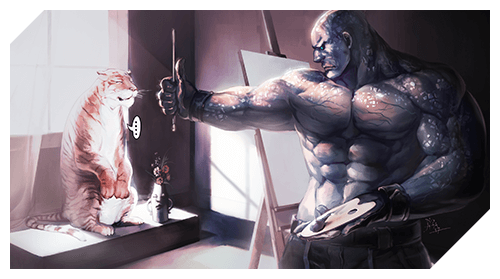
Tamer promotions include a partnership with DeviantArt to put together Agents of Mayhem: After Hours. In it, artists created images based on what they thought each Mayhem agent did in their spare time. For example, one likes to draw live portraits of tigers, and these stories may become part of the game’s lore.

“It goes back to giving people a reason to care,” said Powers. “We wanted people to see the characters’ personalities outside of what was projected through trailers and we wanted artists to create even more of a backstory. Seeing these characters from an artist’s and consumer standpoint leads to a couple of things. It becomes a curated focus test of how people are viewing these characters and if one is resonating more than the others, which could lead to the most iconic piece in our campaign.

“It also engages the most hardcore fans. When you get people to create something and then bless it as canon, that gives them a huge emotional attachment and reason to care about the project. They’ll become people who will evangelize your product. The genuineness of these advocacy programs is worth its weight in gold.”

Perhaps the biggest challenge in marketing a game like Agents of Mayhem is that there are so many aspects to it that it’s difficult to hone in on specific parts and communicate them in coherent ways without spoiling the plot. Powers said that Mayhem is about 50 percent bigger than Saints Row IV.

“If people just see one beat like a leaked sex tape or fan-made artwork, they might be confused over what the game is about. But it’s a good problem to have if they’re asking the right questions and want to learn more after seeing them.”

Tesla’s Tantalizing Marketing Tactics Keep Its Cars In High Demand

Production for Tesla’s Model 3 is now underway, but you won’t see it humming down the road in a TV commercial anytime soon. That’s because Tesla has always relied on word-of-mouth and exclusivity to keep its electric vehicles in high demand.

Elon Musk’s brand of environmentally friendly, IoT-enabled vehicles makes headlines and starts conversations just fine on its own—but that doesn’t mean Tesla just sits back on its laurels. The company’s mission to reduce air pollution and reliance on fossil fuels has become a marketing campaign in itself from transportation to solar energy.

“Tesla’s mission is to accelerate the world’s transition to a sustainable energy future by creating products that are so compelling, there is no alternative,” the company writes on its official site.

While Tesla has often been admired for its “$0 marketing budget,” that’s not entirely true. According to the company’s annual report last year, Tesla spent $48 million on “marketing, promotional and advertising costs” in 2016. (Editor’s Note: AListDaily reached out to Tesla for an interview to discuss their marketing strategy, but the company declined.)

“Historically, we have been able to generate significant media coverage of our company and our vehicles, and we believe we will continue to do so,” Tesla stated in its report to the IRS. “To date, for vehicle sales, media coverage and word of mouth have been the primary drivers of our sales leads and have helped us achieve sales without traditional advertising and at relatively low marketing costs.”

They are also putting the fans to work. Consumers across the globe have been happy to create spec commercials over the years without prompting from Tesla, but this spring, they received extra motivation. At the suggestion of a fifth grader, Tesla held “Project Loveday,” a contest for the best fan-made commercial. Hundreds of entries were received, which the company narrowed down to 10 finalists. The winner, YouTuber Marques Brownlee, was crowned the winner and will be flown, with a guest, to a future Tesla unveiling event.

Tesla taps its most valuable resource—its fans—to convince people to invest upward of $90,000 in a car. While print ads and TV commercials certainly reach their audience, referred customers are 18 percent less likely to churn, according to a study by Extole. These referrals are estimated to be 25 percent more profitable over their lifetime and between four-and-five times more likely to refer additional new customers. And refer, they do. Tesla’s popular referral program earned an impressive 40-times ROI in the fourth quarter of 2015 alone.

While Tesla does, in fact, spend money on its marketing, investing in its employees, standing for what they believe in and rewarding its fans have been much more profitable than traditional ads—and that’s still pretty cool.

As a member of the Presidential Advisory Forum, Musk is not afraid to speak out against social issues such as immigration bans and global warming—and that is a driver of sorts for brand lift and perception. A company’s position (in this case, Tesla or SpaceX through an extension of Musk) on social and political issues is a major driver for 57 percent of the world’s consumers, who will either buy or boycott a brand, according to an Edelman study.