ComplexCon Looks To Capitalize On Millennial Consumers

ComplexCon returned to Los Angeles for the second consecutive year with a two-day consumer show that mashed a mall, hip-hop festival and art and fashion show all into one.

The jam-packed floors of the Long Beach Convention Center served as a convergence for bleeding-edge and mainstream culture, music, fashion, entertainment, sports and art, giving brands and marketers alike a unique playground to experiment with a diverse core group of trend-conscious consumers. Part commerce, conference and concert, ComplexCon was grounds for consumers to congregate and swoop exclusive drops for their own collection or to resell later.

“If you want to be a part of culture and see what’s going on with millennials, this is the place to be,” Patrick Buchanan, global marketing director at K-Swiss, told AListDaily. “We’re all about the next generation of young hustlers and go-getters—and here is where all those people are. It’s inspiring to be a part of this.”

Buchanan said that ComplexCon, founded by Complex Networks founder Marc Ecko, is different from traditional trade shows because it’s designed for the consumers rather than industry executives. The show also taps into a demanding market that is somewhat underserved.

“Entrepreneurs like these attendees are the new heroes, and we fully support that,” Buchanan said. “The sneaker culture is a huge imprint on popular culture. It’s a cool venue for a brand like us to show up and share what we’re working on, launch something new and reach fans in exciting ways.”
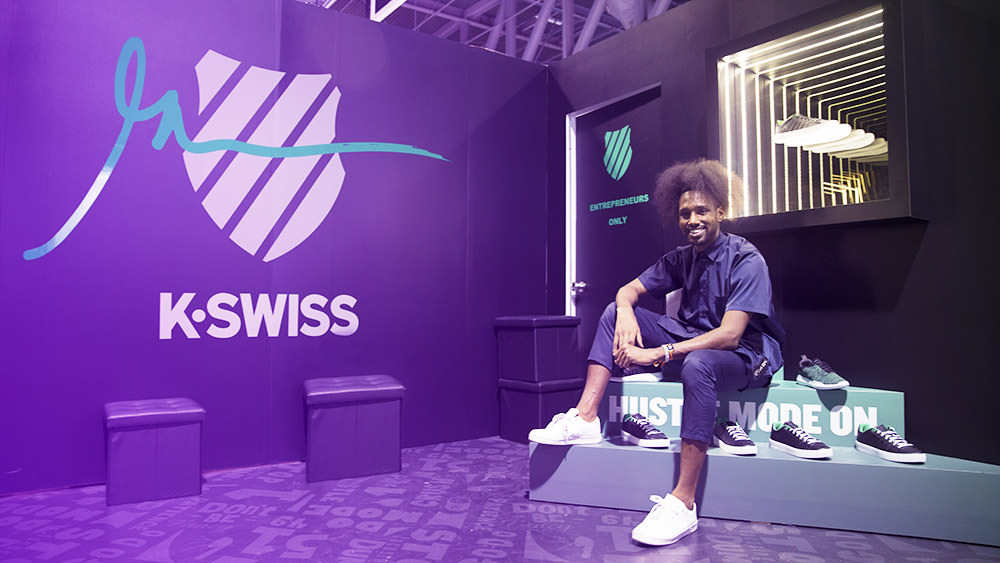
Buchanan said the event allowed his team to re-introduce the popular ‘90s brand with those who might be lost in today’s millennial mindshare. K-Swiss tapped into the entrepreneurial zeal of the show by debuting a signature sneaker with businessman Gary Vaynerchuk as part of their brand campaign “Generation K.” Buchanan also used the forum to further the company’s content marketing efforts by recording episodes of their podcast “CEOs Wear Sneakers.”

Consumers at ComplexCon, who all appeared as though they were under the age of 35 and came from all walks of life, seemingly were eating up all of the activations as they shopped shoulder to shoulder. Much like they do for shoe drops, consumers slept outside the night before the show opened its doors and swarmed in before doors were officially open Saturday morning. Lifestyle and retail store Undefeated may have very well taken its first ever loss when an army of attendees forced the brand to shut down its space due to safety concerns. Demand for some brands was that high.

Nike tapped into that culture and craze by celebrating the 35th anniversary of the Air Force Ones with a workshop that put the creativity keys in the hands of the consumer. Sneaker aficionados were able to customize the classic white sneaker on the spot with an array of options provided by Nike for their own one-of-one shoe.

“Consumers are really interested in being the designers for their own footwear more than ever. A workshop like this is unique—the Air Force One becomes the canvas,” Jenna Golden, Nike’s director of North American communications, told AListDaily. “The energy level was great within our space. We focused our marketing on the young consumer to bring the legacy of Nike and the Air Force Ones to life.”

Nike also reached shoefiends outside of ComplexCon through its Nike SNKRS App by leveraging the camera experience to allow fans to purchase one of the five shoes that were dropped at the show.

“We wanted to celebrate the culture of sneakers, and ComplexCon is the perfect forum to do that,” Golden said. “We took it to a next level this year.”
ComplexCon certainly was not short on star power. A small sample of the who’s who that attended the show to speak at panels, partake in brand activations or surprise fans with impromptu performances included Kendrick Lamar, Kobe Bryant, Pharrell, Usher, Rick Ross, 2 Chainz, Migos, Ludacris, Steve Aoki, Michael B. Jordan and Jaden Smith. Dozens from rap royalty, including DJ Khaled, Gucci Mane and N.E.R.D., headlined the live music portion of the festival.

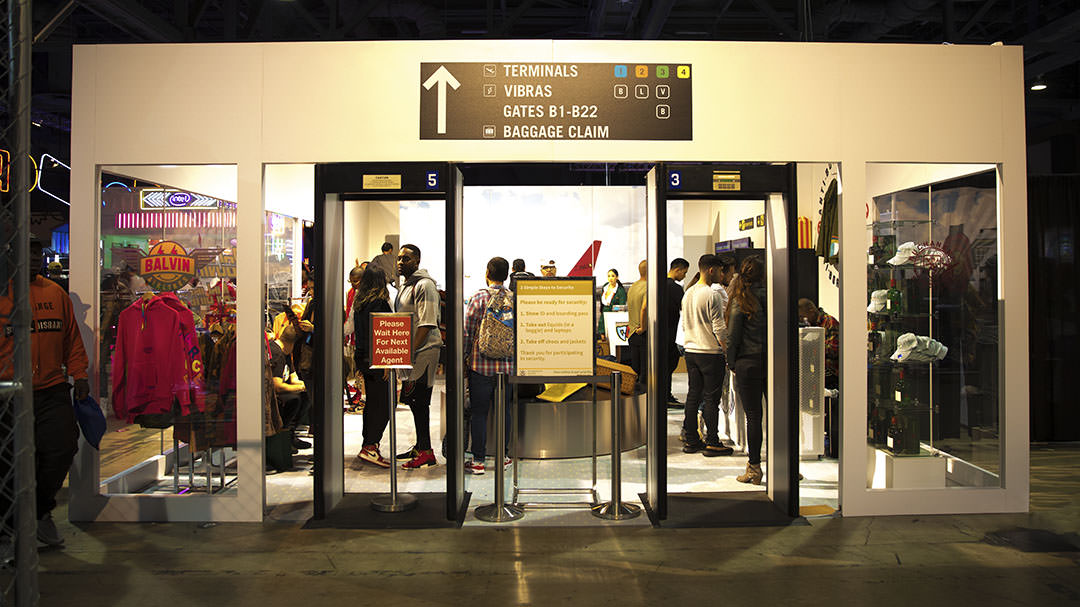
J Balvin, owner of the global hit song “Mi Gente,” was one of the many artists on hand furthering ongoing ambassadorships with brands. The musician partnered with whisky-maker Buchanan’s for an airline-and-terminal inspired product-and-clothing activation.

“Buchanan’s and our team are making a real movement right now with fashion collaborations,” J Balvin told AListDaily as fans purchased Kappa and MCM products adorned with his name. “Everything is for the culture . . . I just want people to feel cool and comfortable and be unique.”

The collaboration furthered Buchanan’s “Es Nuestro Momento” (It’s Our Moment) marketing campaign with the Colombian artist.

“Our space was a perfect opportunity to spotlight up-and-coming Latino designers and artists and support Jose [Balvin] too,” Tara King, senior brand manager at Diageo, the parent company of Buchanan’s, told AListDaily. “For Buchanan’s, our positioning is staying true to our cultural roots. We’re natively a Hispanic and Latino brand and have always resonated with that consumer group. Jose supports us, and we support him with a lot of co-branded products. We’re always aligned together, and ComplexCon is a great place to bring that to a mainstream audience.”

The convention was not only limited to big box brands. In addition to Adidas, Guess, Ugg, G-Star Raw, Urban Outfitters, PacSun and New Era, emerging marques like the Big Baller Brand, Billionaire Boys Club, The Hundreds and countless other vendors welcomed new and returning fans to their spaces. The likes of Giphy, Shopify, McDonald’s, Intel, Postmates and eBay were some of the exhibitors powering brand experiences more than products.

Rajeev Puran, Intel’s director of client VR business development and strategic partnerships, told AListDaily that ComplexCon served as a great place for them to share stories of how their technology powers innovation used by artists and fashion companies.

Intel furthered its brand storytelling by immersing attendees in the world of Linkin Park through One More Light, a new VR experience from Spatialand and Intel.

“We go through dynamic shifts—there is going to be needs to use tech in new ways that’s never been thought of before in music, art and lifestyle,” Puran said. “Intel’s tech sits inside of those things. From a branding perspective, once we market to passing consumers, it then starts to click that ‘Intel is an ingredient company.’ We’re trying to show it’s not about nerdy tech, but getting out there and reaching a customer base that normally wouldn’t know about Intel, or what we do.”

Ariana Angrisani, senior marketing manager for Authentic Brands Group, told AListDaily that ABG brought brands like Airwalk, Vision Street Wear and Tretorn because they wanted to reach a consumer who was in the market for something limited.

Tretorn looked to accomplish that by debuting 100 pairs of “Candy Cane,” the first-ever footwear collection by André 3000.

“In this day and age there is so much going on in the sneaker world—it’s a sensory overload. There’s a lot going on at ComplexCon, too, but you have a niche audience with a purpose and a focus that you could be reaching,” said Angrisani. “The biggest way to do that is with collaborations and trying to give consumers something new and different.”

Angrisani said the show is not about sales and key performance indicators for ABG but more about building awareness and relationships with consumers within the specific demographic.
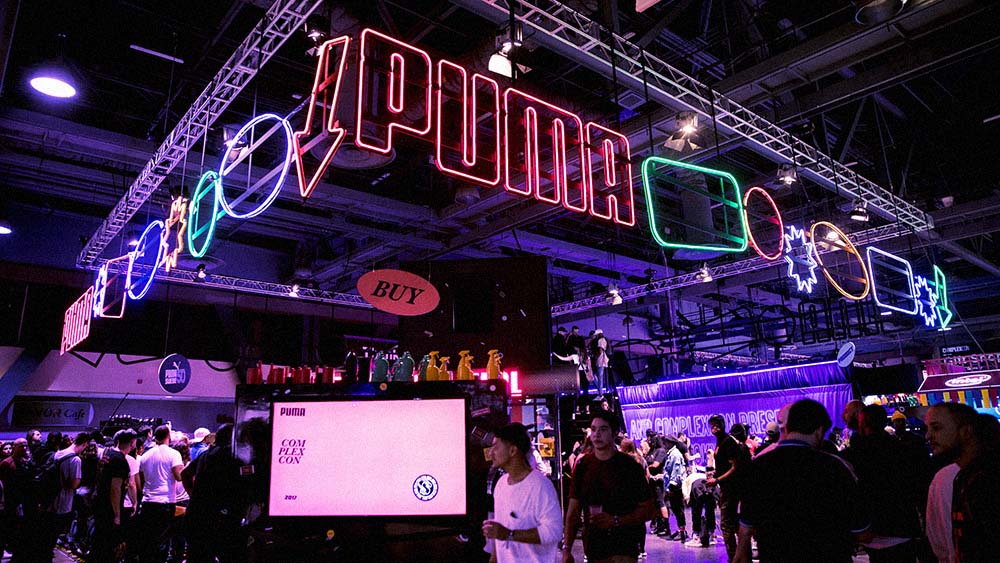
Allison Giorgio, Puma’s vice president of marketing, shared the same sentiment as the brand announced a creative collaboration with Big Sean celebrating the 50th anniversary of Puma Suede.

“It’s a good opportunity for our brand to not only provide great products, but also give back to the community,” Giorgio told AListDaily.

Puma marketed the core group at ComplexCon by offering six fans contracts to separately work with the brand moving forward in various creative verticals.

“We try to have a mix of great brand partners and product that attracts consumers, and offer them the opportunity to lend their talent back to us,” said Giorgio. “As a brand, we’re looking to resonate with millennials.”

PlayStation’s Strategy For PSVR In 2018: Getting Consumers To Try It

PlayStation VR (PSVR) cornered the console virtual reality market when it launched last September, selling over 745,000 headsets in its first quarter and 1.3 million as of October 1, according to SuperData.

Mary Yee, vice president of marketing for PlayStation told AListDaily that they’re just getting started.

“Overall, I feel like we’re just at the beginning,” said Yee. “We’ve had a phenomenal start in the first year. We expect it to continue with the amount of content that’s coming to the platform and how we’re marketing. We’re continuing to get excitement and support from gamers about the products and I think the future looks bright. It is something that we are very invested in for PlayStation.”

PlayStation launched a new PSVR campaign called “Feel Them All.” The campaign’s videos employ imagery like a beating heart, goosebumps and a dilating iris to illustrate “feeling” a video game rather than just playing it.

“We’re thinking about how we distinctly talk about the VR experiences,” said Yee. “This new campaign really focuses on sensory experiences and transporting you in a different way than a non-VR game does.”

According to Yee, PSVR currently has over 100 games. Between now and 2018, the company plans to release more than 60.

Allowing consumers to try PSVR before they buy is a major part of PlayStation’s marketing strategy, said Yee. Demos will be available at GameStop and Best Buy locations, in addition to trade shows and fan events like PlayStation Experience (PSX) in December.

“[PlayStation] is investing in demos knowing those types of experiences will change someone’s perspective, not only of VR, but of the industry and the innovation that’s coming. We want to get as many consumers to try the product as possible so they really understand this new technology. Getting more interested gamers exposed to it would not only be good for us, but for the industry.

“Accessibility of the product is important. With any new technology as big as this, you really have to try it to see how transformative it is,” said Yee. “We’re really making it a 360 approach to talk about VR, how consumers experience it and—the really important thing—the number of games coming to the platform.”

In addition to the “Feel Them All Campaign,” the November 17 release of The Elder Scrolls V: Skyrim VR will be a big push for the brand into the holidays.

“Another thing we did in year two is add the camera to our bundle, so it really increases the value of our entry-level bundle, lowering the price entry for someone who has a PS4 but doesn’t have a camera yet and is interested in VR. We want as many people to try it and feel like they’re part of it because it is the first of its kind,” said Yee. “You really have to try it and experience it. I think the future looks bright for us and for what I know is coming for the year.”

Monster Energy’s Marketing Mantra Is All About Experiences

Monster Energy’s marketing and positioning has been somewhat of a marvel to witness ever since cans of the sugary substance hit the hands of consumers in 2002.

During its ongoing 15-year battle with Red Bull as the most relevant energy-drink company on the global market, Monster became a near-$30 billion behemoth with a marketing model mostly devoid of paid media, ad buys and creative campaigns across all platforms.

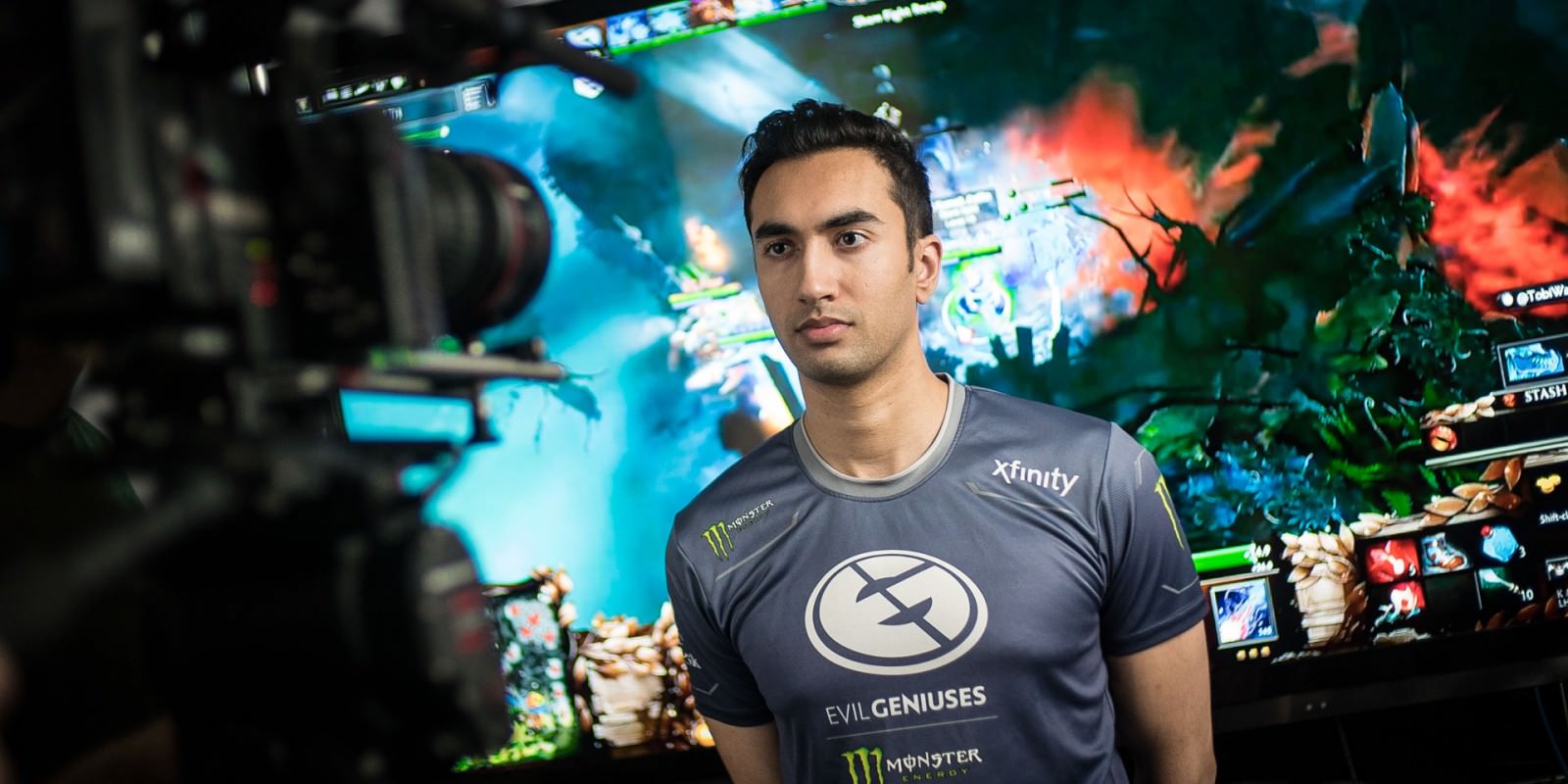
What it did was build messaging by bringing unique experiences and content within their marketing pillars of action sports, music, esports and gaming as well as the ubiquitous Monster Girls. The publicly traded company complemented the move with an edgy and aggressive image to boot.

Hush executives rarely engage with the press to discuss its products or even promote its “unleash the beast” proposition, so when AListDaily sat down with Marianne Radley, senior vice president of marketing for Monster Energy, the first sentiment shared was that the conversation itself was an anomaly.

“We’re very hesitant about doing interviews for no other reason than focusing on building the brand one can at a time with intimate consumer connections,” Radley told AListDaily. “Our marketing has always been very below the line. We’re mindful of that, so we try to keep our time with the press minimal just so it doesn’t look like we’re pushing so much in your face. Everything we do is genuine and sincere, and we try to keep that for all points of communication.”

Once the conversation can was cracked wide open, Radley said that in order to connect with their core consumers and yield the endless emotional engagement that they’ve capitalized on, it’s all about identifying the correct audience—which for them is 18-to-30 year olds—and bringing them unique experiences.

“We’re a lifestyle in a can. It’s about creating emotional connection, excitement and energy, and living in that space,” Radley said. “Our brand message is always going to be found in our core pillars—that’s not going to change as we expand our portfolio to address the consumers’ changing taste palette.”

It appears to be working. Loyalty and love behind the rebellious brand is so strong that consumers regularly send pictures of discernible neon-colored green M Claw logo tattoos permanently inked on their bodies.

“That’s the kind of connection people have with our brand,” Radley said. “You’re always thinking about what’s creating push and pull when it comes to marketing. For Monster, it’s our unique proposition. Everything about our marketing is intimately driven with one-on-one conversations with fans and consumers.”

One of the key consumer verticals Monster maximizes on is gaming and esports by focusing more on the athletes and teams and less on leagues. The move helps Monster globally identify the emerging games and top players it needs to be involved with. For them, that means more than writing a check and having someone wear the logo. Radley said she’s getting up to speed herself and learning as well, partly being educated by her marketing team and teenage sons.

“I’m much older than our demo. The passion, excitement and energy that exists for gaming is amazing. It’s alive, exciting and completely different from my expectations,” Radley said. “I’ve had the pleasure of seeing tournaments in China, and it’s just a natural fit for Monster to be there. The whole building is full of energy . . . We want to partner with someone who embodies the brand image well. We’ve got gamers so entrenched in it, they’re able to find the right people to make associations with.”

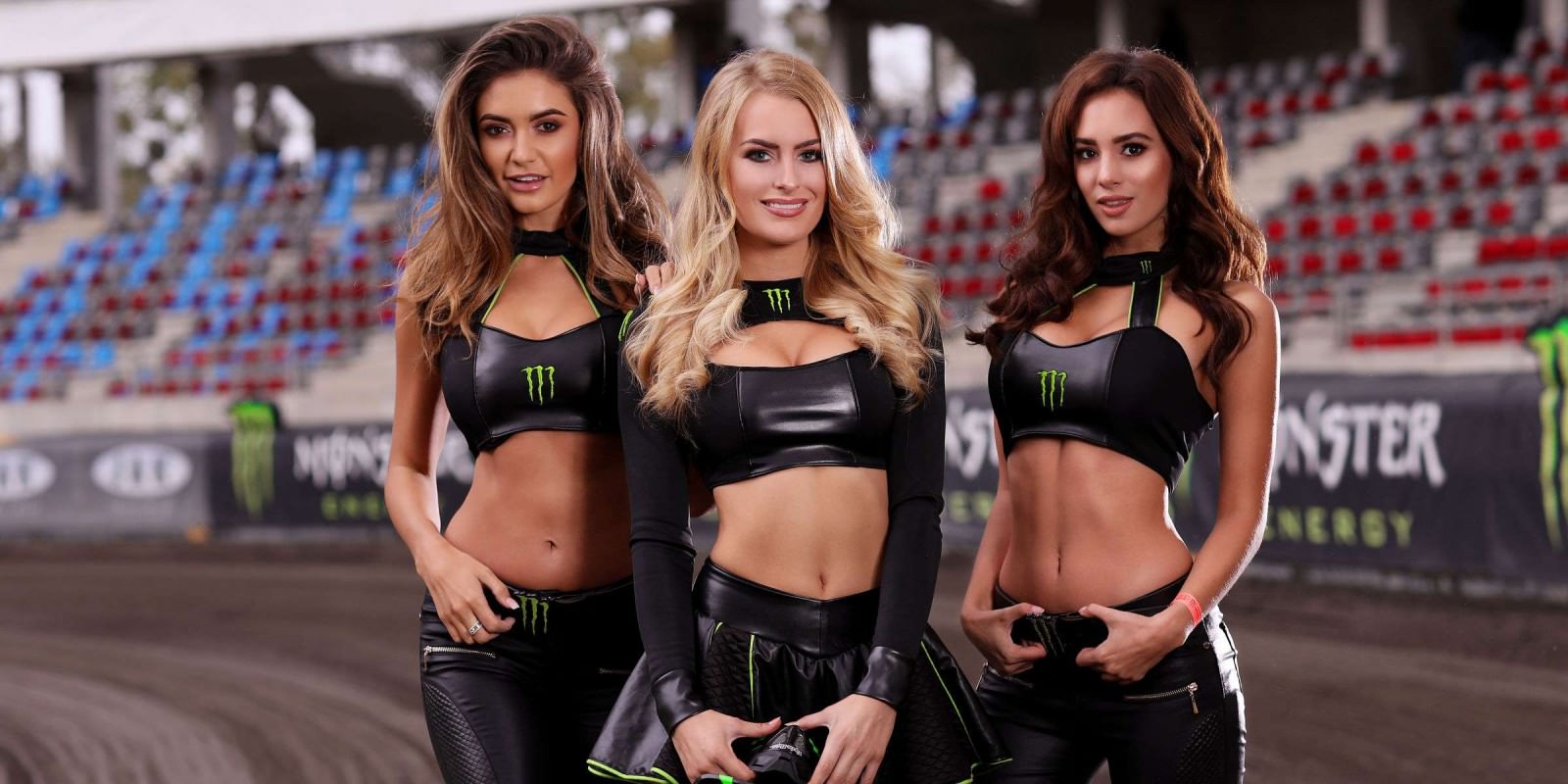
In addition to gaming, Monster also maintains an edgy positioning with the Monster Girls. Although the ladies have drawn public ire for their revealing looks in the past, they remain an integral part of building brand awareness and fan engagement.

“When you put Monster next to any other consumer product group, what we do very well is experiential marketing and fan engagement activations at events,” Radley said. “The Monster Girls are beautiful, smart, energetic, edgy—they’re everything that Monster is. Sometimes there’s controversy, but our brand thrives on that. That’s part of our core, and we don’t shy away from it.”

Radley says they excel in those kinds of environments because they are also bucking the system.

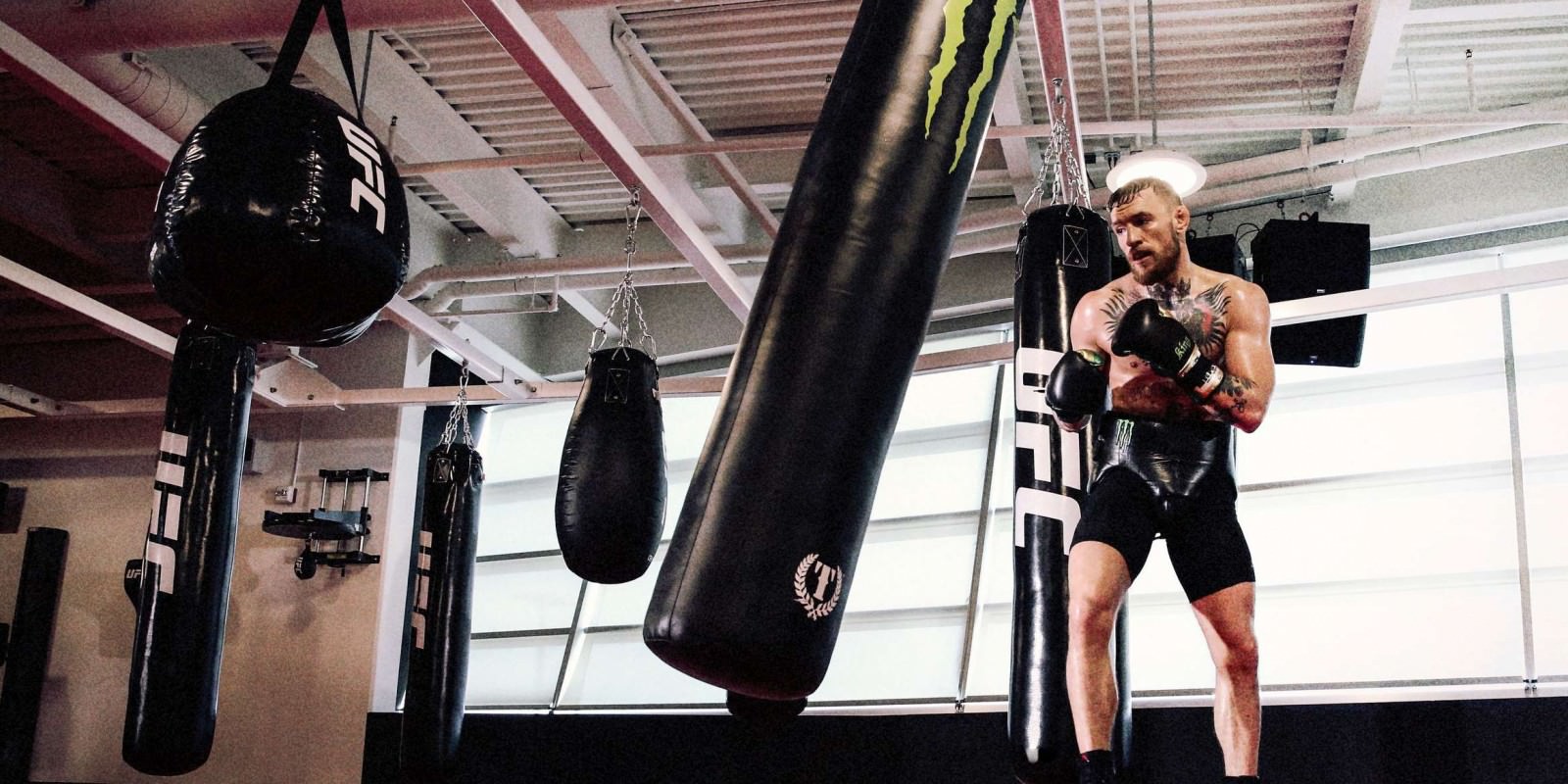
They furthered the brand’s “bad boy” image by rejoining forces with UFC superstar Conor McGregor. For the promotion of the Floyd Mayweather-McGregor mega fight in August, Monster renewed its relationship with the MMA star and strayed from their everyday marketing strategy by embracing paid media with a 360-degree digital plan pushing content across various social channels, fight-viewing parties, retail tie-ins, point-of-sales and sticker-and-jersey giveaways. Radley said landing the partnership, which was highlighted by a commercial and the M Claw logo on McGregor’s shorts on fight night, was like “winning the lottery.”

“We almost never do above-the-line media buys. We’re not a brand that does commercials,” Radley affirmed. “We’ve been involved in combat sports for a long time, and Conor has been a perfect embodiment of everything that we think about our brand. For us, it’s about harnessing and maximizing the association of our brand with Conor and leveraging partnerships and associations with bottlers and retail partners across all platforms globally.”

Radley spoke favorably of Monster’s new product development team and innovations department that helps facilitate its experiences. Monster’s expanded caffeinated portfolio of late includes Monster Green, Ultra Line and the zero-sugar Ultra White.

“It’s an interesting conversation with our bottlers because our marketing is so much different than what they’ve done before . . . I think if you look across the broad spectrum of energy-drink companies, we really are the leader in driving innovation,” Radley said. “It’s not changing our messaging, it’s understanding who our customer is, the changing landscape and offering a broader range of products to them.”

Whether it’s shining the spotlight on up-and-coming artists before they’ve become household names with the Outbreak Tour or continuing to champion motor sports, skateboarding, surfing and snowboarding, Radley said Monster will always have the consumer along for the ride.

“It’s a very easy conversation to have when you’ve got a brand with such imagery and passion packed in a can—it speaks to people. It all fits in,” she said. “It’s not just about the drink, it’s about the unique experiences, it’s about the energy, the emotional connection to the brand and learning from that. It’s getting yourself out there. We take them on a learning journey, and they become believers in the brand.”

Movember Mastermind Discusses Brand’s Evolution

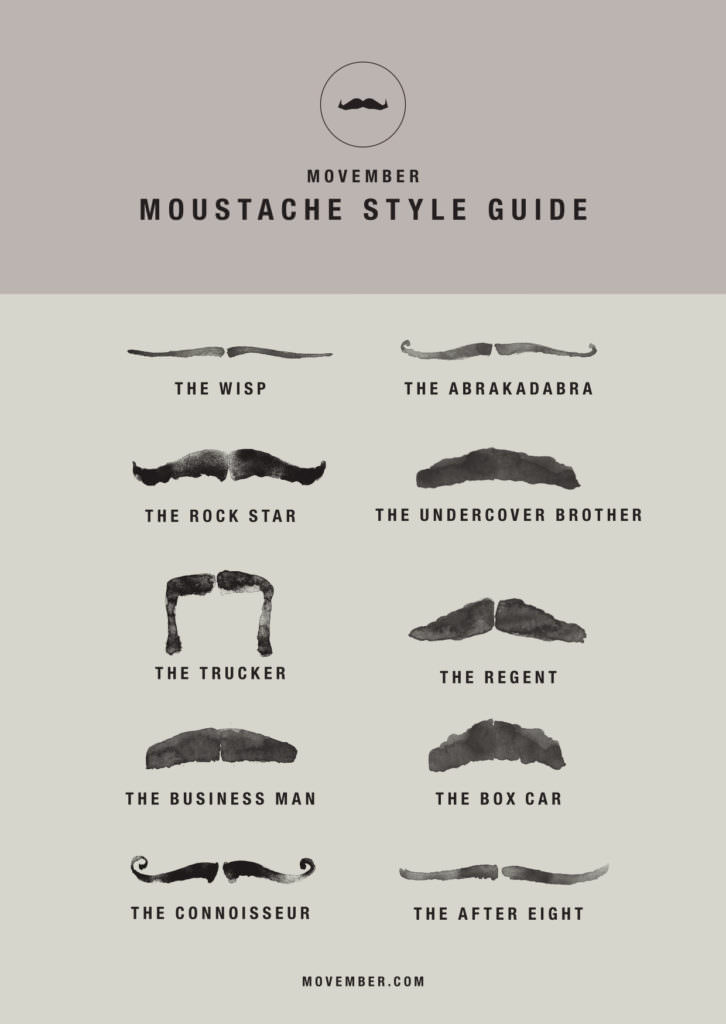
The first day of November unofficially signals the start of the holiday season, but more importantly, it’s also a time to raise awareness for men’s health by growing and maintaining a mustache no matter how mountainous the task may be.

You’ve likely heard of Movember by now, a month-long movement originally made in Australia 14 years ago. It’s since evolved into a global crusade and undertaking in which the Movember Foundation has made men rethink their physical and emotional wellbeing and forced action toward a healthier lifestyle.

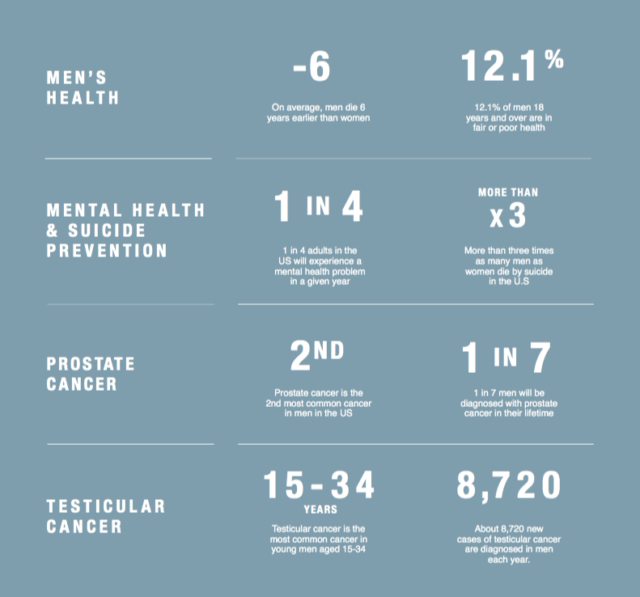
To date, the Movember Foundation’s efforts have raised more than $769 million in 21 countries for 1,200 men’s health projects focusing on prostate cancer, testicular cancer, mental health and suicide prevention.

To get a better idea of the how their brand, identity and ethos has evolved, AListDaily took a trek to the charity’s US headquarters in Culver City, California to chat with Adam Garone, co-founder of the Movember Foundation.


How has Movember’s message evolved as you’ve grown as an organization?

From a cause point of view, our vision at Movember is to holistically have an everlasting impact on the face of physical and mental health for men. We initially focused on the more extrinsic motivators as to why someone would be inspired to do Movember—fun, irreverence and getting to do it with your buddies. We really focused on that, so a lot of our creative and branding in the early years was playing to that fun, irreverent side of the brand. What we’ve realized more recently is that we can’t lose that fun edge, but we needed to focus more on the intrinsic motivators as to why someone would do Movember.

Sadly, you don’t need to look too far to know a friend, brother, father or uncle that’s been affected by one of the issues that we focus on. It’s a great way for us to bring in more women as well because they all have men in their lives that are important to them. We put the cause first more recently with the tagline ‘Stop Men Dying Too Young.’ This year there was the addition of ‘You can be the difference in a man’s life.’ It’s really helped emphasize the importance of the work that we do and the cause that we’re focused on.

How would you describe your brand marketing strategy?

In my mind, every aspect of the organization helps define the brand. It’s no longer about a font, color and a positioning statement. Every community touchpoint is an opportunity to reinforce who we are as an organization, and what our brand means. Right from the get-go, the Movember brand is at the heart of everything that we do. How we project that brand is ultimately why people are inspired to join the movement. It’s so important to keep the brand relevant and fresh each year, and keep evolving, keep pushing the boundaries. Ultimately, it’s not what we think about the brand that’s important, it’s about what the community and the public think about our brand. That’s really what defines who we are and what we stand for.

A big part of our brand also is our culture and open-office environment. The true rock stars of Movember are the Mo Bros and Mo Sisters that join us each year. A unique part of our space in Culver City is that we also have the Movember barbershop attached to it. It’s a great touchpoint for people to experience the brand and a way for us to engage the community around us and have conversations. That’s how we see our role in this great movement.

Why are procuring brand partnerships just as important to reaching your goals?

Brand partnerships and alignment are very important, and they also define our brand as well, so we’re very selective in that process. Where the partnerships work best is when their target market and consumer truly believe in Movember and the cause that we’re serving. We’ve always called our partnership program just that—a partnership. It’s not about sponsorships. Sponsorships are typically more transactional, where a brand will give you money for a certain amount of exposure. We’ve always looked for deep, true and authentic engagement from the brands that we partner with. Do they believe in the cause? Are they participating internally? Is there a brand alignment? Is their target market similar to ours?

Our major partners bring us something that we don’t have. We don’t have a huge marketing spend, so the first thing we look for is authenticity, but secondly, how can they help us reach new men and women to get engaged and inspired by the campaign? How can they reward those people participating with prizing and other rewards along the way? How can they help us fundraise? We have a partnerships team, and we’ve developed a policy about who we will partner with and who we won’t. Oftentimes, what you say ‘no’ to defines you more than what you say ‘yes’ to.

Why do you believe brands are increasingly leaning toward cause marketing?

I think all brands are looking for opportunities where they can truly and authentically demonstrate how they’re making this world a little bit better. Why brands come and partner with Movember is largely because of the halo effect of the brand association with us and the cause that we’re serving. It gives them something else to talk about with their community. It’s not just a new product release, or a new sale or asking people to buy more of their product—it’s a bigger and deeper story.

How are you reaching the community and new audiences through social channels this year?

We’re all about inspiring conversations and stories that matter. We’ve definitely got our own profile stories, but that only reaches a certain amount of people. I often think that the most important social networking is getting people to come together. It’s a shared experience—old-school social networking is just so powerful, if not more powerful now than it was a few years ago when we didn’t have all these social platforms. It’s all about having fun and doing good. In addition, we do an Unmute Ask Him campaign through social media. Everything we do at Movember has a deeper meaning, and we can’t ever lose the fun aspect.

How are you incorporating storytelling into your cross-channel strategy?

We’re always looking for new, interesting and innovative ways to tell our stories, and the podcast I host is just one of those elements. We invite men to talk about the ups and downs of life. The importance of discussion and being vulnerable draws listeners. Podcasts are a unique medium where we can have extended conversations with inspirational people. The whole aim of the podcast is to get men talking about the real stuff going on in their lives and give listeners some tools and tips on how they can live a happier, healthier and ultimately longer life.

How cool is it when you start seeing celebrities support the cause by growing mustaches too?

It’s always cool when you see someone wearing your product and talking about your product. It’s amazing when you see the likes of LeBron James or Aaron Rogers wearing your brand and talking about it. Their reach is enormous, but each year we consider everyone that’s part of the Movember community, every Mo Bro and Mo Sister to be a celebrity and an ambassador because they’re out in their communities and networks talking about the cause as well. Those conversations are just amazing and often life-changing.

What does Movember do for the rest of the year outside of the month of November?

Movember is a year-round conversation, and like every other foundation, we’re running thousands of programs that are having a real impact. The month of November is our key focus. It’s Men’s Health Awareness Month, but that conversation has to exist year-round, and we have other moments during the year that we focus on, like World Cancer Day in February and Testicular Cancer Awareness Month in April. We do a program leading into Father’s Day, as well as Suicide Prevention Day in September.

What is your long-term strategy? What’s next for Movember?

We’ve established some goals that we want to achieve by 2030, and that’s to reduce the number of deaths by prostate and testicular cancer by 50 percent and to reduce the number of male suicides by 25 percent. It’s only 25 percent because, at the moment, we’re losing that battle and the rates are going up, so it’s a huge turnaround to achieve that. That’s why we exist. To be able to achieve those goals we need to keep the brand alive, the community energized and keep them fundraising and advocating on our behalf.

Also, taking the power of that grassroots movement to governments, to world health organizations, and have them prioritize men’s health, particularly suicide prevention. We’re absolutely focused on men and inspiring men to be better and in doing that, we know that we’ll flow onto women’s health and women’s rights too. We’re also feminists and we care deeply about those issues as well.

Did you ever in your wildest dreams envision ending up where you are today?

There’s no way I thought after we grew those first mustaches in 2003 that this would become a global thing. It’s humbling to see it continue to evolve as an organization and as a brand. Sometimes in life, you have these happy accidents.

NBA Taps Virtual And Augmented Reality To Engage Fans

The NBA continues to embrace new technology across multiple platforms by launching the free augmented reality iPhone app game Pop-A-Shot.

Melissa Rosenthal Brenner, the NBA’s senior vice president of digital media, told AListDaily that the league’s young and tech-savvy fan base has come to expect the NBA to run a fast break on innovation.

“AR allows the NBA to begin creating experiences in an area where younger fans are spending a lot of time—in front of their camera,” Brenner said. “The NBA AR app allows us to engage with our fans across the globe by shooting hoops on a realistic NBA basket on a realistic NBA court. Conceivably, you can now work on your virtual game anywhere in the world.”

Using the iPhone camera and ARKit technology, the app captures a player’s surroundings, pins an authentic NBA backboard and court into the real-world environment, and then uses the accelerometer in the iPhone to flick shots at the hoop before the 30-second shot clock expires. Players can share their shooting sessions with friends (through iMessage, email or social media), or see how they stack up globally on the overall leaderboard.

Brenner said there’s a level of personalization the league is providing fans through the inclusion of all 30 teams in the AR game, which can be customized to include franchise logos and colors. The app also provides information on the team’s next game. The experience, which was developed by third-party company Camera IQ, has been created as a platform that will offer updates for fans.

“We’re already working on new ideas, both from a utility and entertainment standpoint, to help enhance the NBA AR app,” Brenner said. “This includes content from both on-and-off the court.”

By leveraging ARKit’s reach across millions of existing devices, Brenner said the NBA is exploring how all types of AR could fit into its emerging technology strategy. She added that it’s part of a strategy to look for new ways to integrate its partners into NBA content and create compelling experiences for its fans.

The NBA has also partnered with NextVR over the past two years to broadcast select games in VR. Brenner said this medium has been especially powerful for the league’s international fans who don’t have the same opportunity to experience the in-arena action. The league has also used VR to incorporate new marketing opportunities for brands.

“Whether it’s the live game or highlights, we’ve received very positive feedback on our VR content from fans all around the world,” Brenner said. “As compared to more traditional advertising channels, VR provides the opportunity to create immersive experiences that are additive to the overall viewing experience. We try to use VR technology to enable a consumer to ‘experience’ a particular product or service and we think it has really resonated with fans.”

http://www.facebook.com/alistdaily/videos/1597075996999683/

The NBA has over 155 million core fans of basketball around the globe. Less than one percent actually experience games in an NBA arena, so the incorporation of technology becomes even more important to keep fans engaged.

“The ability to reach fans through new technology and platforms, especially one this ubiquitous, is always appealing,” Brenner said. “When you see Apple, Facebook, Snapchat and Google all focused on AR, that tells you that this space has massive potential. Getting a product into the market now allows us to learn quickly about the technology and how our fans use it, as well as make important decisions that can further grow the game.”

Crunchyroll Finds Significant Crossover Audience Between Anime And Gaming

Crunchyroll is debuting a new advertising strategy for game publishers. The move comes shortly after the anime-streaming video service hosted a one-week survey to better understand the crossover between Japanese animation and gaming fans.

Over 10,500 users participated in the survey—90 percent self-identified as gamers and 54 percent considered themselves to be “hardcore” gamers. The results were so surprising that the brand brought on a new strategy.

“We didn’t realize just how hardcore the gamers were,” Henry Embleton, head of ad products and revenue for Crunchyroll, told AListDaily. “What [the data] tells us as a brand is that when our users are not watching anime, they’re playing a lot of games.”

The respondents were a mix of male (55 percent) and female (45 percent), and users with both paid and free subscription plans.

“What we started doing with our strategy was target the gaming sector,” said Embleton. “When we went and talked to game publishers and their advertising agencies, they’d always come back with these nuanced questions like ‘what percentage of your gamers are mobile gamers-versus-console gamers?’ We were getting these sort of difficult questions without any hard data.”

The survey, conducted from October 2 to 8, was designed to answer marketer questions in terms of demographics. Although the brand knew that at least some of their users were gamers, just how many came as a complete surprise.

“I have to say it’s really kind of shocked everyone here at the office,” said Embleton.

The survey revealed that 48 percent played video games 20 hours or more per week and 16 percent play 40 or more hours. The most popular platform was PC at 38 percent, followed by console and handheld devices.

Crunchyroll users not only spend a lot of time playing games, but they’re not afraid to spend money, either. Thirty-five percent of respondents said they spend $200 or more each year on PC gaming equipment and 59 percent pre-order games prior to launch.

The results of this first survey confirm the brand’s recent efforts to attract the gaming demographic. A Crunchyroll video app is available on both Xbox and PlayStation consoles, and the brand partnered with Twitch for a five-day anime marathon in July.

Knowing just how fanatical its users are for both games and anime will help Crunchyroll formulate marketing strategies not only for itself but its advertisers as well. The next challenge, Embleton said, will be reaching paid subscribers who don’t typically see advertising on the platform.

“We’ve traditionally [used] video ads that we run in the pre- or mid-roll of the video content, itself,” Embleton said. “We have 25 million monthly registered users and over a million of them are actual subscribers. Those one million-plus subscribers who pay for the service don’t receive any adverts which put a real wall around our users’ ability to be targeted and engaged with from the gaming community.

“What we’re really looking to drive now is integrated ad products, so the idea is to target users through Twitter, Facebook, Instagram or email campaigns. This is a kind of extension of an existing strategy where we’re working very closely with the gaming industry, but now they can really penetrate our entire audience outside of the traditional Crunchyroll platform.”

Crunchyroll plans to repeat the survey process each quarter and will include additional questions that explore the correlation between preferred game and anime genres.

‘Final Fantasy Brave Exvius’ Leans On History For Global Recognition

Kei Hirono, executive producer for Final Fantasy Brave Exvius at Square Enix

The Final Fantasy franchise marks its 30th anniversary this year, and at the same time, Final Fantasy Brave Exvius (FFBE) celebrates the two-year anniversary of its initial Japanese (one-year global) launch. Having reached 27 million downloads worldwide, FFBE is regarded as one of Square Enix’s most successful mobile games, but there’s still plenty of room to grow.

“We believe that one of the reasons why the game has been accepted by so many people across the globe is because of the concept we have for the title,” Kei Hirono, executive producer for Final Fantasy Brave Exvius, told AListDaily through a translator.

He and the game’s global producer, Hiroki Fujimoto, explained how FFBE focuses on three main points—a rich story, a classic and strategic battle system and adventure elements that expand the breadth of the game and allow for exploration. These points capture the Final Fantasy spirit and work to attract players worldwide.

Brave Exvius was created from the ground up for mobile platforms and features a mix of 2D sprites and 3D artwork for its graphics. Additionally, all the legendary characters from all the Final Fantasy games appear in Brave Exvius, turning the game into a kind of celebration of the franchise.

“There are so many titles within that franchise,” said Hirono. “As long as you like one of those characters, I think that will lead to a point of entry for Final Fantasy Brave Exvius. There are a lot of ways to get into this game because of that.”

As part of the celebration, the Brave Exvius team has been going around the world to host public events called Fan Festa to meet Final Fantasy fans. The first Fan Festa event took place in Paris in July, the second was hosted in Taiwan in September and the third took place in New York City in October during the New York Comic Con. The Fan Festa tour finishes out with visits to Korea in November and Los Angeles in December. At Fan Festa, attendees get a chance to play FFBE against the developers, but everyone walks away with prizes in the form of special in-game content.

Brave Exvius is also celebrating through a series of in-game events, which were launched globally instead of in the traditional way of going live in Japan first. These include a new event featuring Ariana Grande. The musician already has two costumes available in the game from previous events, and the update adds two more. Dedicated fans who collect them all will be able to equip their party with all four versions of Ariana, all of which feature different looks, techniques and skills.

Hirono said that the game’s success can largely be attributed to how it captures the “Final Fantasy essence.” Fans of the franchise recognize that essence and have taken to the mobile title. However, he believes that Brave Exvius is still a long way from its goals.

“Even though we feel like we achieved a certain level of success, this is not even close to what we’re aiming for, or what we feel is a real success for the title,” said Hirono. “That’s because with this game, we wanted as many people as possible to experience the new Final Fantasy story and get into it. We also wanted people, after playing Brave Exvius, to go back and try all the different Final Fantasy games in the series. So, there’s still a lot more that we want to achieve, and we want to aim for bigger success.”

Hiroki Fujimoto, global producer for Final Fantasy Brave Exvius at Square Enix

“We have 27 million downloads, but our goal last year was 100 million,” added Fujimoto. “So, we’ve only achieved about a quarter—over a quarter—of what we were aiming for. We’re not there yet.”

Hirono elaborated further on what the team at Square Enix considers true triumph.

“We feel that the game is a success when you can ask anyone on the street if they know what Final Fantasy Brave Exvius is and they’ll know,” he said, laying out an ambitious goal. “There are about seven billion people in the world now, so once they all know what the game is, then we can say that it’s a success.”

It’s one thing to say that you want everyone on earth to know about your game, but it’s quite another to get it after two years on the mobile market.

“I think it’s the same for any mobile title, but it becomes more difficult each year to acquire new players,” said Hirono. “We must always think of new ways to acquire new users because the more people we get, the fewer amount of people we can reach out to becomes. You’re taking people out of that pie.

“While we’re thinking of ways to reach people, we also have to create new experiences in the game [for current players]. We know that it’s difficult, but that doesn’t mean we’re going to give up on it. The new events and characters are things we have been doing to try to acquire new players and keep our fans playing. The collaboration with Ariana Grande is also another way of gaining new players. Even the Fan Festas are part of that—they help acquire more people.”

One of the new ways Fujimoto and company are reaching new gamers is through the songstress Grande’s events.

“The spike in players was like none we had experienced before,” said Fujimoto. “Now it’s more about how to keep them coming back and have them continue playing the game. That’s about how the game is and what it offers. We’ll continue to work hard and create a game that has a lot of appeal.”

Hirono said, speaking as a content creator, the key to engaging with a global audience comes down to the game’s overall appeal and charm.

“I feel that it’s most likely the characters, story and lore,” he said. “I hope those are what are engaging players. We try to create the game so that those points are appealing.”

Fujimoto said that FFBE sometimes likes to keep its players guessing. Since the normal practice is to release new content in Japan first, dedicated players from around the world often know what’s coming beforehand. But he cited a collaboration with the game Nier: Automata where the character 2B appeared in FFBE. When the event launched worldwide, players were surprised to find that A2 was also added.

“Those kinds of surprises are things we’re always thinking about adding to events so that they’re not always exactly the same as the Japanese version,” said Fujimoto.

Brave Exvius may capture the Final Fantasy essence, but the brand has been long associated with cutting-edge computer graphics and technology, demonstrated in last year’s launch of Final Fantasy XV, which not only features stunning graphics but also includes a virtual reality mode.

Given the launch of high-end phones such as the iPhone X and the Pixel 2, and both Apple and Google’s commitment to growing augmented reality technology, Hirono spoke about whether Brave Exvius would follow a similar path by adopting new technologies.

“There is that ideology for the Final Fantasy brand to always take on new [technological] challenges,” said Hirono. “We want to do that as well, but what we feel is strong for this title is creating something that anyone can play. We don’t want to focus on new technology too much, making it so that only the core Final Fantasy fans can enjoy it. We want to keep Brave Exvius highly accessible, and we don’t plan to change that. But we do feel that we need to expand the brand further, and to do that, we’re taking many different approaches. We’re already planning other things for this title.”

Part of those efforts include how some of the sprites appear to “pop-out” from the screen, which is a technology the game created and patented. However, Hirono suggested that there’s a far subtler way that the game takes advantage of cutting-edge graphics.

Final Fantasy one through six all used sprite artwork, while seven and onward all started using 3D graphics,” Hirono explained. “But with Brave Exvius, one of the concepts we had was to take the original sprite artwork and imagine, ‘What if 3D graphics didn’t evolve that much and we kept to sprites?’ So, that’s the image we have with this title, and it’s like the latest and greatest in sprite artwork.”

‘Super Mario Odyssey’ Marketing Reflects Game’s Globetrotting

Super Mario Odyssey is bringing Mario and his new friend Cappy to the Nintendo Switch. First revealed at E3, gamers lost their minds at the thought of possessing other creatures, especially a T-Rex.

In the game, Princess Peach is kidnapped—yet again—and Mario finds an unexpected ally in Cappy, a hat that allows its original wearer to transfer his consciousness into something else. This allows Mario to toss Cappy onto objects, enemies, people and more, thus “capturing” them to overcome obstacles or just have fun. Cappy can also be tossed into the air to aid in special jumps.

Nintendo UK invited fans to “capture” items of their own by offering a cut-out of Cappy and Mario’s signature mustache. Nintendo’s UK’s twitter shared fans’ uploaded Cappy shots with hashtag #CapturedByCappy.

In the game’s theme of Mario embarking on a journey, Nintendo took the famous plumber and his new game on the road. A special tour bus drove from California to New York, stopping at events along the way to offer demos, prizes and photo ops with Mario. The tour culminated in a launch celebration at the Nintendo New York store, where the first 200 attendees could purchase a copy of Super Mario Odyssey.

Mario isn’t the only one who set out on an odyssey. Nintendo game developers Yoshiaki Koizumi and Shinya Takahashi took a globetrotting tour of San Francisco, France, Germany, London and more, bringing their Nintendo Switch and posting photos from the official Nintendo and Super Mario social channels.

If there’s one thing Mario has done a lot of since 1985, it’s jumping, and that tradition continues with Super Mario Odyssey—the title became the second-best-selling game on Amazon for 2017 before it even launched.

Nintendo released a music video called “Jump Up, Super Star!” that earned over 9.2 million views over the span of two weeks. A full version of the song is available for purchase through iTunes, and the lyrics are printed inside each case for Super Mario Odyssey.

https://youtu.be/g4xW9aCg2zY

Mario’s character spans multiple gaming generations, and Super Mario Odyssey taps into that nostalgia by including homages to some of the classics, such as the first Super Mario Bros. game for NES or Donkey Kong.

“There’s a bit of nostalgia in some of our advertising for those parents that grew up gaming and now want to introduce it to their kids,” Doug Bowser, senior vice president of sales and marketing at Nintendo of America, told AListDaily. “It’s another great catalyst to get them to jump in and start bringing their kids to games. What we love about our properties is that so many of them are family and kid-friendly, and it’s a great place for parents to engage in gaming with their kids.”

For those parents or kids with an iPhone, Super Mario Bros. and 8-bit versions of Super Mario Odyssey characters are available as digital stickers for iMessage to keep the nostalgia conversation going.

One celebrity with a seemingly endless supply of nostalgia for Mario is Jimmy Fallon, The late-night talk show host is known for being a lifelong fan of Nintendo, and enthusiastically debuted the Nintendo Switch on The Tonight Show along with games like The Legend of Zelda: Breath of the Wild and mobile game Super Mario Run. Fallon posted a video of himself playing Super Mario: Odyssey, specifically the New Donk City level, which is inspired by New York City, which earned over 120,000 views on its first day.

All in all, this could be a positive promotional trend for Nintendo, which kicked off when Link saved the “House of Mario” with Breath of the Wild.

Brands Show Cause Marketing Done Right Does Good

It’s no secret that cause marketing (when handled properly) can lead to great dividends, especially among millennial consumers. However, as more and more brands hop on board and embrace corporate social responsibility, it’s clear that just donating money to a cause isn’t enough to raise consumers’ eyebrows anymore.

Brands need to maintain control over their charitable efforts, not only to ensure that they actually help people, but to do so in a way that’s authentic and true to their values.

Disaster Relief

After Hurricane Irma struck Puerto Rico, many brands stepped up to provide support for the afflicted island when other organizations couldn’t.

https://www.instagram.com/p/Bap6TqcjowK/

Tesla jumped quickly to provide relief to Puerto Rico, working with the island’s governor Ricardo Rossello to produce batteries for relief efforts on the island. On October 24, the company revealed a massive solar array providing power to Hospital del Niño, a children’s care facility in San Juan, and promised “many solar+storage projects” to come.

Project Loon balloons provide wireless internet access to areas without proper infrastructure.
A Project Loon balloon waiting for launch

Google’s parent company Alphabet likewise made real efforts to support Puerto Rico’s damaged infrastructure, negotiating with the FCC to allow AT&T and Project Loon—balloon-based internet hotspots—to provide much-needed network access on the island.

“As we get more familiar with the constantly shifting winds in this region, we hope to keep the balloons over areas where connectivity is needed for as long as possible,” the company’s blog post read.

Airbnb has used its home-stay platform to help disaster-displaced evacuees find refuge since Hurricane Sandy in 2012. Users can suggest areas needing relief housing to the company and sign up their own homes to help refugees, as many did in the islands surrounding Puerto Rico. Indeed, close to 1,000 people have volunteered free accommodation in Northern California to help those left stranded by wildfires.

Airbnb’s cause support fundamentally changes the functionality of the app, not just helping vacationers but providing vital assistance during disasters.

Making It Part Of The Company Mission

There’s a fine line between authentic cause marketing and canny exploitation of social issues—a line that separates an effective campaign from a PR disaster. The brands that make the best efforts demonstrate long-term commitments to causes that align with specific, concrete brand values.

Photo of a ship trailing a rope tied to orange floaters, a wave crashing in the foreground

Microsoft and Facebook’s partnership on the Marea subsea cable exemplifies this sort of honest cause marketing. Begun in 2016 and completed in late September, the fiber-optic cable spans 4,000 miles between Virginia and Spain and helps future-proof global internet infrastructure.

Beyond just building the cable, Microsoft also promised to continue support for the project as global internet traffic increases and further improvements become necessary.

Sonos has also put its money where its mouth is, launching a multimillion-dollar grant program called Listen Better to combat censorship worldwide. The connected-speaker manufacturer announced $1.5 million in unrestricted grants to six non-profits over the next three years and will open up a free application process in early 2018.

Ubisoft Wants VR To Bridge Film And Video Game Worlds

Chris Early, VP of partnerships and revenue at Ubisoft

Ubisoft is one of the biggest proponents of VR gaming—perhaps more so than almost any other major publisher. With several VR titles that include the fast-paced Eagle Flight, the social game Werewolves Within and the upcoming action-shooter Space Junkies, it seems clear that the publisher is looking to create a wide range of experiences for Oculus Rift, HTC Vive and PlayStation VR.

The publisher is also using VR to bridge the worlds of film and video games, having helped create the Assassin’s Creed VR experience to promote the movie last year, and to a certain extent with Star Trek: Bridge Crew, which is based on the hit IP.

Ubisoft is currently working with Elijah Wood’s film company SpectreVision to develop Transference—a psychological thriller where players explore the memories of PTSD patients.

AListDaily spoke with Chris Early, VP of partnerships and revenues at Ubisoft, to discuss the company’s interest in the technology and where it might go.

What are Ubisoft’s goals with VR?

Overall, our goal is to provide amazing entertainment experiences for our players. VR is one of those places where we’re interested in figuring out how to do that and what opportunities might exist.

If you’re familiar with Ubisoft’s history, you’ll see that we’re generally early adopters of new technologies for gaming and entertainment. We use that curiosity and creativity to look at new ways we can bring new experiences to our customers.

In the past, we’ve done things with motion gaming, which led to Just Dance. We were convinced that there was more than just Wiimote-style motion gaming. We believe that there are new ways of telling stories and experiencing games.

Our efforts in VR are to that end—providing great experiences for our players.

How does promoting a VR game compare to traditional ones?

One of the challenges with promoting a VR game is that you can’t easily watch the experience. For example, we have Eagle Flight, which is a game where you fly above the city of Paris as an eagle. You can watch a video of that, but it doesn’t convey the full sense of the experience.

So, in many cases, the promotion and sale of a VR game happens when you put a headset on. But because there’s a limited distribution of headsets in the world and not a lot of places to try them out, it’s more of a challenge to promote the game.

Why isn’t Ubisoft linking its VR games with more of its established franchises?

Our focus in the VR space has been to look at what’s fun. A variety of our studios are engaged in trying new game mechanics and what fits with existing game mechanics. So, we do look at a wide variety of things, and Eagle Flight is an example of one of the mechanics we were experimenting with. You know, it’s pretty darn fun to fly around as a bird in VR. So, that went from a tech experiment, to a game pitch, to development and release.

“You know, it’s pretty darn fun to fly around as a bird in VR. So, that went from a tech experiment, to a game pitch, to development and release.”

We’ve also looked at other things, like experimenting with VR with Far Cry 3 (Vaas VR), and that was intense and compelling, but we don’t have that integrated into a game at this point in time.

From our standpoint, we’re not ruling anything out, nor are we saying that that has to be the way that we do it. We’re experimenting and looking at what’s going to be fun. We believe that there’s newness here and we want to be sure we’re not going in with preconceived notions.

A good example is Star Trek: Bridge Crew and Werewolves Within, both of which are highly social games. We’ve learned a lot about social interaction in VR, which is something that we’ve brought back to our regular games. Had we used a traditional approach in gaming, we wouldn’t have ended up with as good of products as we had.

Do you think bringing in IPs like Star Trek is the key to popularizing VR technology?

I think that well-known IPs are a good way to have people instantly recognize what the content might be like in a VR game. With the intense passion and loyalty around the Star Trek franchise, are there people who probably bought VR headsets just so they could play Bridge Crew? I believe that there are. But is it necessary to have that? I don’t think so.

We see good adoption of Eagle Flight because the concept of being able to fly is something people understand. But the further away you get from easily understood concepts, the more a brand can help generate awareness and interest.

Many people see VR as a solitary experience. What is the strategy behind making multiplayer games in VR?

Yes, most people imagine using VR in a dark, isolated environment, but that’s not the way we’ve approached this. We looked at it from the standpoint of what would make the VR experience fun.

Our Red Storm studio in particular is focused on social VR—looking for ways to enhance social dynamics in play—and that’s where both Werewolves Within and Star Trek: Bridge Crew were developed.

People have more fun playing with people. The industry thought that VR was a solitary experience, yet when we look at our usage tracking, we see that the longer play sessions come from when people are playing in multiplayer modes. People enjoy the interaction that takes place in VR at a social level, and I think that’s partly because of the innovations that we’ve brought about that make it easy to communicate in VR along with game-oriented reasons to encourage communication.

People have more fun playing with people.

These are cooperative or conversational games. Eagle Flight has a multiplayer element, the same way any other shooter, because it’s better to take on a real person than a computer. I don’t think VR necessarily makes it more fun, it’s the human interaction that does.

What led to the partnership with SpectreVision to develop Transference?

We have a deep respect for the writing and intensity that SpectreVision brings to the properties it works on. As we think about VR and its possibilities, we saw with the Far Cry 3 experiment that it was possible to have intense emotional experiences in VR—much more than we thought to begin with. That’s what eventually led to a collaboration.

We showed Transference behind closed doors at E3, and the people who went through the experience were genuinely impressed, particularly how it can be unsettling and terrifying without being too graphic. We’ve taken more of a thriller and suspense approach as opposed to gory and gruesome, which I think has broader appeal for folks.

Does Ubisoft have a unifying approach or theme when deciding which VR games to develop?

The theme that ties both our VR and non-VR content together is fun. Ubisoft does not have a portfolio strategy where we say we have to have one type of VR game or any other type of game.

What we do—and do well—is allow our game developers to be creative and come up with the ideas for games they want to make. We find that as a result of that, they’re more passionate about making them. They make better games than if there were a dictate. As a result, we will end up with games that are fun.

We won’t greenlight a game that we don’t think will be entertaining. That could be said for any variety of games, including a space shooter like Space Junkies, a tabletop game like Werewolves Within, or a flying game like Eagle Flight. None of them are tied together through a portfolio or a franchise concept. It’s more that these are fun game mechanics that people enjoy playing.

Eagle Flight has been featured at VR arcades. Does Ubisoft keep location-based experiences in mind with its games?

We’ve done both. In the case of Eagle Flight, it’s something that adapts well to both environments. We also have a VR ride based on the Rabbids franchise, which was developed specifically for location-based entertainment, and uses a motion chair along with a VR headset. You could potentially play Werewolves Within in an arcade, but it’s not designed for a theater-front experience.

Again, we focus not on prescribed solutions, but more on where it’s going to work.

What is Ubisoft’s bar for success when it comes to VR?

I would say that we generally focus on what player’s experiences are. There are several ratings around VR games, so we look at them along with fan commentary and game play [time].

It’s amazing to see that our games have some of the highest amounts of game play of any VR game out there. To us, that’s a good mark of success—when people are in headsets for hours at a time playing games, far exceeding our expectations and industry averages. Apparently, we’ve done something right and people are having a good time.

What do you think is in store for VR and how is Ubisoft helping to shape it?

I think we’re all participating in the future of VR, and nobody knows where it’s going to end up. That’s part of the reason why we’re experimenting with new ways of telling stories and new paradigms in the VR space. There are some things that are much easier in VR, some things that are much more difficult, and we don’t know where it’ll go.

We learned a great deal about in-headset communication, and how to make people more comfortable in fast-motion games. Both Eagle Flight and Space Junkies are fast-motion, and we don’t see anywhere near the same level of discomfort that some people experience in other games.

But from an overall standpoint, as we continue to drive creativity in the VR space, our hope is that we and other publishers continue to produce good products in VR. As time goes on, more people will have headsets and the chance to experience VR, and it will become a strong part of our industry.