How Chatbots Are Finding A Voice

Messenger apps, particularly Facebook Messenger, have begun to emerge as a fast-growing platform for user engagement. According to a Pew Research study published in June, 49 percent of smartphone owners age 18 to 29 use messenger apps, and the number of users is expected to reach 2.19 billion by 2019. Additionally, Facebook Messenger added over 11,000 chatbots over the summer (a number that continues to grow), bringing user engagement to a whole new level.

Messenger apps and chatbots are regarded by some as the next big gaming platform, and that’s a tough idea to argue with when Choose Your Own Adventure-style interactive bots such as the initial Call of Duty: Infinite Warfare (where a bot posed as a character named Lt. Reyes) created over 6 million engagements in 24 hours. The engagement was so successful that Activision created a follow-up version at the game’s launch called Terminal Tours. It features actress and musician, Kate Micucci (Scrubs; Garfunkel and Oates), who plays the role of an interstellar tour guide named Alana, who has a penchant for killer pranks.

Whether users are playing messenger games or planning their next big trip, there’s a chatbot for that.

Kiwi, Inc. CEO and Sequel founder, Omar Siddiqui, recently spoke to [a]listdaily about how chatbots and messenger platforms have grown over the past year, and what could be worth talking about in the near future.

Omar Siddiqui, Kiwi, Inc. CEO; Sequel Founder

How advanced have chatbots become in the past year?

Over the year, Facebook, Kik, and Microsoft launched bots on their respective messaging platforms to take a niche trend from Slack and Telegram to the mainstream. We’ve since seen the industry grow with brands, developers, and creators rushing to create bots and jump on the bot bandwagon.

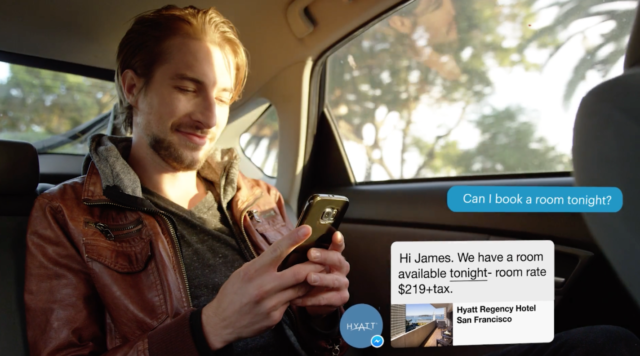
Bot developers have been busy primarily figuring out the interaction model that will work for consumers in this new medium. While the initial expectations had been that we would go to a full natural language-only experience in interacting with bots, it has actually been a combination of native messaging app user interface elements, ranging from vertical and horizontal carousels, and graphics-rich buttons combined with conversational text that has emerged as the most effective paradigm.

In addition, the know-how to catch customer intent and steer them into the workflows that they intend has been another area of major improvement, engendered not only by improving capabilities on the part of the messaging platforms as well as bot toolsets, but also the experience on the part of bot creators.

How do users discover brands through messaging apps?

It all depends on the messaging platform being used. For instance, Kik has a bot shop where users can browse through top bots in categories such as Entertainment, Fashion and Beauty, Games, and Lifestyle, or search for a specific bot. For Facebook Messenger—while there is a set of bots that are featured by the platform in a discovery area, the primary mode of consumer discovery is through the brand’s Facebook Page or other launch point into the experience that is integrated with the brand’s overall web presence.

Do you think messaging apps and bots are significantly changing the way people engage with brands?

The change has been gradual, but consumers are expecting to engage brands in conversation. This trend has been organically seen already through the rise of platforms like Facebook and Twitter for customer service, and it would be a shame not to extend the dialogue that starts through a customer service issue to an overall consumer relationship. Bots enable this dialogue to occur in an automated way, and it seems inevitable given consumer preferences on how they want to engage and communicate with each other and the significant brands in their lives.

It has been said that messaging apps and chatbots could surpass the app stores in growth. What are your thoughts on this?

It’s hard to judge on an absolute basis since the bot market is still relatively early and emerging. Although, it would be fair to say that connecting with what you want done through conversation is a massive trend that will permeate all aspects of our lives. This trend will be expressed not just through messaging app-based bots, but increasingly through interactive audio experiences on platforms like Alexa and Google Home and other novel platforms as well. So it is definitely an exciting trend, and we’ll certainly see changes in the market in how consumers interact with the brands and services they care about.

How do you think messaging apps and bots will continue to evolve in 2017?

It’s still the early days for bots, and we firmly believe that the evolution of these automated conversations will be one of the greatest endeavors over the next few years. Right now, bots are where web pages were in 1995. It will take time for the medium to emerge and become what it inevitably will be, but we are excited about the future possibilities.

Over the course of this year, we’ve seen improvements in the interface elements offered to consumers to aid their interactions as they speak with bots, as well as some initial conventions on what it means to build a great bot experience.

Next year, we’ll see continued improvements in the same interaction design supported by both platform improvements and technological progress on how best to utilize natural language as part of the bot experience. We’ll see the messaging apps continue to make improvements in bot discovery for consumers and more organic means by which bots can be surfaced to consumers at appropriate points in their work flows on these apps. We will also see the emergence of multimedia bots with audio and voice taking more of the mind-share as a complement to text-based experiences.
Makin’ It Snappy: How Snapchat Attracted Marketers This Year

Snapchat is all grown up. Thanks to some big changes this year, the disappearing photo app has become more lucrative for marketers than ever before.

Feeling the pressure from other networks—especially Instagram Stories—Snapchat has shaken things up this year with new targeted ad offerings, mid-roll ads and a big Stories update offering more control for its users. Setting itself further apart from competitors, the app has even been re-branding itself as a camera company. Now calling itself Snap Inc., the photo-sharing company has been on the lookout for original shows to host on its platform.

Perhaps the most iconic feature of Snapchat, of course, is the lens. Superimposing dog ears or flower garlands over a selfie has become quite the popular pasttime, and gaming brands in particular have found a lot of success with sponsored filters this year. In a kind of “instant cosplay,” users can snap a picture of themselves and the lens does the rest—transforming the person into one of the X-Men like Cyclops, a karaoke-singing zombie or an iconic video game character like Marcus Fenix (Gears of War 4). Despite the hefty price tag, these new ad products have earned their reputation as the preferred method for creating memorable moments with millennials.

Snaps have also gotten a lot more expressive since Snapchat acquired Bitstrips earlier this year. Users can now download the Bitmoji app on either Android or iOS and link the account with their Snapchat profile to share custom emoji with their friends and followers.

Once dedicated only to photo sharing, brands have taken marketing to a whole new level this year with the first 360-degree video ad (Sony: Don’t Breathe) and the first multi-level video game ad (Gatorade: Serena Williams’ Matchpoint). Of course, disappearing messages are perfect for limited-time offers, exclusive deals and teasers for new products. When Toyota says “let’s go places,” that includes music festivals—the car manufacturer was a major presence at this year’s Lollapalooza with an exclusive, pop-up concert accessible only through a Snapchat geo-filter.

Snapchat—unlike its photos—won’t be disappearing any time soon. While advertising on the platform isn’t cheap, the investment has certainly paid off for a number of brands, particularly when it comes to reaching a millennial audience. Of Snapchat’s 200 million users, 45 percent are between the ages of  18 to 24, according to eMarketer, which predicts the social network’s ad revenue will generate nearly a billion dollars in 2017.

The Force Is Strong With ‘Rogue One: A Star Wars Story’ Marketing

Rogue One: A Star Wars Story is inching toward theaters and while the franchise already comes with a dedicated fan base spanning multiple generations and continents, Disney’s marketing machine—like The Force—surrounds all of us. From action-packed trailers to movie theater hashtags and virtual reality, the world is ready to return to a galaxy far, far away thanks to some intuitive campaigns.

Just a year after the release of The Force Awakens—and the galaxy-sized marketing that came with it—is the world ready for more? Is it possible to have too much Star Wars? While some die-hard fans would raise their light sabers and exclaim “never!,” Disney didn’t want to take any chances.

“The key is to not talk about Star Wars 365 days a year—we’re sensitive to that being the wrong strategy,” Disney’s UK CMO Anna Hill told Marketing Week. “We’ve been very careful to only really begin major marketing activity eight weeks or so before the launch of Rogue One. A big part of our approach is to let fans spread word-of-mouth buzz.”

It certainly worked, and Twitter named #StarWars as the top trending movie hashtag of 2016 thanks to The Force Awakens‘ late-December 2015 release and building anticipation for Rogue One leading up to the present day.

rogueone-uber

Twitter itself had a hand in marketing the film through a partnership with Disney and People magazine to livestream a special Star Wars event that included never-before-seen content from the upcoming film along with a Q&A with the director and cast members. Through January 5, theatergoers can experience the marriage of social media and cinema in the lobbies of 57 movie houses across the US. The campaign includes a sponsored Twitter emoji and hashtags such as #RogueOne, #DeathStar, #StarWars and #StarWarsRogueOne that patrons will see on digital displays.

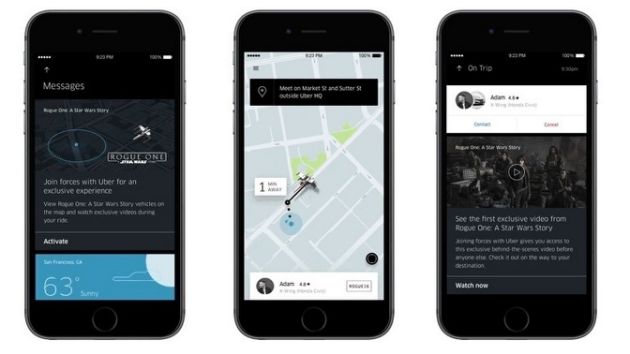
If you’re hailing an Uber to the theater (or anywhere else for that matter), users will be able to unlock special Rogue One features and access exclusive video content including behind-the-scenes footage in the Uber app. The promotion will run through December 18 in hundreds of cities worldwide. In addition, the vehicle will appear on the map as one of many iconic Star Wars vehicles such as a rebel X-wing Starfighter.

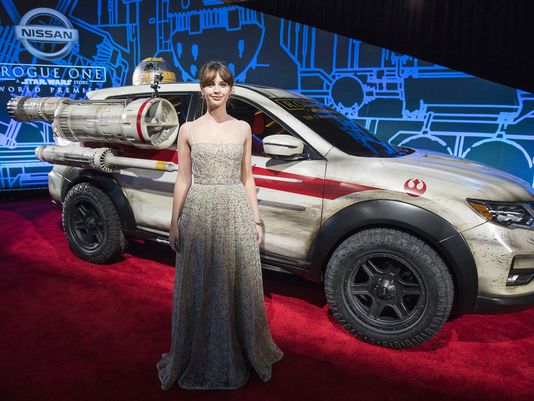
When Nissan debuted its Rogue: Star Wars Edition TV campaign last month, traffic to Nissan’s website spiked 300 percent and the company experienced record sales of 24,682 units (up 19 percent month-over-month) and a share record of 10.6 percent to boot. While the SUV and film share a common name, the vehicle manufacturer saw an opportunity to tell a story with a limited edition vehicle. “There is a strong correlation between the both of us with epic adventures,” Jeremy Meadows, senior manager of marketing and creative strategy at Nissan, told [a]listdaily.

Jeremy Tucker, vice president of marketing communications and media, added that the Rogue model is their number one best-selling model and is up 10 percent year-over-year. “We want to make this model go to the very next level,” he said. “So bringing these iconic brands together, this is our moment, and we’re going full force.”

The car is limited to 5,400 models available in black or white in the US and Canadian market—each with Rebel Alliance or Empire decals and an exclusive Death Trooper replica helmet.

Nissan also introduced a virtual and augmented reality experience to consumers as well that highlights the Rogue SUV’s Intelligent Safety Shield technologies. Nissan dealerships nationwide have teamed with “Star Wars: Force for Change” to host a toy drive benefiting the Toys for Tots organization on December 17 and 18.

636170553742020021-nissan-rogue-one-premier-01

Nissan is one of five global brands—Duracell, General Mills, Gillette and Verizon are the others—to join forces with Lucasfilm and launch an extensive global promotional campaign in support of the movie. Duracell partnered with Disney and Children’s Miracle Network Hospitals to tell the story of a group of child “rebels” who use their imaginations to deliver an R2-D2 toy to a girl in the burn ward. General Mills, meanwhile, partnered to give away movie tickets through specially-marked boxes of cereal.

Gillette’s “Every Story Has A Face” campaign features a Star Wars-themed commercial that focuses on the many people working together on a mission—from a smiling rebel finishing his shave to the stern look of a fellow, bearded soldier and the focused gaze of a female fighter pilot.

Verizon unveiled its very own, Rogue One 360 Experience on its Facebook page that places users in the cockpit of a rebel fighter who finds more than he bargained for on a routine space mission. The branded adventure has been viewed over three million times.

With Rogue One starring the second female lead character in a row, Disney is making extra efforts to include women in its marketing efforts.

Target’s “There’s A Rebel in All of Us” ad features three females and one man, each relating how Star Wars makes them feel like they can accomplish anything. Unlike Rey from The Force Awakens, who was mysteriously absent from a number of toy lines, Jyn Erso is a prominent figure—action or otherwise—among merchandise this time around.

In fact, you’ll notice a lot of female figures in Star Wars campaigns this year, including this heart-warming ad by Globe that promotes donations to the Phillippine General Hospital Medical Foundation.

“We want to continue to build on the female audience but the multi-generational piece is also a focus,” said Anna Hill. “If we can get more families to watch the film together then that’s great.”

Measuring digital content engagement across 600,000 digital outlets, marketing tech company, Amobee found that LEGO was the brand most associated with Rogue One between September 13 and December 13. Out the top 10, the brands most associated with Rogue One between September 13 and December 13 are Uber, Hasbro, Nerf, Verizon, Gillette, SoftBank, Hot Topic and O2.

The Most Talked-About Toys And Tech On Social

The time has come for eggnog, ugly sweaters and of course, shopping frenzies. Social media analytics firm Talkwalker has compiled some of the most talked-about toys and tech of the holiday season from break-out hits to legacy gifts that return year after year. See what’s hot . . . and surprisingly not.

“When it comes to technology gifts, you aren’t in the game unless you are looking at a Microsoft Xbox,” Talkwalker notes. The gaming console has received more than 600,000 social media mentions over the past seven days, making the Xbox and its games the number one technology gift for 2016. PlayStation, meanwhile has sold over 50 million units worldwide but isn’t getting the same social attention. We asked why that might be.

“Some brands are way out front in terms of doing a great job in social media marketing and their partners (like retailers) are also pushing their products in their social media marketing,” Talkwalker CEO Todd Grossman told [a]listdaily. “In the case of Xbox, the launch of a sexy new game like Dead Rising 4 has also impacted the chatter in social, keeping the name trending.”

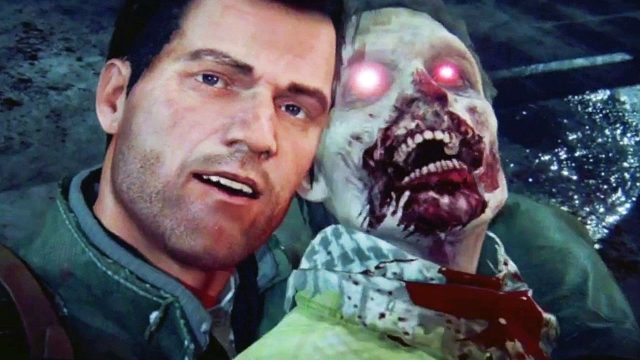
Talkwalker noted that Dead Rising 4 is probably the hottest trending item in the technology category, increasing more than 235 percent in the past seven days—with just the words, “Dead Rising” jumping 106 percent as well. If you’ve “gotta catch ’em all,” you’re not alone—games like Pokémon Sun and Moon and toys like Winking Pikachu Plush are driving the conversation with more than 925,000 mentions of Pokémon and its toys over the past week.

dead-rising-4
Dead Rising 4‘s zany marketing campaigns have kept its name trending on social media. (Source: Capcom)

This year’s must-have toy is the Hatchimal—a toy that emerges from its egg with the help of its owner. The lovable creature is consistently trending high with nearly unique 30,000 mentions over the past week, Talkwalker reports. Which Hatchimal you get is a mystery every time, adding a sense of surprise to the novelty. San Antonio television station KENS posted a Facebook Live stream of a Hatchimal “hatching” and has received 1.4 million views.

Hot Wheels is holding its own with more than 16,000 mentions over the past week, while new “hot” toys like Shopkins (8,300 mentions) and Tsum Tsum (6,900 mentions) join the trending list alongside this classic toy franchise.

Star Wars is always a hot topic, but more so this week as Rogue One: A Star Wars Story debuts in US theaters. Despite the excitement of fans on social media, the conversation doesn’t include much about merchandise, with Star Wars toys getting fewer than 5,000 mentions over the past seven days.

“I think there’s a tendency to talk about new and different things on social, like Hatchimals for example,” Grossman explained. “Star Wars merchandise alongside the release of a new movie is effective but it may not inspire you to share your purchase on social.”

Despite being fake, the Fisher Price Happy Hour Playset is still generating some buzz online with more than 5,000 mentions in the past week. Fake news like this impacts social media tracking, but Grossman says Talkwalker has a solution.

“When you are looking at data around Christmas toys and ‘Trump’ pops up as a trending topic,” he noted, “you know that is probably the result of something other than a Donald Trump life-sized doll being sold at the holidays. With the Talkwalker platform, you can dig deep into any subject and see where it really comes from and even eliminate it from your search results when you know that the subject matter doesn’t relate to the topic.”

apple-iphone7

Drones are undoubtedly a gift item this holiday season with 218,000 mentions over the past week, while the Fitbit (170,000 mentions) and Apple Watch (100,000 mentions) most likely appearing under the tree, as well.

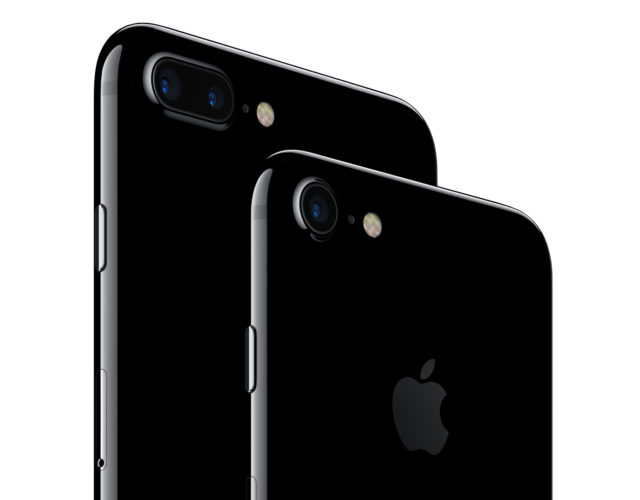
When it comes to phones, Apple’s iPhone rules social media with nearly 31,000 mentions, Talkwalker reported, while Samsung Galaxy was mentioned 20,000 times and the Google Pixel Phone mentioned 10,000 times. Apple’s iPad appears to be the most popular tablet, as well with 58,000 mentions, while the MS Surface Book received 3,100, Samsung Galaxy Tablet mentioned 327 times and Google Pixel Tablet mentioned 209 times.

Trending topics come and go, but Grossman’s analytics firm has noticed a pattern across social media and how brands are really getting mentioned.

“I think one thing we’ve noticed a lot with brands is that it often isn’t ‘branded’ content that trends,” he said. “It will be a post produced by a customer or influencer about a brand or product. This doesn’t mean brands should give up, but more that they should have a clear plan on how to get people involved and how to track when their brand is being mentioned in this way.”

Social Ad Trends, TV Tweets And Other Must-Read Marketing Stats

This week, we examine the state of mobile advertising, new records being set in the video game industry and chat bots perhaps turning into our new robot overlords—but it turns out Americans like it that way.

Console Crazy

This year’s Black Friday was the best-ever for PlayStation, who announced that more than 50 million PS4 units have been sold to consumers worldwide. This includes the sales of PlayStation 4 Pro (PS4 Pro) that launched in November. “With tremendous support from our fans and partners across the globe, this year we were able to deliver an unprecedented lineup of hardware, including the new slimmer PS4, PS4 Pro and PlayStation VR,” Andrew House, president and global CEO of Sony Interactive Entertainment, said in a statement. “We will continue to provide the best gaming experiences available through our ground-breaking software lineup and network services, as we focus on accelerating our business and expanding the PS4 ecosystem.”

LoL‘ing Big Time

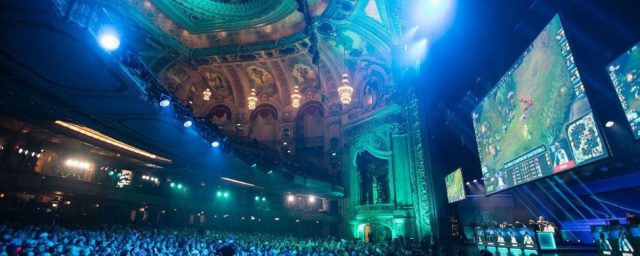
The 2016 League of Legends World Championship finals were seen by 43 million people, according to Riot Games in a release on the League of Legends eSports website. The competition was broadcast over 23 networks in 18 different languages and resulted in 396 million daily unique impressions. Peak concurrent viewership for the final match-up hit 14.7 million and the total number of viewers was up over last year’s record of 36 million.

A packed house watches the 2016 League of Legends World Championship in Chicago. (Source: Riot Games)

Chatty Customers

When it comes to dealing with customer service, 38 percent of Americans would rather clean a toilet, according to the 2016 Aspect Consumer Experience Index. While that number has decreased compared to 42 percent last year, a general feeling of dread remains when a consumer has to ask for help. Forty-four percent of American consumers prefer chat bots to traditional customer service, “if the company gets it right” and 71 percent of participants want the ability to solve most customer service issues on their own.

“This is an opportunity for companies to satisfy a growing customer demand,” Joe Gagnon, Aspect’s chief customer strategy officer, advised in a statement, “but even though a large number of consumers now prefer using chat bots, they aren’t going to tolerate a substandard experience. The important thing is that companies who deploy automated interaction must provide an experience that is connected to the rest of the customer experience ecosystem.”

chatbot

Social Spending

Global advertising is poised to reach $547 billion in 2017, according to media investment firm, GroupM, despite a turbulent financial year impacted by Brexit and the US election.

A recent study by Steelhouse/Forrester revealed that a majority of marketers (89 percent) spend on social advertising, while 77 percent purchase display banner ads, 65 percent use video advertising and 60 percent use email advertising. Ad spend is frequent, according to the study, with 41 percent of participants spending daily on mobile ad networks and 32 percent spending on programmatic managed service providers.

While it’s no surprise that a majority of marketers (85.8 percent) will utilize Facebook in 2017, eMarketer predicts that Instagram will finally overtake Twitter next year as a marketing platform. By 2017, the research firm forecasts, 74.2 percent of US companies with more than 100 employees will use Instagram for marketing purposes, whereas 66.2 percent will be using Twitter. To put that into perspective, eMarketer estimates that 66.1 percent of marketers currently use Twitter, compared to the 53.2 percent who use Instagram.

In September, Instagram reported that the number of advertisers on its platform had grown to over half a million. The ability for marketers to access Instagram options through Facebook, along with its own dedicated services makes this platform even more lucrative as marketers budget for the new year.

nielsen-tv-social

Native advertising may soon be dominated primarily by social media, according to findings by Advertiser Perceptions, Inc. The results on an online study revealed that ad execs estimate 43 percent of their native ad budgets are being allocated to conventional publishers, compared to an average of 25 percent in 2015. Meanwhile, social networks currently account for 39 percent of the respondents’ native ad budgets, an increase of 14 percent.

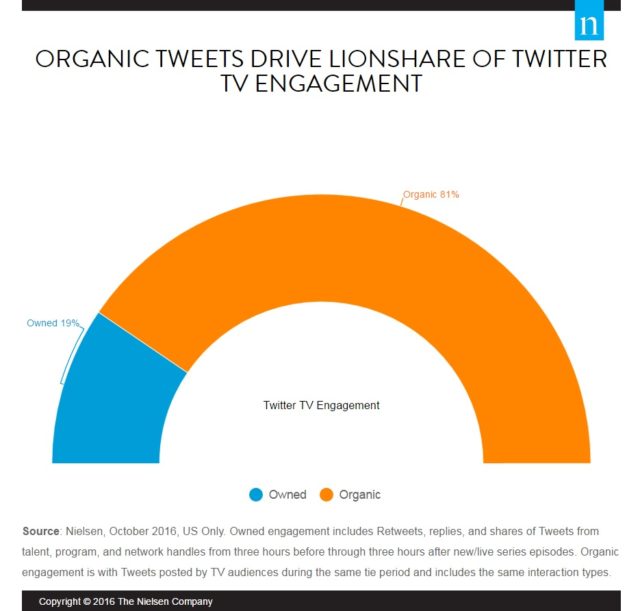
Measuring social engagement can be tricky, especially when consumers use platforms in different ways. While an official hashtag certainly helps, a study by Nielsen found that only 47 percent of Tweets sent about primetime series programming during the 2015 to 2016 broadcast TV season mentioned an official program hashtag. In fact, Nielsen found that TV audiences drive 81 percent of all Twitter engagement, compared to just 18 percent of posts by official or affiliated accounts.

10 Best Marketing Campaigns This Holiday Season

The holidays are a time to go big—big meals, big family gatherings and for these brands, big marketing. From encouraging good deeds to calling out oddly specific playlists, these brands are ringing in the holidays with a healthy dose of humor and inspiration.

Pokémon GO Frapuccino

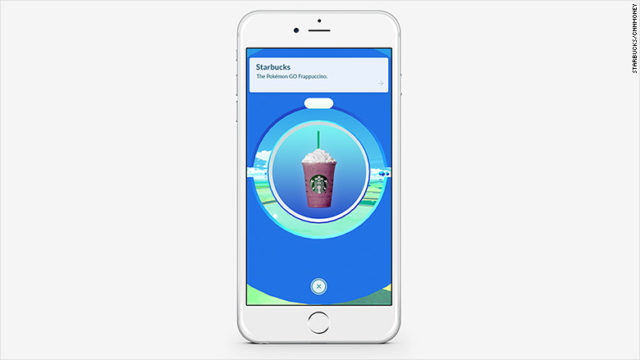
For a limited time, Starbucks has introduced a special frozen raspberry and blackberry-flavored version of its Vanilla Bean Frappuccino. Just in time for the latest Pokémon GO update that adds 100 new creatures, the themed drink will be featured only at store locations listed as PokéStops and Gyms —physical areas that let Pokémon Go players catch Pokémon or battle other players. When a player enters the location and swipes the spinning disc, they will unlock the ability to purchase the drink. About 7,800 of its U.S. locations will carry the Pokémon GO Frappuccino. In Pokémon Sun and Moon, players are able to visit a café and purchase a drink while at a Pokécenter—a parallel that may boost the campaign’s popularity.

161208145525-starbucks-pokemon-go-drink-780x439

Thanks, 2016. It’s Been Weird.

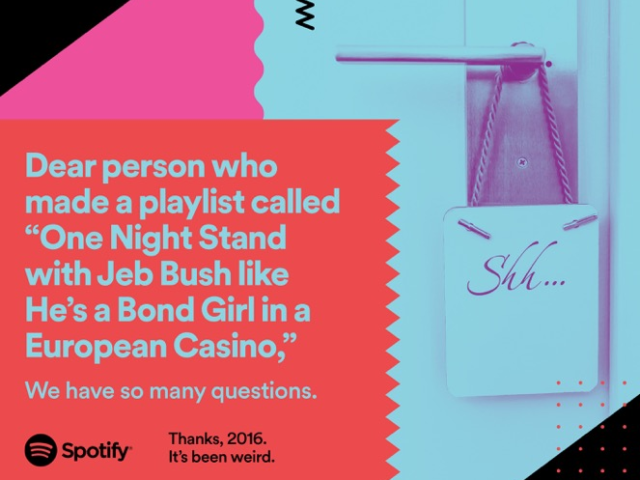
The title of this campaign says it all, and we’d have to agree. Music streaming service, Spotify has taken user data and delivered it in a way that reaches its customers on an emotional level. A series of ads have appeared across 14 different markets, each custom-tailored to that location and addressing a particular trend or strange discovery from 2016 listener data.

One billboard in the UK reads, “Dear 3,749 people who streamed ‘It’s The End Of The World As We Know It’ the day of the Brexit Vote. Hang in There.” Another in New York says, “Dear person in the Theater District who listened to the Hamilton soundtrack 5,376 times this year. Can you get us tickets?”

spo16usnycpspp3

This campaign is especially unique in how its uses very specific data to be engaging rather than creepy. “There has been some debate about whether big data is muting creativity in marketing, but we have turned that on its head,” Spotify’s chief marketing officer, Seth Farbman, told Creativity. “For us, data inspires and gives an insight into the emotion that people are expressing.”

The Gift Of Oreos

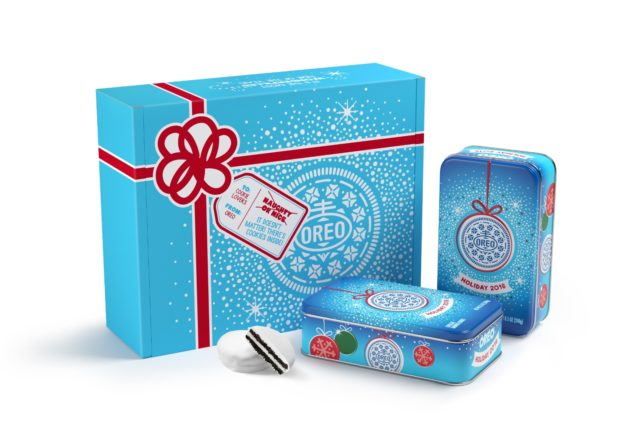
Baked goods are a delicious holiday tradition, and Oreo is making it easier than ever to gift its white fudge cookies over the internet with new direct-to-consumer shopping. Those who visit gifts.oreo.com can send gifts without knowing the recipient’s address, using only their e-mail address or mobile phone number. Recipients can then “open” the gift online and confirm shipping details to send the Oreo gift to the location of their choice.

“Our goal is to become the leader in eCommerce snacking by providing the best product assortment, value and convenience for consumers,” said Neil Ackerman, global director of Oreo eCommerce, in a press release. “We’re piloting a more flexible, agile supply chain model that will allow us to have a more direct interaction with shoppers during a time of year when they’re increasingly turning to online sources to research gift ideas and complete purchases.”

oreos

Spread The Happy

Italian food giant Ferrero, maker of the Nutella hazelnut chocolate spread, is delivering a little positivity with “Spread the Happy,” a four-part documentary-short series on the brand’s YouTube channel that celebrates citizens in their communities.

“We were inspired by these stories of people spreading happiness and wanted to provide a platform for which to tell them,” Eric Berger, marketing director of Nutella USA, told [a]listdaily. “Since Nutella is all about spreading happiness, this idea is a great fit for our brand. We felt compelled to tell them to a large audience.”

The 12 Stinks Of Christmas

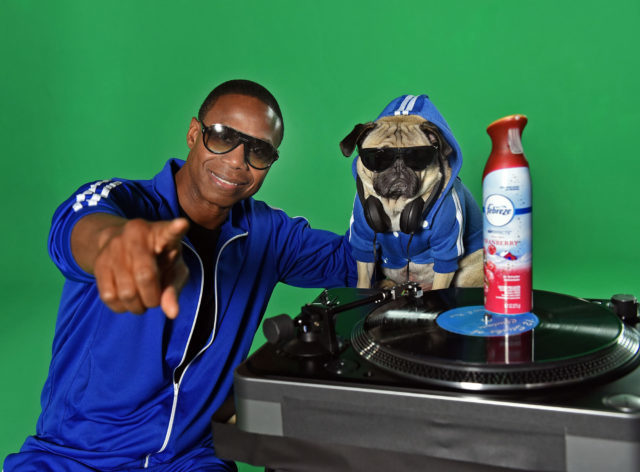
Febreze is back for the second year in a row to remind us along with Jingle Bells, there are lots of things that smell other than Batman. The odor-fighting brand has released a hip-hop music video featuring Doug E. Fresh and Instagram “petfluencer” @ItsDougThePug, where the rapper counts down stinks of the season, including “12 musty stockings, 11 burnt cookies . . . and eight frying latkes” all the way down to “a family that really needs Febreze.”

“Using the momentum from last year’s campaign, we reacted to consumer responses and trends, putting together a funky fresh remix,” Mandy Ciccarella, brand communications manager at Procter & Gamble, the parent company of Febreze, told [a]listdaily. “The goal is always to reach consumers in a fun way as they manage the holiday rush and prepare for the influx of guests and parties. The ’12 Stinks of Christmas’ proves that Febreze is the only solution when it comes to holiday odors. Don’t get us wrong, the holidays are great, but in reality, they can literally stink.”

In this image distributed Thursday, Nov. 10, 2016 for Febreze, beatboxer Doug E. Fresh and Instagram star @ItsDougThePug pose on the New York set of their music video for the hip-hop remix of Febreze’s second annual “The #12Stinks of Christmas.” Following the success of last year’s “The #12Stinks of Christmas” music video, this funky fresh remix is available now on YouTube.com/Febreze. Eliminate stinks in a merry way all season long with Febreze’s limited-edition holiday offerings. (Photo by Diane Bondareff/Invision for Febreze/AP Images)
Doug E. Fresh and Instagram star @ItsDougThePug (Photo by Diane Bondareff/Invision for Febreze/AP Images)

#Selfieless

Camera manufacturer, Canon has created a kindness advent calendar and invited the public to engage in selfless acts on camera without being in them. The #Selfieless campaign challenges photographers to turn the lens away from themselves and offers a suggestion each day for spreading a little cheer—from donating to a local food bank to clearing someone’s garden or just making tea for your work colleagues.

“The festive season is a time for giving back,” Lee Bonniface, marketing director of Canon Europe, told The Drum. “A small act of kindness can make a huge impact, especially at Christmas. It seemed fitting to invite people to use their cameras to share a feeling of goodwill this year. It is the most photographed time of the year after all.”

Believe

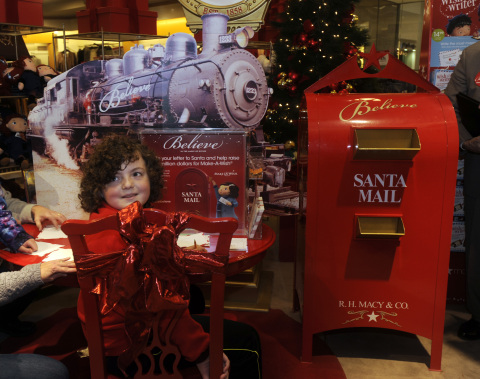
Department store Macy’s and Make-A-Wish celebrated the eighth annual National Believe Day on Friday, a pinnacle moment of this year’s Believe campaign. Each year, children are encouraged to write letters to Santa Claus and deliver them to a Macy’s store—for which one dollar is donated to the Make-A-Wish Foundation up to one million dollars. This year, the brand will commemorate the holiday season with a double donation for the Believe letter writing program and the return of Wishes Across America, a day devoted to granting incredible wishes for children across the country with life-threatening medical conditions.

The award-winning animated special “Yes, Virginia” will air online on Macy’s YouTube channel. The half-hour holiday program features a star-studded cast including Neil Patrick Harris, Jennifer Love Hewitt, Alfred Molina and Beatrice Miller. The cast also includes former wish child Taylor Hay, who had her wish granted when her voice was captured for one of the film’s characters.

“National Believe Day is one of our favorite times of the year, where our partners at Make-A-Wish, Macy’s customers and employees come together to help make wishes come true for wish kids and their families,” said Holly Thomas, group vice president of cause marketing for Macy’s, in a press release. “Along with these incredible wishes, we’re bringing back double donation, which is a huge opportunity to raise an additional one million dollars for Make-A-Wish on National Believe Day alone.”

IMAGE DISTRIBUTED FOR MACY'S - Jacob Galvin, 11, of Esperance, N.Y., visits the letter writing station at a National Believe Day 2015 celebration at Macy's in Colonie, N.Y., on Friday, Dec. 11, 2015. Make-A-Wish announced that Galvin will receive his wish of a classic train trip from Chicago to New Orleans. The Believe campaign includes letters to Santa which result in donations from Macy's to Make-A-Wish. (Tim Roske/AP Images for Macy's)
The Believe campaign includes letters to Santa which result in donations from Macy’s to Make-A-Wish. (Tim Roske/AP Images for Macy’s)

Cheesy Gifts

Cheetos now boasts its own luxury fashion line, offering a stylish array of products from Flamin’ Hot Pants and dangerously cheeky underwear to a cheetah onesie and a $20,000 sapphire-embedded ring boasting more than 190 diamonds.

“Each year, holiday catalogs and gift gurus share their most unique and coveted gift items of the year,” Ryan Matiyow, senior director of marketing for Frito-Lay, the parent company of Cheetos, told [a]listdaily. “The Cheetos brand is joining this illustrious group with the release of a legendary gift collection and holiday book showcasing an assortment of this season’s must-have gifts. Each item puts the true meaning of opulence into the holidays, delivering a uniquely Cheetos wow factor that will impress even the most discerning gift recipients.”

https://youtu.be/GD2sWacXcUc

UberPUPPIES

Uber’s one-day event on Friday will allow consumers in Singapore to request 15 minutes of puppy play time. The ride-hailing app’s #UberPuppies drive raises awareness for the plight of Singapore’s homeless pups and benefits Save Our Street Dogs (SOSD). To get involved, all Singapore users have to do is tap the “Puppies” button at the bottom of their Uber app to request a visit. Two puppies will be delivered right to their front door by volunteers from SOSD who will educate the public about their cause. Cuddles are completely free, but the push will welcome donations—100 percent of which will go directly to SOSD.

Nostalgia For Leftovers

Hellman’s mayonnaise is revamping a 2005 TV spot in the UK with a contemporary foodie feel in an effort to appeal to a modern audience, The Drum reports. The condiment brand knows a thing or two about nostalgia, having been around since 1913. The ad will run between December 26 and into January, during which the brand will re-create a Christmas dinner leftovers recipe to inspire people to get creative with Hellmann’s mayonnaise.

“Over 12 million households buy Hellmann’s mayonnaise,” Hannah Webb, brand manager for Hellmann’s said, “and we estimate that this figure will increase even further during the festive period as Brits consume as many as 100 million turkey sandwiches between Christmas and New Year.”

In case you can’t get enough mayonnaise but you’re kind of sick of turkey about now, Hellman’s offers a number of recipes and tips for transforming holiday leftovers into new and exciting meals with its #Strangewich campaign.

https://youtu.be/aIAgDLeW22k

Coffee And #TheLastFourWords: How Netflix Rallied ‘Gilmore Girls’ Fans

On November 25, fans returned to the fictional town of Stars Hollow to catch up with Lorelei and Rory for Gilmore Girls: A Year In the Life. Almost 10 years after the last episode aired in 2007, Netflix aired a four-part, four-season revival that continues the story of a mother and daughter living in a quaint, Connecticut town. While the series has been in re-runs for some time and already comes with its own dedicated following, it wasn’t until Netflix picked up the show that fans really took notice—thanks largely to an experiential marketing campaign and a massive build-up to the series’ four last words.

The series’ conclusion was so highly anticipated that #TheFourLastWords became a trending topic on social media and the Gilmore Girls official Instagram account urged fans not to spoil it for others. Fans can head to the Stars Hollow website to create and share custom buttons pledging their allegiance to secrecy or telling others not to spoil it for them, either. (Don’t worry, you won’t find spoilers here because we’re not buttfaced miscreants.)

https://www.instagram.com/p/BM9R-z_jlBe/?taken-by=gilmoregirls

Speaking of the official Instagram account, Netflix has been posting photos for months to get fans psyched for the show’s return. The first one, naturally, featured two cups of coffee from inside Luke’s Diner. Many of the pictures that followed, like this plate of pop tarts with an apple, had people speculating what would happen based on what they learned from previous episodes.

https://www.instagram.com/p/BIndDHIBBmu/

A number of characters also started popping up on the official Gilmore Girls Instagram account, such as Rose “Gypsy” Abdoo and Grant-Lee “Town Troubadour” Phillips.

The most talked about activation, however, was a pop-up Luke’s Diner promotion on October 5 that transformed some 200 coffee shops around the country into the show’s iconic restaurant. From 7 a.m. until noon, coffee-lovers were able to pick up a free cup of java, meet other fans of the show and take advantage of the many photo ops, like a cut-out of Luke and his strict guidelines. The experiential marketing activation fostered a sense of community, got people talking and several fans donned their best plaid shirts and baseball caps just for the occasion.

Netflix’s branded filter included an image of a toaster and sign from Luke’s and was viewed 880,000 times that day. Snapchat said the one-day marketing stunt reached more than 500,000 people. Hashtags dominated social media following the activation, including #LukesDiner, which garnered over 32,000 Instagram posts and over 43,000 on Facebook alone. #HappyBirthdayGilmore received over 14,000 mentions on Facebook as well.

For those who really, really want to visit Stars Hollow, a dedicated website for the fictional town contains information about the show’s locations as well as the town’s history. There’s even an email address that can be used to ask Luke life advice.

Gilmore Girls is part of Netflix’s “family initiative,” revisiting the popular series that now ties two generations together. Fuller House has become a flagship series for the company’s plan, whose data and focus groups found parents flocking to old movies and TV series from the ‘80s on weekend evenings. “If you look at series popular in the ‘80s they were much more family oriented,” Cindy Holland, Netflix’s vice president of original content, told The Wall Street Journal. “Parents were telling us they were watching these shows with their kids because there wasn’t anything on traditional networks but contest shows. That was a white-space area of opportunity for us.”

For series creator Amy Sherman-Palladino, Gilmore Girls: A Year In the Life isn’t going to be an ongoing thing, but rather, like catching up with some old friends.

“We don’t consider this a reboot,” she told The Wall Street Journal. “It’s more like, ‘Come back and see where our girls are 10 years later.’ Then everyone can go on their merry way.”

Apple And Other Brands Turn (RED) For World AIDS Day

Today is World AIDS Day, and as the largest corporate contributor to (RED), Apple is leading a charge against the deadly disease with the goal of an AIDS-free world by 2030. Founded in 2006, (RED) raises awareness and funds for Global Fund, an organization that provides HIV treatment, support and prevention of the virus from mother to infant.

“The gift of life is the most important gift that anyone can give,” said Apple CEO Tim Cook in a press release. “Thanks to the vision and dedication of (RED), an AIDS-free generation is within our reach. We want to leave the world better than we found it, and that’s why our longtime partnership with (RED) remains so important to us.”

In addition to Apple’s current (PRODUCT)RED product lineup that is available year-round, the company has added four new (RED) products including an iPhone 7 Smart Battery Case, iPhone SE Case, Beats Solo 3 Wireless On-Ear Headphones and the Pill+ Portable Speaker. Through December 6, Apple is donating $1 to (RED)’s mission for every purchase made with Apple Pay at any Apple store, on Apple.com or through the Apple Store app up to $1 million. Bank of America will also make a donation for every Apple Pay transaction using its cards up to $1 million.

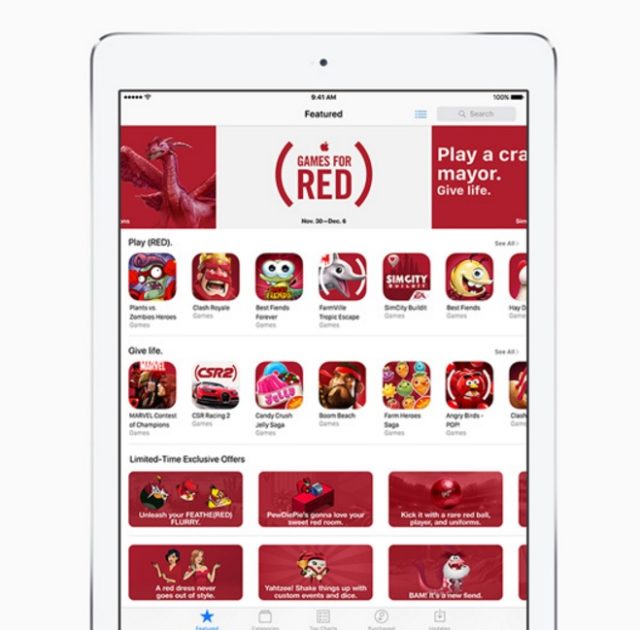
Games For (RED)

Gamers have been known to fight many things from aliens to zombies, and now, they can add life-threatening diseases to the list. Twenty games from the iOS store are participating in the battle to end AIDS forever with (RED)-themed exclusive content. War Dragons’ Limited Edition (HEROES)RED Pack gives players exclusive access to Raetrix, a healing sorcerer dragon, as well as the opportunity to unlock special armor.

Meanwhile, Episode’s Limited Edition (EPISODE)RED Pack unlocks special outfits inside Demi Lovato and Mean Girls stories. Other participating titles include Angry Birds 2, Angry Birds POP!, Best Fiends, Best Fiends Forever, Boom Beach, Candy Crush Jelly Saga, Clash of Clans, Clash Royale, CSR2, Farm Heroes Saga, FarmVille: Tropic Escape, FIFA Mobile, Hay Day, MARVEL Contest of Champions, PewDiePie’s Tuber Simulator, Plants vs. Zombies Heroes, SimCity BuildIt and YAHTZEE With Buddies.

red-games

Fighting With Fashion

Ten years ago, Gap was the first apparel partner for (RED) when it was founded by Bono and Bobby Shriver. The clothing company offers a special fashion line to benefit the organization and often uses celebrities to help inspire others to do the same. This year, Gap created a new line of limited edition street-art-inspired jackets in honor of (RED)’s 10th anniversary. The company also released a series of videos across its social channels demonstrating the partnership’s fight against AIDS by sharing real stories of treatment, support and prevention.

On November 22, Jimmy Kimmel and a host of celebrity guests kicked off a shopathon to benefit (RED) live on his show. The episode was aired again on Wednesday to gain further momentum before World AIDS Day.

Starbucks is also joining the conversation December 1 by donating 25 cents for every beverage purchased that day. This is the ninth year Starbucks is partnering with (RED) on World AIDS Day. The company has contributed more than $14 million to the Global Fund to help fight AIDS, according to its website.

“Over the past 10 years, 70 million lives have been impacted by (RED)-supported Global Fund grants,” said Apple in a statement. “At the start of Apple’s partnership with (RED), 1,200 babies were born with HIV every day, and today, UNAIDS predicts that number could be near zero by the year 2020, with the end of AIDS by 2030.”

Instagram Videos: The Link Between Analytics Tools And ROI

Fads come and go, but brands know that video is here to stay. According to a new study by Demand Metric and Vidyard, more than 90 percent of marketers said that video content is becoming more important. In addition, more than half of participants produce 11 or more videos per year. Nearly half of respondents said they use internal staff and resources to produce videos, up from 38 percent a year ago.

The State of Marketing Benchmark Study Report revealed that social media is the preferred method for delivering marketing videos, second only to the brands’ own websites.

Linking Analytics To Return On Investment (ROI)

“The use of advanced metrics has become imperative for organizations that produce higher volumes of videos annually,” Demand Metric’s report noted, “as these metrics enable optimizing performance and understanding the true ROI of their investment.”

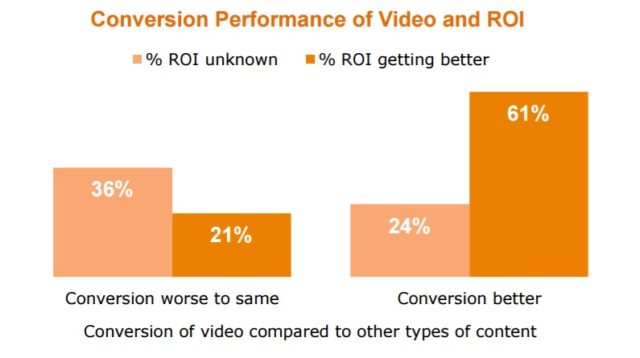
While 96 percent of participants said that conversion performance for video has stayed the same or gotten better, 59 percent reported an improvement in video return on investment (ROI) compared to just 38 percent last year.

“Study participants reporting that the ROI of their video is changing for the better were twice as likely to use advanced metrics to measure video effectiveness than those who report their ROI is unknown,” the report noted. “Respondents who use advanced analytics are twice as likely to say their ROI is better and more likely to increase their video budgets year over year.”

Instagram videos come with the benefit of Facebook’s on board analytics tools, making it a prime location to connect with its user base of 500 million.

Source: Demand Metric

Marketing Video The Insta-Way

“Instagram content should be encouraging and aspirational,” Caroline Collins, director of social media at Ayzenberg Group, advised in the fourth quarter Earned Media Value index. “By resisting sales offers and focusing instead on content that serves as a visual celebration of our brands, the platform can be used to strengthen brand love amongst advocates.”
(Editor’s note: [a]listdaily is the publishing arm of the Ayzenberg Group.)

The beautiful thing about producing videos is that anyone can do it and the medium is conducive to any lifestyle brand from entertainment to food, clothing to travel, tech to child-rearing and more. Instagram, in particular, allows brands to experiment with a more relaxed approach to marketing, as well.

Epic Games uploads Instagram videos and images frequently to its Paragon account, highlighting new playable heroes, game modes or patch notes. The developer utilizes humor and cinema-style storytelling rather than hard sells to get fans hyped for its free-to-play MOBA.

https://www.instagram.com/p/BNXFIBOgM7B/

Nest, a tech company offering home security cameras, thermostats and smoke alarms, gets its consumers involved by inviting them to share amusing home footage of pets when their owners are away. Users enjoy sharing videos of their furry friends, other users enjoy watching them, and Nest enjoys a bit of free and entertaining publicity.

https://www.instagram.com/p/BDOVWUxxUNL/

Since Instagram’s feed is no longer chronological, Stories—and now live video—are great ways to engage consumers in between those main posts.

“Because businesses play such a rich role within our community, we’ve seen they are the profiles that have led the way and really innovated in [the Stories] space,” Jen Ronan Instagram’s brand development lead told The Drum. “They’re telling stories of behind the scenes, of the day to day, and really building their brand in that way.”

Recipe For Success: Food Brands That Serve Delicious Facebook Livestreams

It’s been a little over a year since Facebook introduced livestreaming capabilities, and a number of food brands, in particular, have taken full advantage of this new-found opportunity to make mouths water. Luckily, there’s a “National Day” for just about everything, especially food. Here are a few examples of tasty campaigns executed via Facebook Live so far this year.

Nescafé

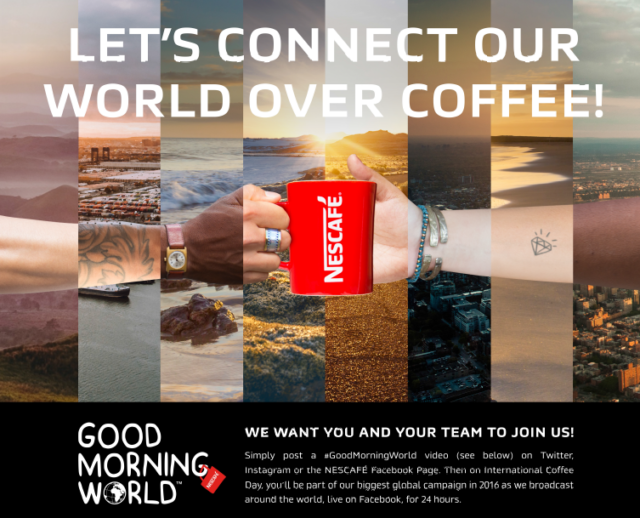
To celebrate International Coffee Day on October 1, Nescafé—the world’s first instant coffee—hosted a 24-hour livestream over Facebook Live, YouTube and Periscope. Audience members were encouraged to share videos of themselves drinking a cup of joe and the best content was shared on the air. Michael Chrisment, Nescafé’s global head of integrated marketing, told [a]listdaily that the company is all about making connections that matter.

“Livestreaming was the perfect way to bring people together in an innovative, and very real, way. When you wake up, you grab your phone and a coffee. Nescafé and social media go hand-in-hand, which is why Facebook livestream was a great way to reach our fans.”

For every video submitted, the Nestlé-owned food industry giant distributed a coffee plantlet to a farmer around the world. Not only did coffee drinkers celebrate their beloved beverage together, but did so with the confidence that they were making a difference.

nescafe

Popeyes

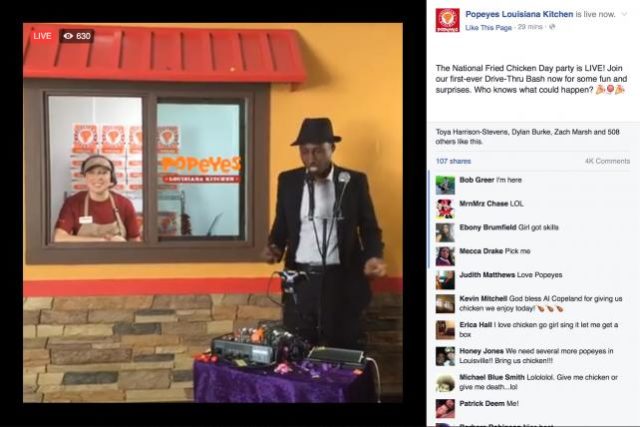
For National Fried Chicken Day on July 6, Popeyes took to Facebook Live with a virtual drive-thru window and jazz musician. Fans were encouraged to interact with the stream through trivia, music and games. Participants in the US who commented also had the chance to win a delivery of Popeyes’ limited-time offer of their $5 Boneless Wing Bash.

“Not only will we engage with current consumers but we also have an opportunity to reach new consumers that maybe never tried us,” said Hector A. Muñoz, chief marketing officer for Popeyes.

FacebookLivePopeyes

McDonald’s

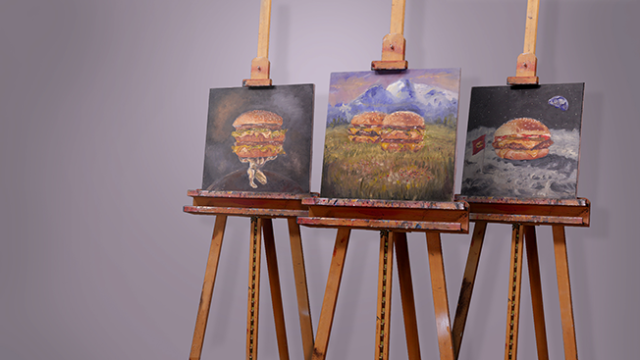
To celebrate National Hamburger Day on May 25, McDonald’s hosted its first Facebook Live video—an hour-long art show reminiscent of Bob Ross’ The Joy of Painting. Titled The Starving Artist, the mock program featured an improv actor wearing a sweater and fanny pack creating hamburger-inspired artwork. He told viewers that he was going to take the burgers from “mouth-worthy to museum-worthy.”

Over the course of the show, three oil paintings were revealed: “The Beefy Gastronaut,” “Burger Brawn” and “Beefy Peaks.” The paintings by artist Adam Holzrichter were then auctioned on eBay to benefit the Ronald McDonald House charities.

McDonald's celebrated National Hamburger Day with their first Facebook Live stream. The paintings above will be auctioned for their Ronald McDonald House charities. (Source: McDonald's)

Tastemade

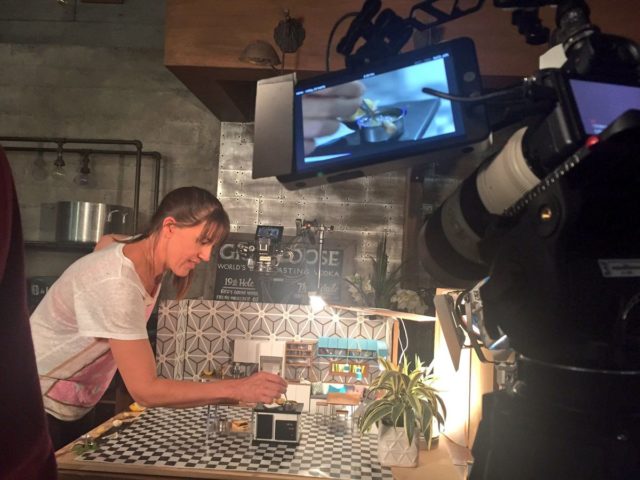
Sometimes you just wanna watch food, and over 3.8 million people decided they wanted to watch tiny food being cooked in a tiny kitchen. Tastemade has been experimenting with daily Facebook Live content since the spring, and discovering that fans are hungry for more. Producing original live content between 10-to-60 minutes in length, the company has learned that high engagement doesn’t necessarily mean a lot of upfront cost. A livestream of latte art has garnered over 2.4 million views to date, for example, and over 100,000 simultaneous viewers as it happened.

“What we’ve found so far [on Facebook Live is that] it does not need to be TV-quality to get people excited,” Oren Katzeff, head of programming at Tastemade told Digiday. “That doesn’t mean everything we do is going to be raw, but we do have the range to test different styles of video.”

This tiny kitchen is a big hit for Tastemade. Source: Mashable